#constitutional-law
#constitutional-law
[ follow ]
#transgender-rights
NYC LGBT
fromLos Angeles Times
2 months agoTrump-appointed judge's dissent is called out as 'vulgar' in 9th Circuit trans rights case
The 9th Circuit Court of Appeals upheld transgender people's right to access sex-segregated facilities, prompting a dissenting judge's vulgar opinion that drew criticism from 26 fellow judges for undermining court credibility.
NYC LGBT
fromLos Angeles Times
2 months agoTrump-appointed judge's dissent is called out as 'vulgar' in 9th Circuit trans rights case
The 9th Circuit Court of Appeals upheld transgender people's right to access sex-segregated facilities, prompting a dissenting judge's vulgar opinion that drew criticism from 26 fellow judges for undermining court credibility.
#executive-power
Law
fromSlate Magazine
1 week agoThe DOJ Just Made a Shocking Confession About One of Trump's Worst Early Executive Orders
Executive orders targeting specific law firms and lawyers for alleged national security risks were treated as unconstitutional retaliation and censorship during D.C. Circuit arguments.
#supreme-court


Right-wing politics
fromFortune
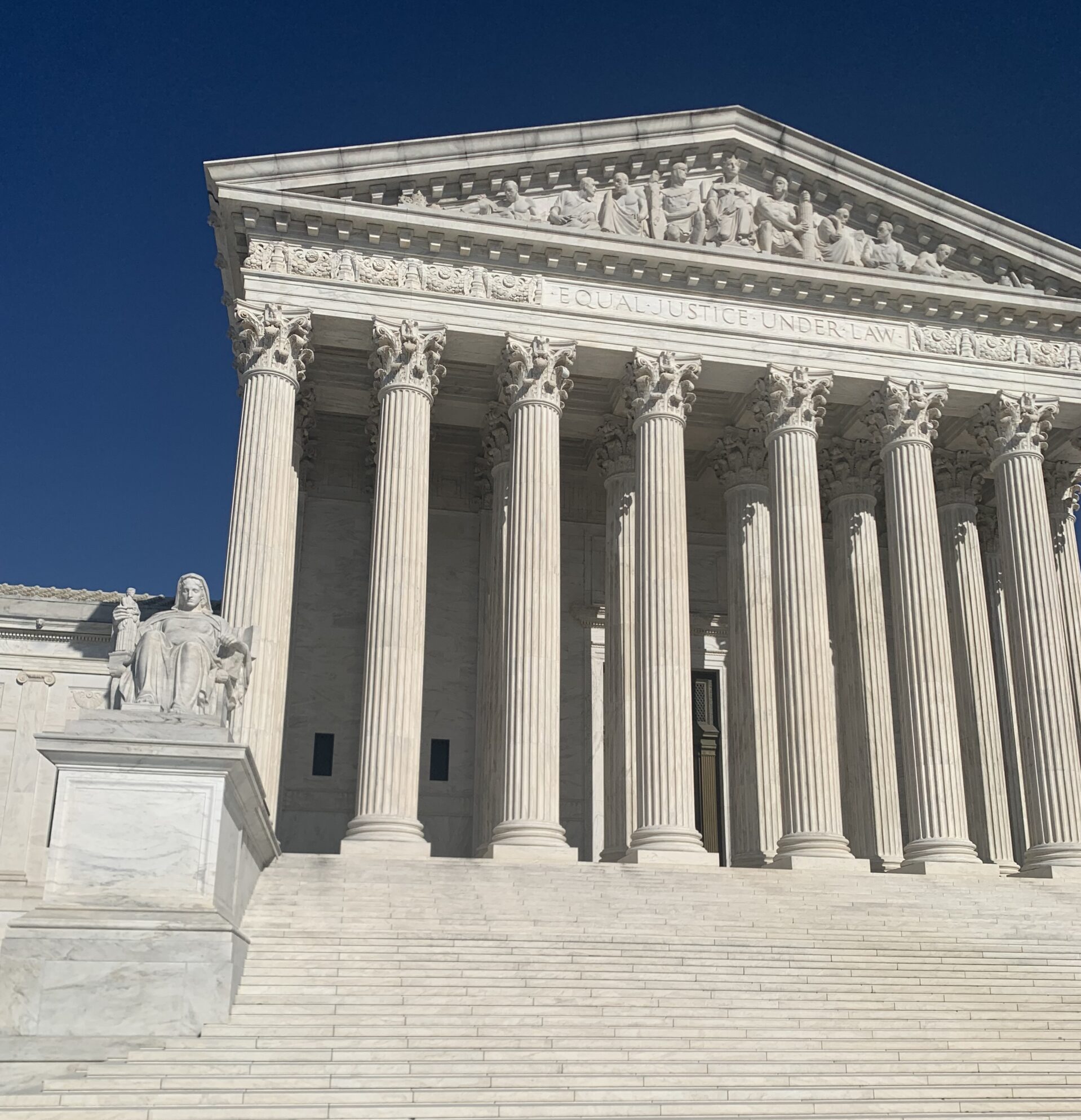
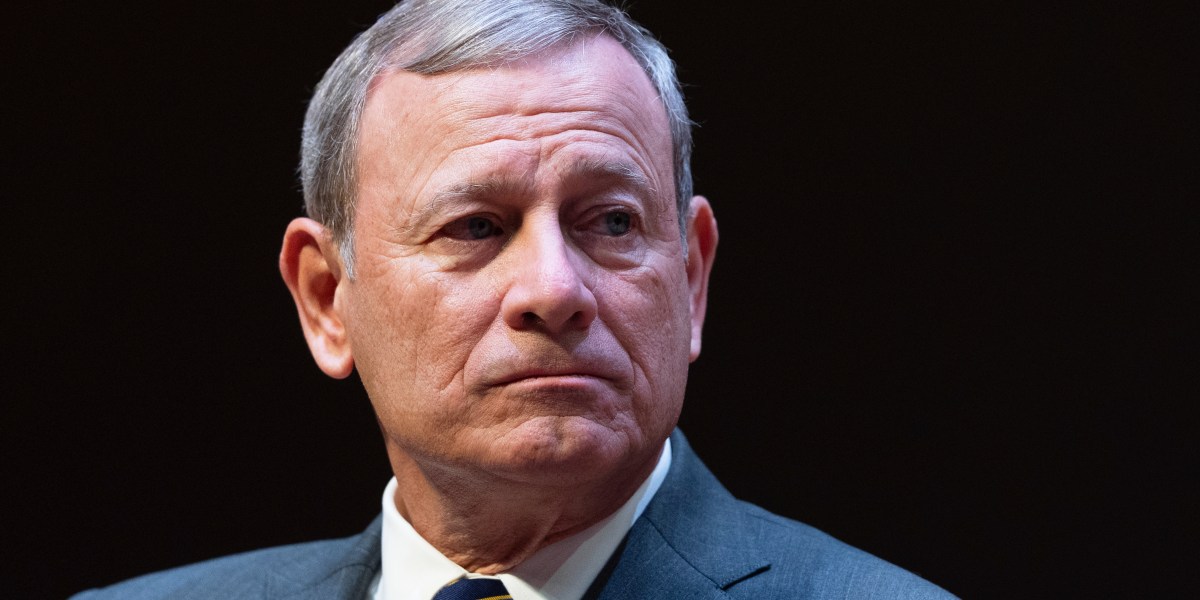
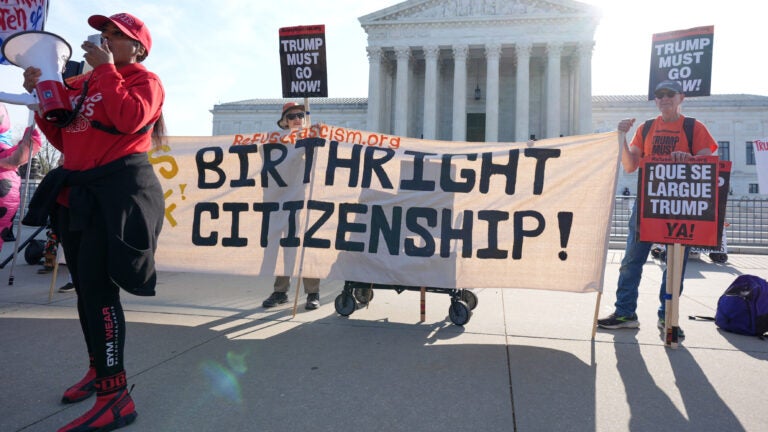
2 weeks agoJohn Roberts insists, despite all evidence to contrary, Supreme Court is 'simply not part of the political process' | Fortune
Supreme Court justices base decisions on the Constitution and law, not politics, and criticism should target rulings rather than personal attacks.
LGBT
fromsfist.com
2 months agoSupreme Court Blocks California Law Preventing Schools From Outing Kids to Their Parents If They Change Pronouns
The Supreme Court's conservative majority blocked California's law protecting transgender and nonbinary students' privacy from parents, ruling parents have due process rights to participate in their children's mental health decisions.


#us-supreme-court
Intellectual property law
fromIPWatchdog.com | Patents & Intellectual Property Law
1 week agoSCOTUS Denies Cert to Pharma Industry Challenges to IRA's Negotiation Program, USAA's Section 101 Patent Appeal
Supreme Court denied certiorari petitions challenging the IRA Medicare drug price negotiation program and other unrelated appeals.
Law
fromAbove the Law
1 week agoNew Utah Law Lets Students Skip Content They Don't Believe In. And You Thought Teaching Con Law Was Bad Before... - Above the Law
Recent constitutional rulings weaken stare decisis and blur lines between presidential power, church-state separation, and student religious opt-outs in coursework.
US politics
fromBoston.com
1 week agoHealey refuses to alter RMV policy that denies undercover license plates to ICE
Massachusetts refuses to issue confidential license plates to most ICE vehicles, and the Trump administration threatens legal action over alleged constitutional violations and public-safety risks.
fromThe Walrus
1 week agoInside the Halls of Power: Stories from Canada's Supreme Court | The Walrus
Founded in 1875, the Supreme Court of Canada has served as the highest court in the country, interpreting laws and the Constitution and shaping the legal framework that governs everyday life. Over 150 years, it has been at the center of landmark rulings from individual rights and freedoms to indigenous land claims. Its decisions reflect the evolving values and diversity of Canadian society.
Canada news
Non-profit organizations
fromSlate Magazine
1 week agoIt Was One of DOGE's Most Absurd Abuses. A Court Finally Exposed It.
Mass cancellation of NEH grants lacked due process and violated constitutional protections, including viewpoint discrimination, equal protection, and unauthorized action by DOGE officials.
fromSlate Magazine
2 weeks agoIn a World of Polarized Legal Thinking, Justice Gorsuch Doesn't Just Follow the Party
In our final episode, it's time to talk about Neil Gorsuch and the future of SCOTUS. Host Susan Matthews enlists Slate's jurisprudence team-Amicus co-hosts Dahlia Lithwick and Mark Joseph Stern-to discuss Gorsuch's key rulings to date, his unpredictability, and how this textualist will shape this court (and our country) for decades to come.
Podcast
Non-profit organizations
fromwww.theguardian.com
2 weeks agoDoge slashing of humanities grants in 2025 ruled biased and unconstitutional
Hundreds of humanities grants were unlawfully terminated through viewpoint discrimination and unconstitutional authority, violating First and Fifth Amendment protections.
US Elections
fromAxios
2 weeks agoTrade court strikes down Trump 10% universal tariffs
Trump invoked Section 122 of the Trade Act of 1974 to impose a 10% tariff surcharge after the Supreme Court struck down his previous tariffs, but courts ruled this grants unconstitutional unlimited presidential tariff power.
fromABA Journal
3 weeks agoFormer judge suspended over Facebook posts seeks relief from SCOTUS
"Allowing judges to be disciplined based on the perceived 'tone' or 'volume' of lawful speech promotes arbitrary enforcement, invites political interference in the judicial branch, and threatens to undermine the rule of law."
Law
fromwww.theguardian.com
1 month agoCourt blocks California law requiring federal agents to wear some form of ID
The Trump administration filed a lawsuit in November challenging the law, arguing it would threaten the safety of officers who are facing harassment, doxing and violence, and that it violated the constitution because the state is directly regulating the federal government.
Law
#birthright-citizenship
Right-wing politics
fromSlate Magazine
2 months agoThe Fundamental Lie Behind Trump's Birthright Citizenship Supreme Court Case
The Supreme Court's birthright citizenship case requires understanding that American citizenship history contradicts popular myths about immigration and federal border enforcement.
Law
fromAbove the Law
1 month agoBiglaw To D.C. Circuit: This Isn't Just About Us - It's About Whether The President Can Put Lawyers On A Leash - Above the Law
The fight over Trump-era executive orders targeting Biglaw firms intensifies as firms argue these orders threaten constitutional independence and the rule of law.
Left-wing politics
fromwww.aljazeera.com
2 months agoPresident or Congress? Who in the US has the power to declare war?
Trump launched military strikes against Iran citing self-defense, bypassing Congress, while Democrats challenged his constitutional authority and Republicans blocked a war powers resolution to halt further action.
#first-amendment
Privacy professionals
fromElectronic Frontier Foundation
2 months agoThe Government Must Not Force Companies to Participate in AI-powered Surveillance
Anthropic challenges the Pentagon's supply chain risk designation, arguing the government cannot constitutionally compel code changes to remove AI safety guardrails.
fromThe Atlantic
2 months agoUS Elections
Will Small Businesses Get Their Money Back?
The Supreme Court ruled that President Trump lacked constitutional authority to impose tariffs without congressional approval, invalidating trade policies that cost American households $1,800 and harmed small businesses.
East Bay real estate
fromwww.housingwire.com
2 months agoWyoming refund exposes legal risk for local housing fee ordinances
Local affordable housing impact fees face constitutional challenges, with mixed court outcomes as developers and homeowners dispute whether these fees constitute unlawful takings.
Right-wing politics
fromwww.theguardian.com
2 months agoWyoming passes new six-week abortion ban that lawmakers call insult to voters'
Wyoming's Republican legislature passed a six-week abortion ban that will likely face constitutional challenges, as previous similar bans were struck down by the state's Republican-appointed supreme court citing healthcare decision protections.
Left-wing politics
fromwww.theguardian.com
2 months agoJustice department drops charges against veteran who burned US flag
The Department of Justice dropped charges against a military veteran prosecuted for burning an American flag in protest, citing First Amendment protections that have been constitutional since 1989.

US Elections
fromIntelligencer
2 months agoThe Trump Administration Wrongly Took $160 Billion and Won't Give It Back
The Supreme Court struck down Trump's emergency tariffs but failed to address whether $160 billion in collected tariff money should be refunded, leaving a major unresolved legal question.
LGBT
fromSlate Magazine
2 months agoThe Supreme Court's Favorite New Excuse to Rule Against LGBTQ+ Kids
The Supreme Court expanded parental rights by blocking a school policy protecting LGBTQ+ students from forced outing, interpreting constitutional parental rights more absolutely than historical precedent.
#gender-affirming-care
Healthcare
fromAdvocate.com
2 months agoU.S. court allows state bans on gender-affirming care for adults in unprecedented ruling
The 4th Circuit Court of Appeals upheld a West Virginia law restricting Medicaid coverage for gender-affirming care, marking the first federal appeals court enforcement of such restrictions.

Healthcare
fromAdvocate.com
2 months agoU.S. court allows state bans on gender-affirming care for adults in unprecedented ruling
The 4th Circuit Court of Appeals upheld a West Virginia law restricting Medicaid coverage for gender-affirming care, marking the first federal appeals court enforcement of such restrictions.
fromLGBTQ Nation
2 months ago"Political suicide": Idaho Republicans vote no on overturning same-sex marriage - LGBTQ Nation
House Joint Memorial 17 is a formal legislative request for the Supreme Court to overturn its 2015 decision in Obergefell v. Hodges. The measure argues that the decision establishing the constitutional right of same-sex couple to legally marry is "at odds with the Constitution of the United States and the principles upon which the United States is established."
US politics
fromwww.theguardian.com
2 months agoUS attorneys handpicked by Pam Bondi were appointed illegally, judge rules
On the [government's] reading, the president would have had no need ever to seek the Senate's advice and consent for his [US attorney] appointments. Whenever there was a fair prospect of the Senate's rejecting his preferred nominee, the president could have appointed that individual unilaterally to serve ad infinitum. It is unthinkable that such an obvious means for the executive to expand its power would have been overlooked by Congress.
US politics
#ai-regulation
Washington DC
fromAxios
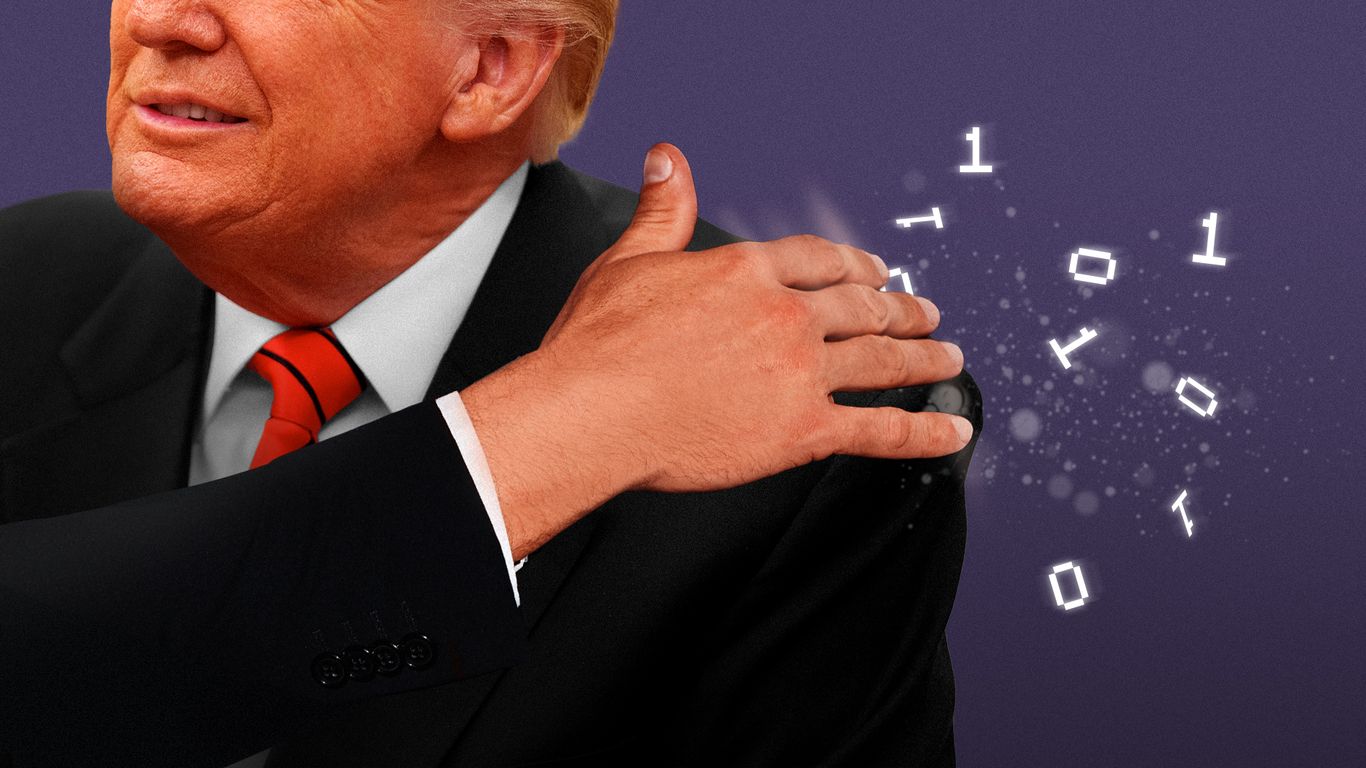
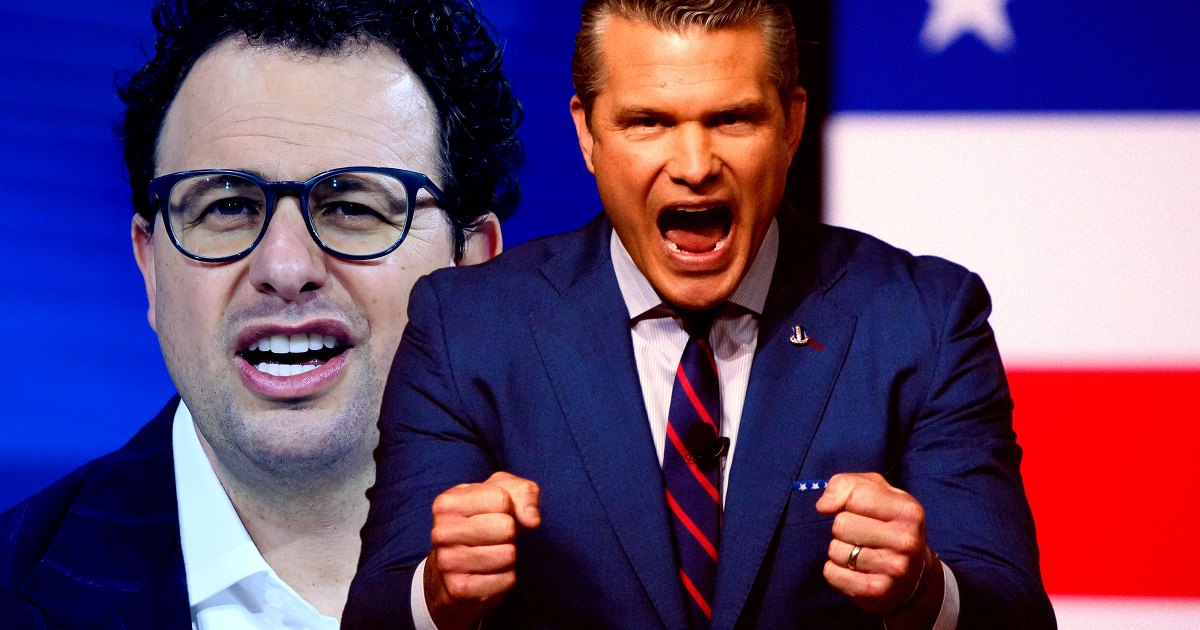
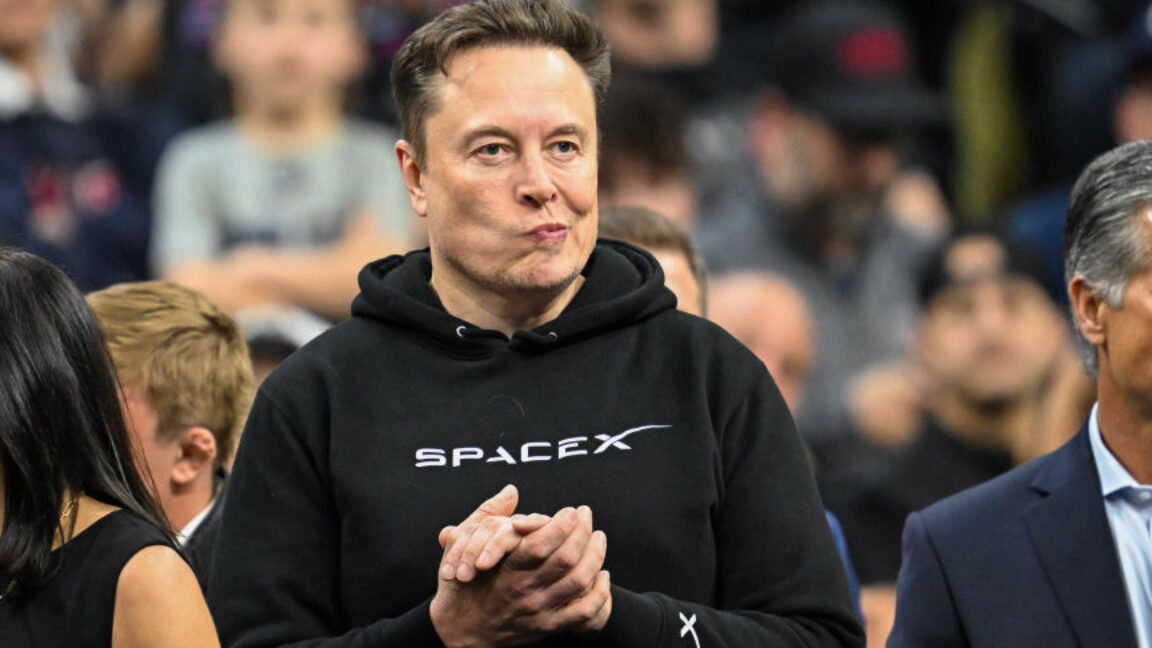
2 months agoScoop: White House readies executive order to weed out Anthropic
The Trump administration is moving to remove Claude AI from government agencies, citing national security concerns over AI safeguards, while Anthropic challenges the action as unconstitutional suppression of protected speech.
Media industry
fromwww.mediaite.com
2 months agoFederal Judge Rules Kari Lake Was Plainly Ineligible' to Run US Agency for Global Media, Voids Major Voice of America Job Cuts
A federal judge ruled Kari Lake lacked legal authority to serve as acting CEO of USAGM, voiding all her actions including mass layoffs of Voice of America staff.
Right-wing politics
fromSlate Magazine
2 months agoHow America Became A "Christian Nation" Overnight
The Roberts Supreme Court majority and Trump administration are dismantling the separation of church and state through coordinated legal and political action, enabling Christian nationalism to reshape American democracy.
UK politics
fromBusiness Matters
2 months agoJudicial review challenge launched over Home Office 40,000 voluntary departure payment scheme
A judicial review challenge questions whether the UK government has legal authority to offer payments up to £40,000 to failed asylum seekers who voluntarily leave the country.
fromAbove the Law
2 months agoMorning Docket: 03.05.26 - Above the Law
When the Framers conceived of the separation of powers, they never planned for, 'what if one branch doesn't want any powers?' The Senate voted to NOT have a vote on approving Iran strikes, creating constitutional uncertainty about how the system functions when branches decline to exercise their designated authorities and responsibilities.
US politics
#executive-orders
Law
fromAbove the Law
2 months agoTrump Admin Calls 'Backsies' On Biglaw Executive Order Appeals - Above the Law
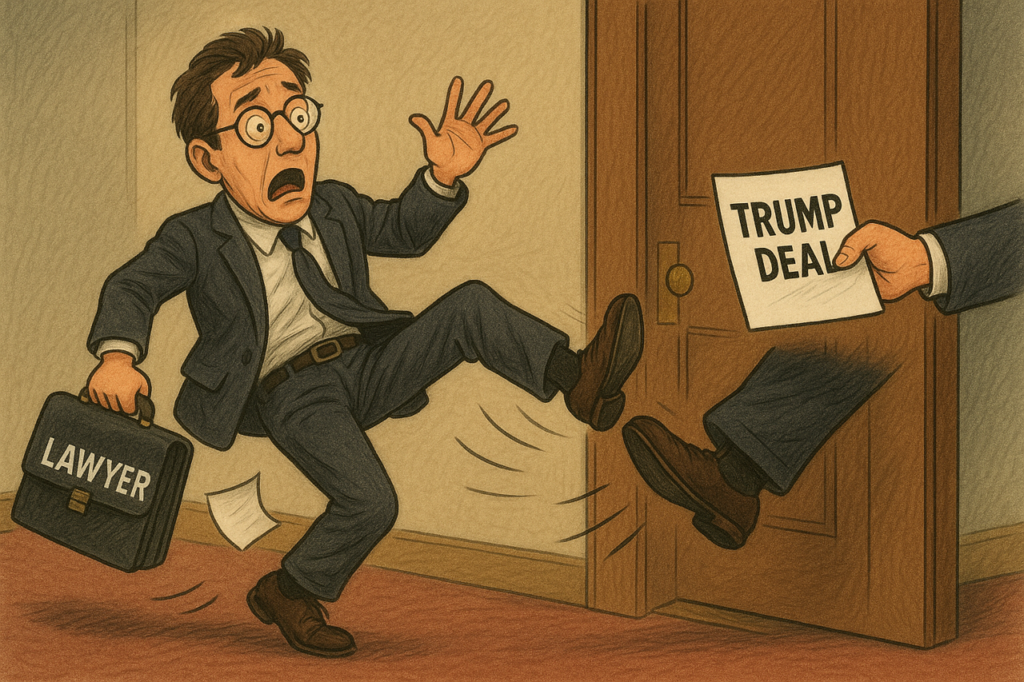
The Trump administration filed to dismiss its executive order cases against major law firms, then reversed course within 24 hours to continue defending the orders despite apparent constitutional vulnerabilities.
Law
fromAbove the Law
2 months agoDOJ Drops Defense Of Biglaw Executive Orders, Leaving Capitulating Firms Holding $940 Million Bag - Above the Law
The Trump administration is dropping appeals of executive orders against major law firms after courts repeatedly ruled them unconstitutional and retaliatory, while firms that capitulated paid $940 million in pro bono commitments.
fromBronx Times
2 months agoAOC and Ritchie Torres denounce Trump for attacking Iran without seeking Congressional approval - Bronx Times
Mr. President: this was not an inevitability. This is a deliberate choice of aggression when diplomacy and security were within reach. Stop lying to the American people. The notion that a President can plunge the United States into a regional war in one of the most volatile places on earth - without even briefing Congress, much less securing its authorization - is irreconcilable with the text, structure, and history of the Constitution.
US politics
Canada news
fromwww.cbc.ca
2 months agoHamilton judge rules Ontario's sex offender registry is unconstitutional. What could happen next? | CBC News
Ontario's mandatory lifetime sex offender registry and reporting requirements are unconstitutional, though the registry itself should continue with modified conditions.
Right-wing politics
fromwww.theguardian.com
2 months agoTrump administration waging illegal war on Iran, experts say
Legal scholars and bipartisan lawmakers contend the Trump administration's military offensive against Iran violates the US Constitution and international armed conflict laws, with the Senate voting on whether to halt the campaign that has killed hundreds across multiple countries.
#second-amendment
Law
fromAbove the Law
2 months agoJustice Gorsuch: Originalism Requires We Recall That The Founders Knew How To F-ing Party - Above the Law
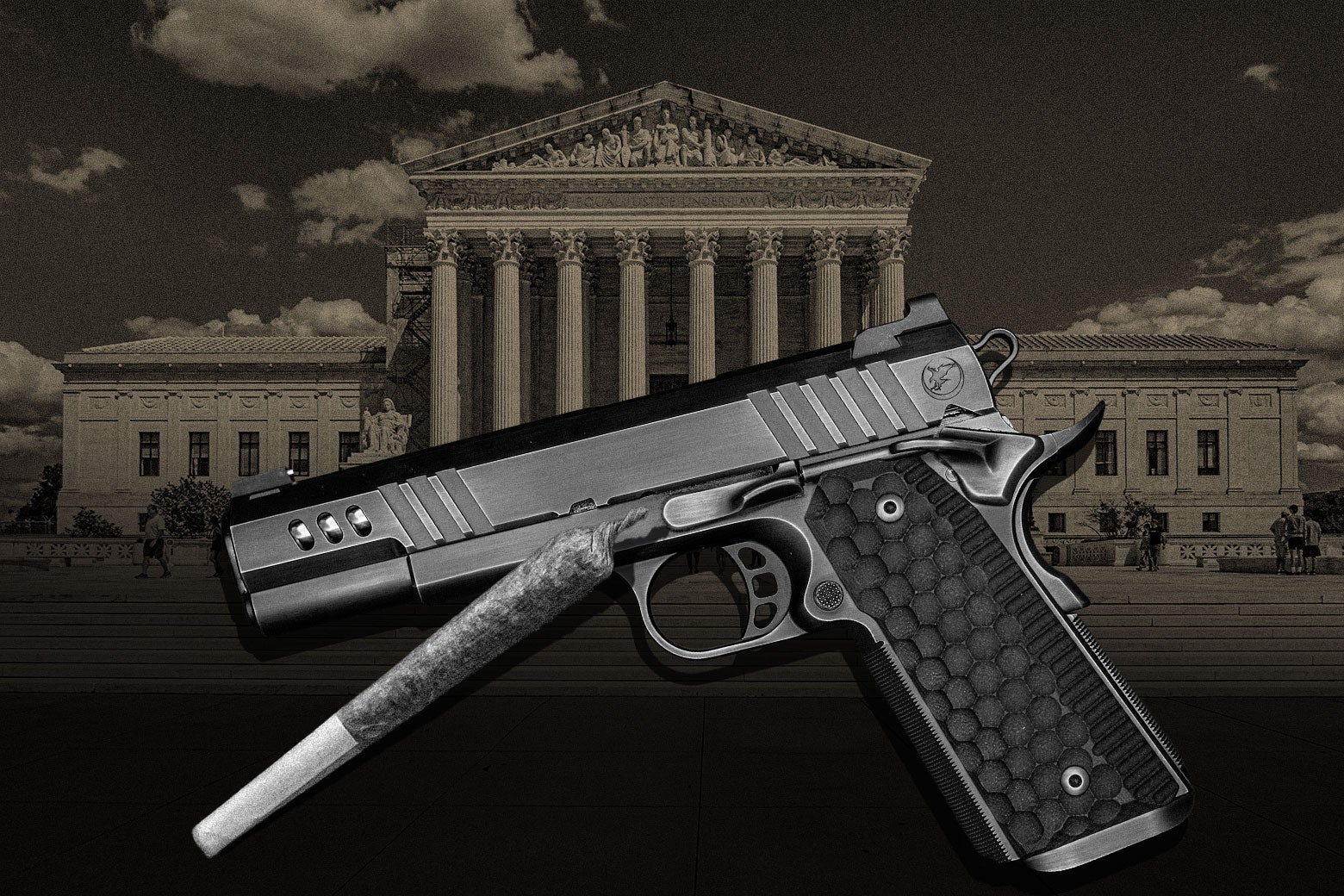
Justice Gorsuch argues that founding-era 'habitual drunkard' laws cannot justify modern firearm restrictions for drug users, citing evidence that Founders consumed far more alcohol than modern standards would classify as habitual use.

Law
fromAbove the Law
2 months agoJustice Gorsuch: Originalism Requires We Recall That The Founders Knew How To F-ing Party - Above the Law
Justice Gorsuch argues that founding-era 'habitual drunkard' laws cannot justify modern firearm restrictions for drug users, citing evidence that Founders consumed far more alcohol than modern standards would classify as habitual use.
#presidential-war-powers
World politics
fromSlate Magazine
2 months agoTrump's War With Iran Isn't Just Reckless. It's an Impeachable Abuse of Office.
President Trump initiated military action against Iran without congressional approval, asserting unilateral war powers that violate constitutional limits on executive authority.
Canada news
fromThe Walrus
2 months agoAfter the Freedom Convoy, What Is the Emergencies Act Actually For? | The Walrus
The Emergencies Act, enacted in 1988 for severe national crises, was first invoked in February 2022 during the Freedom Convoy protest, triggering ongoing controversy and judicial review.
fromwww.npr.org
2 months agoSupreme Court ponders law making it a crime for gun owners to use marijuana
The Justice Department appealed to the Supreme Court, arguing that because Hemani admitted to FBI agents that he used marijuana several times a week, he is a "persistent" drug user, thus rendering illegal the possession of the gun he bought legally and keeps securely in his home.
Law
fromwww.mediaite.com
2 months agoFormer DOJ Lawyer Dismantles Trump's Madcap' Scheme To Take Over Elections: He Can't Legally Do It'
He can't legally do it, so, I don't think this survives first contact with the courts. If he passes this kind of executive order, I imagine within hours there will be people who have already developed their litigation strategy to counter it, because it's being broadcast by him and his team, or at least by this group in The Washington Post.
US politics
US politics
fromTruthout
2 months agoJudge Rules ICE's "Third-Country" Deportations Are Unconstitutional
A federal judge ruled that ICE's Third-Country Removals policy violates due process by deporting undocumented immigrants to countries where they are not citizens with insufficient notice or legal recourse.
fromwww.aljazeera.com
2 months agoUS judge rules Trump policy of third country' deportations unlawful
It is not fine, nor is it legal, Murphy wrote in his decision, adding that migrants could not be sent to an unfamiliar and potentially dangerous country without any legal recourse. He added that due process—the right to receive fair legal proceedings—is an essential component of the US Constitution.
US politics
[ Load more ]