Artificial intelligence
fromThe Atlantic
2 days agoImagine a Chatbot That Actually Knew How to Talk to You
AI companies are focusing on developing emotionally intelligent tools to enhance user interaction and empathy.
The majority of AI products remain tethered to a single, monolithic UI pattern: the chat box. While conversational interfaces are effective for exploration and managing ambiguity, they frequently become suboptimal when applied to structured professional workflows. To move beyond "bolted-on" chat, product teams must shift from asking where AI can be added to identifying the specific user intent and the interface best suited to deliver it.
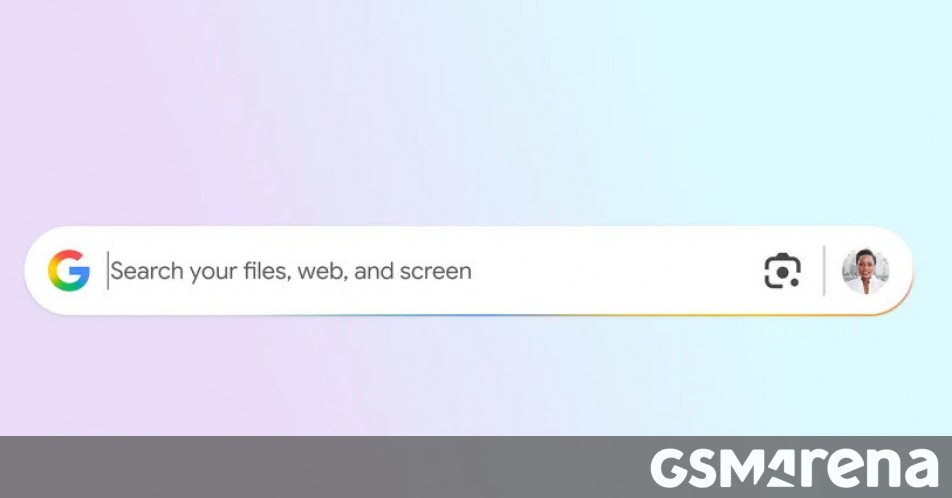
Google Search's AI makeover continues. The company said that, starting today, mobile users will be able to ask follow-up questions to AI Overviews, Google's AI-generated search summaries. Doing so will launch users into a back-and-forth with AI Mode, its more conversational take on search that already lives in a separate tab on the search page. After Google's AI Overviews awkwardly stumbled out the gate in 2024 ( pizza glue, anyone?) they've gradually become a staple of the Search experience.
Something I've been noticing a lot lately is that the confidence of AI chatbots is getting in the way of the communication between human and machine. Chatbots spit out false information with such confidence that it conveys the idea that the information is true, even though the chatbot has little to no evidence for it - yet that fact is never communicated.