World politics
fromAxios
1 day agoInvestors are buying America again with no other choice
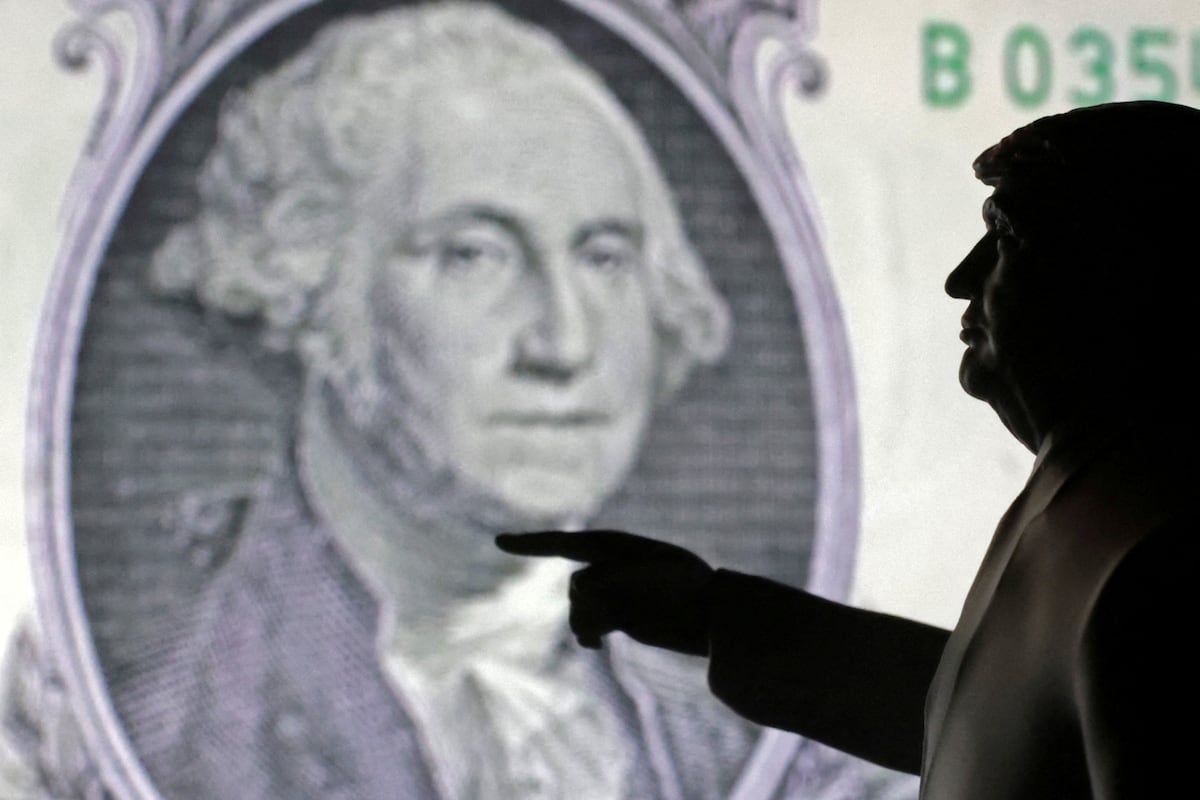
Oil price spikes trigger dollar strength as investors seek safe-haven currency and oil trades in dollars globally.
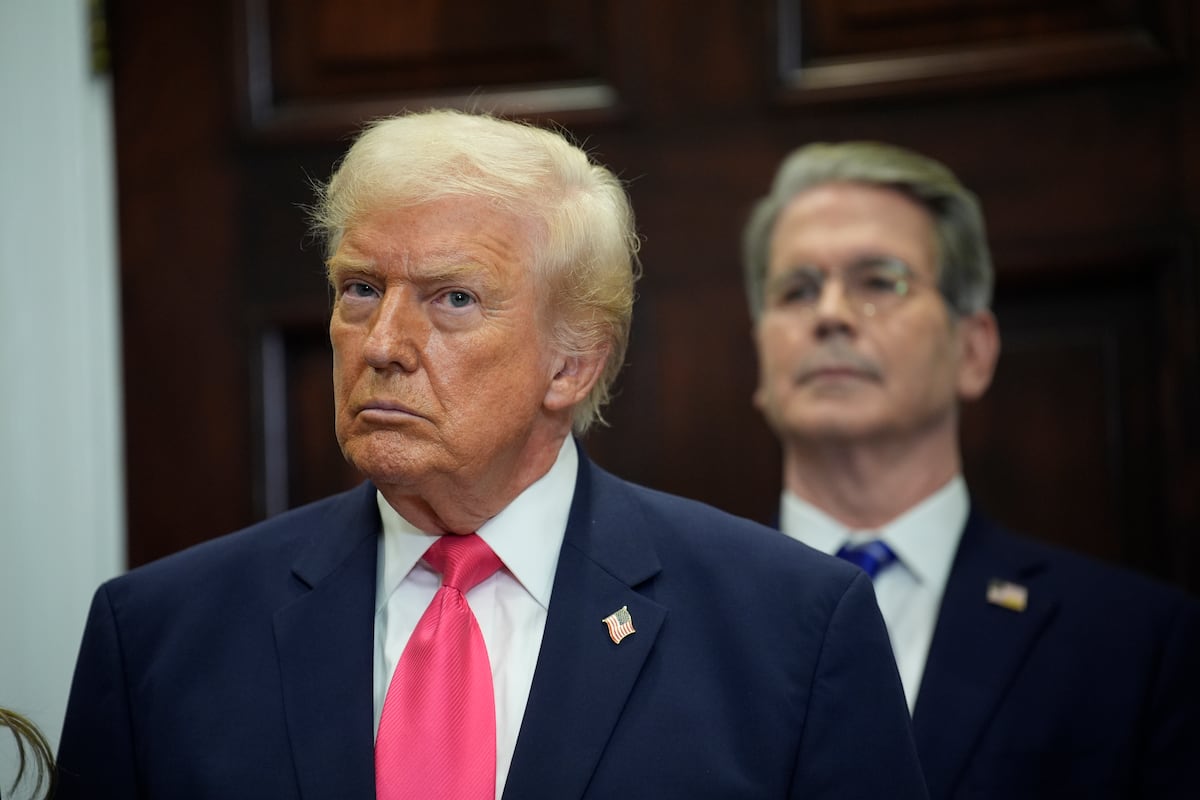
We're in a new phase of trade war uncertainty, after the supreme court blocked Donald Trump's sweeping global tariffs last Friday. With the president hitting back over the weekend, announcing a new temporary global tariff of 10%, then 15%, its clear that the White House is persisting with its policy of using trade levies to gain leverage over other countries.
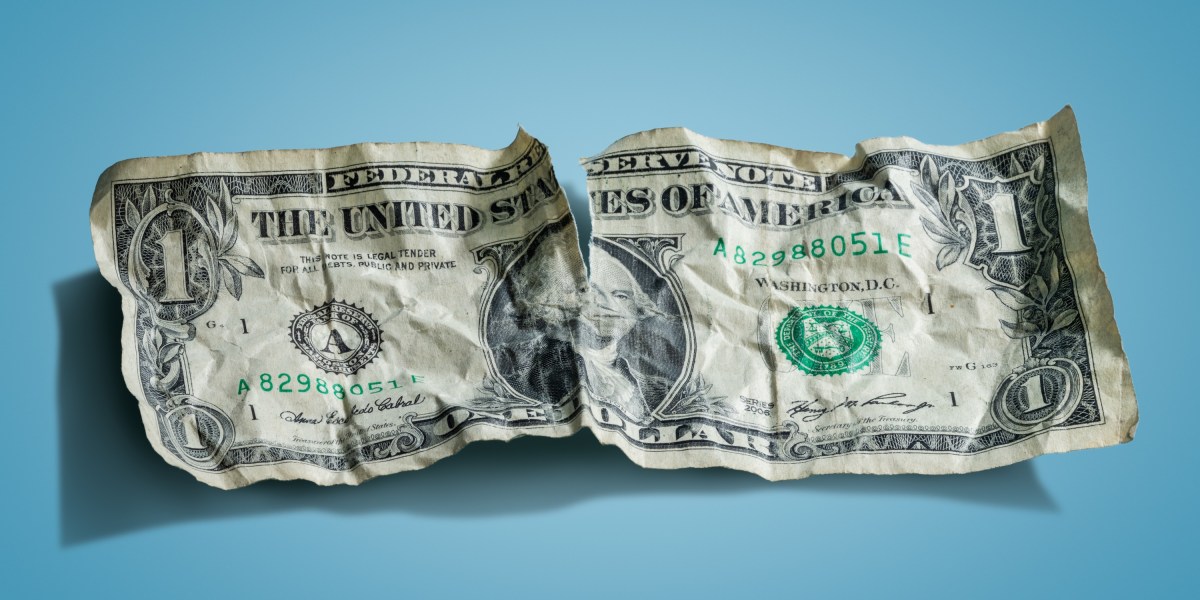
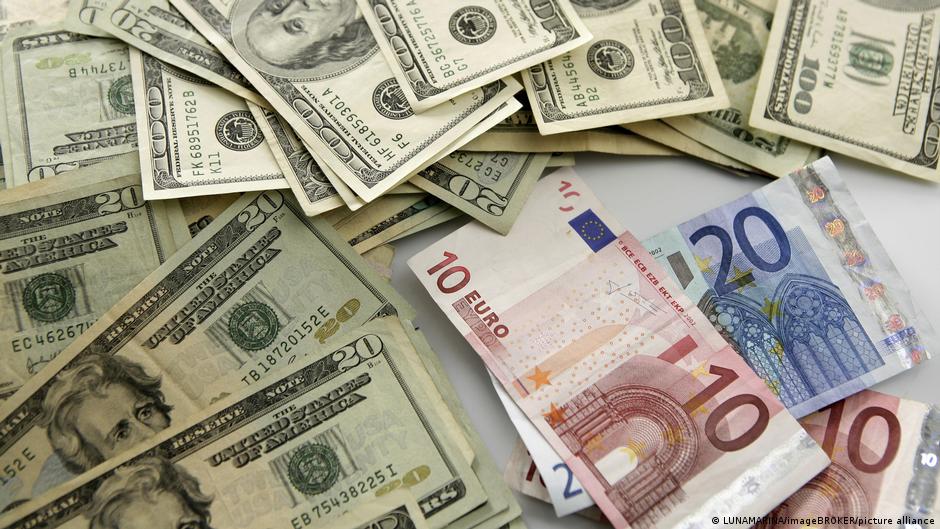
Sterling has surged to $1.38 against the US dollar, its strongest level since October 2021, as a combination of US economic disruption, shifting interest rate expectations and geopolitical uncertainty weakens the greenback. Currency analysts said the move has been driven more by dollar softness than by a sudden strengthening of the pound, creating what some describe as a rare buying opportunity for consumers and businesses needing US currency.
The dollar has continued to sink, and top investors in Northern Europe are reportedly re-evaluating their exposure to U.S. assets, while Danish pension funds have already dumped Treasury bonds. Part of that is because of concerns over U.S. debt, but Trump's Greenland crisis and his continued unpredictability have also fueled calls for Europe to weaponize its capital. In fact, European investors own $8 trillion in U.S. stocks and bonds, with $3.6 trillion of that in Treasury debt alone.
The spot price of bullion has jumped by over 1% today to $3,944 per ounce, as it closes in on the $4000/oz mark. This means the gold price has jumped by 50% since the start of January, on track for its best annual gains since the Iranian Revolution. Gold has been driven higher this year by several factors, including rising concerns that government debts are unsustainable.