The conflict has driven up the price of oil and natural gas; damaged oil refineries, tanker terminals and other energy infrastructure; disrupted shipments of fertiliser that the world's farmers depend on; and damaged the confidence of businesses and consumers.
Major indices, including the Nasdaq Composite, S&P 500, and Dow Jones Industrial Average, all recorded gains, with the Nasdaq delivering its strongest weekly performance since November.
Forecasters now predict that the coming El Niño—a warming of the Pacific Ocean that deeply affects global weather patterns—is likely to be as severe as the one in 2023-2024, which triggered severe flooding and prolonged heatwaves around the world.
For years, Anthropic has distinguished itself from peers by embracing a safety-first stance. Its flagship model, Claude, was designed with guardrails that explicitly prohibit use in fully autonomous lethal weapons or domestic surveillance. Those restrictions have been central to the company's identity and its appeal to customers wary of unfettered AI.
EEM has had a strong trailing year. The fund is up 32.81% over the past 12 months, though momentum has stalled sharply in recent weeks with the fund dropping sharply in the week ending March 6, 2026. The pullback reflects a broader shift in investor sentiment rather than any fund-specific issue.
Almost a quarter of the world experienced democratic backsliding, or a shift towards autocratization, in 2025, and six of the 10 newly regressive countries identified in the research are located in Europe and North America, including G-7 powers such as Italy, the United Kingdom, and the United States.
The stock market hates inflation. There are not many stocks that are little affected today, if any. However, safe-haven stocks may even rise due to demand. At the top of this list is Altria (NYSE: MO), the cigarette and tobacco king. People who smoke do not stop smoking, even during periods of conflict.
In an era of overlapping crises, corruption is no longer a side issue it is a structural threat to achievinginternational equality and even freedom itself. Each year, Transparency International's Corruption Perceptions Index, a league table of 182 countries, is greeted with predictable theatrics: praise where it flatters power, condemnation where it can be weaponised, and hollow promises of reform that quietly expire once attention moves on.
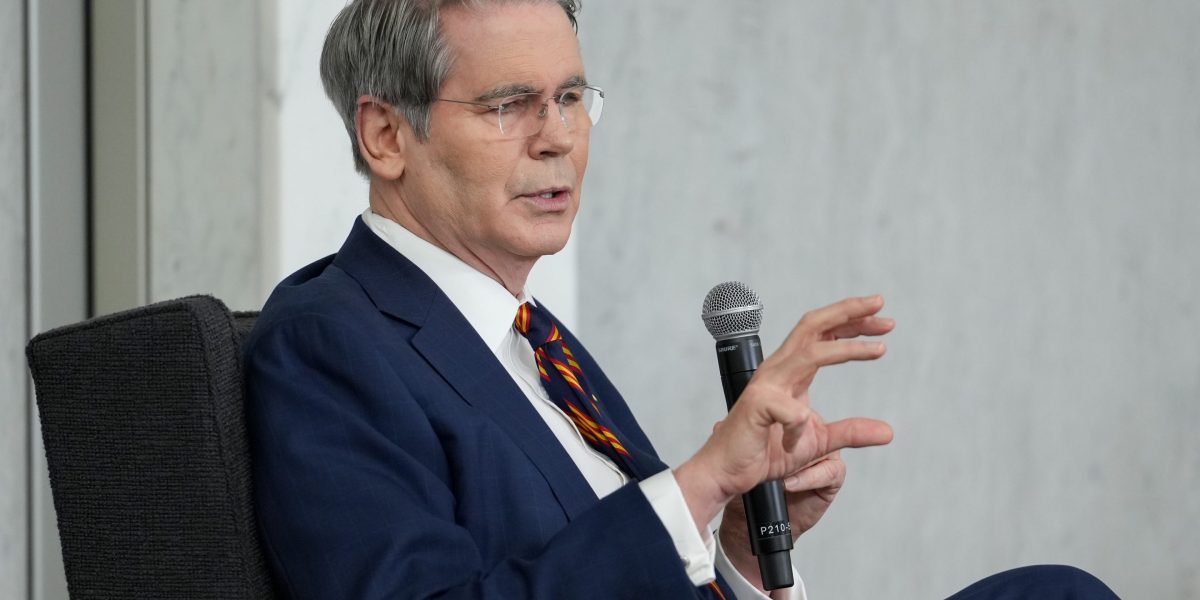
In the wake of ruthless arrests of journalists Don Lemon and Georgia Fort in Minneapolis, one Harvard political scientist is arguing something many of us have suspected for a long time: the US is moving away from its traditional democratic framework toward a fundamentally different system of governance. In an interview with the media industry publication Status, Harvard political scientist Steven Levitsky made the case that the Trump administration's assault on democratic norms has now become extreme, even by the standards of right-wing dictators.
Collating data from the World Bank and other sources in innovative ways, he argues that globalization in the late twentieth and early twenty-first century was accompanied by then-unprecedented growth of income in both previously poor populations (notably in China) and people at the top of the world's income distribution (especially those in the West). By contrast, relative shares of world income stagnated or were thought to have declined for wealthy nations' middle and working classes, including in the United States.
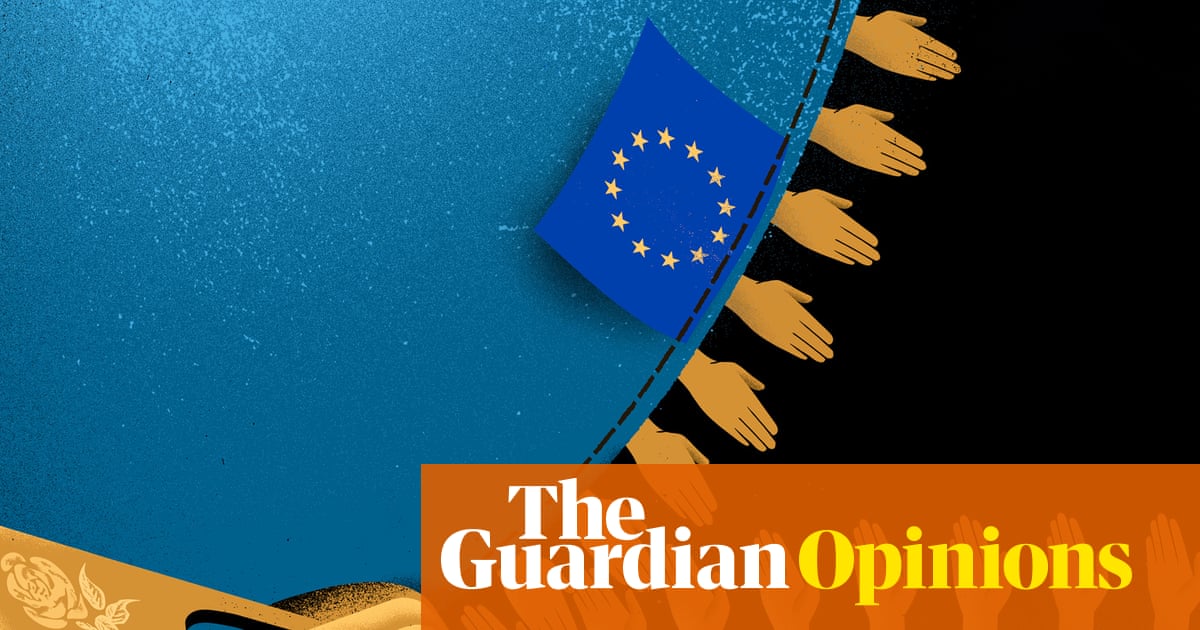
The Canadian prime minister, Mark Carney, inspired a wave of enthusiastic nodding among the cosmopolitan crowd gathered in Davos last month when he took to the podium and proclaimed that the world order underwritten by the United States, which prevailed in the west throughout the postwar era, was over. The organizing principle that emerged from the ashes of the second world war, that interdependence would promote world peace by knitting nations' interests together in a drive for common security and prosperity, no longer works.
After all his threats, and with military options under discussion in Washington, Donald Trump stepped back, announcing that the killing [of protesters] has stopped. Despite the telecommunications blackout, it seems clear that a ruthless regime has shed still more blood than in previous protest crackdowns. Rights groups say that thousands have been killed and vast numbers arrested; one official spoke of 2,000 deaths. Witnesses compared the streets to a war zone.
Even though some White House policies are popular, policy is but one leg of the three-legged stool of political leadership. Rhetoric also matters. So, too, does implementation, especially at the executive level. Without its full complement of limbs, this three-legged stool is prone to tip over and shatter. Communication about public policy is as important as the public policy itself, Jeffrey Brauer, a political scientist at Keystone College, near Scranton, Pennsylvania, told me.