#data-centres
#data-centres
[ follow ]



London startup
fromLondon Business News | Londonlovesbusiness.com
2 weeks agoLondon's data centre surge is creating a capacity squeeze for businesses across the capital - London Business News | Londonlovesbusiness.com
London's data centre market is expanding rapidly due to rising demand, but securing timely access to infrastructure is becoming increasingly challenging for businesses.




fromwww.cbc.ca
2 months agoAI, data centre companies will have to compete for electricity in B.C. | CBC News
The competitive bid process, which launched Friday, will allow B.C. Hydro to manage the grid appropriately when it comes to the fast growing high-load sectors including AI and data centres, according to Energy Minister Adrian Dix at a news conference Friday. Charlotte Mitha, B.C. Hydro's president and CEO, said that without a structured process, the power utility could easily be overwhelmed by power-intensive requests from AI and data centres.
Canada news




fromwww.standard.co.uk
3 months agoThe bitter battle over the future of Truman Brewery
London has rapidly emerged as Europe's data centre capital, much to the Government's delight, but locations close to the City, where some of the UK's biggest data users are based, are rare and much prized. That is because, when it comes to financial trading in the 21st century, milliseconds matter. The shorter the physical distance between trader and data centre, the faster instructions can be processed, creating a minute but crucial competitive advantage.
Real estate
fromBusiness Matters
3 months agoFormer Trump adviser Dina Powell McCormick joins Meta in senior AI strategy role
Meta has appointed former Trump administration adviser Dina Powell McCormick to a newly created senior leadership role, underlining the tech giant's determination to accelerate its push into artificial intelligence infrastructure. The owner of Facebook, Instagram and WhatsApp said Powell McCormick will join the company as president and vice chairman, with a remit spanning global strategy, government engagement and capital partnerships, with a particular focus on funding and scaling Meta's vast AI ambitions.
Tech industry



fromwww.bbc.com
4 months agoNew homes delayed by 'energy-hungry' data centres
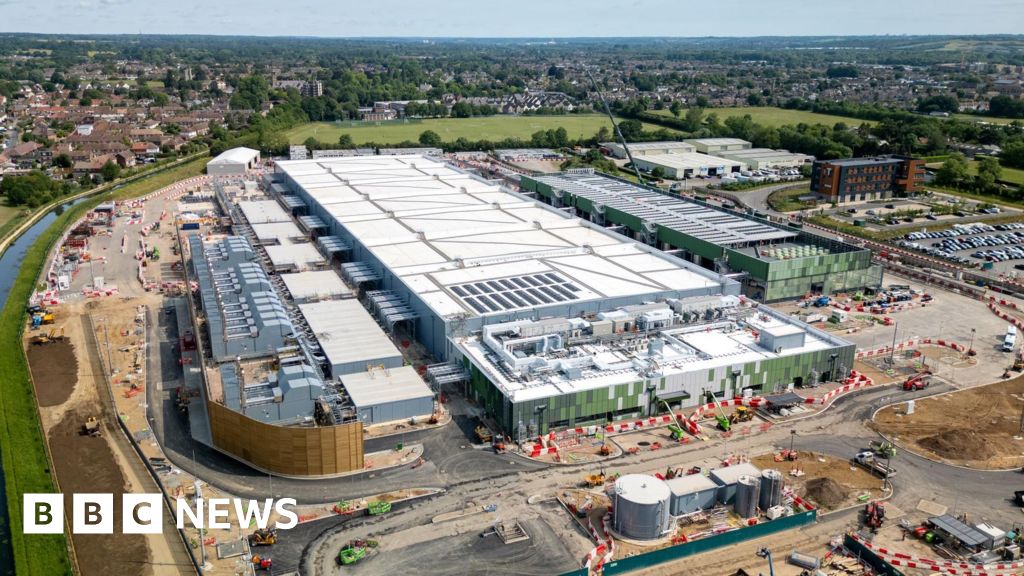
The rapid growth of "energy-hungry" data centres is delaying new homes in London, just as its housing crisis is "at its worst", a new report has warned. Data centres are giant warehouses full of powerful computers used to run digital services, such as streaming and artificial intelligence. However, they require masses of electricity from the National Grid to keep running.
Environment
London politics
fromwww.standard.co.uk
4 months ago'Power hungry' data centres making London housing crisis worse by delaying new homes
Rapidly expanding, energy-intensive data centres are straining London's electricity grid, threatening housing connections and requiring urgent coordinated planning for power and development.
Miscellaneous
fromBusiness Matters
4 months agoScotland's Critical Infrastructure is Evolving, But Who's Closing the Skills Gap?
Scotland's rapid digital and life-science infrastructure growth is undermined by a widening skills gap that threatens operational resilience and requires urgent workforce investment.
Artificial intelligence
fromBusiness Matters
5 months agoCarbon3.ai to invest 1bn in UK's first fully sovereign AI infrastructure network
Carbon3.ai will invest £1 billion to build the UK's first nationwide network of sovereign, sustainable AI-ready data centres under full UK ownership and control.
fromwww.bbc.com
5 months agoData centre in the shed reduces energy bills to 40
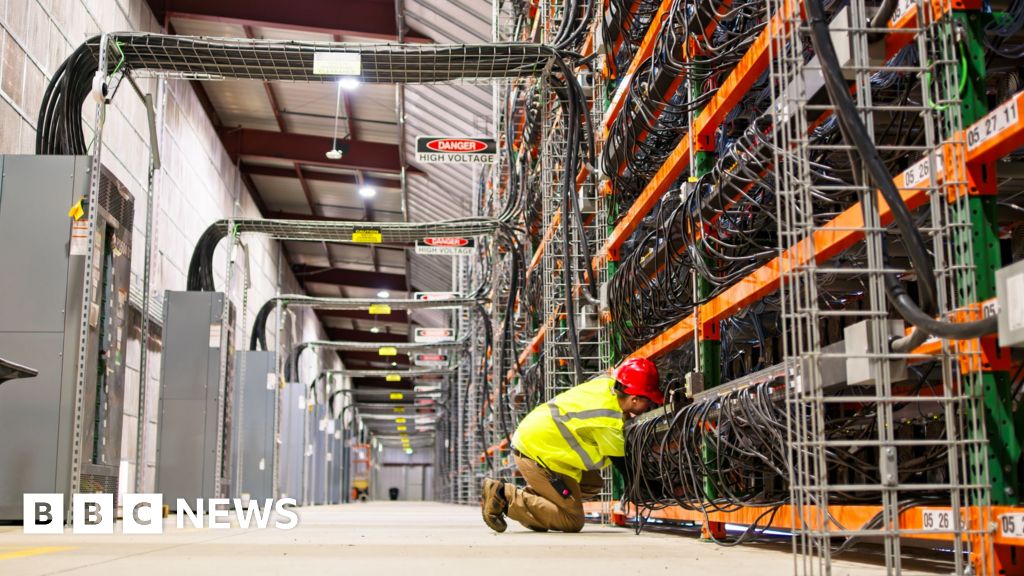
An Essex couple have become the first people in the country to trial a scheme that sees them heat their home using a data centre in their garden shed. Terrence and Lesley Bridges have seen their energy bills drop dramatically, from 375 a month down to as low as 40, since they swapped their gas boiler for a HeatHub a small data centre containing more than 500 computers. Data centres are banks of computers which carry out digital tasks.
Environment
fromTheregister
7 months agoUS tech giants pledge $42B in UK investment as Trump visits
"This Tech Prosperity Deal marks a generational step change in our relationship with the US, shaping the futures of millions of people on both sides of the Atlantic," he said in a statement. "By teaming-up with world-class companies from both the UK and US, we're laying the foundations for a future where together we are world leaders in the technology of tomorrow, creating highly skilled jobs, putting more money in people's pockets and ensuring this partnership benefits every corner of the United Kingdom."
World news
fromwww.theguardian.com
7 months agoNick Clegg: US-UK tech deal is sloppy seconds from Silicon Valley'
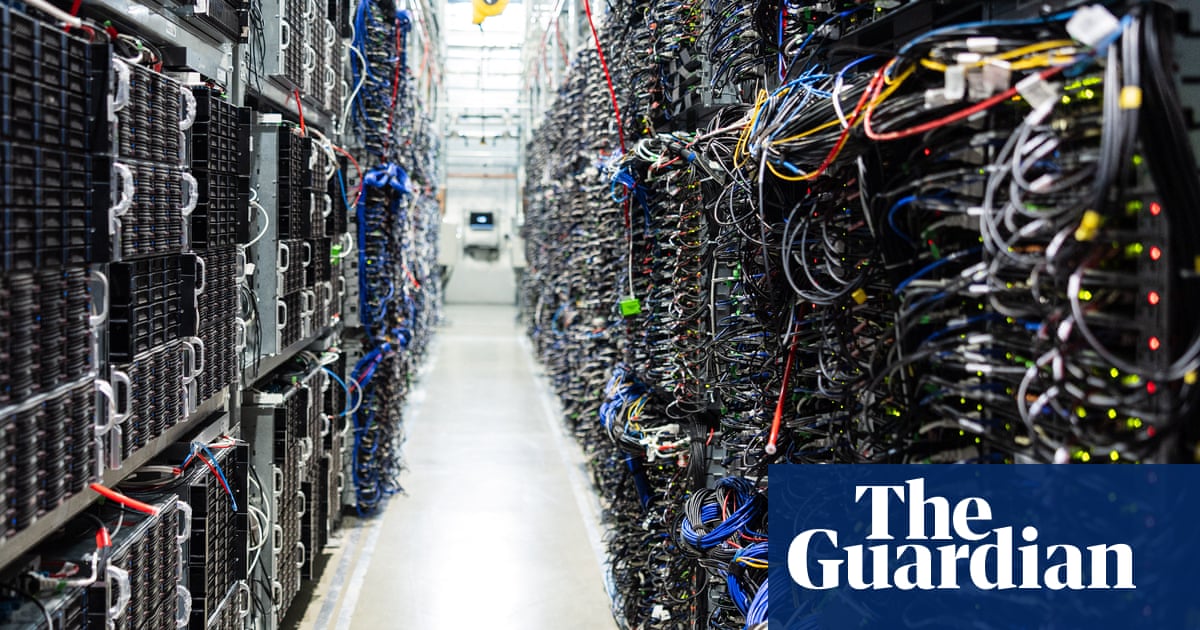
These companies need those infrastructure resources anyway, he said. They're building datacentres all over the world. Maybe they were pushed a bit forward just to meet the timetable with this week's state visit. But it's all one-way traffic. We're a kind of vassal state technologically, we really are. The moment our companies, our tech companies, start developing any scale or ambition, they have to go to California, because we don't have the growth capital here.
Miscellaneous

fromIrish Independent
9 months ago'Enough is enough' - households being forced to subsidise the costs of data centres, says Sinn Fein MEP
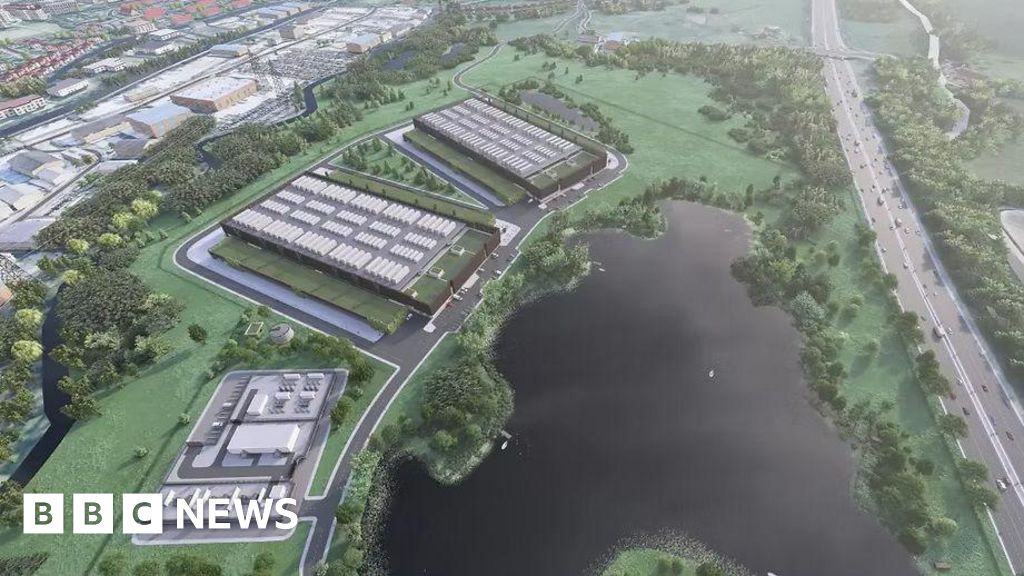
The Commission for the Regulation of Utilities has decided to increase electricity network charges for households while reducing the charges for large users, such as data centres.
Miscellaneous
[ Load more ]