#dating-in-china
#dating-in-china
[ follow ]
#dating-apps #relationships #online-dating #technology #dating #communication #lgbtq #ai #loneliness #compatibility
fromwww.theguardian.com
17 hours agoBeyond the UK and US manosphere lies a deeper, darker global problem
Watching men revel in degrading women and manipulating young men is disturbing, but our cultural obsession with high-profile influencers distracts from a deeper global problem of misogyny.
Women in technology







#friendship-apps

Online Community Development
fromTechCrunch
1 month agoAs people look for ways to make new friends, here are the apps promising to help | TechCrunch
Friendship-focused apps have emerged as a solution to rising loneliness, generating $16 million in U.S. consumer spending with 4.3 million downloads in 2025.







fromBusiness Insider
1 month agoCyber pets, blind dates, and stock trading: How Chinese users are jumping on the OpenClaw craze
Chinese users rushed to install OpenClaw on their devices, even forming long lines outside Tencent's headquarters in Shenzhen and Baidu's headquarters in Beijing to get engineers to help install the AI agent. Others paid strangers online to set it up for them.
Artificial intelligence
fromTheregister
1 month agoBot harasses woman, led away by cops
According to the clip, the woman shouted in Cantonese: "You're making my heart race! You've got plenty to do, so what's the point of messing around with this? Are you freaking crazy?" The Unitree Robotics G-1 then appeared to do a "raise the roof" motion with both arms while she continued to shout.
Toronto startup

Digital life
fromBusiness Insider
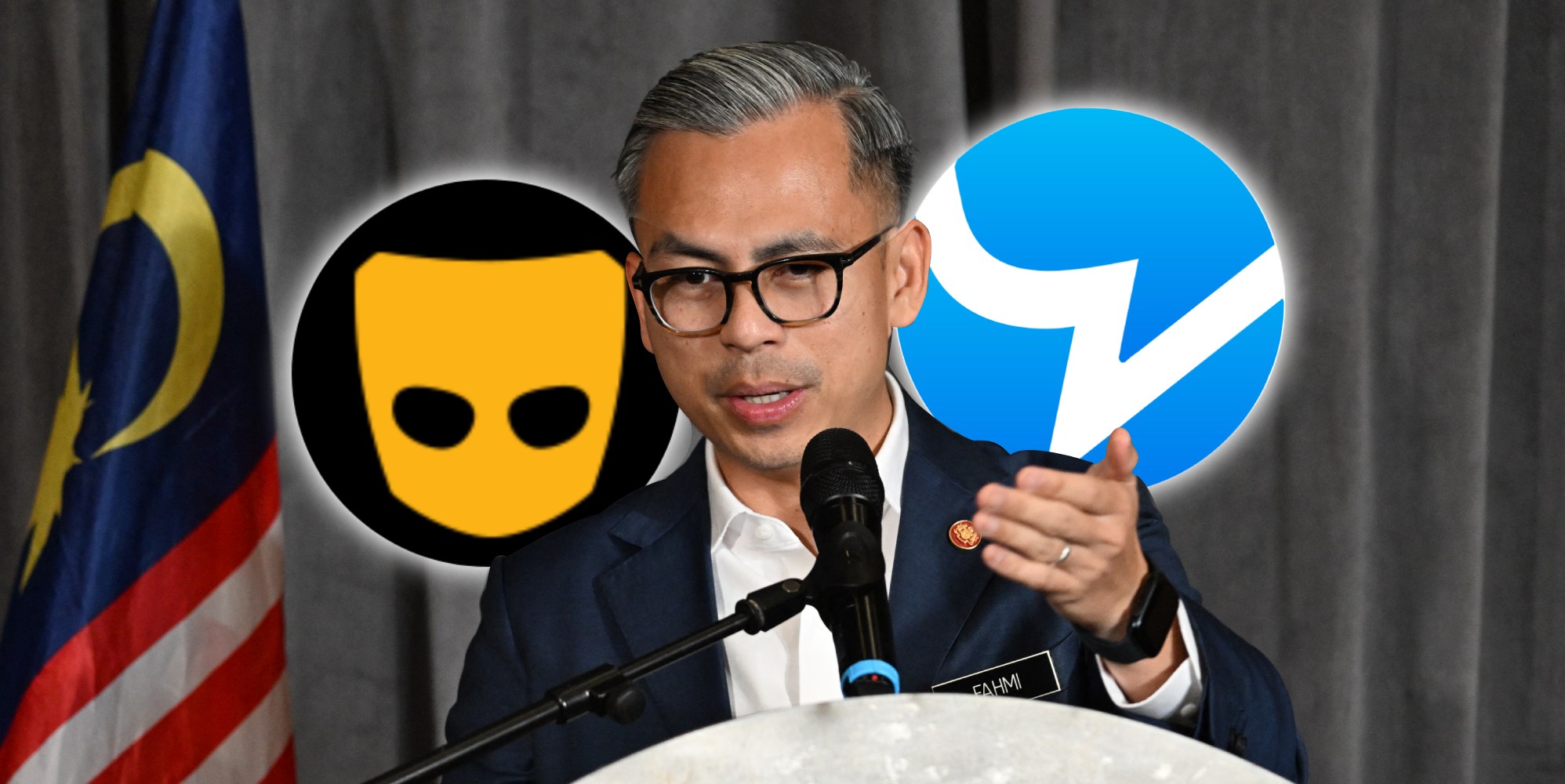
1 month agoTinder wants you to meet people offline. Its CEO tells us it's responding to 'changing consumer tastes.'
Tinder is launching new 2026 features including astrology matching, AI photo enhancements, and in-person Events to combat swipe fatigue and attract users frustrated with online dating.


Tech industry
fromFortune
2 months agoChinese platforms like Xiaohongshu look to Southeast Asia as the U.S. applies more scrutiny | Fortune
Chinese tech platforms are expanding into Southeast Asia to avoid Western regulatory scrutiny while leveraging local markets for growth in e-commerce, AI, and social media.
Psychology
fromSilicon Canals
2 months agoPeople who say they "don't have a type" actually have the most predictable patterns in dating - Silicon Canals
Many people repeatedly choose partners with similar personality traits and behavioral patterns, even when they believe each relationship is different.
Social media marketing
fromThe Drum
2 months agoShe Power: Harnessing the unstoppable spending power of female Chinese consumers
Chinese women drive consumer spending, controlling three-quarters of household purchases; targeted digital social media femvertising unlocks major returns for brands in fashion, beauty, health.
Social media marketing
fromBusiness Insider
1 month agoAmerica, China sees your Chinamaxxing. It's drawing laughs, national pride, and some eye rolls.
Americans are adopting "Chinamaxxing" on TikTok, performing Chinese cultural practices like boiling apples and practicing tai chi, while Chinese social media users express mixed reactions ranging from pride to discomfort about the trend.


fromwww.theguardian.com
2 months agoChoremancing: is this the best way to date or the death of romance?
And ever since the dating app Plenty of Fish included it as a trend in its annual report last year, it appears to have kicked off in a big way. People are going on dates at the gym. They're going on gardening dates. They're even turning the weekly shop into a date. This is so depressing. Where's the romance? That's
Relationships


fromHuffPost
2 months agoAre You 'Monkey Branching'? Here's What To Know About The Toxic Habit.
"Monkey branching is when a person stays in their current relationship, even though they know they want to leave, in order to line up their next partner," said clinical psychologist Sabrina Romanoff. The idea is that by monkey branching (or "monkey barring"), you can avoid having to be alone after a relationship ends. There's no real "break" after the breakup, as you've already formed romantic interest in someone else.
Relationships
Relationships
fromSlate Magazine
2 months agoI Always Used to Love Hearing About My Single Friends' Sex Romps. Something Has Changed.
Sex jealousy stems from comparing a committed relationship to others' sexual experiences and can be eased by increasing intimacy, introducing novelty, or finding external excitement.
fromPsychology Today
2 months agoThree Roads Diverged in Romantic Life
Profound love is about the desire to live with a partner who can thrive in a mutual relationship. Sometimes, life wins out over love, and one partner may say, "I will always love you, but we cannot flourish together." Profound love isn't always synonymous with long-term love; some couples divorce despite deep affection. The heart of enduring love is the capacity to bring out the best in each other.
Relationships
Relationships
fromFast Company
1 month agoTinder says Gen Z still believes in true love-they just want a soft launch first (exclusive)
Gen Z maintains strong belief in true love and marriage at higher rates than older generations, but pursues relationships through smaller commitments and online interactions rather than traditional milestones.
[ Load more ]