#deer-reintroduction
#deer-reintroduction
[ follow ]
fromSFGATE
4 days agoSomeone may have deliberately caused Calif.'s multimillion-dollar nutria problem
Genetic sequencing has revealed that the state's nutria populations are most genetically similar to populations in Oregon, suggesting that California's current nutria invasion was the result of intentional reintroduction.
Agriculture
fromwww.theguardian.com
4 weeks agoCan scientists really resurrect the dodo? Inside the company that says they can
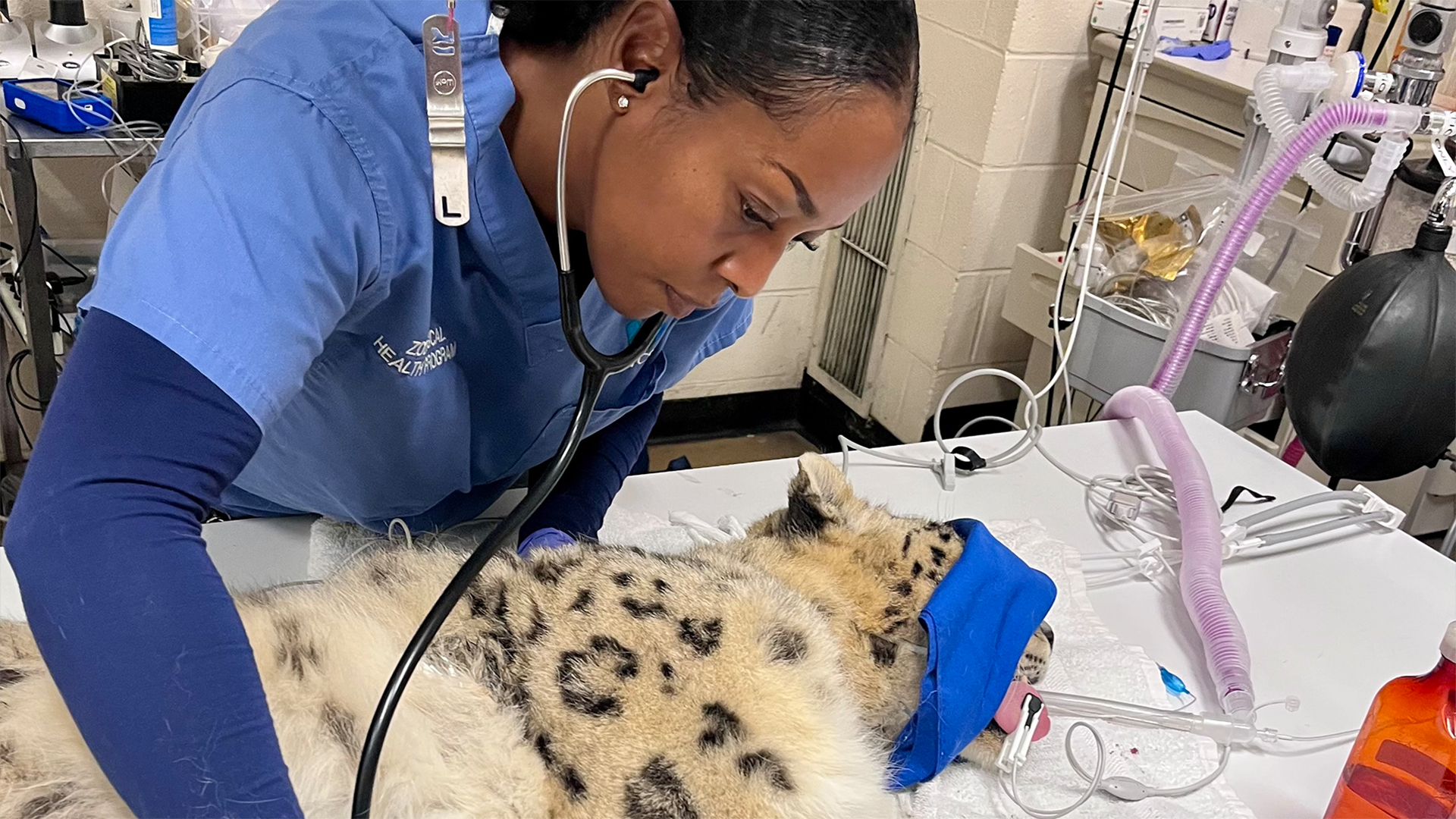
Colossal Biosciences, valued at $10.2bn after raising hundreds of millions of dollars in funding from investors including celebrities spanning from Tiger Woods to Paris Hilton, has provoked a stampede of acclaim as well as denunciation after announcing last year it had made the dire wolf, a species lost from the world for more than 10,000 years, de-extinct via the birth of three new pups.
OMG science


Agriculture
fromdesignboom | architecture & design magazine
3 weeks agourban rewilding in practice: restoring london's heathland for humans, sheep, and ecology
Sheep grazing is proposed to regenerate urban heathland ecology, creating a continuous ecological corridor that supports both human and non-human systems.
Chicago Bears
fromCalifornia Post
1 month agoDeadly apex predator being mulled for release in California after 100-year absence
California lawmakers are considering reintroducing grizzly bears through Senate Bill 1305, which would require a scientific assessment and consultation with Native American tribes about restoring the species extinct in the state for over a century.
fromHigh Country News
1 month agoCoyotes and cougars and rats, oh my! - High Country News
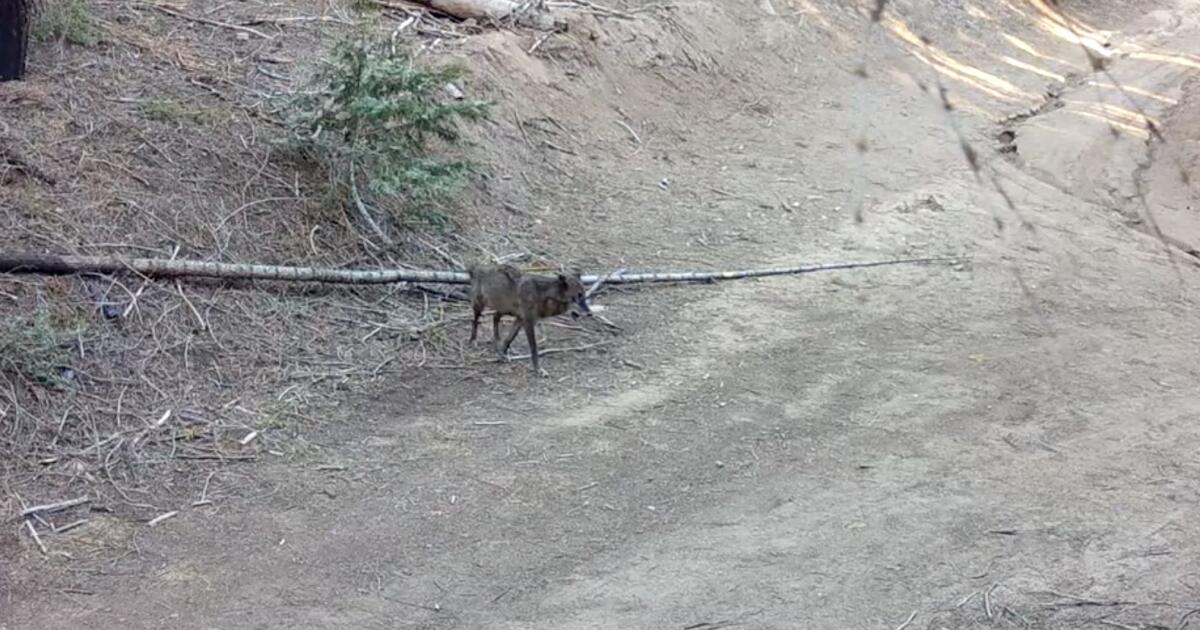
An unnamed tourist saw it and told Aidan Moore, who works for Alcatraz City Cruises. Moore told SFGATE that he was initially skeptical, but the guest's iPhone footage left little room for doubt. The video shows, not a sea lion or an otter, but an actual Canis latrans, doggedly dogpaddling, then clambering out of the water, noticeably shaky and struggling to settle tired paws on the craggy rocks.
California
Agriculture
fromRealagriculture
4 weeks agoDucks Unlimited contributing 467 acres to Manitoba beef and forage research farm
Ducks Unlimited Canada contributes 467 acres to Manitoba Beef and Forage Initiatives, expanding the Brookdale Research Farm by 42 percent to advance beef production and grassland management research.
Chicago Bears
fromHigh Country News
1 month agoCan Alaska save caribou by killing bears? - High Country News
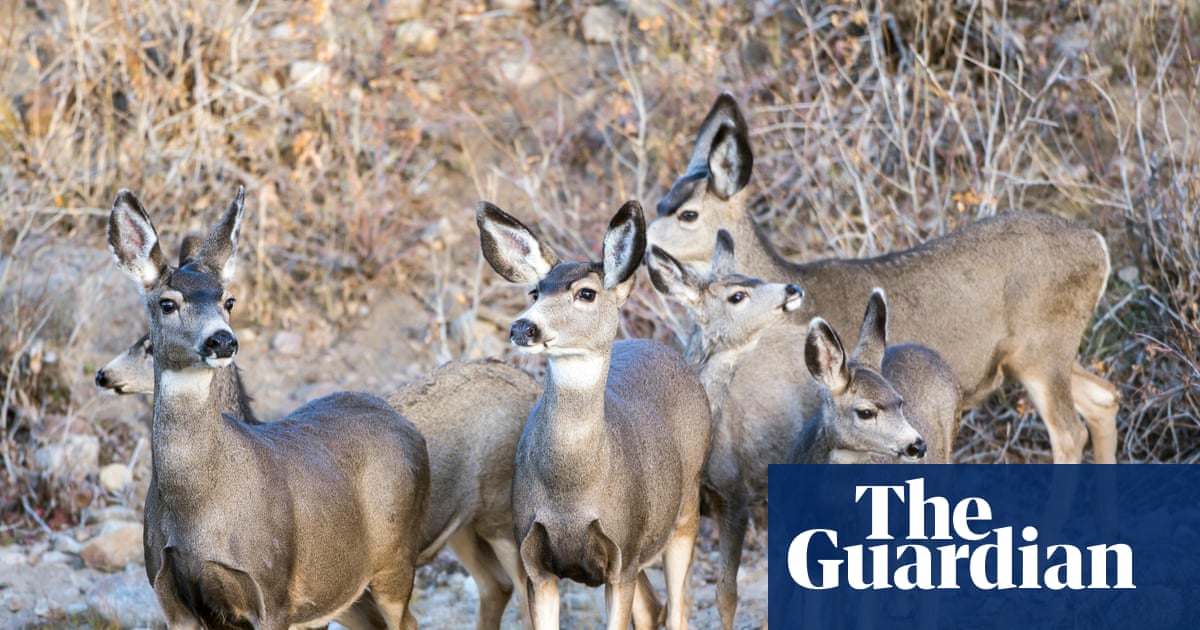
Alaska's Mulchatna caribou herd has collapsed from 200,000 animals in the 1990s to 12,000 in 2022, devastating Indigenous subsistence hunting and prompting controversial wildlife management interventions including hunting bans and aerial predator culling.

fromwww.cbc.ca
2 months agoMinistry of Natural Resources investigates deer shot dead by arrow in Toronto cemetery | CBC News
A member of the public reported the discovery of an antlered white-tailed deer's body to police on Jan. 1 in Park Lawn Cemetery. Officers located a dead deer with an arrow coming out of its body, said Toronto police in an emailed statement, adding there is no suspect description at this time. Ministry conservation officers were notified of the incident and have taken over the investigation.
Toronto
fromwww.scientificamerican.com
2 months agoHow zoos are preparing animals for this weekend's massive winter storm
In Texas, the Houston Zoo has prepared its buildings and barns with heaters designed to withstand extreme conditions, the zoo said in a blog post on Friday. Animals will have access to extra hay and bedding, and food was stocked in advance. Across the Zoo, sensitive plants are being protected with coverings, and generators are positioned to provide backup power if needed, the blog post said.
US news
fromwww.scientificamerican.com
1 month agoThe surprising science behind why daylight saving time is good for wildlife
Animals' risk of becoming roadkill depends on several factors, including how many vehicles are on the road, how many animals are on the road, and how animals and human drivers behave, explains Tom Langen, a professor of biology at Clarkson University, who studies animal-vehicle collisions. DST can minimize these collisions, however.
Pets
Environment
fromwww.theguardian.com
1 month agoLynx could return to Scotland but can rewilders win over wary Highlanders?
Scottish wildlife charities are pursuing a six-year effort to reintroduce lynx to Scottish forests, with 61% public support, while conducting extensive consultations with farmers and stakeholders to address livelihood concerns and build acceptance for the apex predator's return.

fromArs Technica
2 months agoBringing the "functionally extinct" American chestnut back from the dead
The work suggested that resistance arises from a relatively large number of sites, each with relatively minor effects. For example, the sites in the genome identified by quantitative trait analysis typically boosted resistance by about 10 points on the researchers' 100-point scale. In the genome-wide analysis, 17 individual genetic differences were associated with about a quarter of the heritable resistance traits.
Agriculture
fromThe Atlantic
1 month agoHow Many Wolves Is Enough?
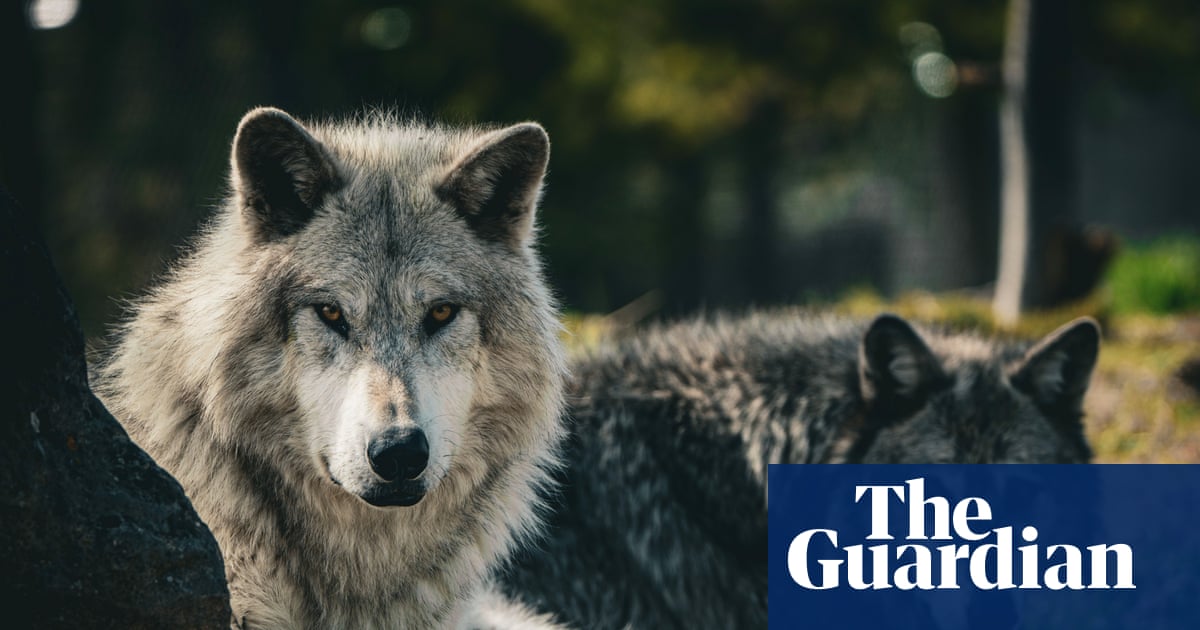
The wolves arrived in May of last year, just days after Paul Roen had driven his cattle back up to their summer pasture in Northern California's Sierra Valley. He started finding the bleeding bodies of calves-some still alive, so badly paralyzed that they'd need to be shot. After weeks of this, Roen finally saw a kill himself. "One wolf grabbed a cow and spun her around, while another grabbed a calf," he told me. "He tore it into three pieces in 30 seconds."
Environment
fromHigh Country News
1 month agoIt's time to rethink how we care for our public lands and waters - High Country News
Wildlife populations are in decline. Recreation sites are crowded and often underfunded. Wildfires are larger, more destructive and harder to control. Climate change is reshaping natural systems, from ocean fisheries to mountain snowpacks, faster than institutions can respond. At the same time, communities are being asked to host new energy projects, transmission lines and mineral development - often without clear processes, adequate resources or trust that decisions are being made in the public interest.
Environment
fromwww.theguardian.com
2 months agoExperience: a bear moved into my house
The next morning, I checked the critter-cams and saw the bear again, now captured by a camera I'd placed by a little mesh-covered opening near the small basement under my house. I watched as a massive shape emerged from the hole. My brain refused to believe it. The bear looked too large to fit in that tiny gap. I watched it again, shocked. My hands started to sweat.
Environment
fromwww.theguardian.com
2 months agoRare butterflies bounce back after landowners in Wales cut back on flailing hedges
Conservationists have now persuaded landowners to cut hedges in a more gentle rotation, with sections left uncut for up to three years, to enable more eggs to survive over winter. The caterpillars emerge with the foliage in spring and hatch into adult butterflies in July. The brown hairstreak is difficult to spot as a butterfly but every winter volunteers assess its populations by counting its minuscule cream-coloured eggs, which with careful searching are visible on the bare branches of blackthorn.
Environment
fromHigh Country News
2 months agoThe nation's trails are disappearing - High Country News
Many of them were built for purposes that no longer exist - cattle drives, mining prospecting, early U.S. Forest Service fire patrols - while others were packed by the footprints of the Chumash people well before the colonization of North America. Sections of trail cling to steep slopes that seem to barely resist gravity, shedding soil and stone with each winter storm.
Environment
fromwww.mercurynews.com
2 months agoFrom death trap to lifeline: Coyote Valley's plan for wildlife crossings
From Highway 101 to Monterey Road, traffic in Silicon Valley has become deadly for wildlife trying to move between the Santa Cruz Mountains and the Diablo Range. Now, a major project is underway to connect preserved open spaces in the South Bay and reduce dangerous crashes for drivers. Monterey Road is a death trap, said Fraser Shilling, a researcher at UC Davis who studies how wildlife interacts with roads.
Environment
[ Load more ]