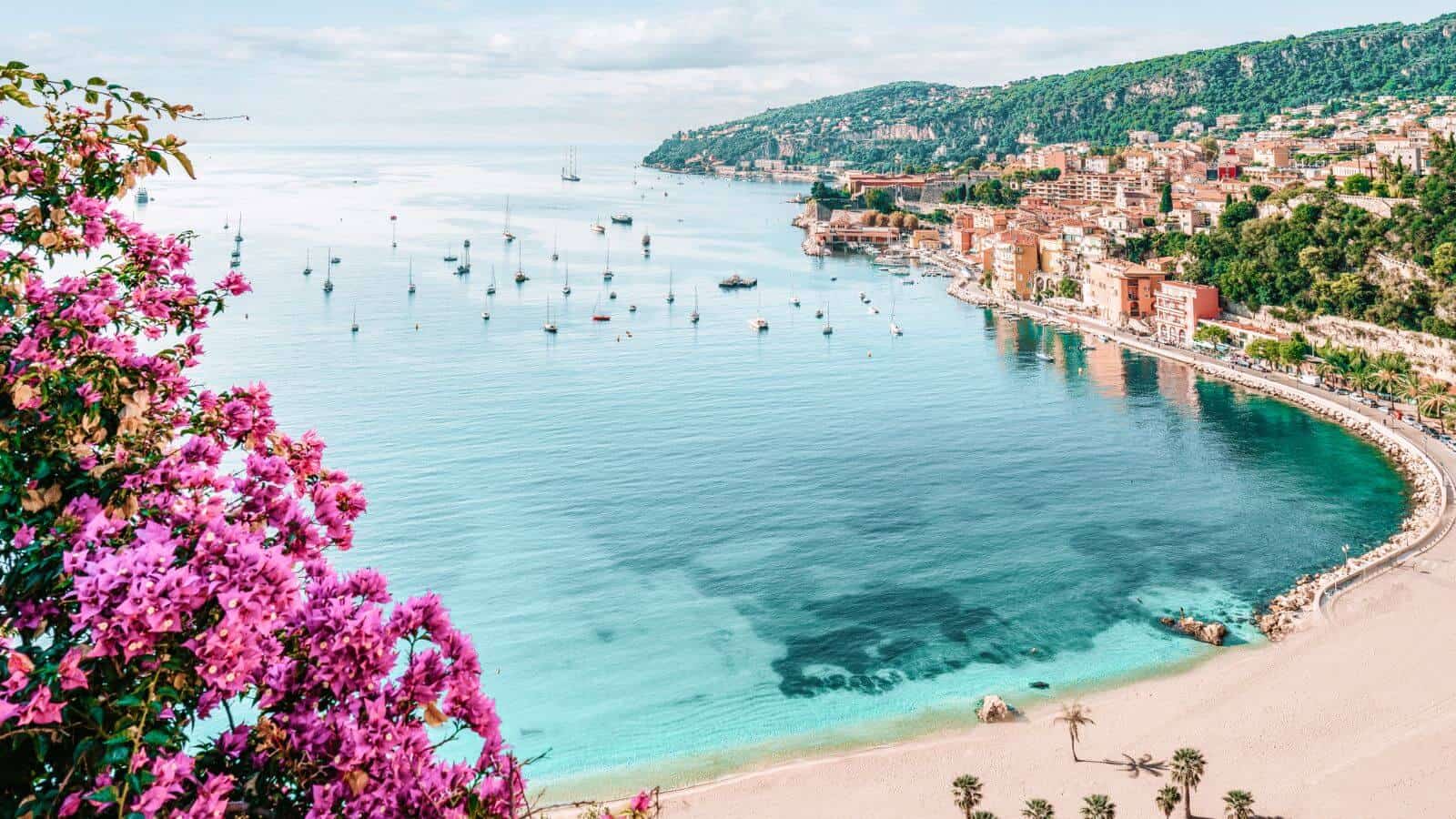
The celebrity clientele says a lot about how far this once-sleepy village has come. El Zonte first attracted local and international surfers in the 1990s, drawn to the consistent waves and tight knit community. (The town was largely spared from lingering violence of a civil war between the military and left-leaning guerrillas that ended in 1992.) And despite El Salvador's struggling economy-the country, which is about the size of New Jersey, has one of the highest poverty rates in Latin America-
The Amsterdam-based neobank Bunq has reapplied for a U.S. banking charter, two years after withdrawing its previous attempt. The Dutch digital bank, a competitor of the U.K.-based fintech in Europe, announced on Wednesday that it formally filed for a U.S. de novo banking license with the Office of the Comptroller of the Currency. Bunq, a subscription-based service that allows users to manage multiple international accounts and currencies in one application, is aiming to reach European "digital nomads" residing in the United States.
At first, it sounds almost too simple like someone claiming they've solved European immigration with nothing more than a calendar and a backpack. But this little pattern, when used intentionally and legally, becomes one of the most elegant travel strategies in the world. It lets you stay in Europe far longer than any tourist visa seems to allow, all without breaking rules, overstaying, or navigating complicated immigration systems.
It's the Workcation Visa loophole, a gray zone hidden within Europe's short-stay visa framework. It's not an official document, but a subtle legal workaround that allows remote professionals to live and work in Europe for months without technically working in Europe. It's the kind of thing travel consultants whisper about, expats use quietly, and immigration lawyers don't exactly advertise. Here's how it works and why European governments aren't eager to promote it.
Before you ever enjoy your first croissant, you'll likely find yourself trapped in a bureaucratic labyrinth. Europe's charm - the centuries-old systems, the beautiful order - also applies to paperwork. Every form must be printed, stamped, signed (sometimes in triplicate), and often translated by an officially certified translator. Registering your address? You'll need your lease, a tax number, health insurance proof, and - depending on the country - a "proof of integration" course.
One of the first modern coworking spaces, C-Base in Berlin, was launched 30 years ago by a group of computer engineers as a "hacker space" in which to share their tech and techniques. Similarly, many of the people we first encountered in our anthropological research into the emerging world of digital nomadism in the mid-2010s were hackers and computer coders.
Lloret has a reputation as a loud, chaotic summer party town. So not exactly the peaceful, inspirational place most digital nomads dream about. But visiting outside high season, which is when the retreats are organized, is an entirely different story. The beaches empty out, the town slows down, and the mix of locals, long-term residents, and off-season explorers creates a surprisingly warm atmosphere.
In Colombia, travelers who intend to work remotely for a foreign company can apply for a Visa V Digital Nomads program. To apply, travelers must have a valid passport, have either a letter from their employer or a motivational letter explaining their entrepreneurial project, have a bank statement showing at least three months of wages, and have a health insurance plan that is valid in the country.
The trend of working remotely as a digital nomad continues to grow across the United States as more and more people try to escape the daily grind of office life. As such, millions of digital nomads in the United States are now looking for somewhere new and exciting to work. You've come to the right place if you're one of those people.
Traveling is one of the most rewarding experiences in life, but it comes with its share of risks-especially when it comes to your health. Whether you're backpacking through Southeast Asia, road-tripping across Europe, or taking a luxury cruise, unexpected medical issues can turn an amazing trip into a nightmare. That's where travel health insurance steps in-offering peace of mind and financial protection when you're far from home.
Cheap residency options in Latin America make the region a top choice for expats seeking an affordable and adventurous lifestyle. The continent offers a variety of residency pathways, making it ideal for retirees, remote workers, and property investors. Imagine living in Mexico's cultural hubs, enjoying Colombia's low cost of living, or experiencing the natural beauty of Costa Rica-all while benefiting from accessible residency programs. These countries combine affordable living costs with stunning scenery and welcoming communities.
Everyone yearns for a good work-life balance, and some people love the idea of exploring a little more of the world while working remotely. Some countries are set up for both-offering accessible digital nomad visas and great infrastructure, ranking highly in several recent expert reports across both categories. What's more, these five countries-Australia, Canada, Denmark, Finland, and Norway-have also recently topped the best places to travel in 2026 lists. Here's why.
The DH4300 Plus tackles some of these issues with a simple solution: own your data and access it anywhere. By storing everything locally and connecting through secure remote access, travellers can back up their photos, videos, and documents without surrendering control or paying ongoing fees. UGREEN claims the savings over typical cloud plans can reach around $720 per year, but cost isn't the only benefit. The system keeps data within the user's possession, protected by enterprise-level encryption and two-factor authentication.