#dinosaur-sculpture
#dinosaur-sculpture
[ follow ]
#paleontology #dinosaur-auction #miniaturization #claude #california-academy-of-sciences #foskeia-pelendonum
fromFOX 5 New York
3 weeks agoNYC says goodbye to Dinosaur, the High Line's 17-foot-tall pigeon statue
The community held a farewell party for Dinosaur, complete with pigeon-themed trivia, pigeon bingo, live music, and family activities. The statue's creator, Iván Argote, was even in attendance signing exclusive prints of what has become one of the most iconic birds in the city.
NYC LGBT
Arts
fromThe Art Newspaper - International art news and events
2 weeks agoOne of Donatello's most important bronze statues is being restored: should it ever be shown outdoors again?
Donatello's Gattamelata statue is undergoing restoration and its future location remains uncertain after being moved indoors due to corrosion.
fromwww.amny.com
1 month agoWhat to know about For the Win' exhibit coming to the American Museum of Natural History | amNewYork
For the Win brings together an extraordinary collection of objects that commemorate the defining moment of victory in sports, meticulously crafted from spectacular gems and minerals, and explores how athletics can resonate far beyond the field of play, Museum President Sean M. Decatur said.
Golden State Warriors
Roam Research
fromYanko Design - Modern Industrial Design News
1 month agoSomeone Built a True-Scale LEGO Velociraptor Skeleton and I Can't Wait To Buy One - Yanko Design
Jurassic Park depicted velociraptors based on the larger Deinonychus, while real Velociraptor mongoliensis was dog-sized; a LEGO Ideas submission builds the first 1:1 scale dinosaur skeleton model at actual animal dimensions.


Independent films
fromwww.theguardian.com
1 month agoThe Dinosaurs review Morgan Freeman's narration is so soothing, you could use this as a relaxation aid
Dinosaur documentaries increasingly rely on familiar narrative tropes and visual effects that have become clichéd, combining predictable animal behavior patterns with sensationalized predator encounters.
London
fromBusiness Matters
1 month ago5 Hidden Details at Jurassic World Exhibition Bangkok Every Fan Must Discover
The Jurassic World Exhibition in Bangkok offers immersive dinosaur experiences through realistic animatronics, detailed settings, and interactive elements that reward careful observation of design details.
fromArs Technica
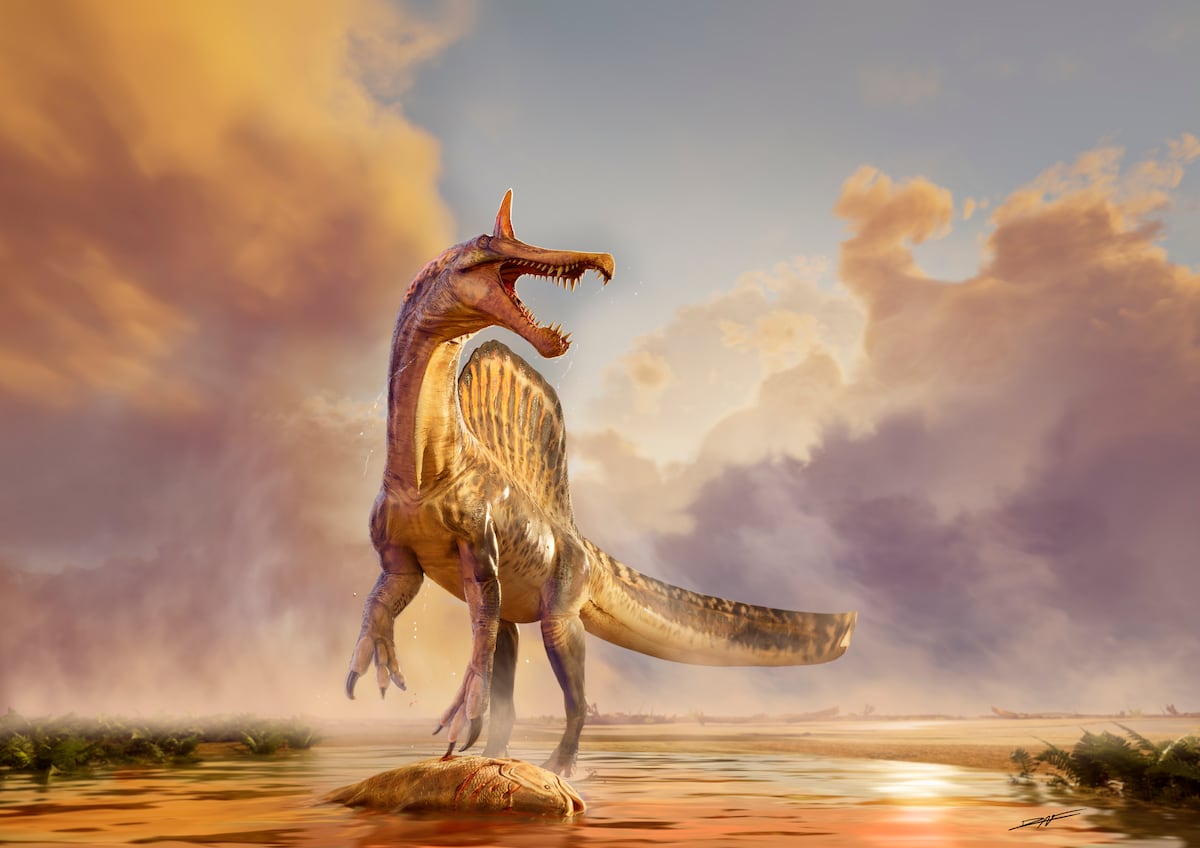
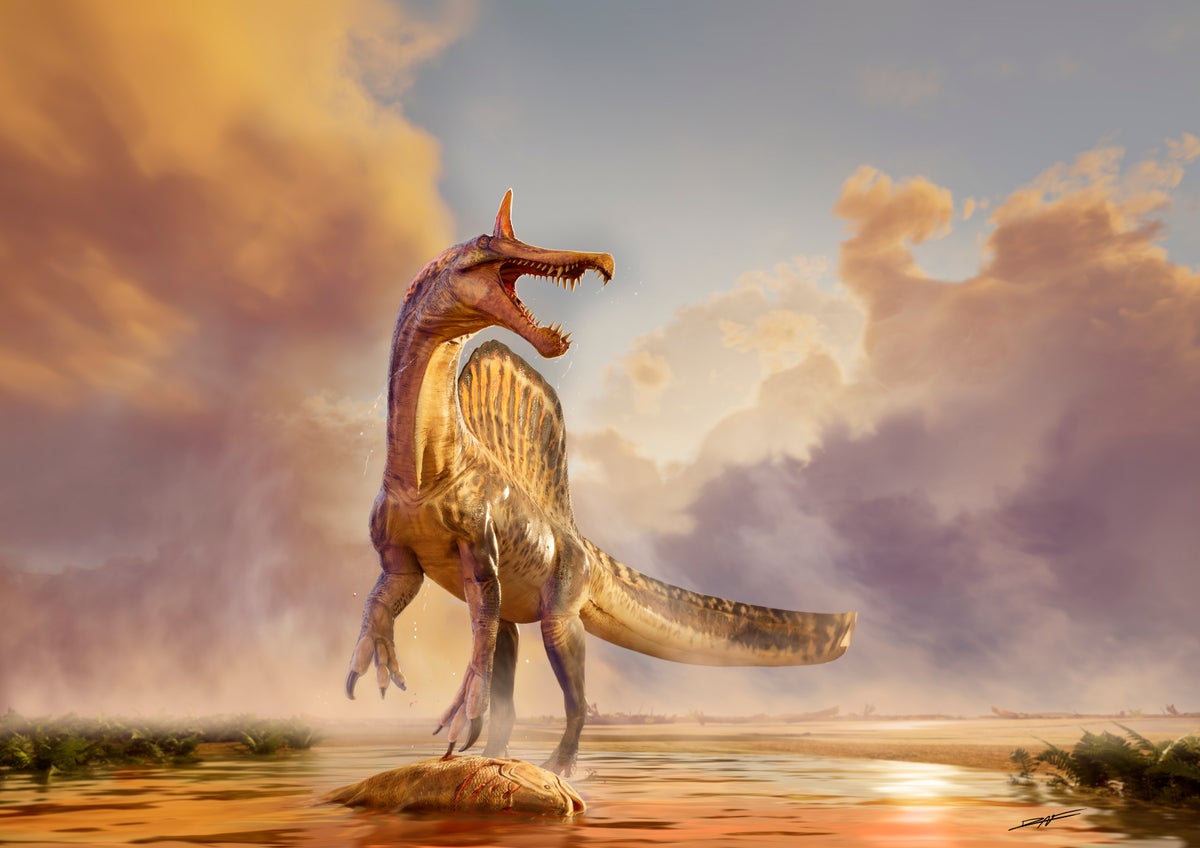
1 month agoA unicorn-like Spinosaurus found in the Sahara
The Spinosaurus is a sail-backed, crocodile-snouted dinosaur that Hollywood depicted as a giant terrestrial predator capable of taking down a T. rex in Jurassic Park 3. Then they changed their mind and made it a fully aquatic diver in Jurassic World Rebirth—a rendering that was more in line with the latest paleontological knowledge. But now, deep in the Sahara Desert, a team of researchers led by Paul C. Sereno discovered new Spinosaurus fossils suggesting both scientists and filmmakers might have got it all wrong again.
Science
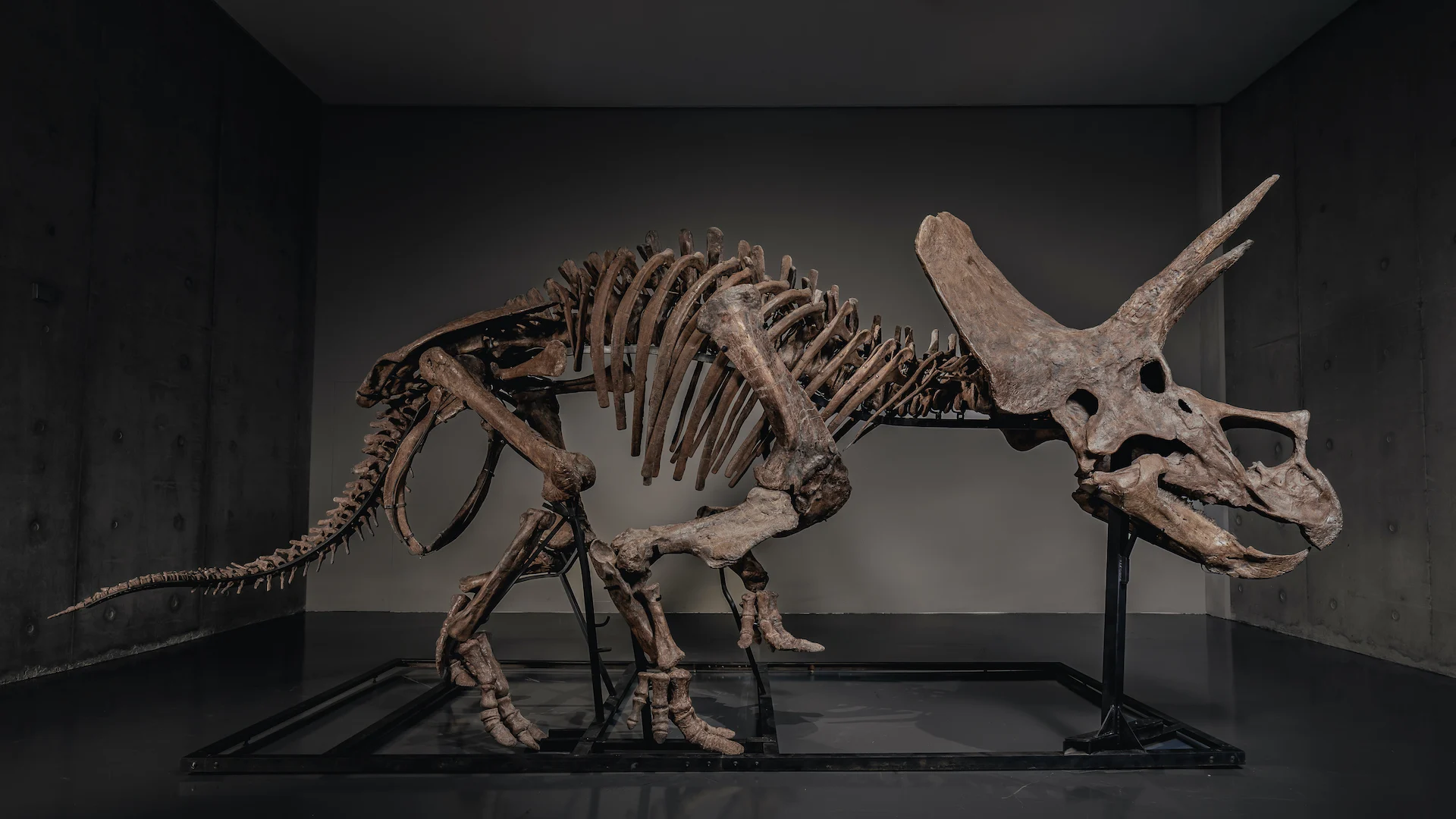

fromAeon
2 months agoThere's a gentle artistry to a museum taxidermist's craft | Aeon Videos
This short captures Tim Bovard, the staff taxidermist for the Natural History Museum of Los Angeles County, as he reflects on over five decades spent perfecting his craft. Sparked by a childhood fascination with the museum's dioramas that never faded, Bovard has devoted his career to shaping what he calls the 'illusion of life' - a process that requires both scientific precision and imaginative interpretation.
Philosophy
fromNew York Family
1 year ago2026 Dinosaur Museum NYC Guide: Best Exhibits & Activities Near You
The AMNH has one of the biggest dinosaur halls and exhibits-and they're iconic for a reason! The nearly complete Stegosaurus skeleton nicknamed Apex (one of the most complete ever discovered) has been on display and continues to draw crowds with its massive plates and spikes.
Science

fromThe Conversation
2 months agoSome companies claim they can 'resurrect' species. Does that make people more comfortable with extinction?
Less than a year ago, United States company Colossal Biosciences announced it had "resurrected" the dire wolf, a megafauna-hunting wolf species that had been extinct for 10,000 years. Within two days of Colossal's announcement, the Interior Secretary of the US, Doug Burgum, used the idea of resurrection to justify weakening environmental protection laws: "pick your favourite species and call up Colossal". His reasoning appeared to confirm critics' fears about de-extinction technology. If we can bring any species back, why protect them to begin with?
Philosophy
fromwww.scientificamerican.com
2 months agoFor predatory dinosaurs, the Late Jurassic was an all-you-can-eat sauropod buffet
Sauropodshumongous reptiles with a long neck and tail and thick, elephantlike legsplayed a starring role in the dinosaur ecosystem, according to a new study. These massive dinosaurs are the largest creatures to ever walk on land. But they also played a crucial part in the food chain, the study authors write, acting as ecosystem engineers. The research was published on Friday in the New Mexico Museum of Natural History and Science Bulletin.
Science
fromdesignboom | architecture & design magazine
1 month agoan inflatable rhinoceros occupies the medieval gallery of kunstmuseum magdeburg
The Rhinoceros in the Room, an inflatable installation by Itamar Gov, occupies the central volume of Kunstmuseum Magdeburg in Magdeburg, Germany with a single, overwhelming gesture. Installed inside the former monastery church that houses the museum, the project places a larger than life rhinoceros directly in the nave, its bulk stretching from aisle to aisle and rising toward the Romanesque vaults, so that the animal becomes the primary spatial condition of the building rather than an object within it.
Arts
Science
fromwww.scientificamerican.com
1 month agoThese jaw-dropping photographs show a new Triassic Park' of dinosaur prints in the Italian Alps
An exceptionally rich Triassic dinosaur tracksite with about 2,000 well-preserved prints was discovered on vertical rock faces in the Fraele Valley, Italian Alps.
Arts
fromThe Art Newspaper - International art news and events
2 months agoAcquisitions round-up: a 17ft sculpture by Anselm Kiefer, a $1.7m dinosaur skull, and a 17th-century genre painting
Major museums are acquiring and receiving significant contemporary artworks and rare paleontological specimens for public research and display.
Science
fromenglish.elpais.com
1 month agoA chicken-sized dinosaur related to T. rex debunks the hypothesis that its lineage shrank
A complete skeleton of Alnashetri cerropoliciensis, one of the smallest nonavian theropods ever recorded, was discovered in Argentina and published in Nature, revealing a chicken-sized carnivorous dinosaur from 95 million years ago.
Arts
fromThe Art Newspaper - International art news and events
2 months agoRediscovered Rubens and a woolly mammoth head star at Brafa fair in Brussels
Brafa's 71st edition expands to three halls with 147 exhibitors, attracting Flemish and French buyers and featuring painting and a rediscovered Rubens.
fromwww.nature.com
2 months agoPublisher Correction: Nanotyrannus and Tyrannosaurus coexisted at the close of the Cretaceous
Since the version of the article initially published, the copyright line has been amended to North Carolina Department of Natural and Cultural Resources and James Napoli, under exclusive licence to Springer Nature Limited in the HTML and PDF versions of the article.
fromArs Technica
1 month agoScientists hunting mammoth fossils found whales 400 km inland
At first glance, it looked like Wooller and his colleagues might have found evidence that mammoths lived in central Alaska just 2,000 years ago. But ancient DNA revealed that two "mammoth" bones actually belonged to a North Pacific right whale and a minke whale-which raised a whole new set of questions. The team's hunt for Alaska's last mammoth had turned into an epic case of mistaken identity, starring two whale species and a mid-century fossil hunter.
Science
fromBig Think
2 months agoThe dinosaur that vanished twice: How WWII nearly erased Spinosaurus from history
Dinosaur fever gripped the Western world during the early 1900s, fueled by the discovery of new, ever larger and more spectacular dinosaurs in Europe and especially in North America. Interest in these fossils was not merely driven by academic curiosity. Dinosaur skeletons and research had become a status symbol for museums and their financiers, whether government or private, and colonial powers turned to their areas of influence to find new remains.
Science
fromwww.scientificamerican.com
1 month agoSurprise spinosaurid found, Moderna flu shot back on, multidisease vaxx shows promise
In a sudden turn of events last Wednesday the U.S. Food and Drug Administration agreed to review Moderna's new mRNA flu vaccine, according to the company. The announcement came roughly a week after Moderna revealed that the FDA had rejected its application. The company said the agency originally called the plan for the vaccine's phase 3 trials acceptable, But its position changed after top FDA official Vinay Prasad overruled the agency's reviewers, according to STAT.
Science
fromwww.scientificamerican.com
1 month agoCould aliens in another galaxy see dinosaurs on Earth?
For example, reader David Erickson had this on his mind: If there were aliens 66 million light-years from Earth, how big a telescope would they need to see dinosaurs? Ha! I love this question. I've thought of it myself but never worked out the mathexcept to think, Probably pretty big, which turns out to dramatically underestimate the actual answer.
Science
[ Load more ]