#disability-media
#disability-media
[ follow ]
#accessibility #education #mental-health #lgbtq #disability-rights #autism #neurodiversity #diversity
#dyslexia
Film
fromMuse by Clios | Discover the latest creative marketing and advertising news. Muse by Clio is the premier news site covering creativity in advertising and beyond.
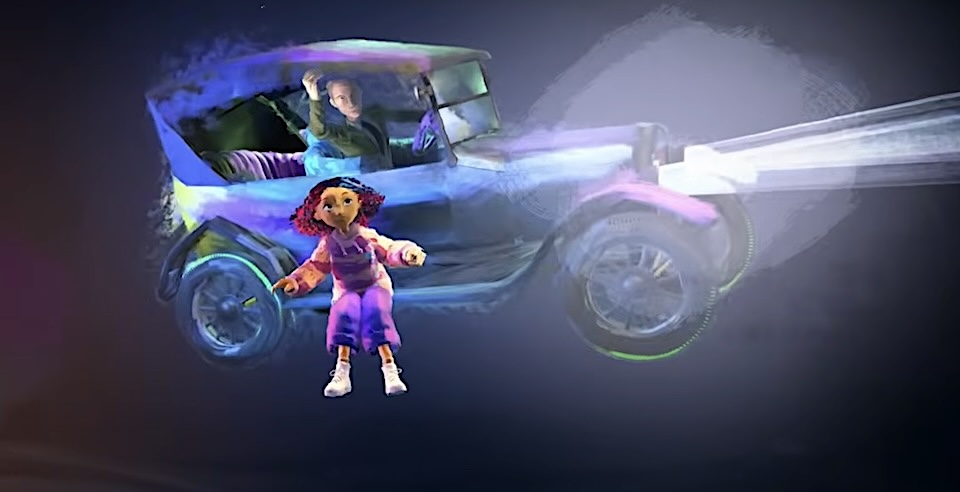
7 hours agoHijacking Search: The Story Behind 'What Is Dyslexia?' | Muse by Clios
Dyslexia is often misrepresented online, leading to hopelessness; a film titled 'What Is Dyslexia?' aims to change this narrative.



fromPsychology Today
11 hours agoAmerican Psychological Association's Actions Speak Louder Than Its Apology
CEMRRAT was established in 1994 after the APA designated ethnic minority education as a priority, with the goal of improving the recruitment and retention of ethnic minorities and addressing systemic barriers to their participation in psychology.
Social justice
#lgbtq





SF LGBT
fromSan Francisco Bay Times
3 days agoQueer Documentaries and Shorts Screening at the 2026 San Francisco International Film Festival - San Francisco Bay Times
The 2026 San Francisco International Film Festival features LGBTQ-themed films, including documentaries and shorts highlighting queer experiences and issues.
Running
fromwww.amny.com
2 days agoOp-ed | Remembering Bob Hall, a champion of the New York City Marathon and rights for disabled athletes | amNewYork
Bob Hall, a wheelchair marathon champion, fought against discrimination to compete in the New York City Marathon, highlighting the challenges faced by athletes with disabilities.
NYC LGBT
fromLGBTQ Nation
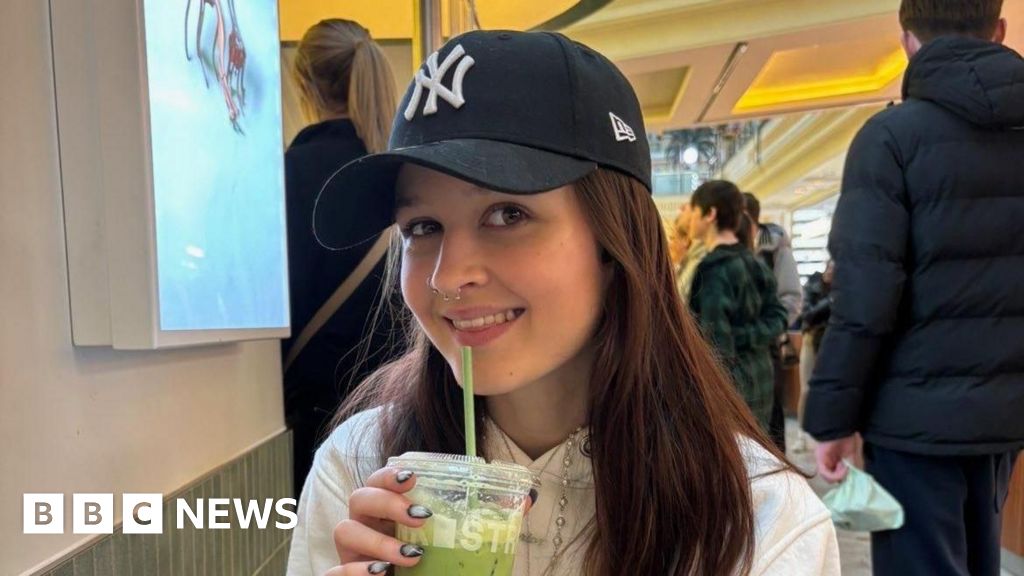
3 days agoActivists outraged over panel of anti-trans "experts" at major pediatric health conference - LGBTQ Nation
A pediatric healthcare conference panel on trans healthcare features speakers affiliated with an anti-trans hate group, raising concerns about the event's impact on pediatric care standards.
#disability-rights

LGBT
fromNonprofit Quarterly | Civic News. Empowering Nonprofits. Advancing Justice.
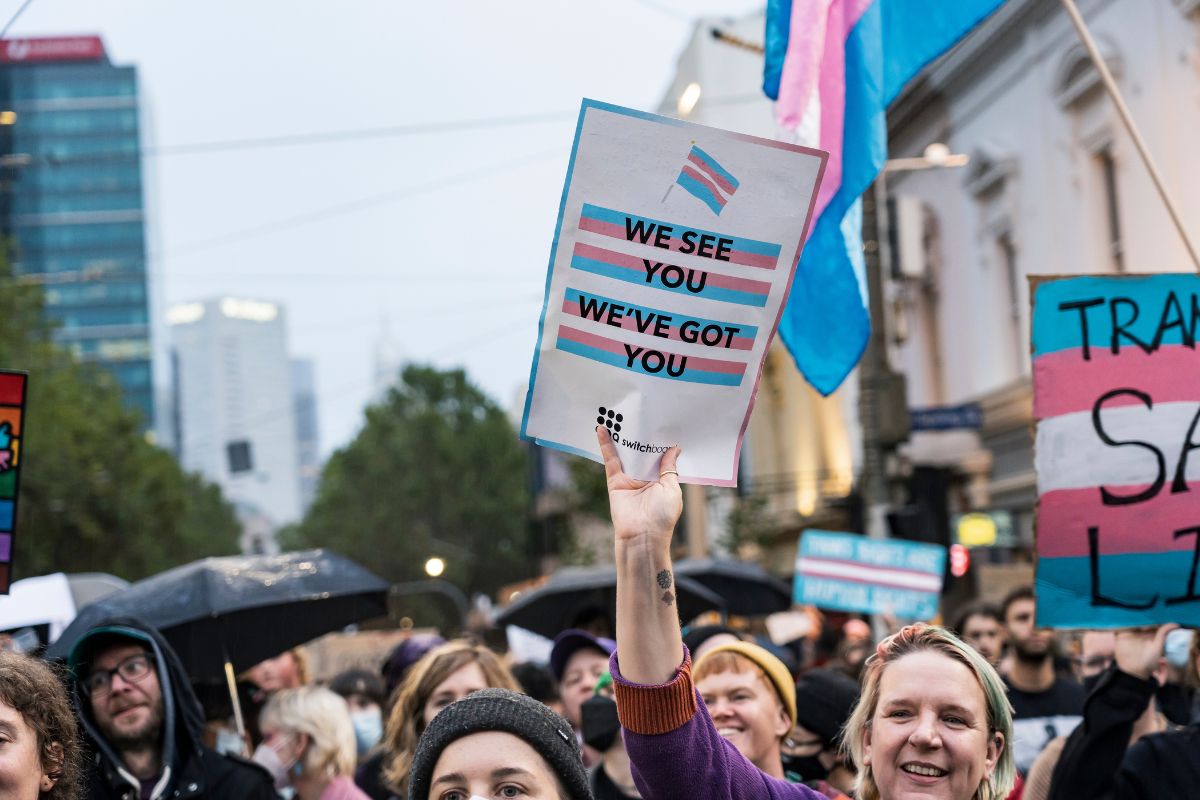
1 month agoDisability Groups Are Standing United for Trans Rights. That Hasn't Always Been the Case. | Nonprofit Quarterly | Civic News. Empowering Nonprofits. Advancing Justice.
Disability advocates and LGBTQ+ organizations now unite to secure federal civil rights protections for trans people, reversing a 1989 compromise that excluded them from disability law coverage.
fromAbove the Law
6 days agoWhy Your Story, Engagement, And Empathy Matter More Than Ever - Above the Law
Trust begins with realness. When lawyers share their story and the reason behind their work, clients see themselves reflected in that narrative. Clients are not simply hiring legal skill; they are looking for alignment, empathy, and shared values. Storytelling bridges that gap.
Online marketing
Agriculture
fromNonprofit Quarterly | Civic News. Empowering Nonprofits. Advancing Justice.
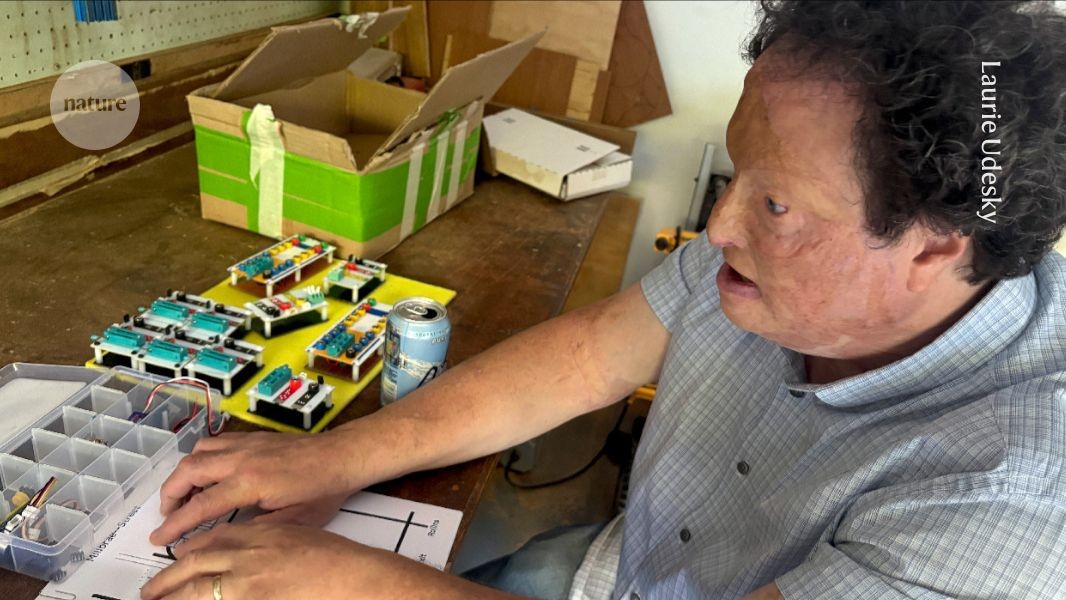
5 days agoA Vision of Food Justice, Collective Care, and Safety | Nonprofit Quarterly | Civic News. Empowering Nonprofits. Advancing Justice.
Food and medicine are interconnected, yet food policy often separates them, impacting access and equity in food justice.

fromwww.theguardian.com
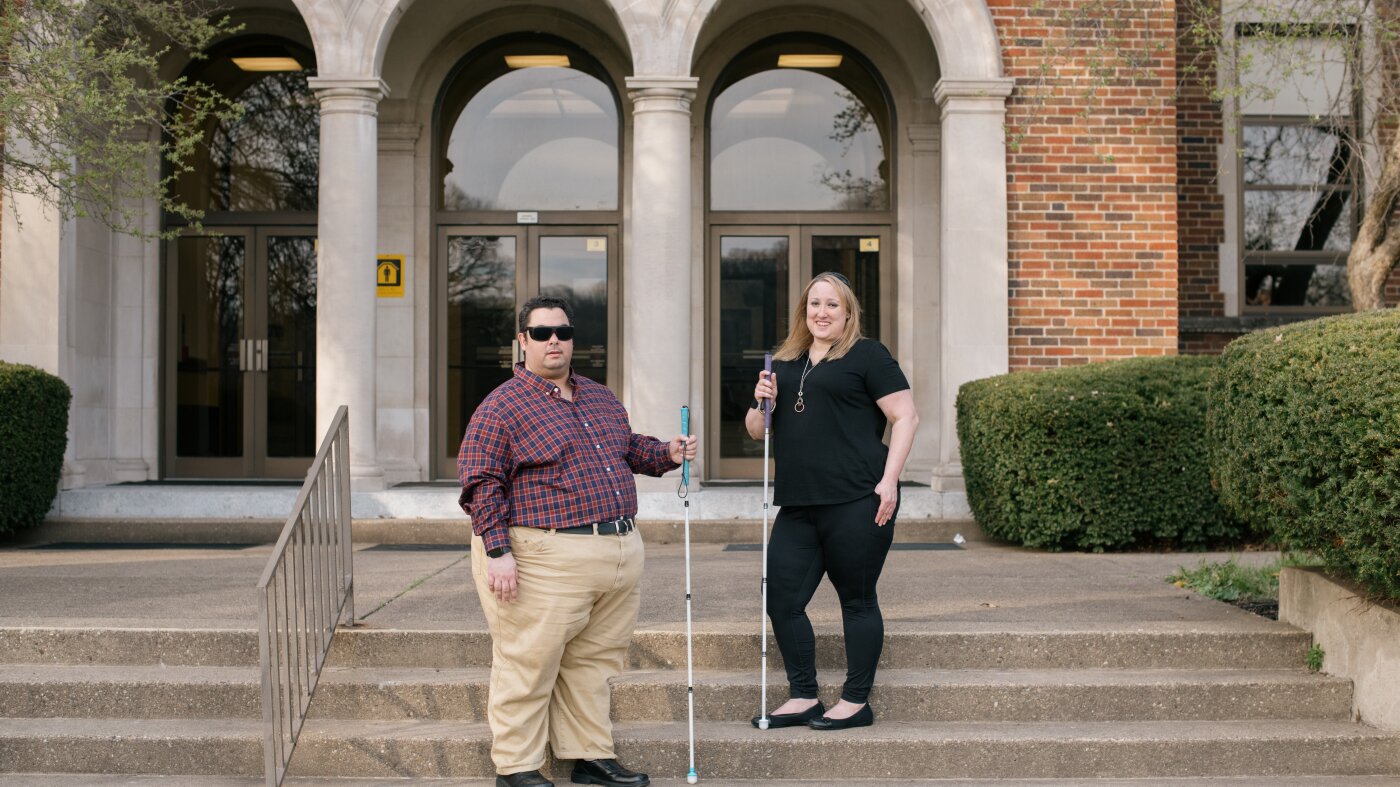
6 days agoMuslim kids are really underrepresented': the animated movie where medieval maths meets eager young minds
The children Abdullah, Aysha, Khalid and Layla stumble across a time-travel device in a lab, only to find themselves pursued by a rogue alchemist who has discovered its power.
Philosophy
fromwww.theguardian.com
3 days agoThey all survived Jeffrey Epstein. They have something to tell you
When I delivered my victim impact statement after Maxwell's sentencing, I nearly shouted. I talked about my emotional health, my physical health, how this derailed my life. I wanted to project my voice so that no one in that courtroom could ignore what I was saying.
Social justice
Social media marketing
fromBuffer: All-you-need social media toolkit for small businesses
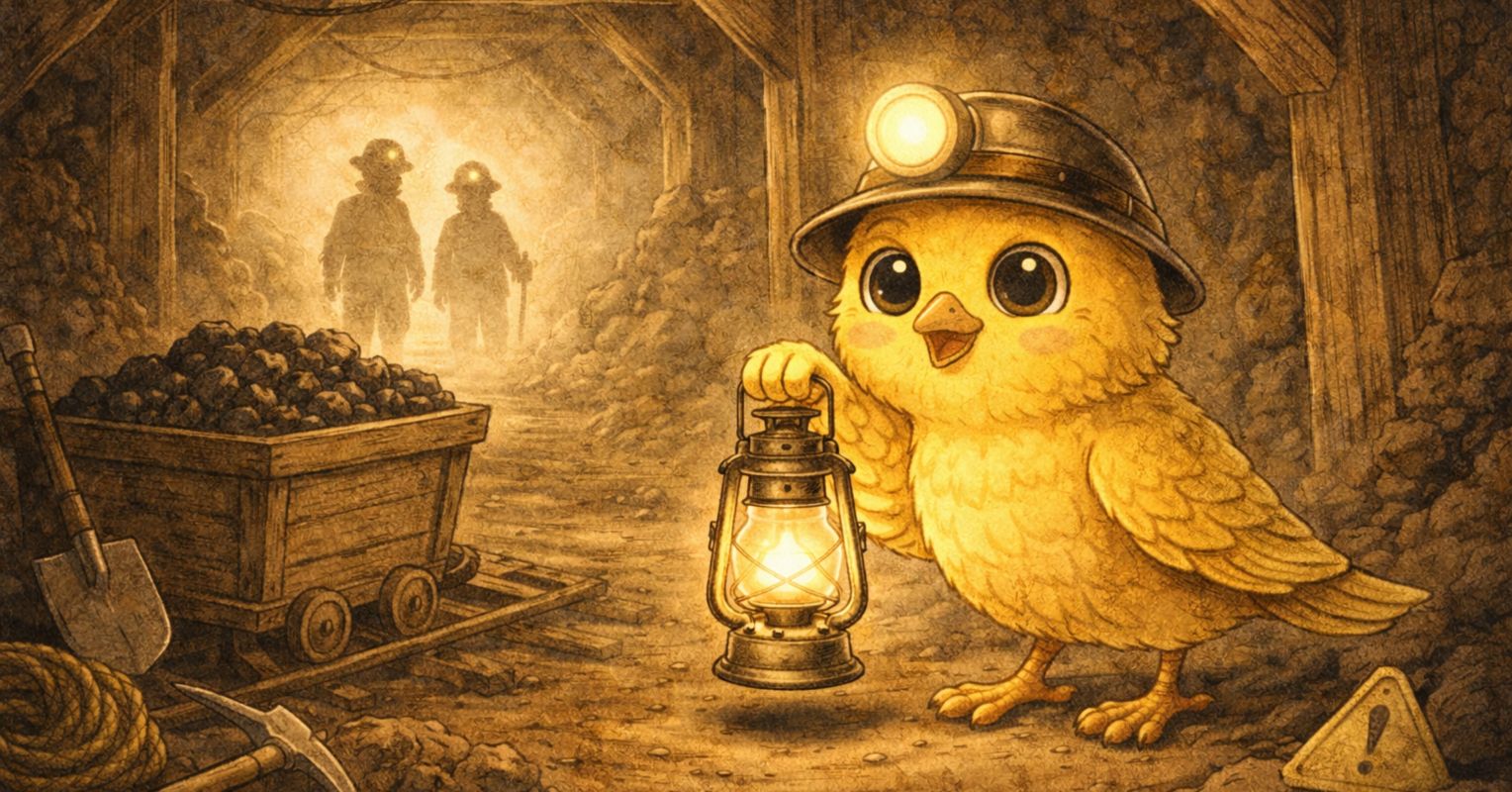
2 weeks agoYes, You Can Create Content: A Neurodivergent's Guide to Getting Started
Developing a personalized system for content creation can help neurodivergent individuals maintain consistency and overcome challenges associated with ADHD and autism.
Social justice
fromNonprofit Quarterly | Civic News. Empowering Nonprofits. Advancing Justice.
4 days agoHow Unity May Tear Us Apart | Nonprofit Quarterly | Civic News. Empowering Nonprofits. Advancing Justice.
Polarization is a top concern in the U.S., and the concept of unity varies significantly among people, potentially leading to harmful interpretations.
fromQueerty
1 week agoSpectacle or support? The complicated visibility of trans youth in film & TV - Queerty
Since the 1990s, a largely underground upwelling of trans creativity has helped new trans identities, communities, and political movements come together. Trans Cinema provides an entryway to the wildly diverse and creative cinema made by trans creators, including those who are BIPOC.
LGBT
Non-profit organizations
fromNonprofit Quarterly | Civic News. Empowering Nonprofits. Advancing Justice.
1 month agoDisability Inclusion Isn't "Special Needs"-It's Smart Philanthropy | Nonprofit Quarterly | Civic News. Empowering Nonprofits. Advancing Justice.
Cuts to special education oversight threaten funding and services for millions of children with disabilities, risking progress in disability inclusion.


Arts
fromHyperallergic
1 month agoMeet the Woman Who Made Museums More Accessible
Lorena Bradford, the National Gallery of Art's first head of Accessible Programs, transformed museum accessibility by creating intentional programs for disabled visitors, including ASL tours, memory loss programs, and medical student training initiatives.
Fundraising
fromNonprofit Quarterly | Civic News. Empowering Nonprofits. Advancing Justice.
2 months agoGiving Bigger, Organizing More Boldly: Centering Disability Justice | Nonprofit Quarterly | Civic News. Empowering Nonprofits. Advancing Justice.
Centering Disability Justice reveals marginalized edges hold deep lessons and requires investing wealth and inheritance into movement infrastructure for collective liberation.
fromPsychology Today
2 months agoThe Science of Belonging for People With IDD
Developmental disabilities are actually quite common. In the United States, about 1 in 6 children has a developmental disability (CDC, 2024). Intellectual and developmental disabilities (IDD) are a group of neurodevelopmental conditions usually present at birth that affect the trajectory of a person's physical, intellectual, and/or emotional development (National Institute of Child Health and Human Development, 2021). Conditions such as Down Syndrome, Autism, Fragile X, Cerebral Palsy, and others are examples of intellectual or developmental disabilities.
Public health
fromNonprofit Quarterly | Civic News. Empowering Nonprofits. Advancing Justice.
2 months agoWho Holds Narrative Authority? Reflections from "Reframing Resistance" | Nonprofit Quarterly | Civic News. Empowering Nonprofits. Advancing Justice.
In the environmental nonprofit sector, "centering frontline voices" has become a familiar slogan, often detached from how decisions are made or resources allocated. It appears in grant proposals, conference agendas, and organizational values statements. And yet, too often, those voices are still positioned as illustrative rather than authoritative-invited to animate strategies already decided, asked to translate lived experience into language legible to funders, or flattened into narratives that travel more easily than the truths they carry.
Environment
Arts
fromwww.theguardian.com
1 month agoDeaf rage and subversive scrawling: the show where disabled artists strike back
Disabled artists face systemic inaccessibility in the art world despite performative inclusion efforts, as demonstrated through an exhibition exploring these barriers and advocating for genuine structural change.
Film
fromLGBTQ Nation
2 months agoThese 10 essential movies about Black people with HIV will open your heart & mind - LGBTQ Nation
On-screen representation of people living with HIV remains extremely limited across platforms, with especially poor representation of Black people and few meaningful portrayals.
[ Load more ]