#durable-technology
#durable-technology
[ follow ]
#sustainability #3d-printing #circular-economy #environmental-impact #renewable-energy #innovation #recycling
#sustainability
Design
fromYanko Design - Modern Industrial Design News
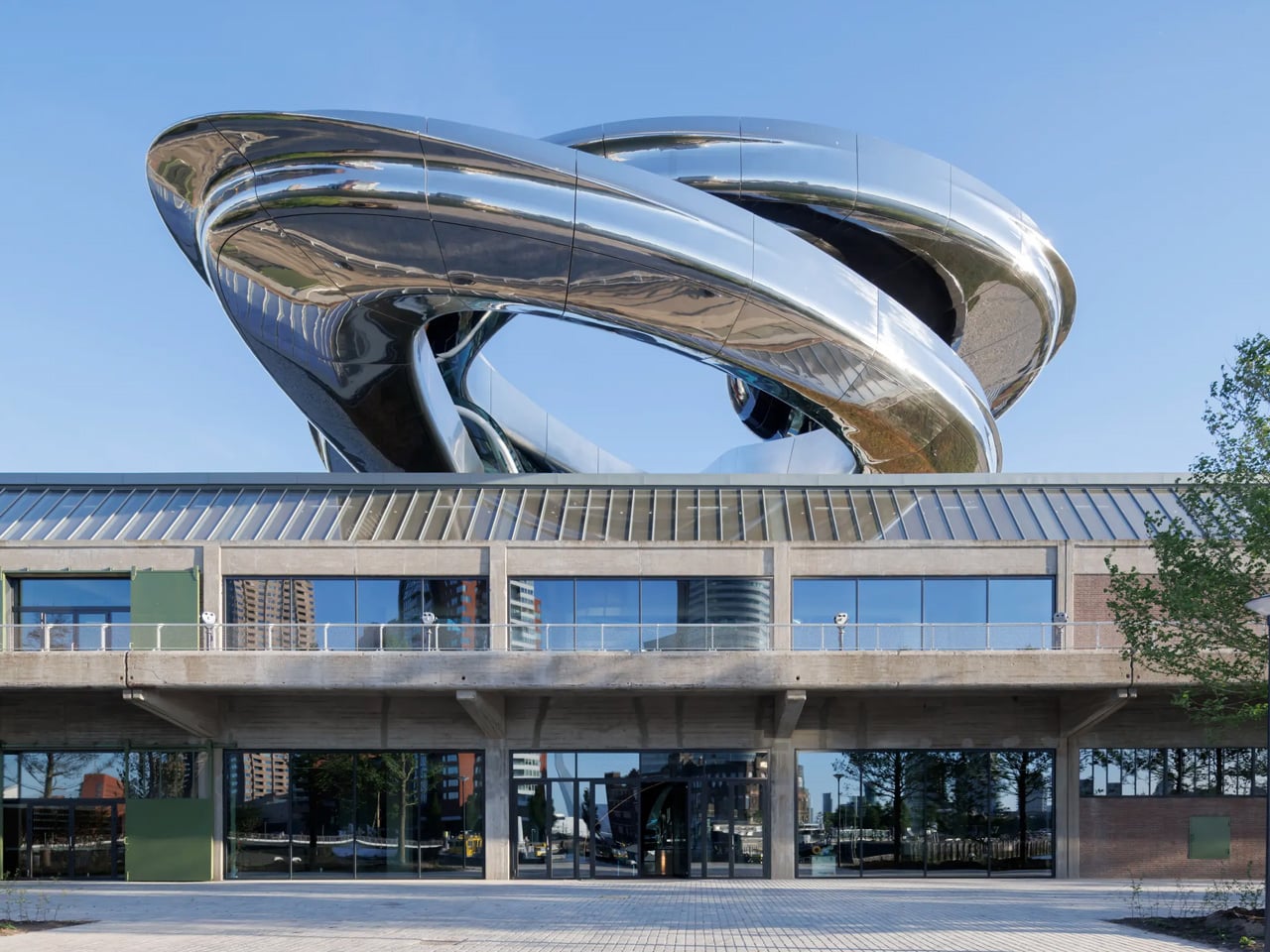
1 day agoEverything in 2026 Is Disposable - Here's 5 Sustainable Trends Are Designed to Last Centuries - Yanko Design
Sustainability in 2026 emphasizes permanence, focusing on materials that last and promote ecological responsibility through architectural endurance.
Europe news
fromLondon Business News | Londonlovesbusiness.com
18 hours agoCBAM, energy costs and efficiency: Why heat recovery is gaining importance in energy-intensive industry - London Business News | Londonlovesbusiness.com
European industry must focus on energy costs, emissions, and heat recovery to enhance efficiency and competitiveness.
#3d-printing
Graphic design
fromYanko Design - Modern Industrial Design News
5 days agoThis Resin 3D Printer Packs 14K Resolution and Auto-Tool Release, Giving You Sharper Prints Without The Mess - Yanko Design
YIDIMU's MagPro resin printer features a one-click auto-release mechanism, eliminating the need for scrapers and enhancing the printing experience.

Graphic design
fromYanko Design - Modern Industrial Design News
5 days agoThis Resin 3D Printer Packs 14K Resolution and Auto-Tool Release, Giving You Sharper Prints Without The Mess - Yanko Design
YIDIMU's MagPro resin printer features a one-click auto-release mechanism, eliminating the need for scrapers and enhancing the printing experience.
Fashion & style
fromLondon Business News | Londonlovesbusiness.com
6 days agoWhy most waterproof workwear fails on construction sites - London Business News | Londonlovesbusiness.com
Consumer-grade waterproofs fail in physical work due to design flaws, particularly seam integrity and breathability under stress.
OMG science
fromYanko Design - Modern Industrial Design News
4 weeks agoResearchers turned Sawdust Waste and Watermelon Seeds into Recyclable Fire-resistant Panels - Yanko Design
Sawdust can be transformed into a strong, fire-retardant composite material using struvite and an enzyme from watermelon seeds.
fromArchDaily
1 week agoHow Terraco Enhances Thermal Efficiency and Facade Longevity in Prefabricated Buildings
Offsite construction has delivered measurable environmental gains, with a peer-reviewed study showing an average reduction of 78.8% in construction waste compared to conventional methods. Under controlled factory conditions, reductions can reach up to 90%, highlighting significant improvements in sustainability.
Environment
fromArchDaily
3 weeks agoDesigning for Obsolescence in an Age of Perpetual Upgrades
In the nineteenth century, entire railway networks became obsolete almost overnight, not due to physical deterioration, but because of changes in the technical standards that supported them. The expansion of railroads across Europe and North America adopted different track gauges, and as a dominant standard gradually emerged, these infrastructures became incompatible with one another.
Renovation
fromWIRED
1 month agoA New Generation of Big Water Filters-Without the Plastic
Most water filter pitchers are made of BPA-free plastic. But as new research shows that bottled-water drinkers ingest tens of thousands of excess microplastic particles, wellness lovers have begun to look askance at water filters that are themselves made of plastic.
Beer
Design
fromArchDaily
1 month agoFacing the Age of Robots? Material Innovation in Architectural Structures
Robotic technology in construction extends beyond automation and cost reduction to fundamentally reshape architectural design, material experimentation, and construction methodologies through collaborative human-robot workflows.
fromArchDaily
1 month agoBuilding with Earth: Traditional Knowledge in Contemporary Architecture
Rather than representing a simple return to the past, this renewed interest reflects a broader reconsideration of how architecture engages with materials, local resources, and environmental conditions.
Renovation

History
fromFast Company
1 month agoHow engineers designed the America250 time capsule to last a quarter millennia
America's Time Capsule, designed to last 250 years until 2276, uses advanced engineering with stainless steel construction and multiple protective layers to overcome water damage, the primary threat to traditional time capsules.
fromFuturism
1 month agoThe Economics of 3D Printed Homes Are Surprisingly Horrible
According to the outlet SlashGear, the neighborhood encompasses five 1,000-square-foot houses just north of Sacramento. Each domicile is produced by a hulking concrete printer worth about $1.5 million, which took about 24 days to spit out the first house. In the future, 4Dify expects the whole process to take about 10 days, but that isn't what's astonishing about the Yuba County neighborhood - it's the price tag.
Real estate
Design
fromYanko Design - Modern Industrial Design News
1 month agoMIT Finally Built the House Your Great-Grandkids Will Inherit - Yanko Design
MIT's Heirloom House project uses nine modular concrete components engineered to last 1,000 years, assembled through gravity and friction rather than permanent fasteners.
fromSilicon Canals
2 months ago8 products that used to last decades but now seem to break after the warranty expires - Silicon Canals
My grandmother's refrigerator ran for forty years. The washing machine she bought in the 1970s? Still spinning when she passed away. Meanwhile, I'm on my third coffee maker in five years, and don't get me started on the laptop that mysteriously died two weeks after the warranty expired. This isn't just bad luck or nostalgia talking. There's something fundamentally different about how products are made today versus decades ago.
Gadgets


fromFast Company
1 month agoThese designers made a sustainable new building material from corn
This corn-based construction material was made by Manufactura, a Mexican sustainable materials company, and it imagines a second life for waste from the most widely produced grain in the world. The project started as an invitation by chef Jorge Armando, the founder of catering brand Taco Kween Berlin, to find ways he could reintegrate waste generated by his taqueria into architecture. A team led by designer Dinorah Schulte created corncretl during a residency last year in Massa Lombarda, Italy.
Science
fromArchDaily
1 month agoHow Architecture Is Learning to Generate Its Own Energy
Photovoltaic (PV) solar energy represents a modular technology that can be manufactured in large-scale facilities, generating economies of scale, while also being adaptable to small-scale applications. From residential rooftop systems to large-scale power generation installations, photovoltaic solar energy has established itself as a cost-effective option for electricity production in many countries around the world.
Environment
fromdesignboom | architecture & design magazine
2 months agorecontextualizing human hair waste as potential raw material for design
This research-based design project by Laura Oliveira investigates discarded as a potential raw material for sustainable design applications. Human hair is produced continuously and in large quantities through everyday grooming practices, yet it is almost always treated as waste once separated from the body and typically disposed of in landfills. Despite its material properties, strength, flexibility, and durability as a keratin-based protein fiber, its remains uncommon within design and research contexts.
Design
fromEarth911
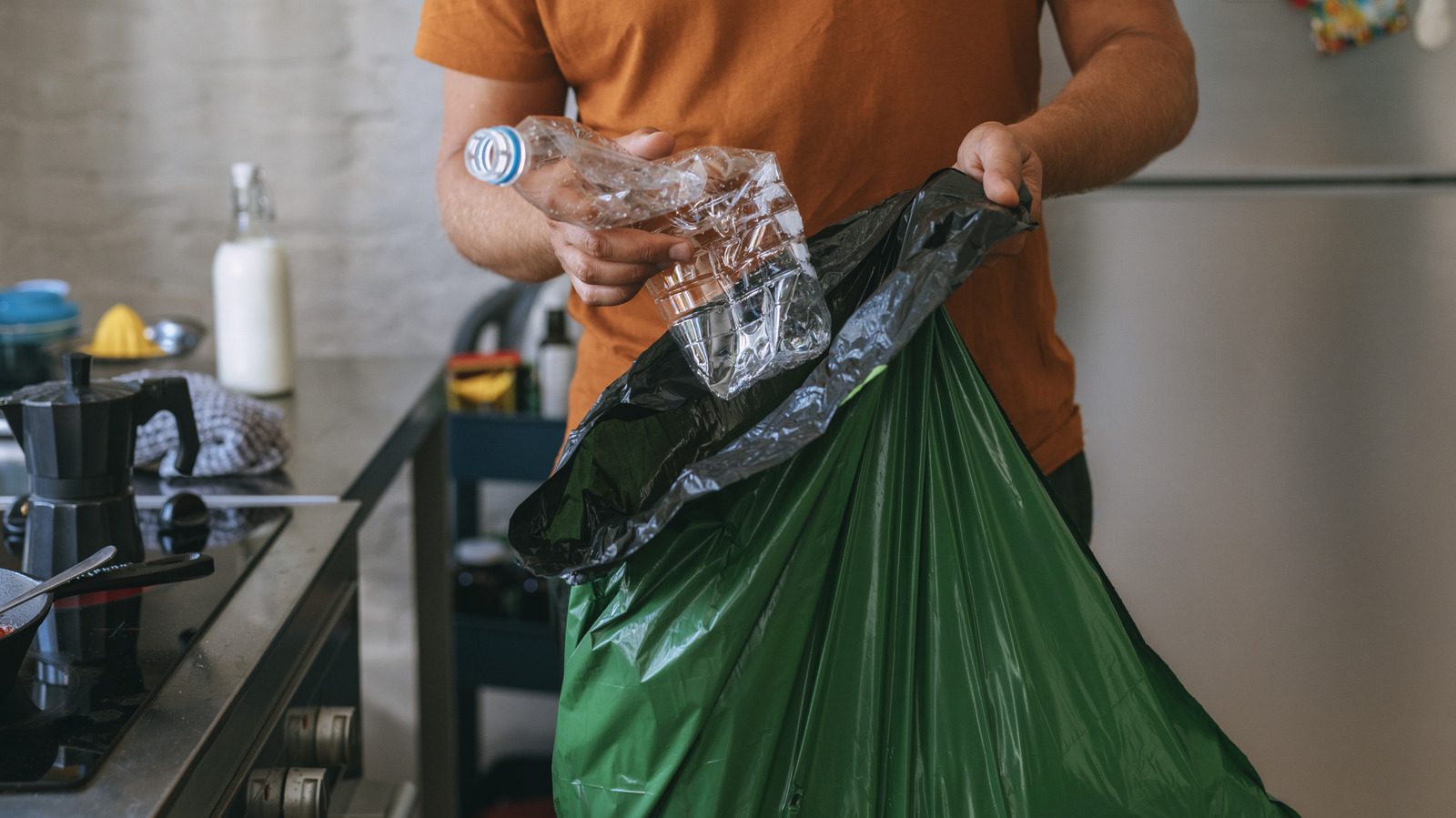
1 month agoHow to Recycle or Dispose of Single-Use Alkaline Batteries
Never place batteries of any type in your curbside recycling bin. Batteries can damage recycling equipment and, if lithium batteries are mixed in, cause fires. Always use designated battery collection programs.
Environment
Environment
fromwww.theguardian.com
2 months agoWe can learn from the old': how architects are returning to the earth to build homes for the future
Unstabilised rammed earth provides a low-carbon, locally sourced building method with thermal mass, moisture control and potential for circular construction.
fromInsideHook
2 months agoCould Recycled Plastic Lead to More Housing?
When you think about building a house, what materials come to mind? Brick, wood and metal all come to mind; there are also some very distinctive glass houses out there. (Even if their occupants should refrain from throwing stones - though honestly, that's a good tip for indoor living in general.) A group of MIT researchers have come up with a very different way of making buildings, and it's one that also addresses an ongoing waste issue."We've estimated that the world needs about 1 billion new homes by 2050. If we try to make that many homes using wood, we would need to clear-cut the equivalent of the Amazon rainforest three times over," explained AJ Perez, who conducts his research in the MIT Office of Innovation. The title of a paper written by Perez and his colleagues - "Design, Manufacture and Testing of Structural Trusses Using Additively Manufactured Polymer Composites" - gives a sense of the solution that they have in mind.
Environment
Environment
fromEarth911
2 months agoGuest Idea: How Renewable Energy Innovations are Cultivating a Healthier Planet
Transitioning from fossil fuels to renewable energy is necessary to reduce deadly pollution, protect ecosystems, stabilize the economy, and requires coordinated policy and individual actions.
fromEarth911
2 months agoGuest Idea: 7 Solutions to Give Your Old Sunglasses a Second Life
Just like that coffee cup, eyewear is a complex fusion of materials. Metal hinges are screwed into polymer frames, which hold chemically-coated lenses. This mix of metals, plastics, and coatings means standard sorting machines cannot process them. As a result, they are rejected as contamination and sent directly to landfills, where they contribute to non-biodegradable waste. Unlike a disposable paper cup, however, a pair of sunglasses is built for durability. Its high-quality components make it a perfect candidate for repair, reuse, or reinvention.
Environment
[ Load more ]