In a complaint filed on November 25 with the Federal Energy Regulatory Commission, Monitoring Analytics, LLC, an independent market monitor for PJM, requested that the regulator mandate that the energy wholesaler only add large data centers to its system if all customers can be reliably served. "PJM is currently proposing to allow the interconnection of large new data center loads that it cannot serve reliably and that will require load curtailments (black outs) of the data centers or of other customers at times," the complaint read.
Despite this renewed confidence, many SMEs are still facing the same barriers they faced at last years' Budget and are calling on the Government to unlock productivity in this month's Budget. Top of the list is help with high energy costs (40%), rising to over half (54%) for medium-sized firms. Meanwhile, a third (34%) want more tax incentives for innovation and investment, highlighting areas of policy change that could help fuel business productivity and future growth.
Sir Tony Blair has urged Energy Secretary Ed Miliband to ditch his 2030 clean power target and cut green levies as his think tank warns that current climate policies are driving up costs for homes and businesses. A new report from the Tony Blair Institute (TBI), personally approved by the former prime minister, claims the government's commitment to fully decarbonise the electricity grid by 2030 is "destroying industry" and "damaging households."
From reproductive rights to climate change to Big Tech, The Independent is on the ground when the story is developing. Whether it's investigating the financials of Elon Musk's pro-Trump PAC or producing our latest documentary, 'The A Word', which shines a light on the American women fighting for reproductive rights, we know how important it is to parse out the facts from the messaging. At such a critical moment in US history, we need reporters on the ground.
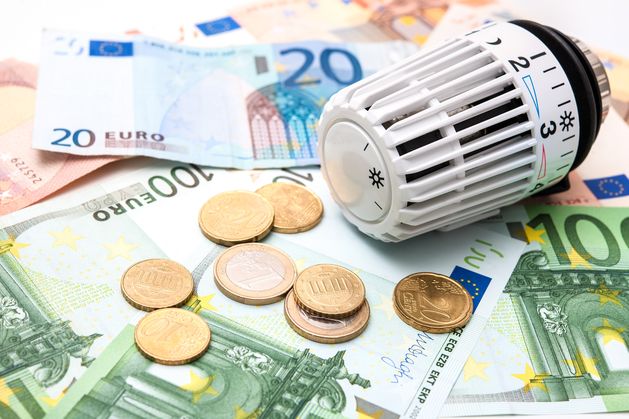
I'm a proud Pottery worker. Just like my Dad before me. The most highly-skilled Potters make ceramics in my town and we export them around the globe. But the industry we rely on is dying. Spiralling energy prices - especially gas - mean that UK ceramic firms fork out 875 million pounds in energy costs each year. That's right - almost a billion pounds just on energy costs.
Reeves is thought to be focusing on fiscal responsibility while aiming to stimulate economic growth. Her initial statements suggest an inclination towards maintaining existing tax policies without introducing major increases: this approach aligns with the desires of many SMEs, who are seeking stability in a tumultuous economic landscape. However, there are concerns that this might not go far enough in addressing the immediate needs of small businesses, especially in terms of financial relief and support.
We know that, in a world facing ongoing global conflicts and crises, highlighting the challenges of hospitality may seem secondary. But the reality is stark: costs continue to rise while consumers are unable to afford higher prices. Operators are trapped in an unsustainable position, leading to closures, job losses and real risks to one of the UK's most vital industries. Hospitality is not a luxury. It is the UK's third-largest employer and a critical driver of the economy.
"America has spent the last 70 years trying to build relationships with other countries - and we benefit, and those other countries all benefit, and here we're throwing away a lot of that, which I can't explain."
The recovery of the NGX All Share Index amidst geopolitical tensions suggests potential for Nigeria's export receipts, but concerns about sustainability linger.
The improper use of air conditioners is a significant factor behind rising electricity costs in households, leading to excessive power consumption during peak summer months.
In the UK, weather trends show that by early April, average outdoor temperatures exceed 14°C in most regions. Once temperatures consistently hit around 15°C ... homes will be warm enough without needing continuous heating.