#environmental-stress
#environmental-stress
[ follow ]
#climate-change #biodiversity #sustainability #wildfires #mental-health #data-centers #environmental-impact


fromwww.bbc.com
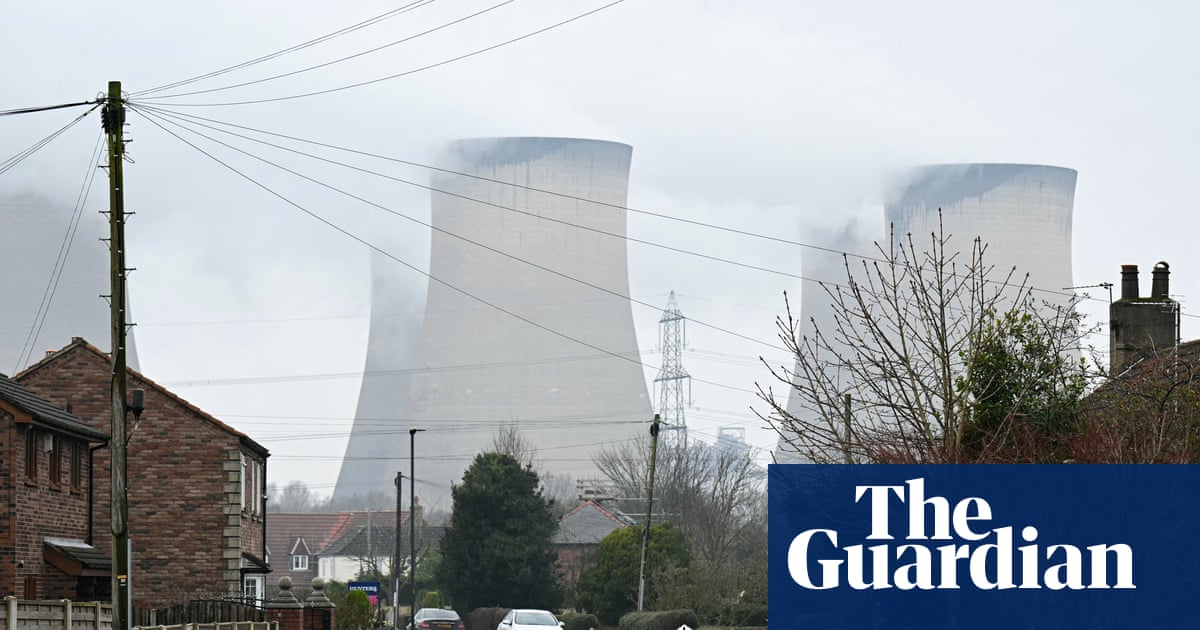
15 hours agoFuel rations and free buses: How countries have responded to rising oil prices
The International Energy Agency (IEA) says it is the 'largest supply disruption in history'. With the disruption expected to have a lasting impact on prices, governments around the world have introduced measures to limit the impact on consumers and the economy.
Europe news
fromwww.cbc.ca
2 days agoFlood warnings in place for Ontario's cottage country as warm temps, rainfall swamp communities | CBC News
Minden Hills has been under a state of emergency since Tuesday, with flooding affecting homes and roads, and the local arena being converted into an evacuation center.
Canada news
fromArchDaily
6 days agoMapping the Technosphere: Architecture as an Interface Between Systems and Territories
Architecture can no longer be conceived as an isolated object, detached from the technical networks that sustain contemporary life. This condition calls for new readings and approaches.
Design
Psychology
fromSilicon Canals
5 days agoPsychology says people who grew up poor in the 1960s and 70s develop a specific relationship to waste - they can't throw away a half-used candle or a rubber band or a piece of foil, not from habit, but because their nervous system still treats abundance as temporar - Silicon Canals
Scarcity during childhood shapes the brain's stress-response architecture, leading to lasting changes in emotion regulation and threat detection.
fromwww.dw.com
6 days agoIndia walked away from its bid to host COP33 here's why
One of the key reasons for India's withdrawal appears to be the steadily declining relevance of COP in driving meaningful global climate action. The complete erosion of trust among countries at the Belem summit in Brazil, where several nations reneged on previously agreed commitments, seems to have contributed significantly to this decision.
World politics
fromHigh Country News
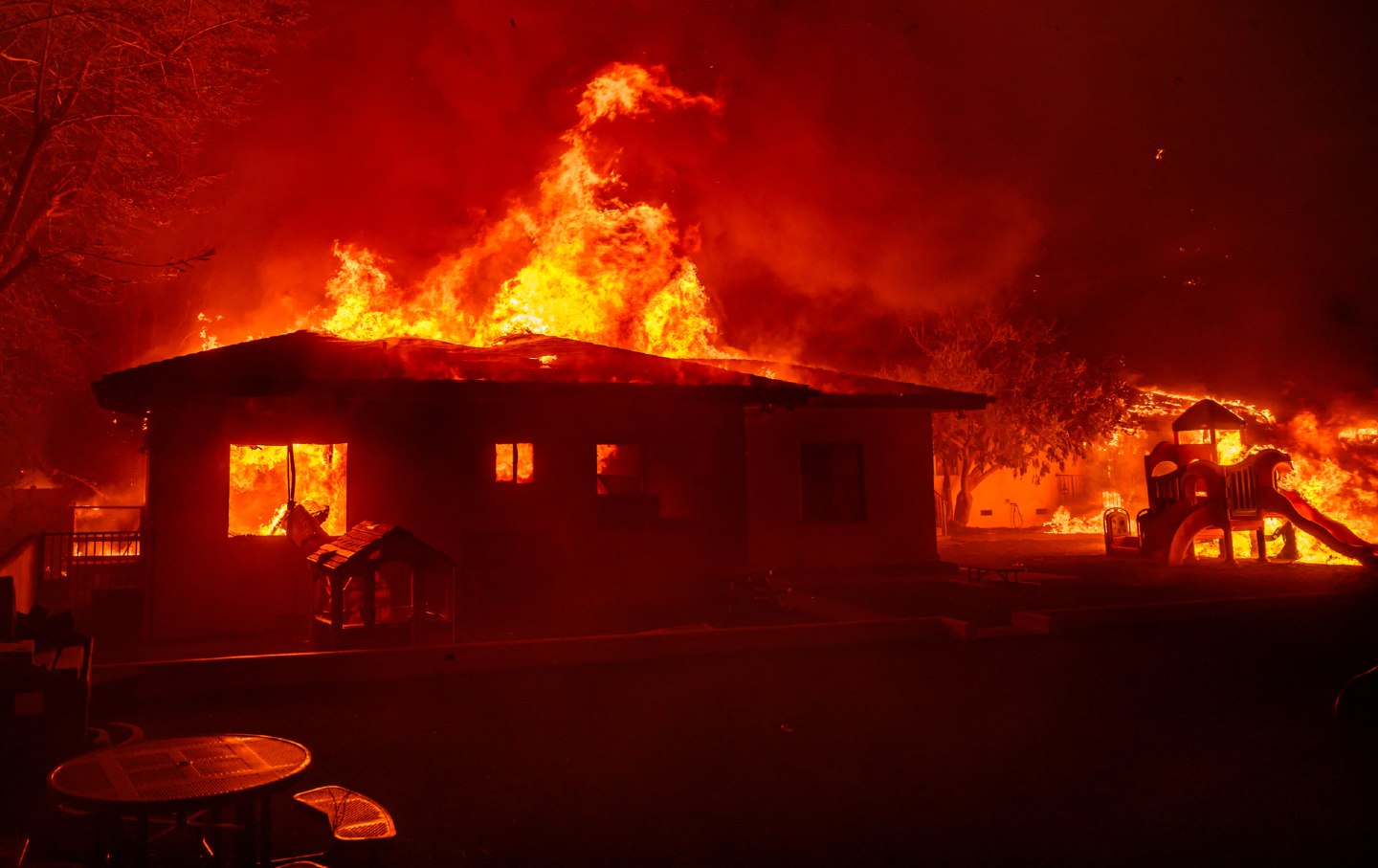
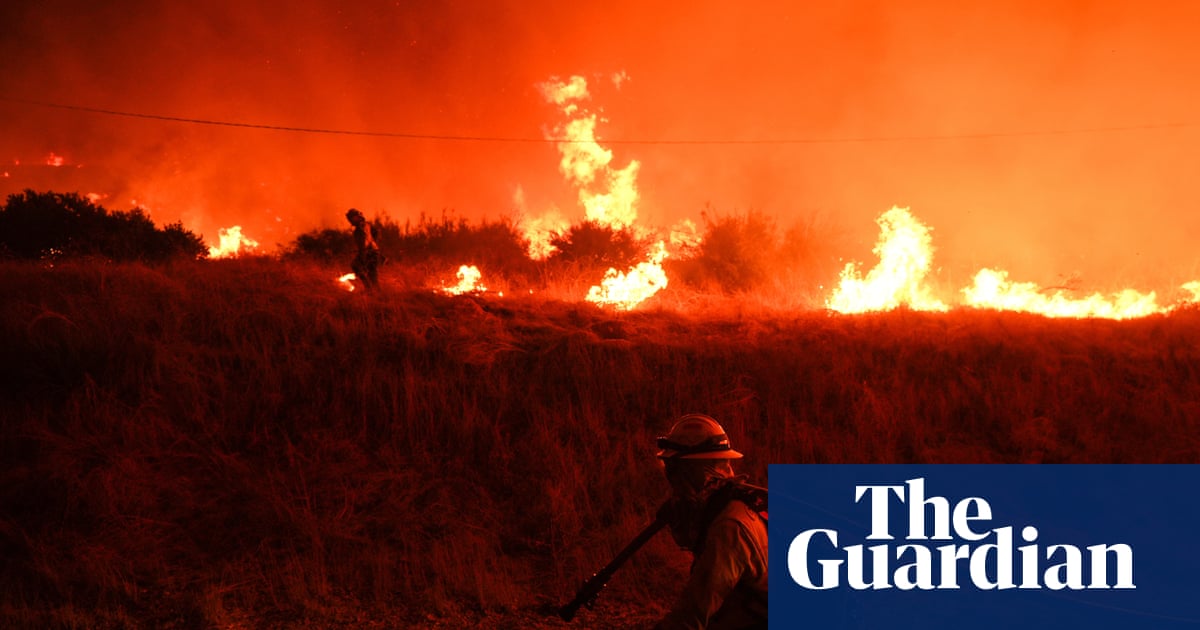
9 hours agoWildfires make soil poisonous - High Country News
Researchers have known since at least 2008 that wildfires can create chromium-6, but a new study, published in the journal Environmental Science and Technology in November, is the first to report details such as how long it might persist in groundwater.
Environment
Environment
fromLos Angeles Times
3 days agoMore than 200,000 lost their homes in the L.A. County fires. For people already on the streets, the damage ran deeper
Over 75% of homeless residents affected by the 2025 wildfires reported injuries or major life disruptions, highlighting the link between climate disasters and homelessness.
fromwww.kaltblut-magazine.com
1 month agoThe Climate Crisis
At a young age, I learned quickly how oil wealth and power could burn the land while people struggled. I saw heat rise off the streets, the Nile strained, and the air thickened with injustice. In my teenage years, through Aotearoa, being on the edge of the Pacific, I felt the ocean breathing heavy, swallowing the shores of islands that have done the least to cause this harm.
Photography
Agriculture
fromEarth911
1 month agoConvenience Comes at the Environment's Expense
Fast delivery convenience carries significant environmental costs through packaging waste, carbon emissions, and resource consumption, but individual yard management choices can meaningfully reduce environmental impact at a local scale.
fromwww.theguardian.com
1 month agoExtreme heat lab: enduring the climate of the future
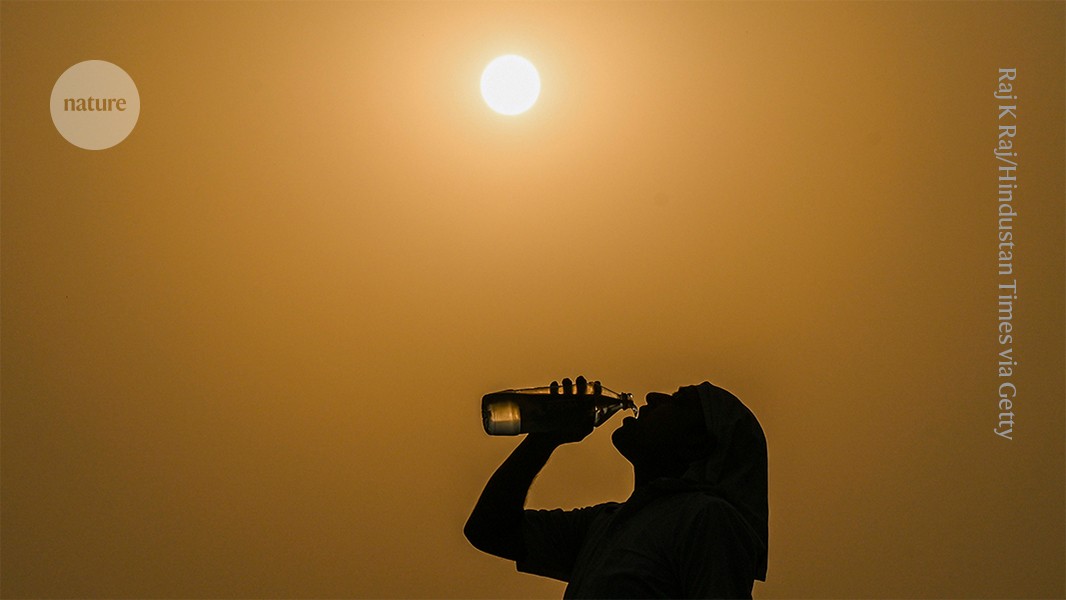
"So whenever people think about hot weather, they always talk about the temperature," he says. "There's two issues with that. First of all, most people don't realise that the temperature is measured in the shade. So if you're in direct solar radiation, the amount of heat stress you're exposed to is much greater as it will stress your body out a lot more."
Public health

fromThe Nation
1 month agoA World on Fire Needs More Climate Reporting-Not Less
Covering Climate Now was formed in 2019 in response to the climate silence that then prevailed in much of the press, especially in the United States. Over the years that followed, hundreds of newsrooms joined our effort, and press coverage of the story began to reflect the scale of the crisis. Newsrooms beefed up their climate reporting teams; they confronted misinformation that sought to play down the problem; they thought creatively about how to find the climate connection on every beat.
Environment
Environment
fromwww.mercurynews.com
1 month agoOpinion: AI is destroying our planet. We must act to check its growth and save ourselves.
AI's environmental impact is severe, with 2025 freshwater consumption exceeding global bottled water use and projected energy demands by 2034 matching India's entire consumption, requiring immediate action.
fromwww.dw.com
2 months agoThe business of saving nature
The world spends 30 times more money destroying nature than protecting it. That's according to a new report from the United Nations Environment Programme (UNEP) that exposes a massive gulf between so-called "harmful investments" and financing that promotes nature preservation. The global environment agency's latest "State of Finance for Nature" (SNF) report is calling to phase out the US$7.3 trillion (6.2 trillion) in global investments that damage nature including into high-emissions energy infrastructure and manufacturing, for example.
Environment
[ Load more ]