#eu-data-privacy
#eu-data-privacy
[ follow ]
#privacy #cybersecurity #european-commission #data-privacy #data-breach #digital-sovereignty #age-verification
#privacy


Privacy technologies
fromTechRepublic
1 day agoChrome Privacy Concerns Rise as Expert Warns of Fingerprinting Risks
Browser fingerprinting poses significant privacy risks in Chrome, with at least thirty techniques currently in use to track users without consent.


#cybersecurity
Information security
fromLondon Business News | Londonlovesbusiness.com
4 days agoThe rising cost of data breaches: Why backup and cyber protection must go hand in hand - London Business News | Londonlovesbusiness.com
Cyber incidents now lead to significant financial and reputational damage, necessitating a unified strategy for backup and cyber protection.






#age-verification

Privacy technologies
fromAbove the Law
4 days ago438 Experts Said Age Verification Is Dangerous. Legislators Are Moving Forward With It Anyway. - Above the Law
Age verification mandates for the internet are technically flawed, threaten privacy, and may cause more harm than good, according to 438 researchers from 32 countries.
fromTechCrunch
3 months agoOne of the first alternative app stores in the EU is shutting down | TechCrunch
Its model offered consumers access to all of Setapp's mobile apps through a $9.99 monthly subscription, provided the user's Apple ID was associated with an EU member state. Now, the company says all applications will be removed from Setapp Mobile by the end of the sunset date, February 16, 2026. Applications that are available on Setapp Desktop will not be affected, the company told TechCrunch.
Miscellaneous
Privacy professionals
fromTheregister
1 month agoAge verification isn't sage verification inside OSes
California's Digital Age Assurance Act attempts age verification for minors but is vague, incoherent, and creates liability risks without clearly defining compliance requirements or addressing practical implementation across diverse computing devices.
fromTechRepublic
2 months agoEU's New Cybersecurity Act Could Ban High-Risk Suppliers - TechRepublic
Yesterday (Jan. 20), the Commission unveiled its revised Cybersecurity Act proposal after months of behind-the-scenes negotiations that reportedly caused substantial friction between officials and member states. This sweeping update introduces measures to identify and potentially exclude "high-risk" third countries and companies from Europe's critical digital infrastructure across 18 essential sectors, including energy systems. As cybersecurity threats continue rising since the original Act took effect seven years ago, the EU is essentially drawing new battle lines in the global tech landscape.
Information security
fromTNW | Government-Policy
1 month agoEU lawmakers deal to ban AI non-consensual intimate deepfakes
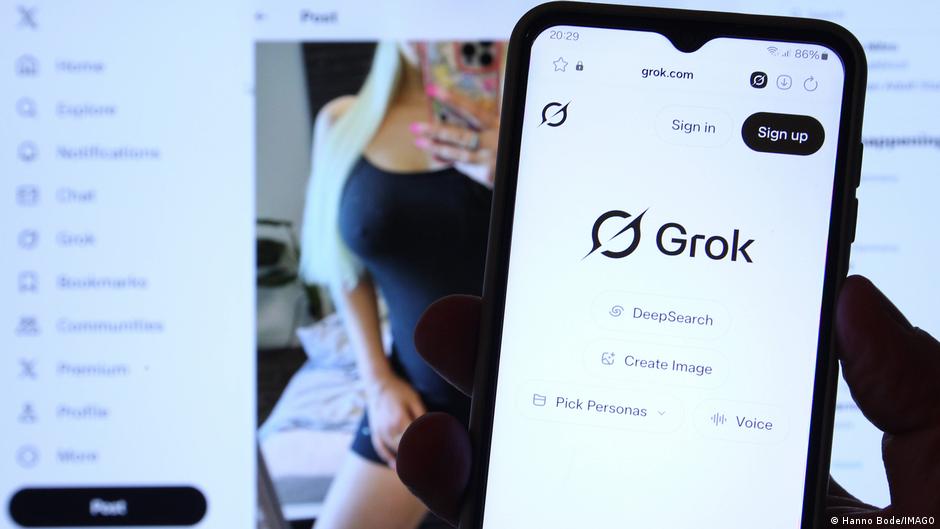
In late December 2025, Elon Musk's AI company xAI updated its Grok chatbot, integrated into the social media platform X, with a new image-editing feature. Within days, users were exploiting it to generate realistic sexualised images of real women and girls without their consent, including content that regulators said depicted minors in a manner that constituted child sexual abuse material.
EU data protection
fromComputerworld
1 month agoEuropean consumers ask EU to put a stop to digital enshittification
The groups complain about "the increasing concentration of power and lack of alternatives in digital markets, the push for deregulation, and the urgent need to enforce digital laws to protect our fundamental rights and create a level playing field for competition and innovation."
EU data protection
EU data protection
fromComputerWeekly.com
2 months agoEurope's data protection supervisors warn over plans to 'narrow' privacy rights | Computer Weekly
Narrowing the definition of personal data in EU reforms risks eroding privacy rights, creating legal uncertainty, and weakening protections against automated decision-making.
EU data protection
fromEFDPO - European Federation of Data Protection Officers
2 months agoDigital Omnibus: EDPB and EDPS support simplification and competitiveness while raising key concerns * EFDPO - European Federation of Data Protection Officers
Proposed GDPR/EUDPR amendments risk narrowing the 'personal data' definition and weakening individual data protection; EDPB and EDPS urge co-legislators to reject them.
fromTNW | Eu
2 months agoThe European Parliament pulls back AI from its own devices
The European Parliament has taken a rare and telling step: it has disabled built-in artificial intelligence features on work devices used by lawmakers and staff, citing unresolved concerns about data security, privacy, and the opaque nature of cloud-based AI processing. The decision, communicated to Members of the European Parliament (MEPs) in an internal memo this week, reflects a deepening unease at the heart of European institutions about how AI systems handle sensitive data.
EU data protection
[ Load more ]