#eu-military-mobility
#eu-military-mobility
[ follow ]
#nato #russia #european-defense #drones #transatlantic-relations #ukraine #us-europe-relations #iran-war #defense

fromSpiegel
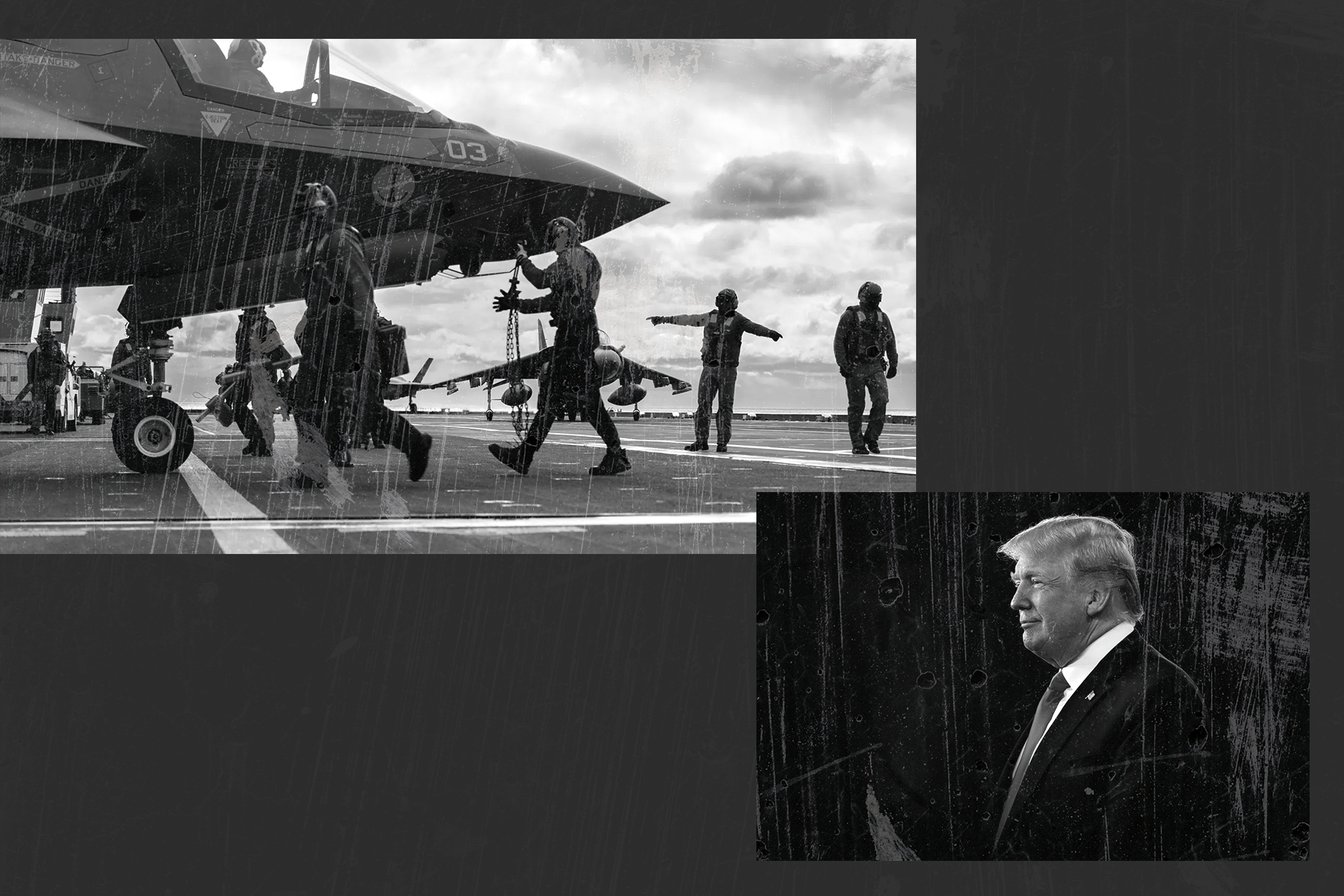
4 days ago(S+) Defense in Orbit: Germany Goes Big in the Military Space Race
The German military also uses this airborne communications hub, which allows command staff and soldiers deployed abroad to communicate across continents. The information they share is classified, strictly confidential.
Germany news
Russo-Ukrainian War
fromwww.businessinsider.com
5 days agoUkraine's Patriot crews are breaking from the norm, fighting Russian threats with fewer missiles
Ukrainian soldiers are using fewer Patriot interceptors against Russian missiles due to strained stockpiles, launching only one per threat instead of the standard two to four.
Miscellaneous
fromBusiness Insider
1 month agoNATO allies are linking their defenses together to better hunt and kill drones on its eastern edge
NATO and the US are developing an integrated counter-drone network along Russia's border using rapid 90-day testing cycles to detect, track, and neutralize aerial threats including Shahed-type drones.
fromwww.aljazeera.com
1 month agoTurkiye says NATO bringing in more defences after missile interceptions
NATO is sending another Patriot missile defence unit to its Incirlik Air Base, after several ballistic missiles Ankara says were fired by Iran were downed heading towards or in Turkish airspace. The ministry announced the new missile battery during a Wednesday briefing at the Incirlik base, located near the southern city of Adana, saying it would complement national-level measures to ensure the security of our airspace and our citizens.
Europe news

Europe politics
fromenglish.elpais.com
4 weeks agoJens Stoltenberg, former NATO secretary general: I am certain that the members of the Alliance will remain united to protect one another'
Jens Stoltenberg is a significant Norwegian politician, having served multiple terms and played a key role in NATO during critical global events.
fromBusiness Insider
2 months agoA NATO fighter wing showed up for front-line air patrols with drone defenses for the first time
ŠIAULIAI AIR BASE, Lithuania - A Spanish fighter wing deployed to the Baltics for air patrol missions alongside anti-drone defenses for the first time, a reaction to growing uncrewed threats to European infrastructure. Spain's 15th Wing arrived at Šiauliai Air Base in December to begin a four-month rotation contributing to NATO's Baltic Air Policing mission, designed to protect the airspace around Lithuania, Latvia, and Estonia. The Crow counter-drone system came with it.
Careers
fromDataBreaches.Net
1 month agoTop NATO allies believe cyberattacks on hospitals are an act of war. They're still struggling to fight back. - DataBreaches.Net
NATO countries' restrained response to hybrid attacks is at odds with public opinion, new polling shows: Broad swaths of the public in key allied countries say actions such as cyberattacks on hospitals should be considered acts of war. The POLITICO Poll, conducted in the United States, Canada, France, Germany and the United Kingdom, showed a majority of people agreed that a cyberattack that shuts down hospitals or power grids constitutes an act of war. Canadians felt the strongest about the issue, with 73 percent agreeing.
Privacy technologies
fromBusiness Matters
2 months agoSmall defence firms to get easier access to MoD contracts under new growth unit
Small British defence companies are set to gain easier access to Ministry of Defence contracts after the government launched a dedicated unit to simplify procurement and boost spending with smaller suppliers. The Ministry of Defence has unveiled the Defence Office for Small Business Growth, a new service designed to cut through what ministers describe as labyrinthine procurement processes that have historically shut small and medium-sized enterprises (SMEs) out of the defence market.
UK news
fromBusiness Insider
1 month agoThere's a new US Army office 'getting in the dirt' with soldiers and trying to quickly turn their ideas into real battlefield tech
Number one is speed takes priority over perfection. We can iterate to get to operational capability. And the second is that early soldier feedback is critical in order to make sure we're getting the right technology for the future fight, and then we want to be able to prove the demand signal before we spend big dollars on programs.
US news


fromwww.bbc.com
1 month agoUK agrees drone defence plan with four EU allies
Britain is to develop new air defence weapons alongside the EU's four biggest military powers, deepening ties with the European defence sector. The project will invite manufacturers in the UK, Germany, France, Italy and Poland to submit plans to build low-cost missiles and autonomous drones. The allies are pledging a speedy process to build the weapons together, inspired by Ukraine's development of cheap drones to counter attacks from Russia.
UK politics
fromwww.dw.com
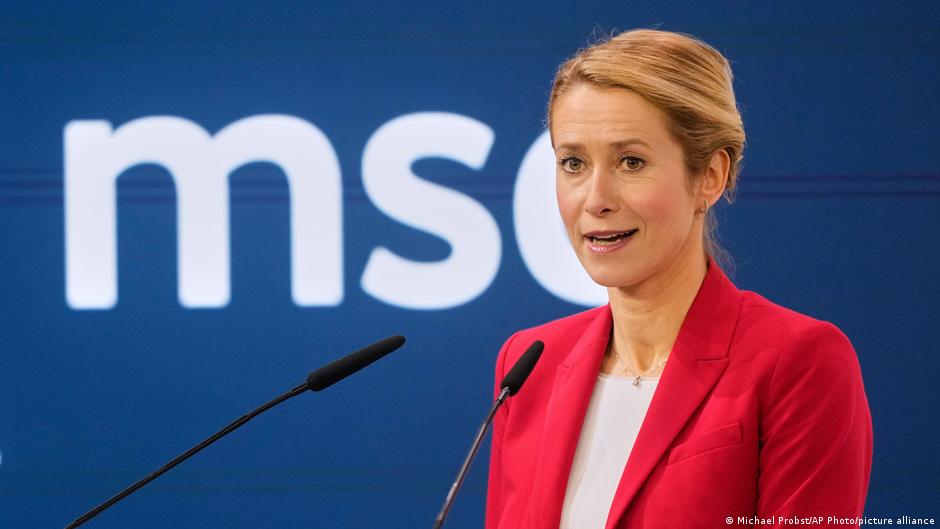
2 months agoGermany's Bundeswehr goes on military spending spree
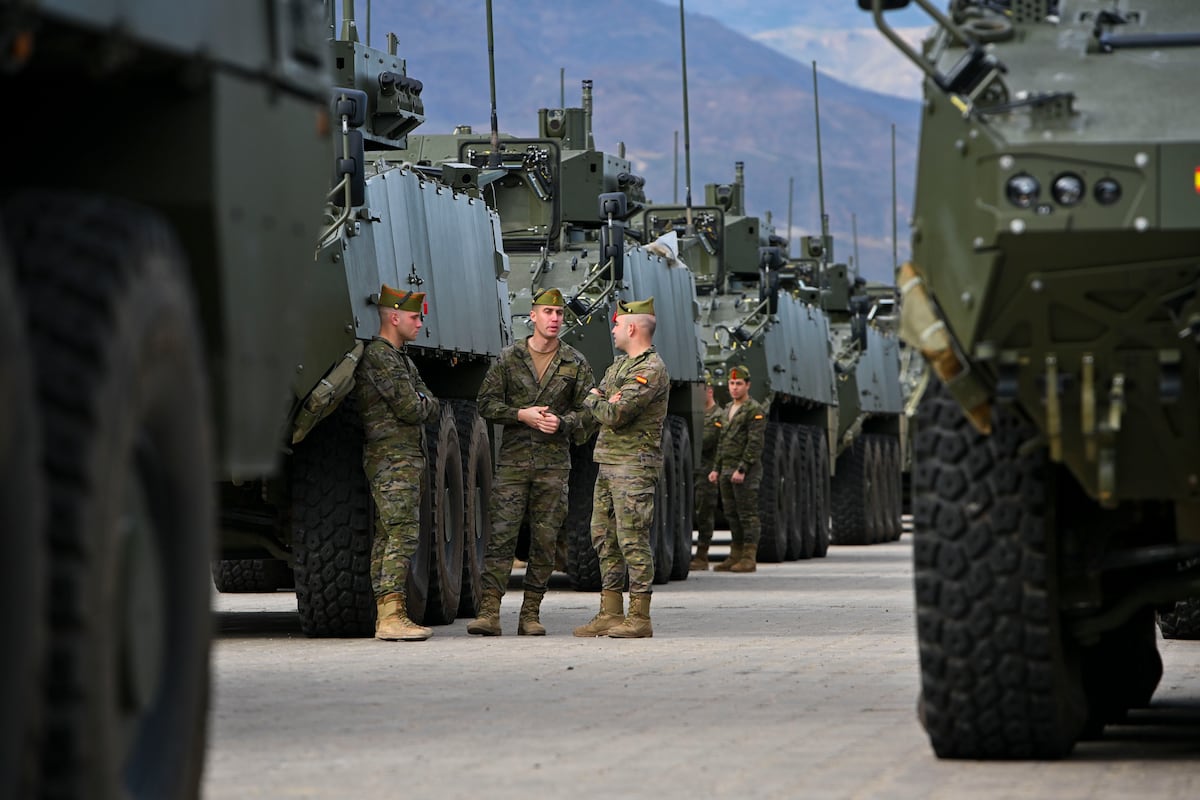
Germany's military, the Bundeswehr, is currently on a spending spree: it has more than 108 billion ($129 billion) at its disposal this year a gigantic, unprecedented sum. This is being financed both by the official federal budget and special funds, for which the state is taking out loans. This money is intended to make the Bundeswehr, which has been subject to decades of cutbacks, more powerful and modern. There is also time pressure.
Germany news
World politics
fromLondon Business News | Londonlovesbusiness.com
1 month agoNATO warns to prepare for war that our 'grandfathers saw' - London Business News | Londonlovesbusiness.com
NATO warns that unchecked Russian aggression risks triggering a new world war, with Poland particularly vulnerable due to its border proximity to Russia and Ukraine.
Germany news
fromThe Local Germany
2 months agoGermany to strenghten critical infrastructure as Russia fears spike
Germany will require about 1,700 essential service providers to strengthen security, conduct risk assessments, and promptly report incidents to protect critical infrastructure from sabotage.
Miscellaneous
fromFortune
2 months agoEurope-wide army is a dumb idea, EU foreign policy chief says: 'maybe those people haven't really thought this through practically' | Fortune
A Europe-wide army would create conflicting command chains with NATO, making coordinated military operations dangerous and ineffective.
Europe politics
fromwww.theguardian.com
2 months agoWithout US military support, we need a European defence union. Here's what that looks like | Paul Taylor
Europe must build an independent, credible defence with higher spending, logistics, manpower and new leadership because US support may be reduced or absent.
fromLondon Business News | Londonlovesbusiness.com
1 month agoElite British and French paratroopers finish deployment training for Ukraine - London Business News | Londonlovesbusiness.com
Exercise Orion involved around 2,000 personnel from both British and French forces, focusing on rapid deployment, interoperability, and strengthening NATO's readiness against potential threats of insurgency and invasion, demonstrating the strategic importance of these drills.
Miscellaneous
[ Load more ]