#expedition-vessels
#expedition-vessels
[ follow ]
#antarctica #climate-change #travel #greenland #luxury-travel #oceanography #adventure #artemis-ii #nasa
fromwww.theguardian.com
1 day agoWe are totally out of our depth': experts say whale stranded in Baltic is beyond saving
The drama has captivated the country, making politicians cry and drawing shamans from distant parts. Experts brought in first to help save the whale, and then to ease the animal's demise, have faced death threats.
Germany news
fromwww.businessinsider.com
3 days agoI went on a 7-night cruise with my husband and his extended family. Despite our different travel styles, we had a blast.
Before setting sail, we all agreed that everyone deserved the vacation they wanted, and that's what made a cruise so great. There was so much to do on and off the ship, and each of us found something we enjoyed.
Travel


:max_bytes(150000):strip_icc()/TAL-lead-image-GRNLNDNLIGHTS0426-6fa5170ac76547fe8eb8170dec10736f.jpg)
Travel
fromTravel + Leisure
4 days agoI Sailed to Little-known Islands and Towns in France on Board This Inviting Cruise Ship-Here's Where It's Headed Next
Azamara Onward offers a unique cruise experience along France's Atlantic coast, highlighting local culture and history in ports like Guernsey and Bordeaux.
US news
fromwww.theguardian.com
4 weeks agoTreasure hunter freed after decade in prison for not revealing location of gold
Treasure hunter Tommy Thompson was released after 10 years in prison for refusing to disclose the location of 500 gold coins from the SS Central America, which he discovered in 1998.
:max_bytes(150000):strip_icc()/tl-cruise-essentials-tout-7b2a7593995c4b12ac221887f563009a.jpg)
Madrid food
fromConde Nast Traveler
1 month agoThis New Luxury Cruise is Swapping Mass Tours for Hyperlocal Excursions
Oceania Cruises prioritizes immersive, slow-paced cultural experiences over traditional tourist attractions, allowing passengers to deeply connect with local communities and traditions.
fromMail Online
1 month agoOur science editor reviews a 'once in a lifetime' trip to Antarctica
Imagine waking up on a ship surrounded by icebergs, camping in the snowy wilderness and kayaking among the exhalations of humpback whales. You can also take part in a polar plunge, board small zodiac boats to search for leopard seals and collect samples for science research.
Travel
fromwww.theguardian.com
1 month agoExperience: I'm a professional chef in Antarctica
Travelling there was a childhood dream of mine. I saw it as a way to test myself against something so much bigger. I nearly applied for a role at the British Antarctic Survey (BAS) 30 years ago, but then my wife and I were expecting our first child. Instead, I've worked as a chef in Michelin-star restaurants in Paris and London, hotels in Kuala Lumpur and St Moritz, and even at a school in Oxfordshire.
Food & drink

fromNature
2 months agoWhat my cave stay taught me about sensors
To capture the biological impact of this extreme environment, I used a comprehensive suite of sensors and biomarker analyses. I wore a wireless electroencephalograph (EEG) system to monitor brain activity, sleep stages and neural signatures of stress and adaptation; the Oura Ring to continuously track sleep patterns, heart-rate variability and circadian-rhythm shifts; and the glucose monitor to follow metabolic responses in real time.
Wearables
Canada news
fromArchitectural Digest
2 months agoIn Greenland, Design Meets Glaciers, Gravesites, and a Galactic Ocean
Modern expedition cruising makes remote Arctic sites like Beechey Island and Franklin’s wrecks accessible, blending comfortable travel with encounters of historical tragedy and extreme conditions.
World news
fromTravel + Leisure
2 months agoAtlas Ocean Voyages Will Roll Out the 'Largest Expedition Sailing Yacht in the World' and Cruise From Japan to South Africa in 128 Days
A 200-suite, hybrid-electric expedition sailing yacht with three carbon-fiber sails will debut in 2028, enabling up to 50% wind-powered operation and extended expeditions.
Travel
fromConde Nast Traveler
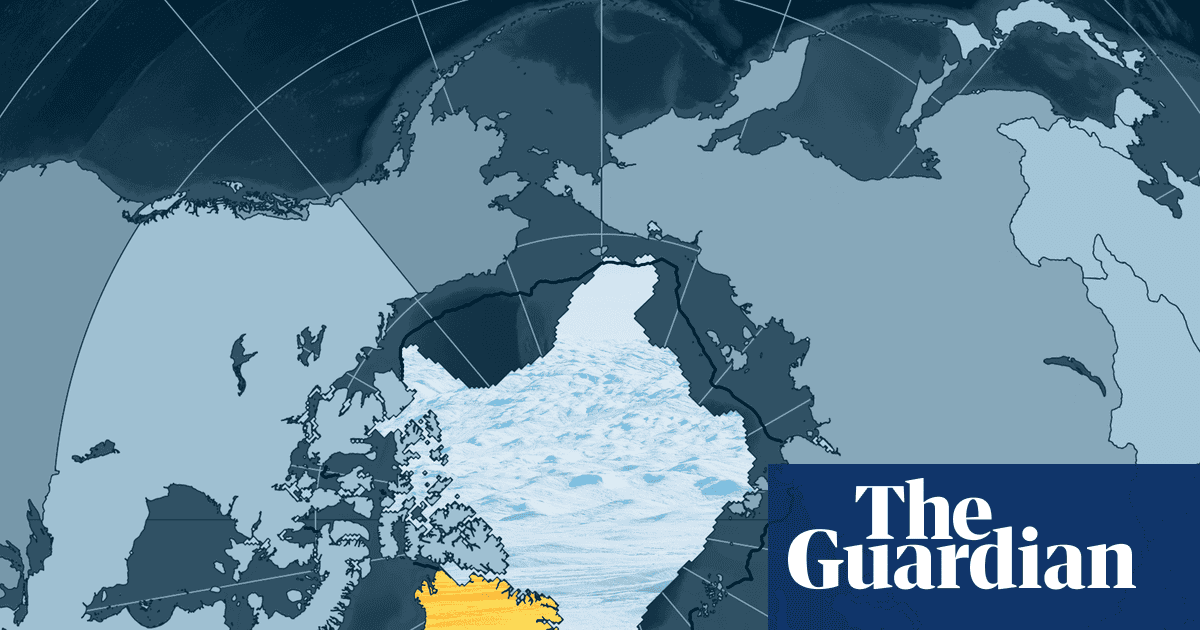
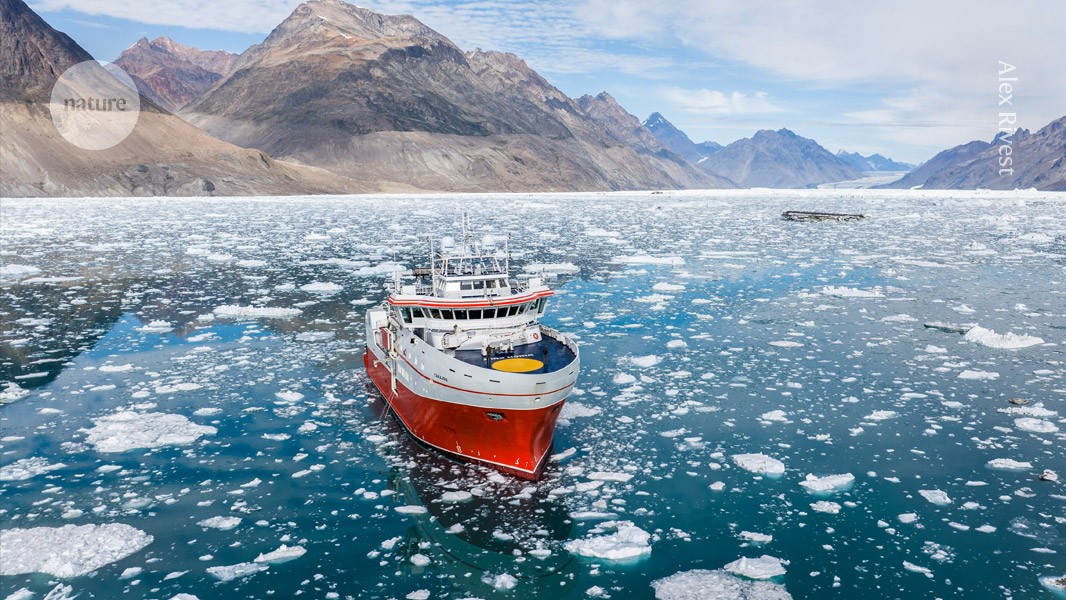
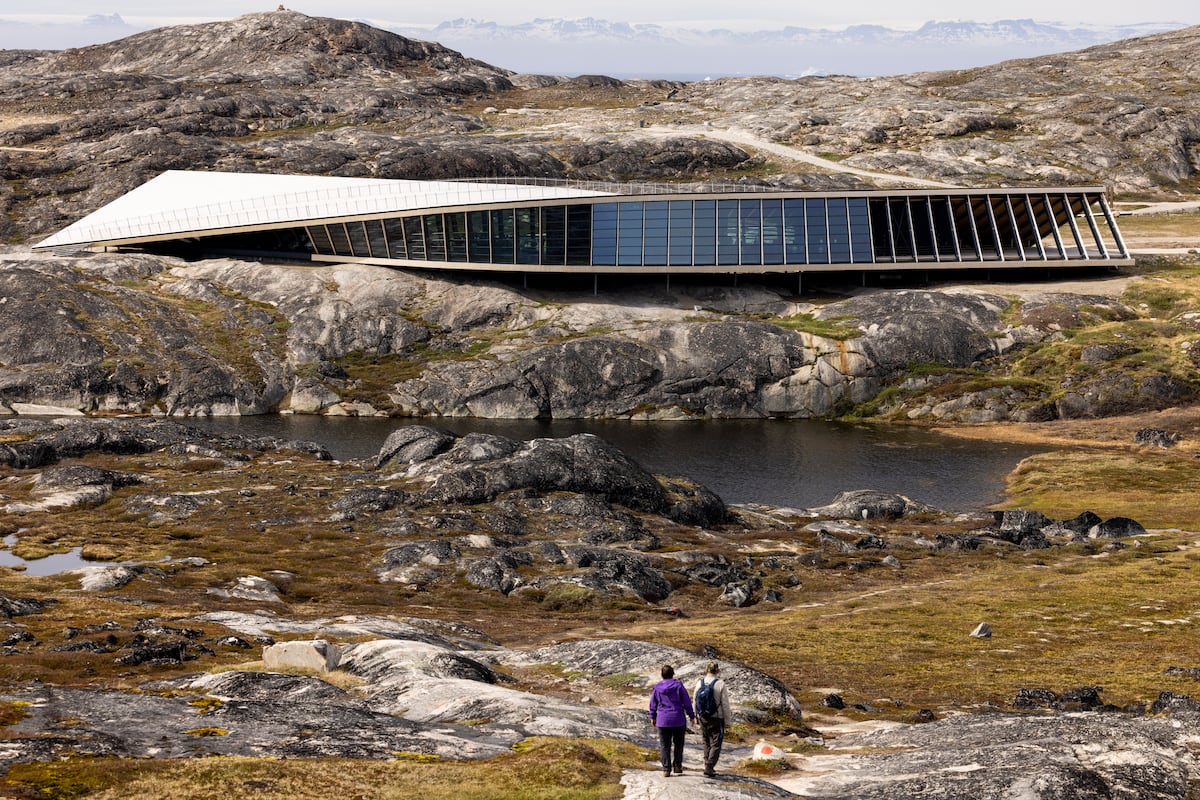
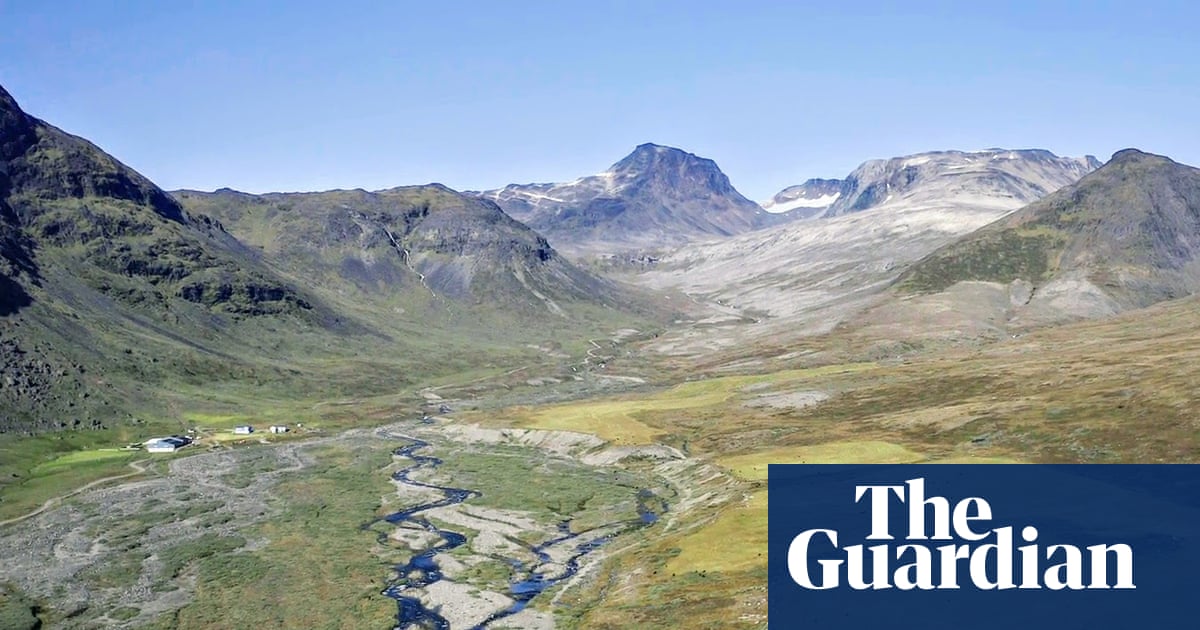
1 month agoIn Greenland's Remote Fjords and Tiny Settlements, a New Sense of Connection
Greenland's new airport and developing tourism infrastructure make Arctic exploration increasingly accessible, offering unique cultural experiences with Indigenous and settler communities unavailable in Antarctica.

History
fromSmithsonian Magazine
2 months agoArchaeologists Discovered the 'Holy Grail' of Shipwrecks a Decade Ago. Now, They're Finally Beginning to Unravel the Secrets of the 'San Jose'
A priceless 1708 Spanish galleon, the San José, was discovered in 2015 but remains contested amid political and legal battles over ownership and treasure.
Environment
fromABC7 San Francisco
1 month agoTracking fisherman to track fish: The new technological approach to better understand ocean life
Global Fishing Watch uses AIS transponder data and artificial intelligence to track fishing vessels worldwide, providing unprecedented visibility into global fishing fleet movements and activities.
fromNature
2 months agoFloating science stations: my month on a research vessel looking after buoys
In this photo, I'm preparing drifting buoys for deployment. This was my main responsibility aboard the RV Falkor (too), during a 27-day research expedition in October 2025 exploring the Malvinas Current, an ocean current that runs alongside Argentina. The expedition included biologists, geologists and physical oceanographers such as myself; I'm a PhD candidate at the Sea and Atmosphere Research Center (CIMA) in Buenos Aires, Argentina.
Science
fromFuturism
2 months agoScientists Scramble to Set Up Outpost on Rapidly Melting Glacier
During a rare break in the weather, the NYT says helicopters airlifted the researchers and their equipment 19 miles to their planned outpost site on top of the glacier. The two helicopters involved flew a dozen total loads of cargo from the icebreaker ship to the camp site, while glacial scientists and engineers erected a small tent city, complete with bathrooms, generators, and a mess hall.
Environment
fromwww.nytimes.com
2 months agoVideo: The Sounds of Antarctica? Flying in the Cold? Your Questions, Answered
So, believe it or not, the cold air that we get down here actually tends to help the performance of the helicopter. DAN: The low pressure systems we have here, particularly in this, weather we've been having, tends to create the opposite effect by decreasing the pressure. Low pressure systems, thinner air. DAN: And that cooler air makes the pressure higher again.
Environment
fromEarth911
2 months agoGuest Idea: Finding a Northwest Passage to the Sea
The Northeast Passage was expected to open first due to the Coriolis effect. As the world turns to the east, in the Northern hemisphere, flowing water will veer to the right. Warm, salty Atlantic water flows into the Arctic Ocean through the Barents Sea Opening between Norway and Svalbard, and the Fram Strait between Svalbard and Greenland, then bends right along the Arctic coasts of Norway and Russia.
Science
Travel
fromTravel + Leisure
2 months agoThis Is the Most Important Cruise Detail to Know Before Booking an Expedition Cruise
Polar Class ratings define a vessel's hull strength, propulsion, maneuverability, and safety equipment for operating in varying polar ice conditions, with PC1 highest and PC7 lowest.
fromwww.scientificamerican.com
2 months agoAncient seafarers helped shape Arctic ecosystems
In the pristine High Arctic sits the Kitsissut island cluster, also known as the Carey Islands, nestled between northwest Greenland and northeast Canada. The surrounding seas are perilous, and traveling there is difficult even with modern boats. But new archaeological evidence suggests ancient humans managed to sail to the islands, too. Early settlers lived on the islands between 4,500 and 2,700 years ago.
Science
:max_bytes(150000):strip_icc()/TAL-header-svalbard-como-journey-into-the-arctic-COMOARCTICJRNYS0126-98ea8c6ec4864de59453235fb1b8dd54.jpg)


fromArs Technica
1 month agoScientists hunting mammoth fossils found whales 400 km inland
At first glance, it looked like Wooller and his colleagues might have found evidence that mammoths lived in central Alaska just 2,000 years ago. But ancient DNA revealed that two "mammoth" bones actually belonged to a North Pacific right whale and a minke whale-which raised a whole new set of questions. The team's hunt for Alaska's last mammoth had turned into an epic case of mistaken identity, starring two whale species and a mid-century fossil hunter.
Science
fromFrenchly
1 month agoPONANT EXPLORATIONS and Smithsonian Journeys: A Shared Philosophy Takes to Sea
Formed to add nuanced intellectual depth to select itineraries, the alliance reflects a shared belief that exploration is most meaningful when it is informed. Dozens of itineraries-from the Mediterranean and Northern Europe to the Americas, Asia, Antarctica, and beyond-combine PONANT EXPLORATIONS ' expertise in small-ship exploration with Smithsonian Journeys' long tradition of educational travel. The resulting journeys engage guests with a destination's history and culture, environment and wildlife, in a considered and meaningful way.
Travel
[ Load more ]