#falcon-9-single-launch
#falcon-9-single-launch
[ follow ]
#nasa #artemis-ii #space-exploration #moon-mission #spacex #splashdown #orion-spacecraft #orion-capsule
#nasa
Science
fromFortune
1 day agoArtemis III will practice docking Orion with lunar landers in Earth orbit next year while Musk's Starship and Bezos' Blue Moon compete for Artemis IV | Fortune
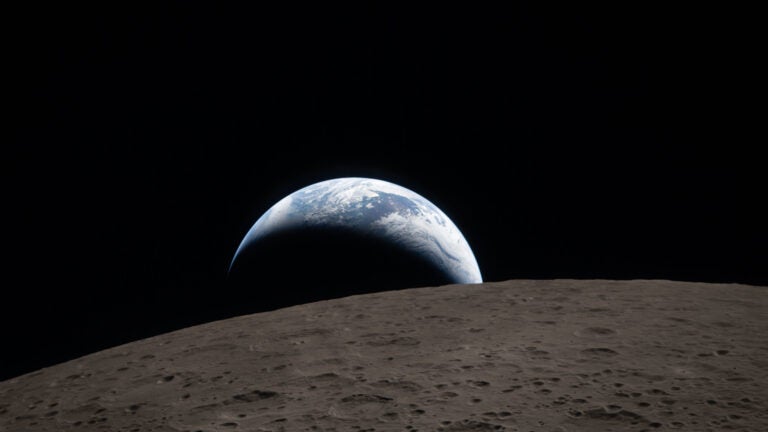
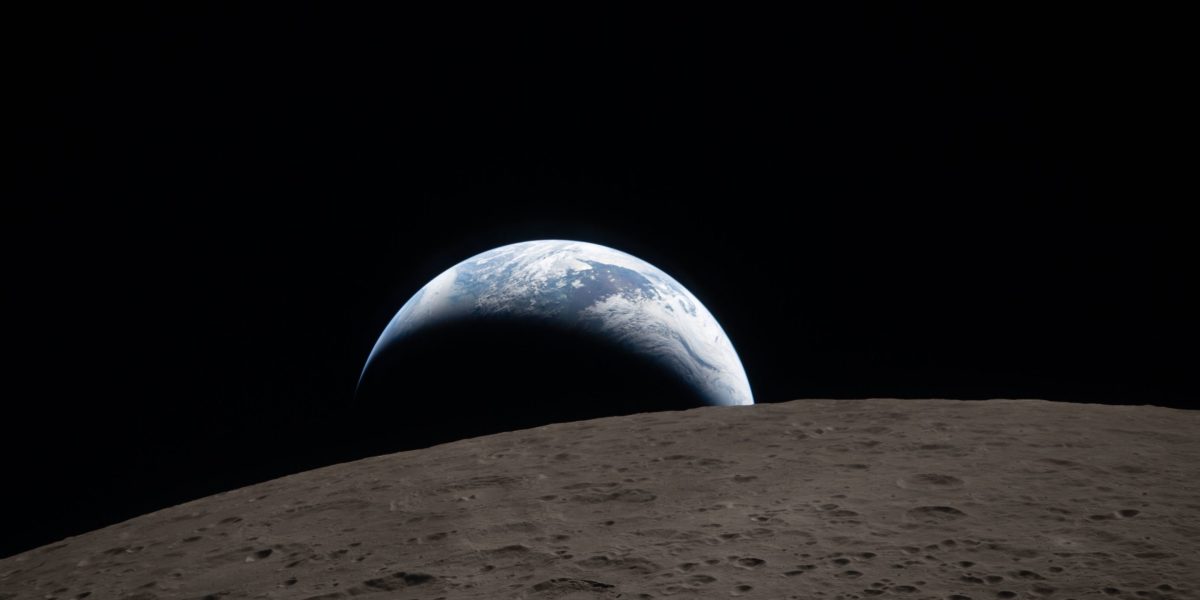
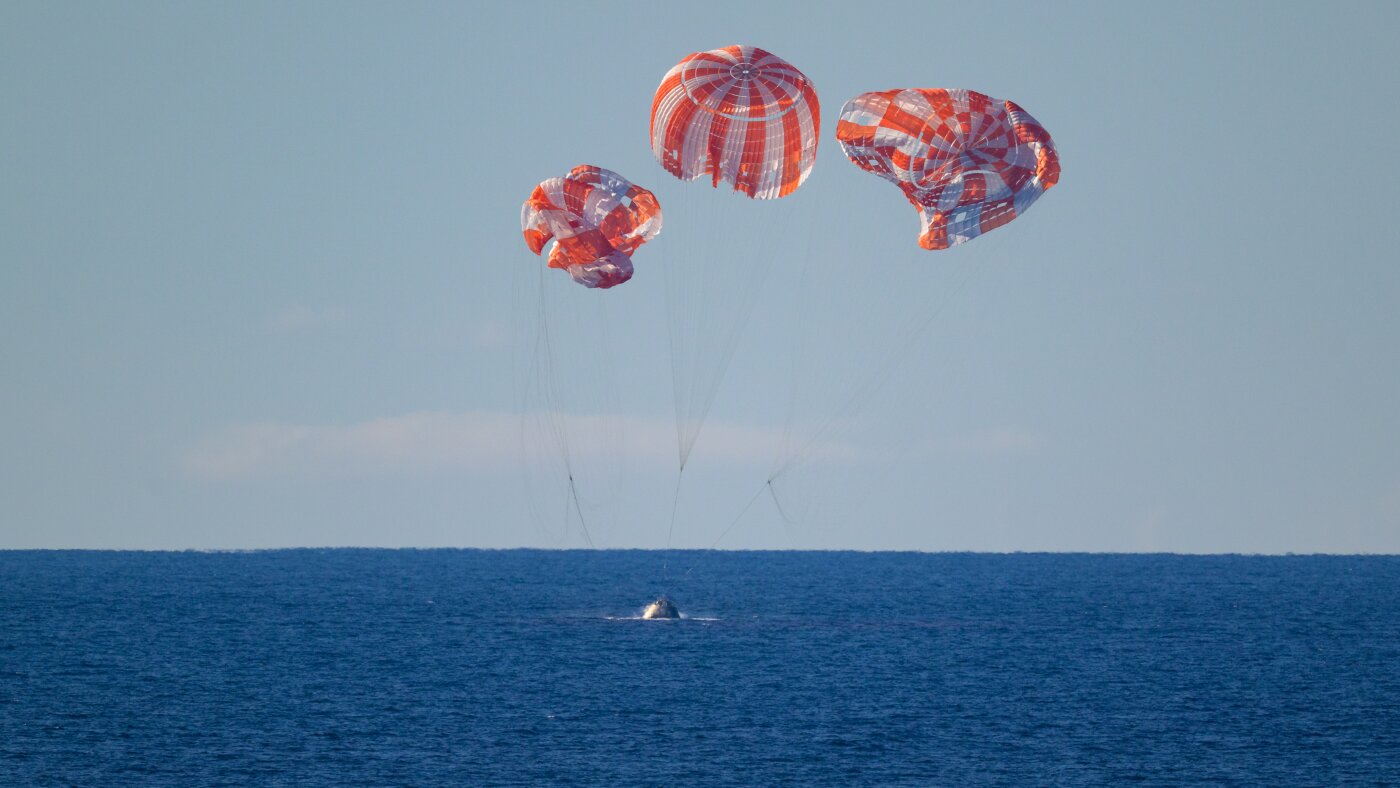
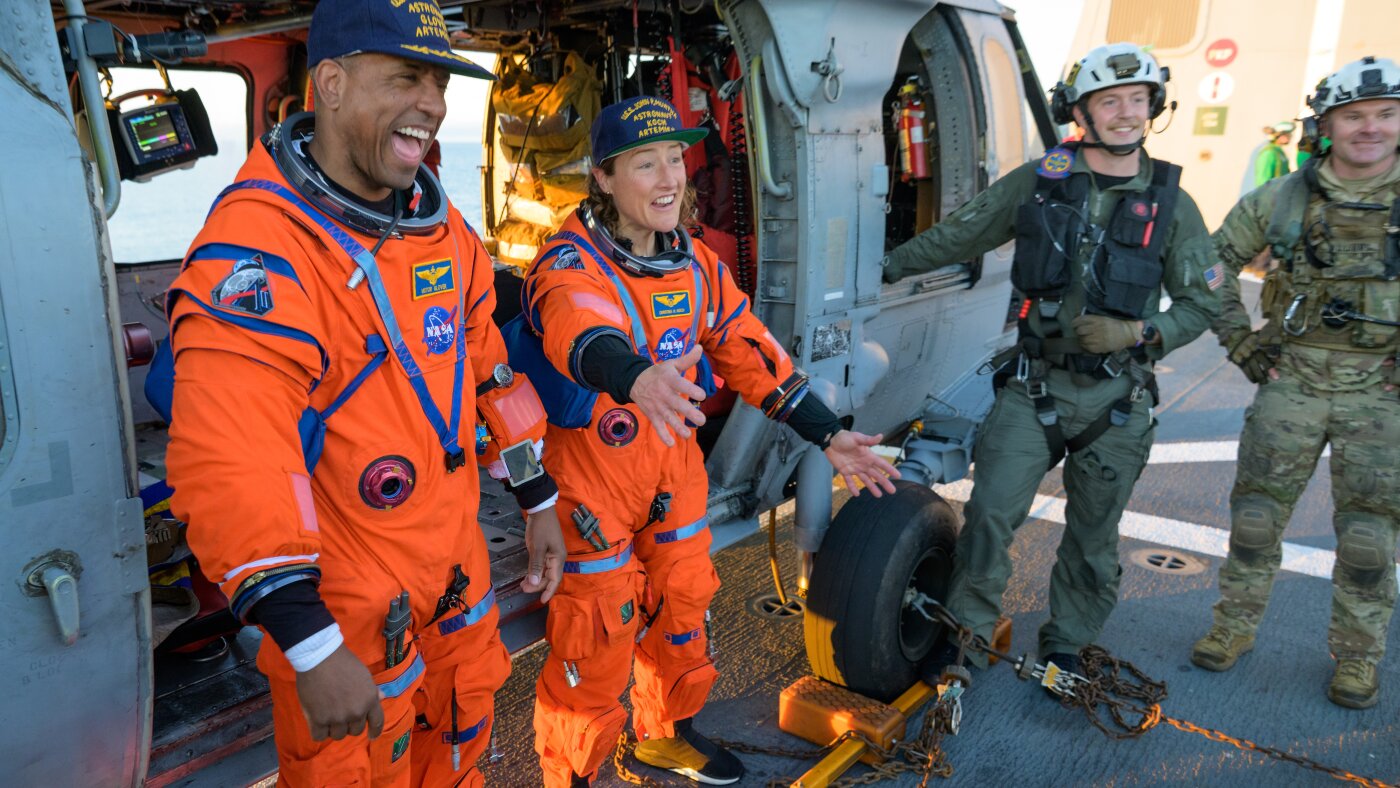
NASA's Artemis II mission successfully returned astronauts, paving the way for Artemis III and future lunar exploration.
#spacex



Startup companies
fromFast Company
6 days agoInside the SpaceX founder factory-and the race to solve the next generation of impossible problems
Most SpaceX alumni founders shift focus from space to industries like agriculture, construction, and manufacturing, creating a new industrial sector in the U.S.


#space-exploration

Science
fromwww.theguardian.com
2 days agoCongratulations to the Artemis II crew but the case for sending astronauts into space is rapidly shrinking | Martin Rees and Donald Goldsmith
The US and China are racing to send humans to the moon and possibly Mars, with significant investments in lunar exploration.
fromLos Angeles Times
3 weeks agoSpaceX launch tonight: When to scan the sky
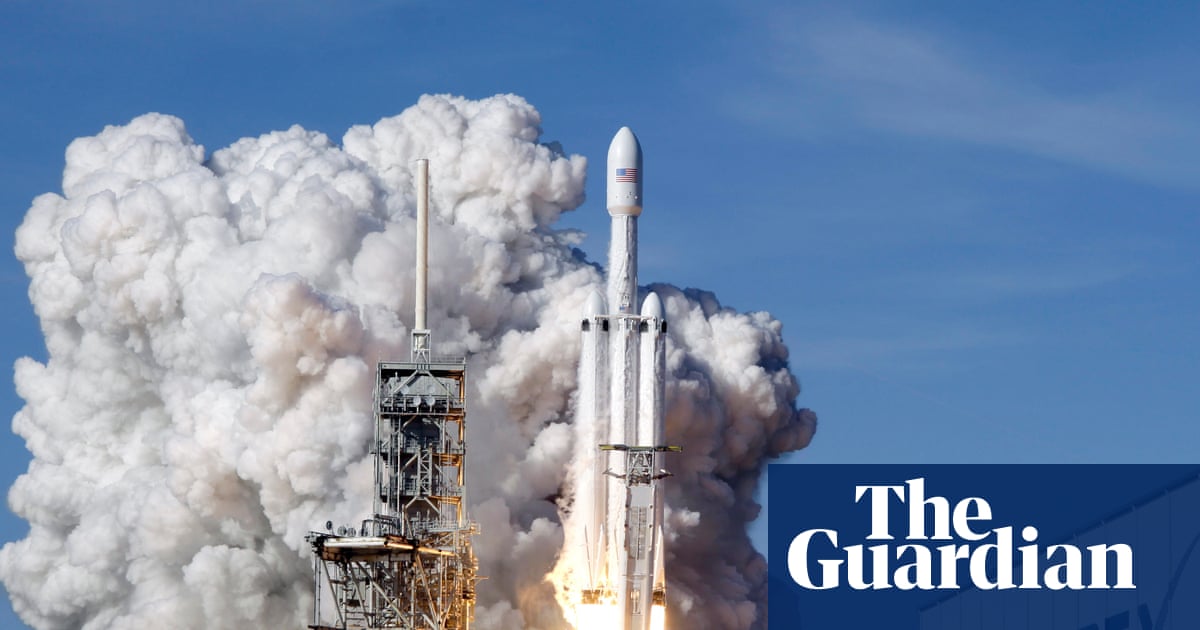
SpaceX's Falcon 9 is set to launch 25 Starlink satellites from Vandenberg Space Force Base to low-Earth orbit at 10:16 p.m. Monday, according to a post by the company. The launch will stream live on SpaceX's website and X account, starting five minutes before launch time.
Silicon Valley
Venture
fromTechCrunch
1 month agoThis SpaceX veteran says the next big thing in space is satellites that return to Earth | TechCrunch
Lux Aeterna develops reusable satellites with integrated heat shields enabling payload return to Earth, securing $10 million seed funding for 2027 demonstration mission.
fromFuturism
2 days agoTrump Hires Orbital Towing Company to Build Space Interceptors
Impulse Space, founded in 2021 by former SpaceX co-founder Tom Mueller, is an up and coming player in the wacky world of space tugs, more professionally known as 'orbital transfer vehicles.' OTVs are satellites designed to carry spaceborn cargo to various orbits.
Science
fromArs Technica
2 months agoRocket Report: How a 5-ton satellite fell off a booster; will SpaceX and xAI merge?
If all goes well this weekend, NASA will complete a wet dress rehearsal test of the Space Launch System rocket in Florida. This is the final key test, in which the rocket is fueled and brought to within seconds of engine ignition, before the liftoff of the Artemis II mission. This is set to occur no earlier than February 6. Ars will have full coverage of the test this weekend.
Miscellaneous
from24/7 Wall St.
1 month agoThe Space Infrastructure Builder Stumbles While the Launch Provider Burns Through Cash Faster
Redwire focuses on space infrastructure and autonomous systems. The company completed its Edge Autonomy acquisition and reported 50.7% year-over-year revenue growth. Management maintained full-year guidance of $320 to $340 million, and the book-to-bill ratio of 1.25 suggests demand is holding. But the business is bleeding cash with a net loss of $41.2 million in Q3, nearly double the $21 million loss from the prior year. Gross margin sits at just 16.3%, leaving almost no room for error.
Startup companies
fromArs Technica
1 month agoSpaceX takes down Dragon crew arm, giving Starship a leg up in Florida
Pad 40 has been the primary Falcon 9 launch site for most of the rocket's history, while Pad 39A provided a location for crew launches and an augmentation to support SpaceX's growing launch cadence. But there are signs the Falcon 9 launch cadence, which reached 165 missions last year, may be peaking as the company turns its attention to Starship. And SpaceX has steadily reduced the time it takes to reconfigure Pad 40 between launches, cutting the turnaround time to less than 48 hours.
Science
Science
fromArs Technica
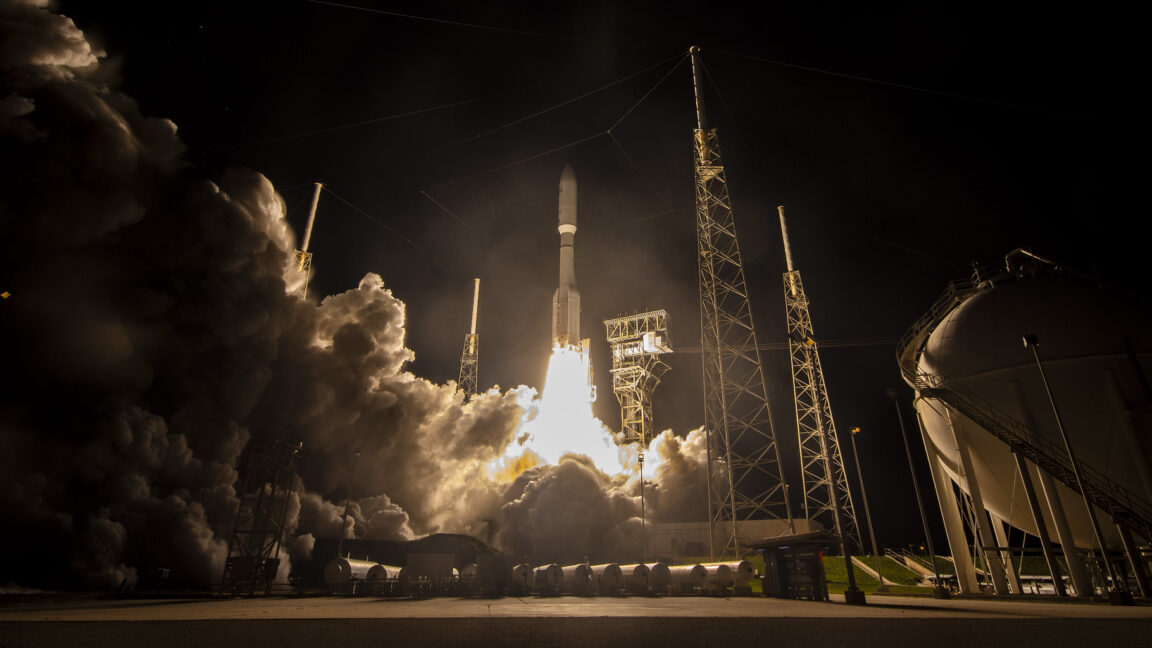
1 month agoULA's Vulcan rocket suffers another booster problem on the way to orbit
Northrop Grumman-built GEM 63XL solid boosters suffered manufacturing-related nozzle insulator failures that reduced thrust, yet Vulcan successfully placed military satellites into geosynchronous orbit.
fromArs Technica
2 months agoRocket Report: SpaceX probes upper stage malfunction; Starship testing resumes
The big news in rocketry this week was that NASA still hasn't solved the problem with hydrogen leaks on the Space Launch System. The problem caused months of delays before the first SLS launch in 2022, and the fuel leaks cropped up again Monday during a fueling test on NASA's second SLS rocket. It is a continuing problem, and NASA's sparse SLS launch rate makes every countdown an experiment, as my colleague Eric Berger wrote this week.
Science
[ Load more ]