#fall-fatality
#fall-fatality
[ follow ]
#power-outages #winter-storm #avalanche #backcountry-skiing #climate-change #avalanches #investigation #fatalities

fromSnowBrains
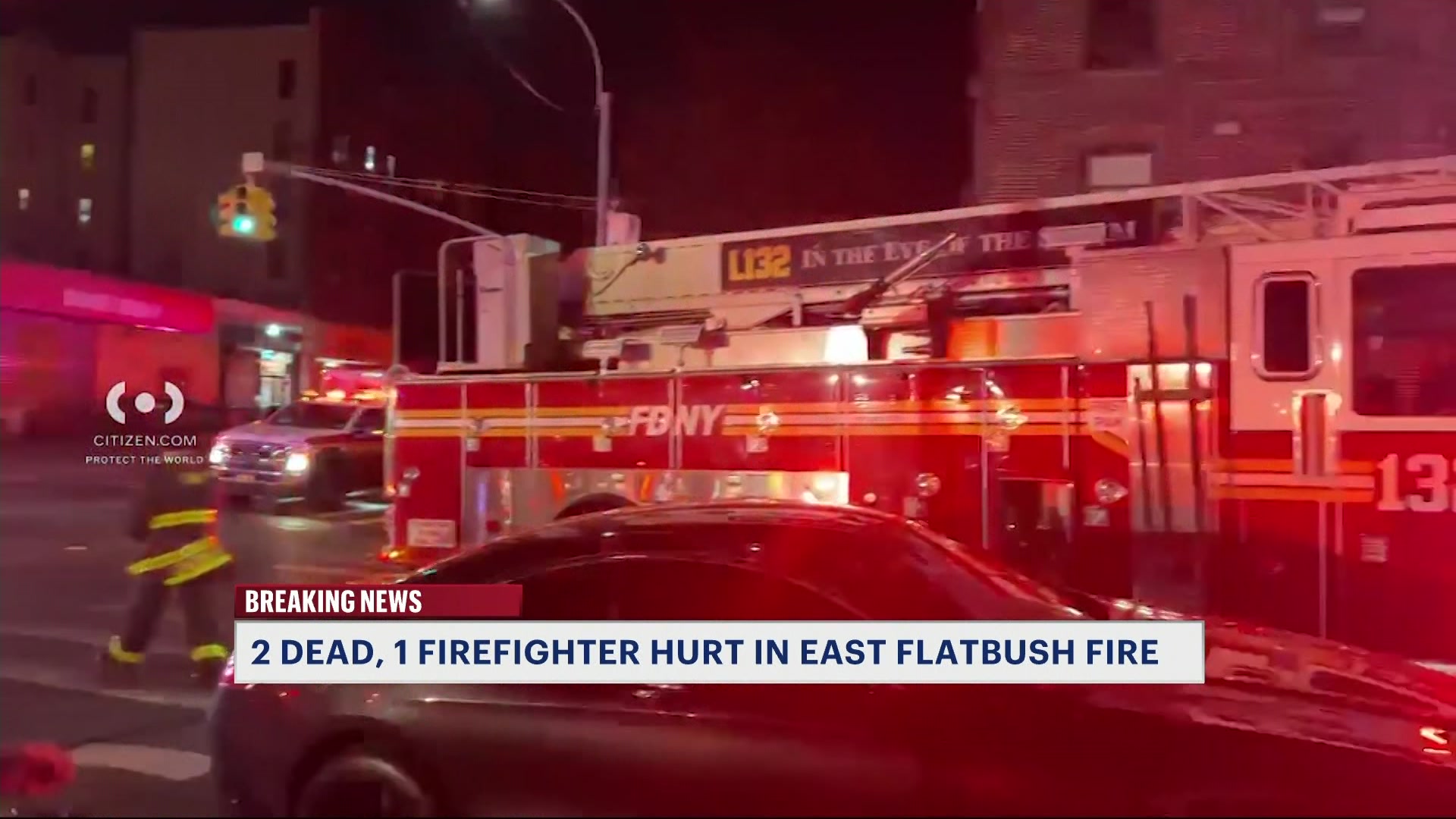
3 days agoItalian Mountains See 528 Fatal Accidents & Rising Number of Mountain Rescues in 2025 - SnowBrains
In 2025, the mountain rescue service faced an unprecedented number of operations, with 13,037 rescues conducted, averaging 35 missions a day, reflecting a significant increase in demand.
Snowboarding

fromwww.theguardian.com
6 days agoNon-survivable': heatwaves are already breaching human limits, with worse to come, study finds
When scientists applied a new model of human survivability that takes into account the body's ability to function and stay cool depending on age, they found all six events had seen non-survivable periods for older people who could not find shade.
Environment
fromsfist.com
3 weeks agoReport: More Than 150,000 US COVID Deaths Were Unreported In 2020 and 2021
"Our antiquated death investigation system is one key reason why we fell short of accurate counts, particularly outside of big metropolitan areas," said Andrew Stokes of Boston University, the senior author on the paper.
Coronavirus
fromMail Online
1 month agoHazardous weather alert for 200 million as megastorm barrels across US
The storm from Sunday into Monday has the potential to become a bomb cyclone, which occurs when central pressure drops at least 0.71 inches of mercury (24 millibars) in 24 hours or less. That rapid strengthening would generate an expansive and intense wind field.
Chicago
Skiing
fromLos Angeles Times
1 month agoAn 8-year old's terrifying fall from ski lift reignites an old debate
An 8-year-old boy fell 30 feet from a ski lift near Lake Tahoe, prompting helicopter evacuation. Ski lift falls remain rare but fuel anxiety among novice skiers, with safety bar usage varying between mandatory European resorts and optional U.S. resorts.
New York City
fromNew York Post
1 month agoExclusive | Mamdani admin admits 7 other New Yorkers died indoors from cold - as grim tally reaches 29
New York City's administration confirmed 29 cold-related deaths during a January-February cold snap, with 14 occurring indoors and 15 outdoors from hypothermia, after initially withholding complete information from the public.

fromMail Online
1 month agoBritain's record-breaking bad weather linked to rise in broken bones
Vitamin D certainly keeps our bones and muscles strong. This is particularly true for young children and post-menopausal women. Low levels means weak muscles and bones, which raises the risk of falls and could lead to bone breaks.
UK news
fromThe Local France
1 month agoDeath toll from last summer's French heatwaves nearly 6,000
A total 5,722 people died as a direct result of the summer heat in 2025, the third hottest summer on record and one which featured two severe extended heatwaves in late June/early July and in the middle of August, a Santé Publique France report shows. Of those fatalities, more than 1,900 were attributed directly to heat exposure - which represented 12 percent of all deaths during the periods of high heat.
France news


California
fromsfist.com
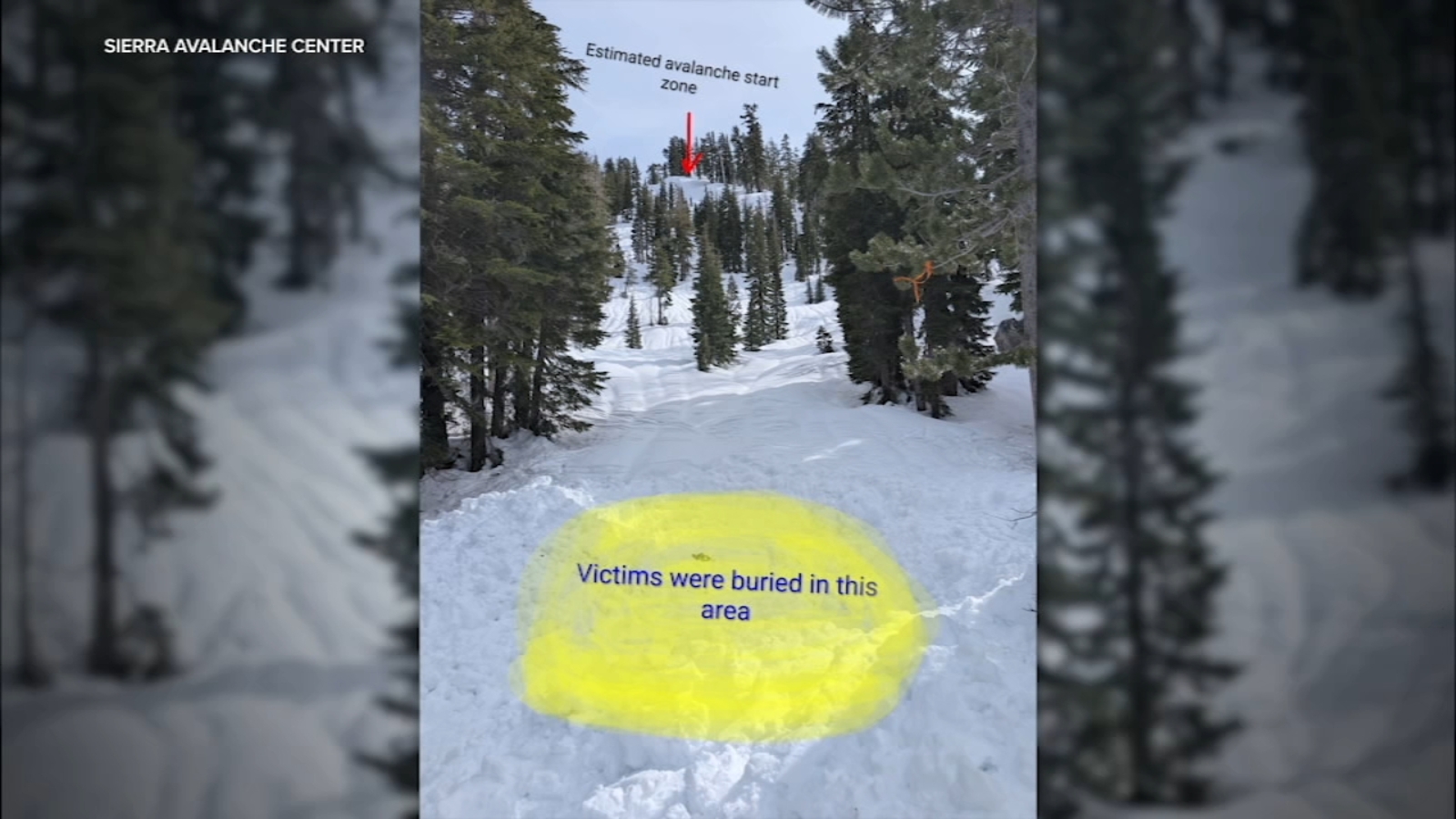
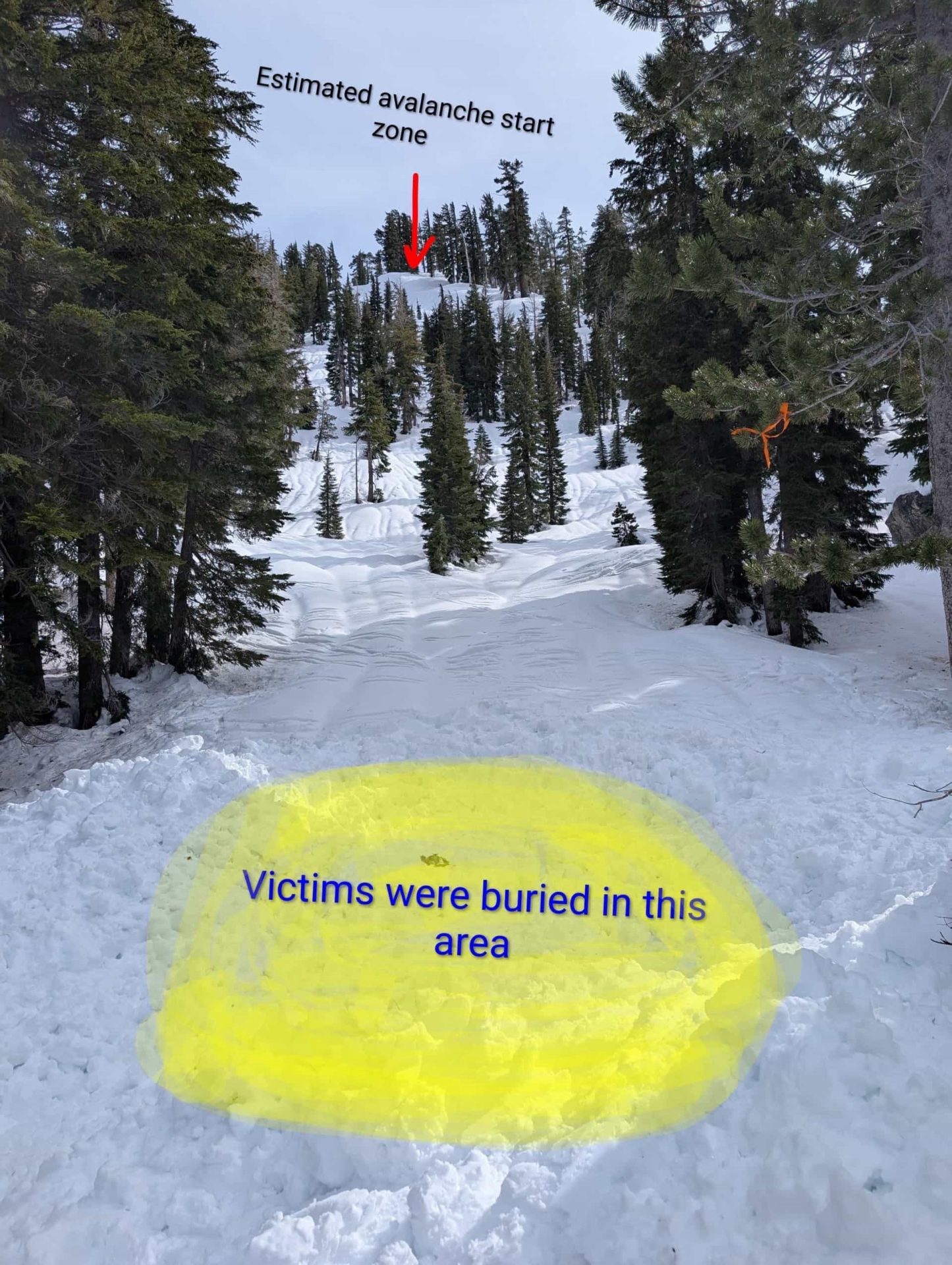
1 month agoSaturday Links: Two Skiers Die in Separate Incidents at Lake Tahoe's Heavenly Resort
Fatal ski incidents at Lake Tahoe, new Oakland sex-trafficking penalties, insurance disputes, teacher layoffs, a Supreme Court tariff ruling, wildfire-insurance bill, and a memorial.


fromBoston.com
2 months ago19-year-old killed in snowy Maine crash
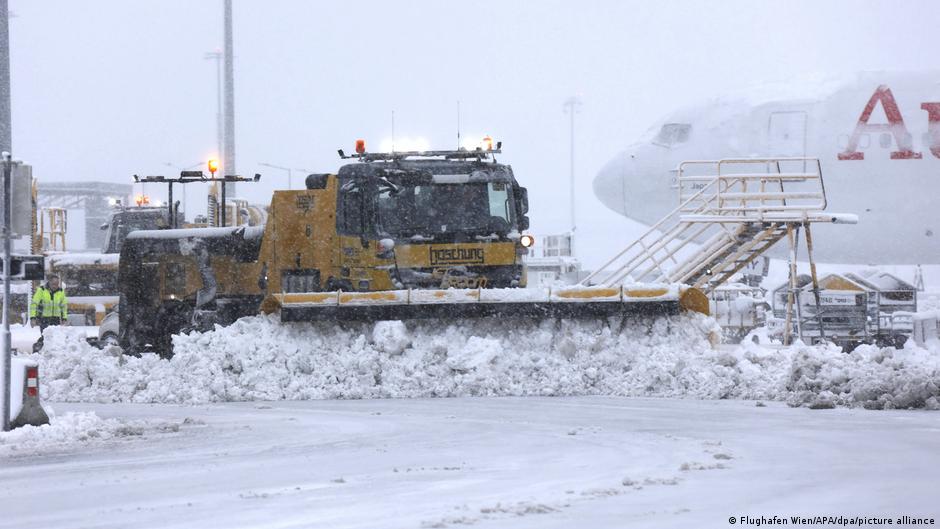
A 19-year-old Connecticut woman died Saturday following a crash on a snowy Maine highway, authorities said. Maine State Police identified the teen as Joamaliz Orozco, an East Hartford resident. Shortly before 2 p.m. Saturday, troopers responded to a crash on the Falmouth Spur near the on-ramp to Interstate 295 North in Falmouth, State Police said. The car, a white 2013 Subaru Impreza, had reportedly gone off the road and crashed into the guardrail.
US news
Public health
fromwww.theguardian.com
1 month agoWood burning pollution leads to 8,600 premature US deaths a year, study finds
Residential wood burning causes an estimated 8,600 premature US deaths annually and contributes about 21% of wintertime particulate pollution despite only 10% of homes burning wood.
New York City
fromNews 12 - Default
2 months agoDangerous cold turns deadly in NYC as more warming buses open in Brooklyn
Prolonged, dangerously cold temperatures in New York City have caused at least ten outdoor deaths and prompted expansion of warming centers, buses, and emergency outreach under Code Blue.
fromBrooklyn Eagle
2 months ago10 people die in NYC's frigid cold, raising questions about the city's preparedness
Each is among a growing number of people - at least 10, as of Tuesday - who died after being exposed to the bitter cold that has persisted in New York City since late last Friday. Their causes of death are still under investigation, but some showed signs of having succumbed to hypothermia. Officials said several victims were believed to have been living on the streets. At least six of the fatalities came early Saturday, as the temperature in the city fell to 9 degrees (minus 13 degrees Celsius).
Brooklyn
fromwww.dw.com
1 month agoAustria: Snowstorm leaves at least 5 dead
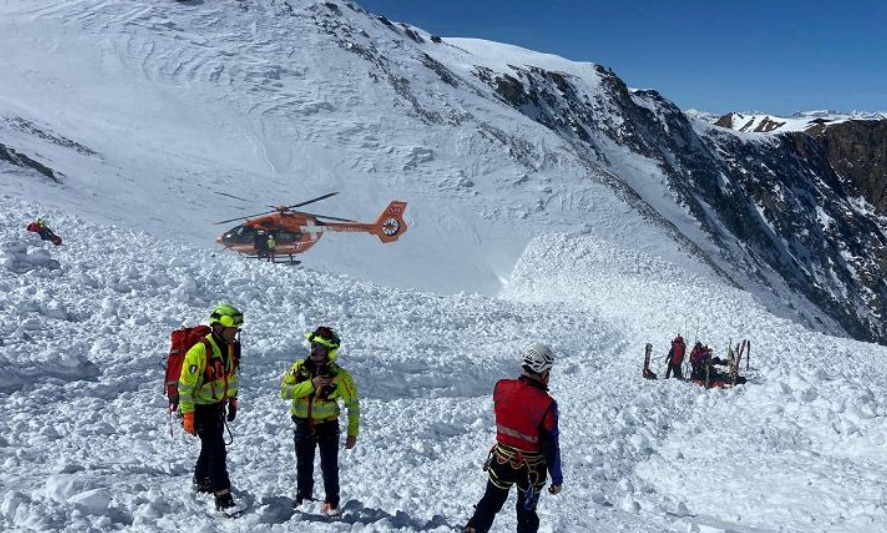
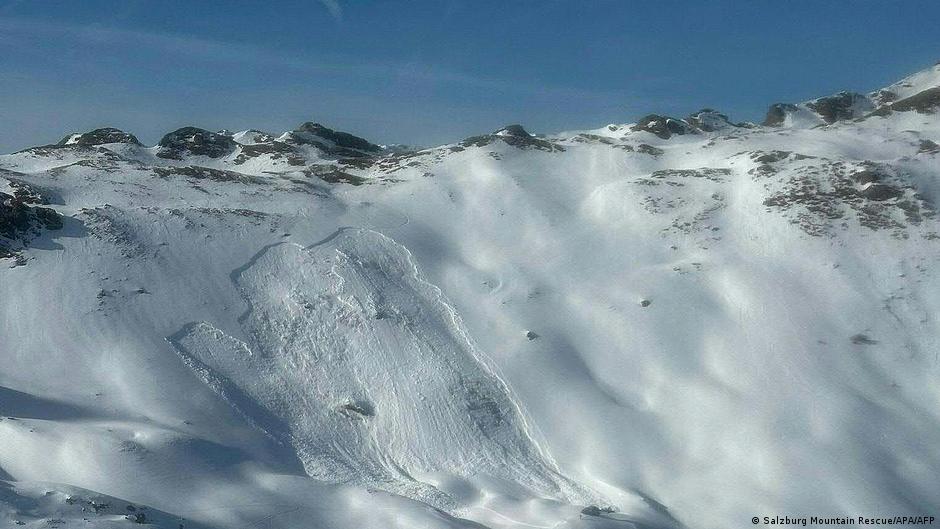
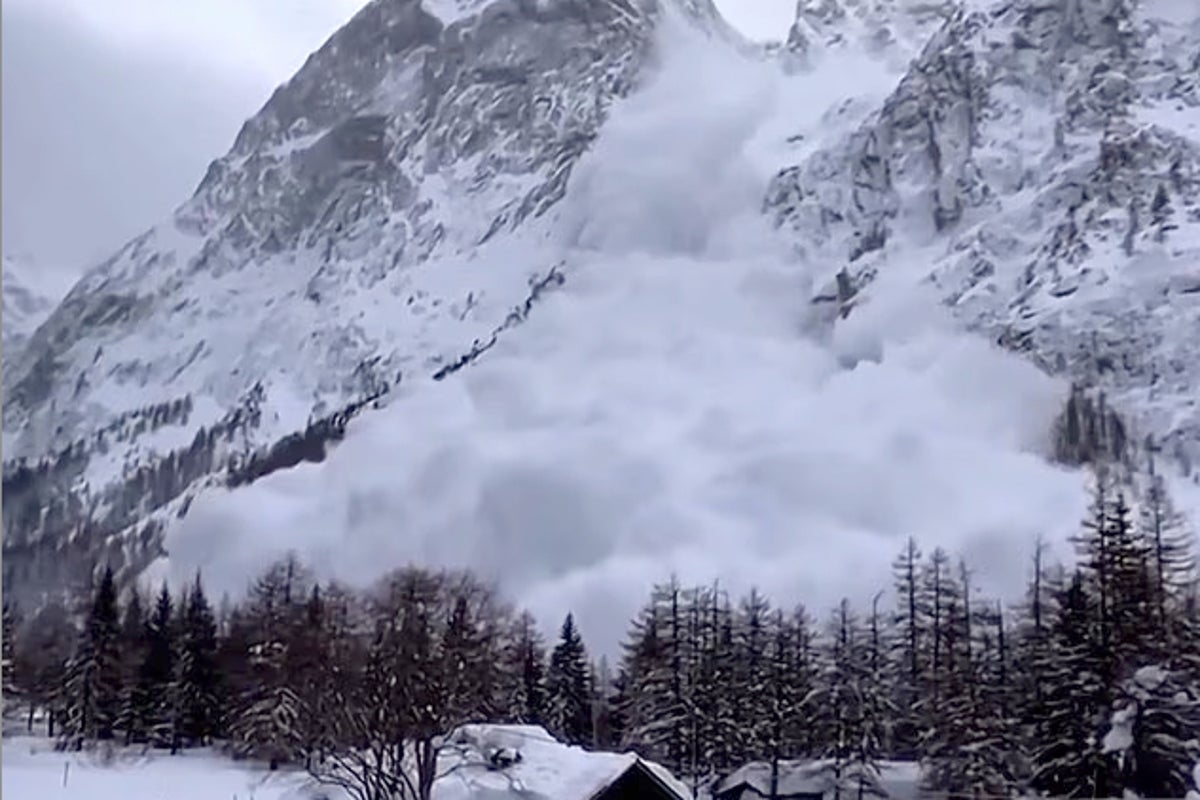
Four skiers were killed in avalanches in the Tyrol region. Three of them died in a massive avalanche near the St Anton ski resort, officials said. Two of the victims were recovered from the snow but could not be saved, and the third died in the hospital, a police spokesman said. A German skier died in an avalanche in Nauders. He had been skiing off-piste with his 16-year-old son, who survived with serious injuries, police said.
Miscellaneous
fromBrooklyn Eagle
2 months agoCouncil set to probe freeze response as 17th person reported dead
CITYWIDE - THE CITY COUNCIL is set to hold hearings next week into the wave of exposure deaths during the ongoing deep freeze, reports NBC 4 News , following an announcement by Mayor Zohran Mamdani on Wednesday that another person was found deceased, the 17th since the beginning of the cold weather.
New York City
Environment
fromEarth911
1 month agoGuest Idea: The Wildfire Season You're Not Prepared For
Extreme wildfire conditions caused by heat, drought, and wind alignment have nearly tripled globally over 45 years, with human-caused climate change responsible for over half this increase, making simultaneous extreme fire weather across multiple regions increasingly common.
fromSilicon Canals
2 months agoThe one thing meteorologists wish people would stop doing before a winter storm hits - Silicon Canals
When I spoke with emergency management officials last year, they all mentioned the same frustrating scenario. People ignore storm warnings until the precipitation starts falling, then suddenly everyone rushes out at once. The roads become congested with anxious drivers, accidents spike, and stores run out of essentials just when people need them most. But here's what really gets meteorologists worked up about this pattern. Modern weather forecasting has become incredibly accurate, especially for major winter storms.
Public health
fromSnowBrains
1 month agoAustrian Alpine Safety Trust Sounds Alarm as the Country's Avalanche Deaths Double Inside 10 Days - SnowBrains
As of February 24, 24 people had died in avalanche accidents during the 2025-26 winter season. Much of the statistics provided by ÖKAS in the report were based on this number, however two additional fatalities were reported by Wednesday afternoon, bringing the new total to 26. ÖKAS states that in the last 10 years, an average of 11 people had died by the end of February each year.
Snowboarding
fromwww.theguardian.com
1 month agoLess snow, or more risk? What you need to know about avalanches and climate change
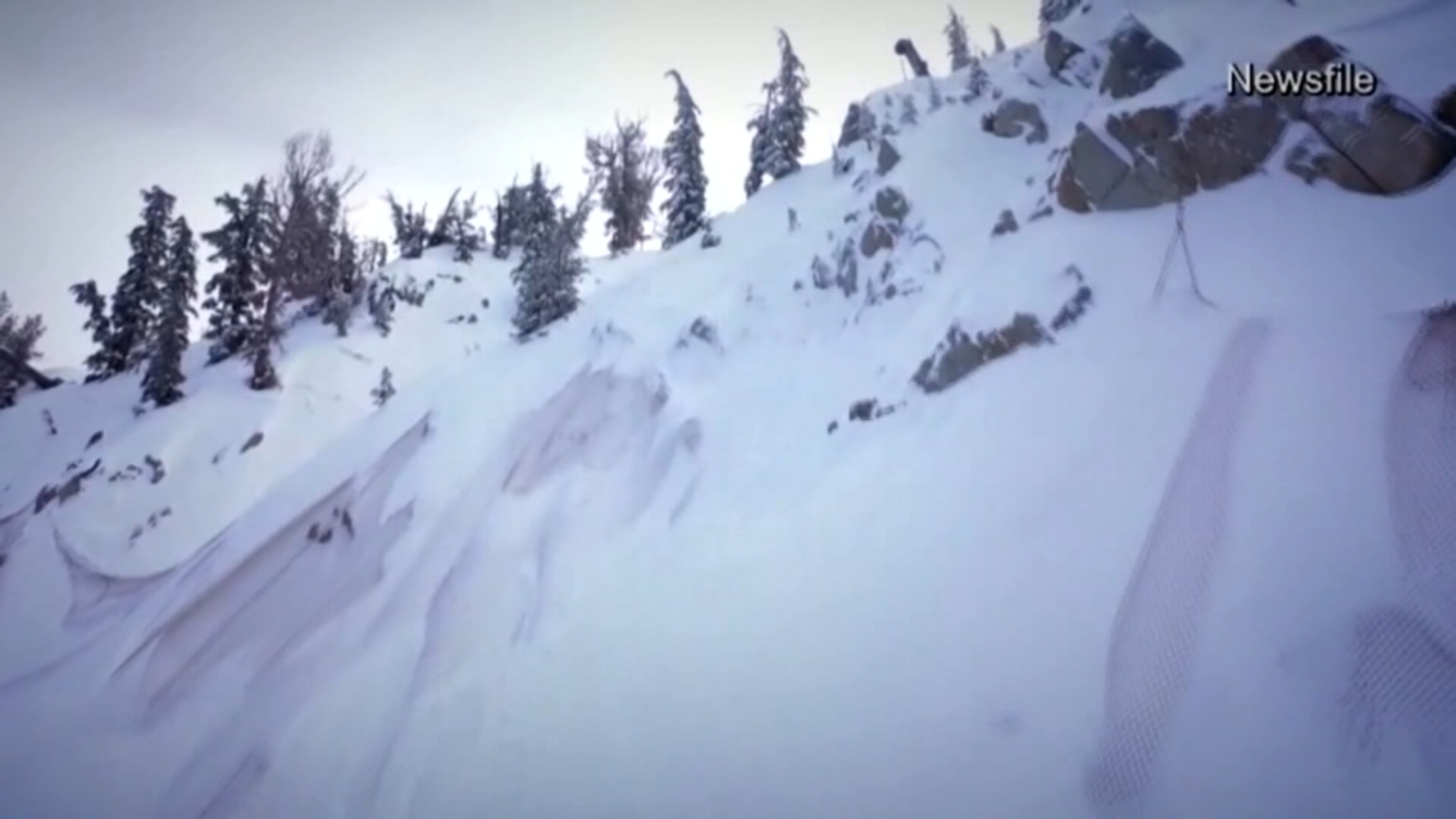
Avalanches kill about 100 people in Europe each year, with vast masses of ice, snow and rock regularly crashing down on hikers and skiers who have been caught unawares. The structure of the snow, angle of the slope and variation of the weather can dictate whether a gentle disturbance like a gust of wind or the glide of a snowboard can trigger a deadly shift in the mountain.
Environment
fromwww.theguardian.com
2 months agoAustralia's worst heatwave since black summer made five times more likely by global heating, analysis finds
Human-caused global heating made the intense heatwave that affected much of Australia in early January five times more likely, new analysis suggests. The heatwave earlier this month was the most severe since the 2019-20 black summer, with temperatures over 40C in Melbourne and Sydney, even hotter conditions in regional Victoria and New South Wales, and extreme heat also affecting Western Australia, South Australia and Tasmania.
Environment
[ Load more ]