#fallout
#fallout
[ follow ]
#climate-change #chernobyl #nuclear-power #health-risks #nuclear-energy #environmental-impact #nuclear-disaster







Environment
fromwww.theguardian.com
3 days agoA catastrophic climate event is upon us. Here is why you've heard so little about it | George Monbiot
Billionaires' wealth accumulation leads to political control, tax avoidance, and environmental degradation, risking catastrophic climate events like the collapse of oceanic circulation systems.
fromHigh Country News
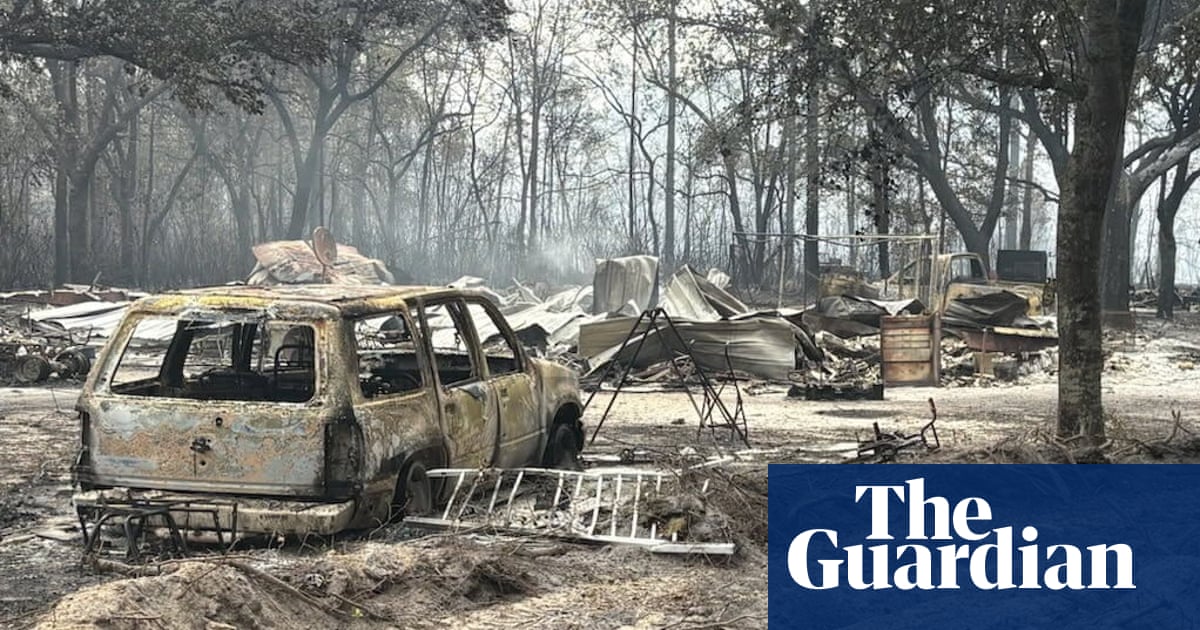
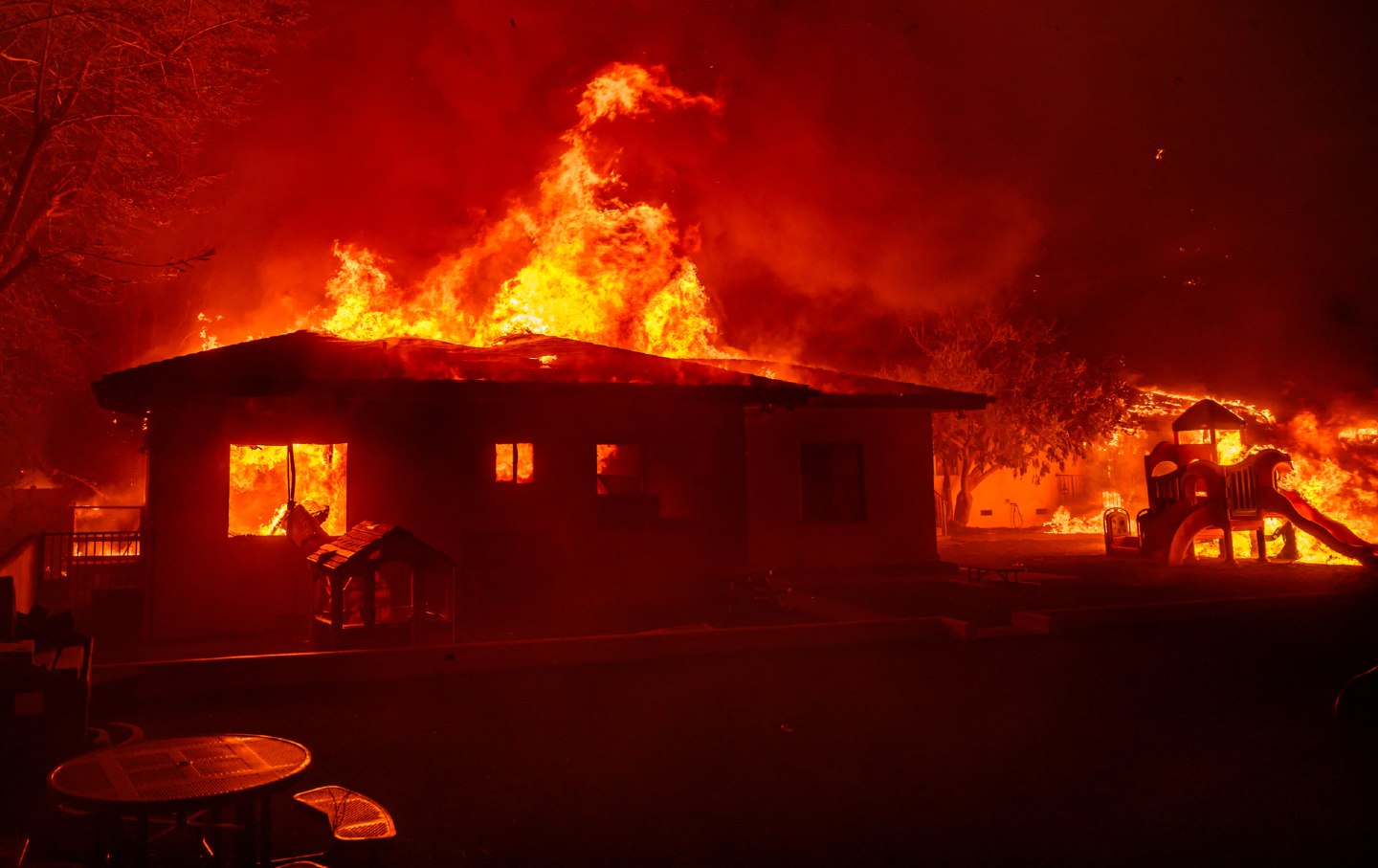
6 days agoWildfires make soil poisonous - High Country News
Researchers have known since at least 2008 that wildfires can create chromium-6, but a new study, published in the journal Environmental Science and Technology in November, is the first to report details such as how long it might persist in groundwater.
Environment

fromwww.theguardian.com
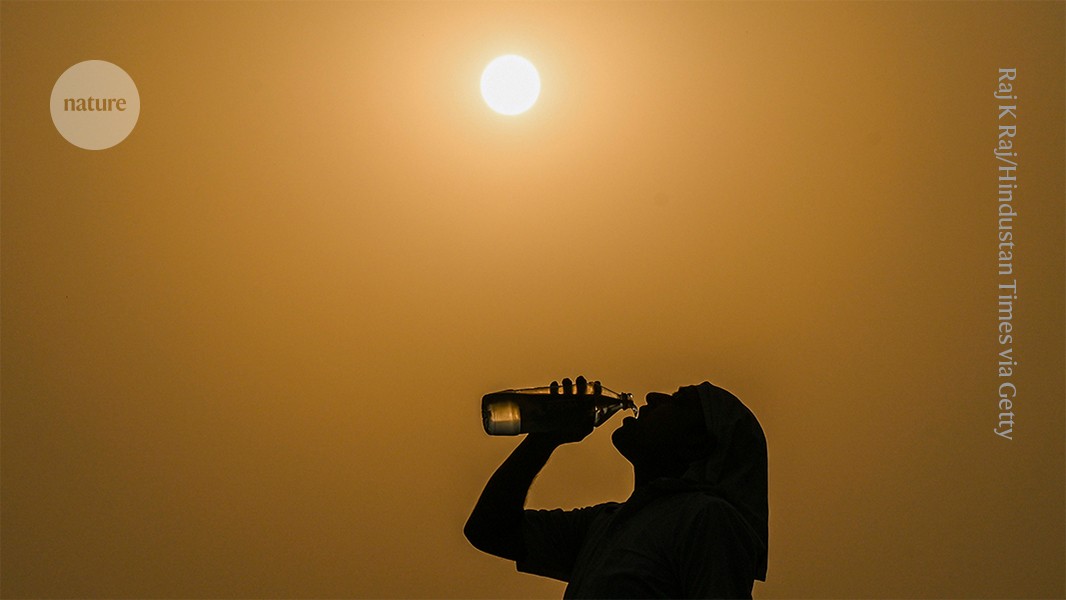
2 weeks agoNon-survivable': heatwaves are already breaching human limits, with worse to come, study finds
When scientists applied a new model of human survivability that takes into account the body's ability to function and stay cool depending on age, they found all six events had seen non-survivable periods for older people who could not find shade.
Environment
World politics
fromLondon Business News | Londonlovesbusiness.com
1 month agoFears of nuclear catastrophe as UN prepares for fallout from Iran strikes - London Business News | Londonlovesbusiness.com
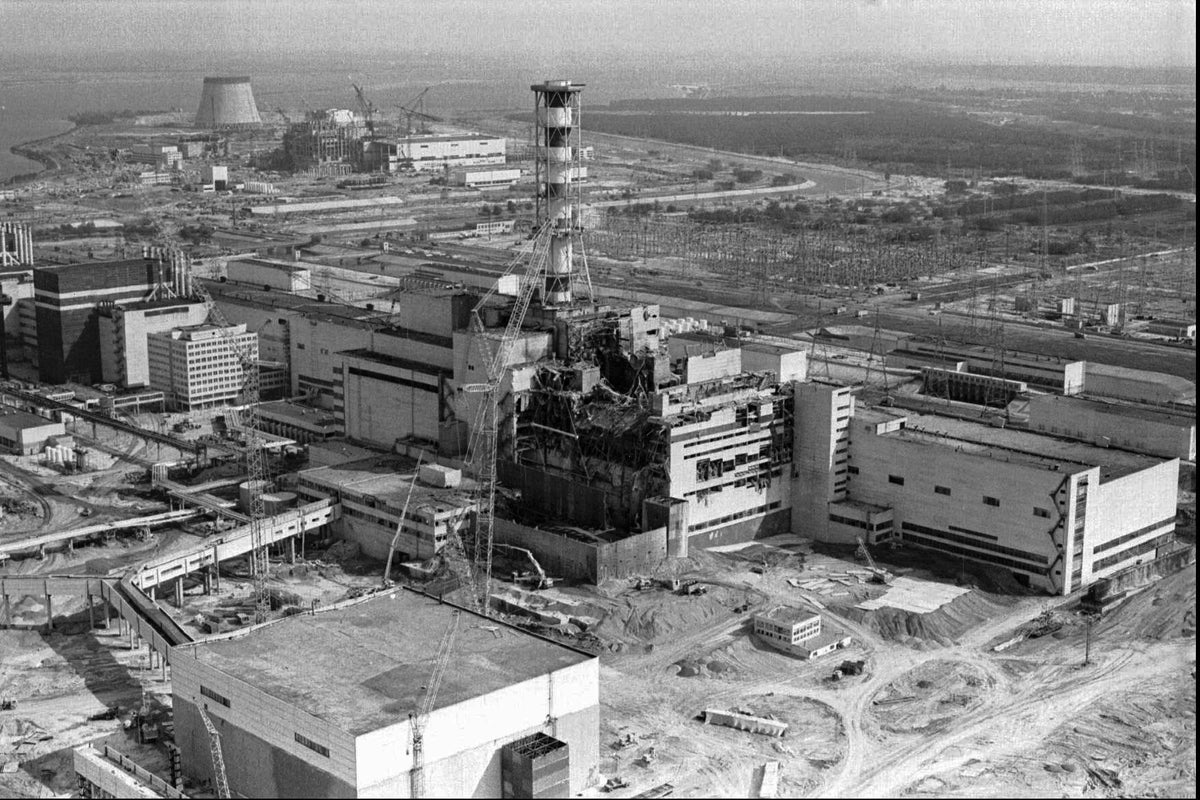
Nuclear facilities in conflict zones face catastrophic risks from military strikes, with limited international oversight and potential for decades-long consequences.
Artificial intelligence
fromFuturism
1 month agoAI CEOs Worried About Chernobyl-Style Event Where Their Tech Causes a Horrific Catastrophe
AI industry leaders fear a catastrophic, high-visibility event could permanently damage public trust and adoption of AI technology, similar to how the Hindenburg disaster ended airship development.

fromFuturism
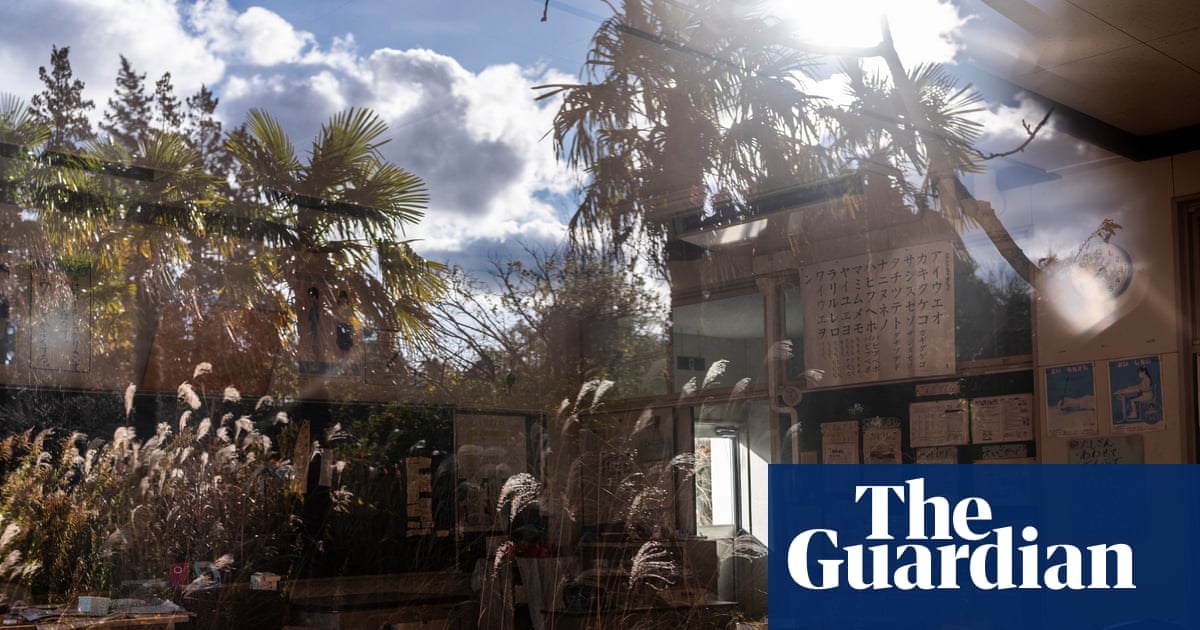
1 month agoHuge Study Finds Living Near Nuclear Plants Linked With Cancer Deaths
Our study suggests that living near a [nuclear power plant] may carry a measurable cancer risk - one that lessens with distance. We recommend that more studies be done that address the issue of NPPs and health impacts, particularly at a time when nuclear power is being promoted as a clean solution to climate change.
Public health
World news
fromLondon Business News | Londonlovesbusiness.com
1 month agoToxic smoke and 'acid rain' engulfs Tehran amid deadly strikes on oil facilities - London Business News | Londonlovesbusiness.com
U.S. and Israeli airstrikes on Tehran's oil and gas facilities released toxic compounds causing hazardous air pollution and acidic rain threatening public health.
fromwww.dw.com
1 month agoIran war risks long-term toxic legacy for people and nature
The US are claiming that they've hit 5,000 sites. So right now, we're just scratching the surface. That's just the tip of the iceberg. The researchers say that figure likely captures only a fraction of the damage from strikes on missile bases to attacks on oil tankers in the Persian Gulf.
Environment
fromwww.dw.com
2 months agoPlastic emissions could double health damage by 2040
Plastic is everywhere. Inside the human body, in the depths of the ocean and the far reaches of the Arctic. Now a new study warns that, unless the world changes course, plastic could more than double its damage to human health within the next two decades. The culprit is not plastic litter in the environment or microplastics, but the emissions released across plastic's entire life cycle from fossil fuel extraction and manufacturing to transport, recycling and disposal.
Environment
fromArs Technica
2 months agoCOVID-19 cleared the skies but also supercharged methane emissions
The remaining question, though, was where all this methane was coming from in the first place. Throughout the pandemic, there was speculation that the surge might be caused by super-emitter events in the oil and gas sector, or perhaps a lack of maintenance on leaky infrastructure during lockdowns. But the new research suggests that the source of these emissions was not what many expected. The microbial surge
Environment
Environment
fromEarth911
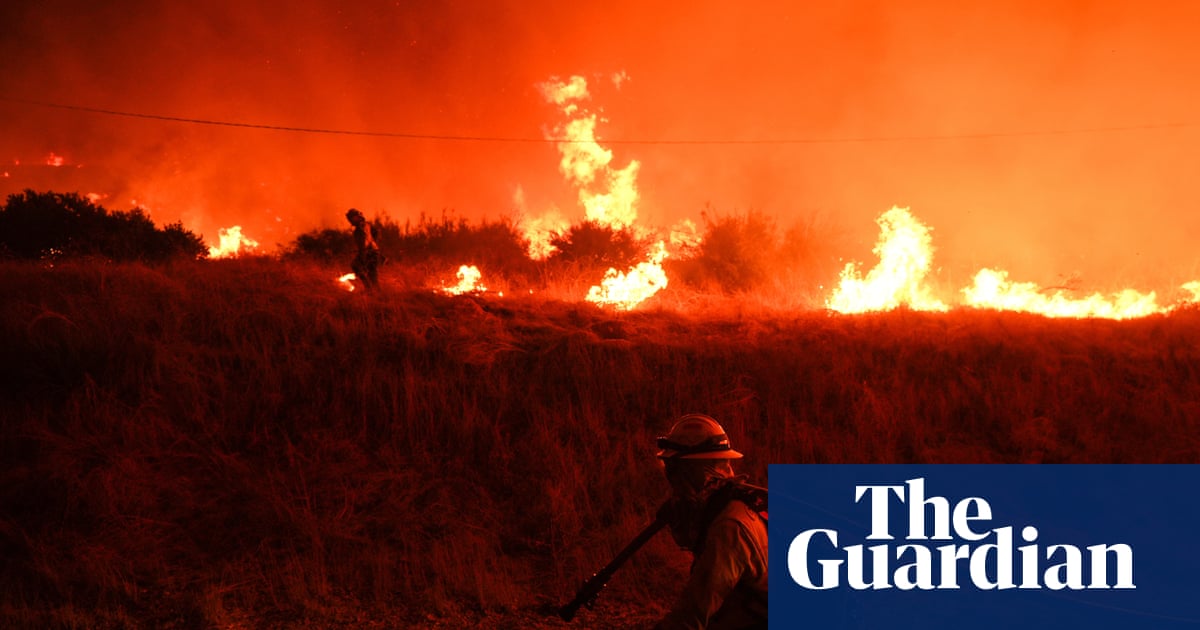
1 month agoGuest Idea: The Wildfire Season You're Not Prepared For
Extreme wildfire conditions caused by heat, drought, and wind alignment have nearly tripled globally over 45 years, with human-caused climate change responsible for over half this increase, making simultaneous extreme fire weather across multiple regions increasingly common.
[ Load more ]