Women in technology
fromRealagriculture
1 day agoGetting comfortable with discomfort is where real progress for the farm begins
Leaning into discomfort can transform challenges into manageable tasks, fostering growth and progress.
Bayer is supplementing human security patrols around its 8,000 acre Hawaiian corn farm with robotic security dogs, supplied by the tech firm Asylon. The Asylon dogs are meant to guard the company's precious maize from vandals, wildfires, wild fauna, and other hazards around the clock.
"The awesome thing with pulse crops is no nitrogen needs... not having to put any nitrogen on a pulse crop is a great starting point," he says, noting that this allows growers to not only meet PKS requirements but, in some cases, build soil fertility for the rotation.
Across Ontario, producers are building healthier soils and improving their operations through everyday decisions - ones that shape productivity today and influence the legacy left for the next generation. The Ontario On-Farm Climate Action Fund (OFCAF) supports this work by providing cost-share funding to support the implementation of nitrogen management, cover cropping and rotational grazing projects. Many operations are already putting these beneficial management practices (BMPs) to work.
Starting plants from seed extends your relationship with the garden, gives you more control over seed sourcing, and saves real money compared to buying nursery starts, sometimes as much as 90% per plant.
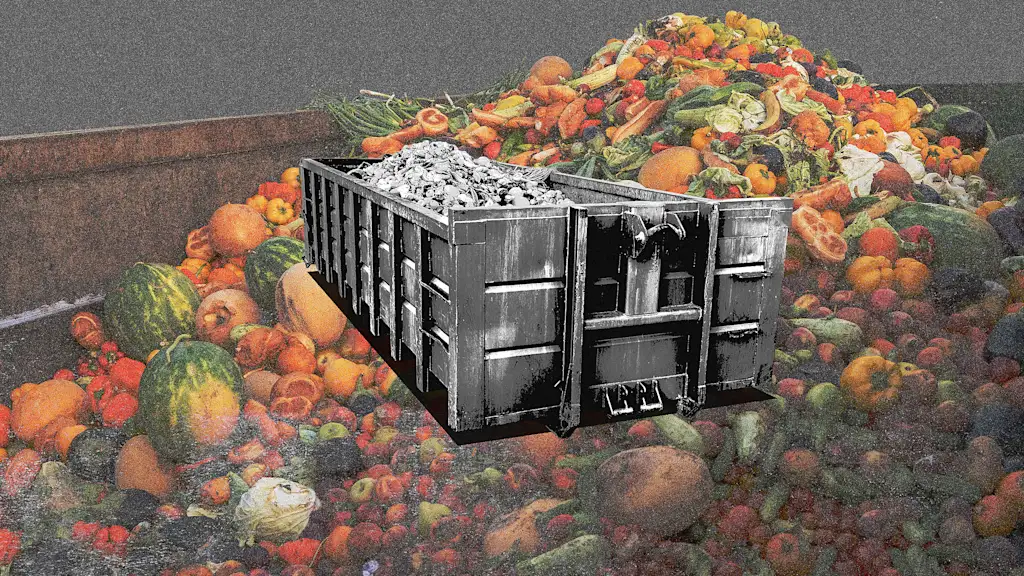
When you think of farming, what ingredients do you generally associate with a successful harvest? The basics certainly come to mind: fertile soil, plenty of sunlight and lots of water. But there are other variables that can also mean the difference between a crop of healthy fruits and vegetables and a large heap of organic waste. And it turns out that one of those variables is a very small hawk.
The term "soil fatigue" or exhaustion refers to the condition that soil profiles take on when they've been heavily monocropped and untended. This soil is devoid of the microbial content that offers plants bioavailable food. It lacks the fungal and bacterial organisms that interact with plant nutrients.
My older brother has worked with pigs his entire adult life, managing about 70,000 of them across five counties, Faaborg says. But we got to a point where he went from laughing at me to saying: well, I guess maybe I'll quit my job and help you out. Now he's the most dedicated, says Katherine Jernigan, director of the Transfarmation Project at Mercy for Animals, a non-profit that helped the Faaborgs make the switch and set up their new business, 1100 Farm.
As concepts such as "regenerative" and "biodynamic" continue to enter the mainstream coffee lexicon, scientists continue to literally dig into the soil to give them meaning. A recent peer-reviewed study from India's Western Ghats argues that one of the clearest signals of healthy, sustainable coffee farms lies in the ground itself, with organic coffee soils performing better than soils from conventional farms treated with synthetic inputs.
"I've been with Syngenta for 28 years," Ramachandran says, noting that early travels across Canada shaped his passion for seed care. "What really stood out to me is seeing firsthand the passion, the resilience and the impact the growers made." Those experiences, combined with Canada's short growing season, continue to guide his work. "Everything that we have done... is around addressing those challenges, and how do we create solutions that are fit for purpose, for Canadian growers?"
According to the job posting, the successful candidate will serve as the lead provincial specialist for edible beans and edible oilseeds, including Identity Preserved (IP) soybeans, spring and winter canola, flaxseed, and sunflower. The role centres on technology transfer - developing and implementing strategies, policies, and programs - while coordinating projects that assess new and existing practices for their suitability under Ontario conditions. The specialist will also prepare and deliver educational tools, act as a liaison between the research community and industry, support policy and program development, and manage high-priority or contentious issues in the sector.