#fitness-band
#fitness-band
[ follow ]
#wearable-technology #wearables #health-tracking #smartwatch #apple-watch #health-monitoring #health-technology


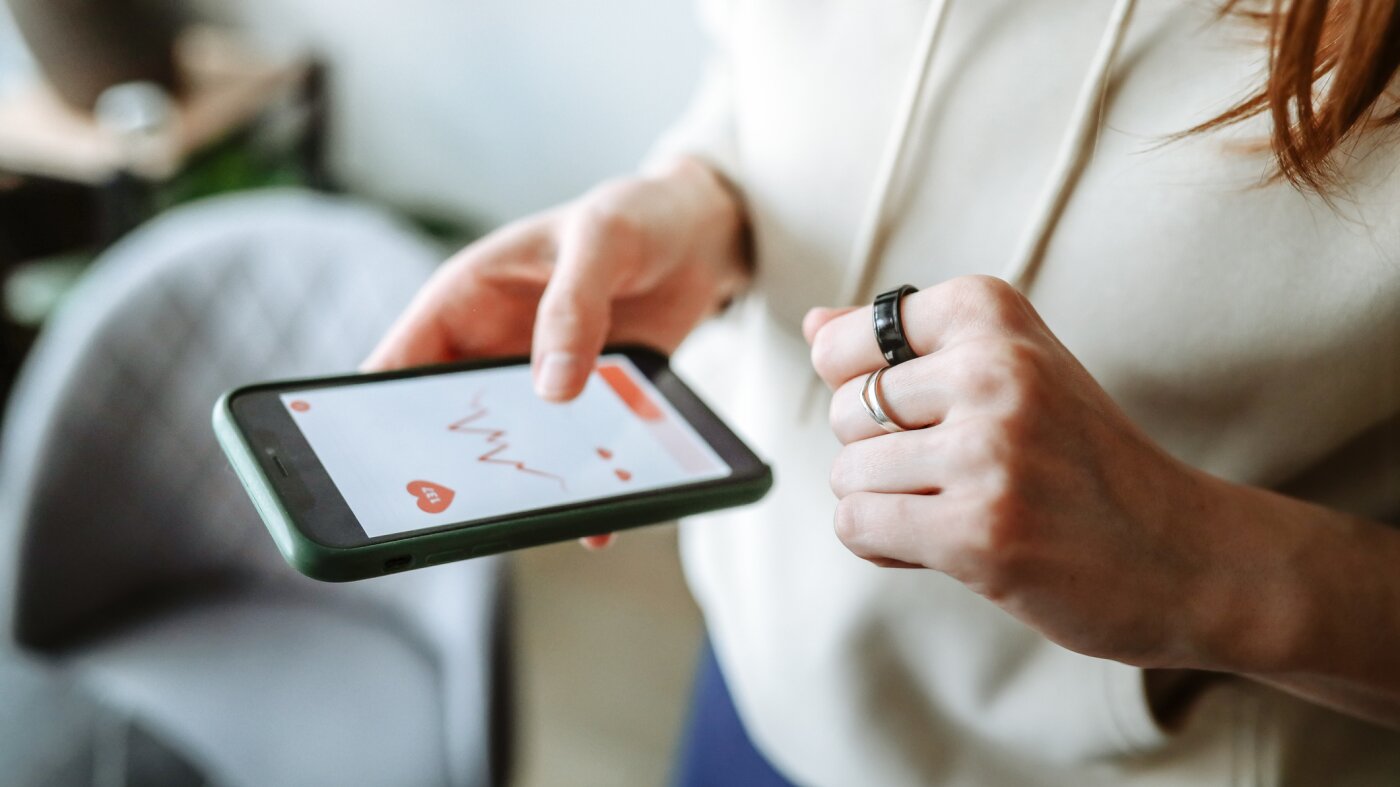
:max_bytes(150000):strip_icc()/TAL-man-wearing-apple-watch-WEARABLETECH0426-2eb4f1a344cd457d94865439986e263e.jpg)


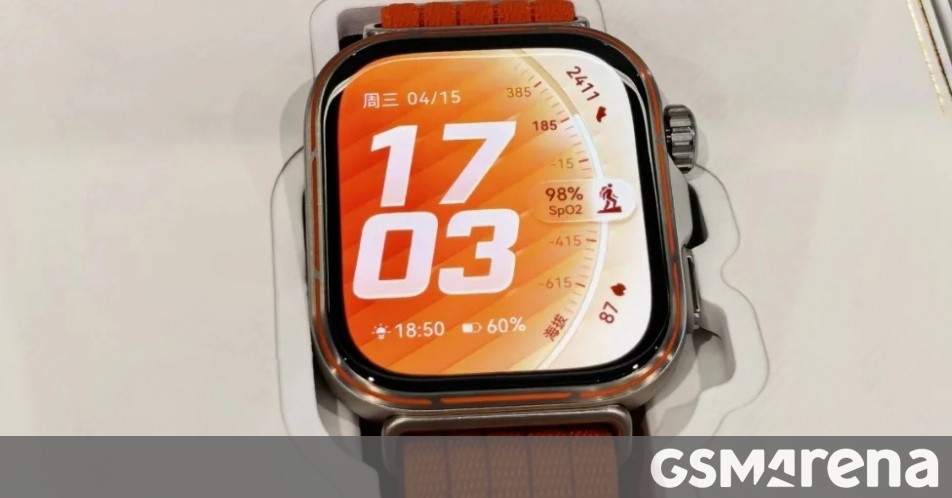
fromGSMArena.com
3 weeks agoThe Ultrahuman Ring Pro is now available for pre-order in the US, here's how to get a 10% discount
The Ultrahuman Ring Pro builds on the Ultrahuman Ring Air's features with several key improvements, including an impressive battery life of up to 15 days, which is more than twice as long as the Air.
Mobile UX
Marketing tech
fromAdExchanger
1 month agoMyFitnessPal Wants To Start The Health And Wellness Subsector Of Retail Media | AdExchanger
MyFitnessPal launches a data-driven advertising business leveraging user meal planning and nutrition data, expanding from single mobile display ads to multiple formats including video, native ads, and branded integrations through direct sales channels.
#health-trackers
Wearables
fromZDNET
1 month agoI wore the Whoop 5.0 for a month - it combines the best of the Oura Ring and Apple Watch
Whoop launched the 5.0 and MG health trackers to reach broader consumers, featuring blood pressure monitoring, ECG detection, and clinician-reviewed blood testing through Advanced Labs.
fromThe Verge
2 months agoFitbit expands access to its AI health coach
Google announced on Tuesday that the public preview of Fitbit's AI personal health coach is rolling out to iOS users in the U.S. as well as both iOS and Android users in the UK, Canada, Australia, New Zealand, and Singapore. It initially launched in October, when it was only available in the U.S. on Android devices. To try out the feature, users need to have an active Fitbit Premium subscription and use a Google account to sign into the Fitbit app.
Tech industry
fromIndependent
2 months agoBargain hunter: 11 wellness deals to save you money on workouts, supplements and gadgets
January might be coming to a close, but the focus on wellness doesn't have to die with it. If anything, it's a good time to check in with those 2026 goals and see what you want to prioritise for the rest of the year. To that end, we've gathered some of the best deals we've seen in the past few weeks that will help you tick off every good intention you set this month.
Wellness
fromWIRED
2 weeks agoGarmin's Latest Training Features Fend Off the Advances of the Apple Watch
Food logging can be done in a few ways, including searching a database, scanning barcodes, or using AI-based camera analysis. Simpler items like eggs and fruit are identified well, but complex meals can be frustrating due to lighting and AI limitations.
Wearables
fromInsideHook
2 months agoThis AI-Powered Home Gym Acts As Your Own Personal Trainer
I felt too intimidated to try weight lifting again on my own, but wanted to experience the benefits those gym workouts provide, which is quite different to my typical routine of pilates, tennis and pole. Simultaneously, I've been working toward a solid home gym situation (while understanding my limited space in a one-bedroom in Queens). I began investigating full out home gym tech, and AEKE stood out as the most exciting of the bunch, because it most similarly aligned with having a personal trainer. I tried out the AEKE Smart Home Gym K1 with the Bench.
Gadgets
fromZDNET
2 months agoThis tracker fits inside your bra to measure blood flow - and lasts longer than your smartwatch
Petal is a bra insert that uses bio-impedance sensors and electrical measurements to monitor blood flow near the heart. Because wearers position the insert right next to the heart, the device can capture more accurate readings than your typical smartwatch, Petal says. The device comes in one size and fits snug against each breast. It's made with biocompatible materials, including a soft European fabric and a polyurethane-coated interior.
Health
fromGSMArena.com
1 month agoUltrahuman Ring Pro unveiled with 15-day battery life, improved sensors and processing
The Ultrahuman Ring Pro advertises up to 15 days of battery life. For comparison, the Ultrahuman Ring Air lasts 4-6 days on a charge according to official numbers. That's a massive upgrade but isn't the end of it either. The new ring comes with a new Pro Charger, which extends the ring's endurance up to 45 days.
Mobile UX
fromYanko Design - Modern Industrial Design News
2 months agoMeta Wants to Put an AI Health Tracker on Your Wrist in 2026. What Could Go Wrong?? - Yanko Design
Meta is building a smartwatch, and it wants to know your heart rate, your sleep patterns, your activity levels, and whatever else it can pull from a sensor pressed against your skin all day. The device is codenamed Malibu 2, it's targeting a 2026 launch, and by most accounts it sounds like a perfectly competent health wearable. The problem isn't the hardware. The problem is the company attached to it.
Gadgets
Health
fromZDNET
1 month agoThe Apple Watch missed my hypertension - but this blood pressure wearable caught it instantly
High blood pressure affects nearly half of US adults and causes over 1,000 deaths daily, making it a significant health threat that wearable devices like Apple Watch can help detect through continuous monitoring.

fromWIRED
1 month agoThe Fort Strength Training Wearable Tracks Your Sets
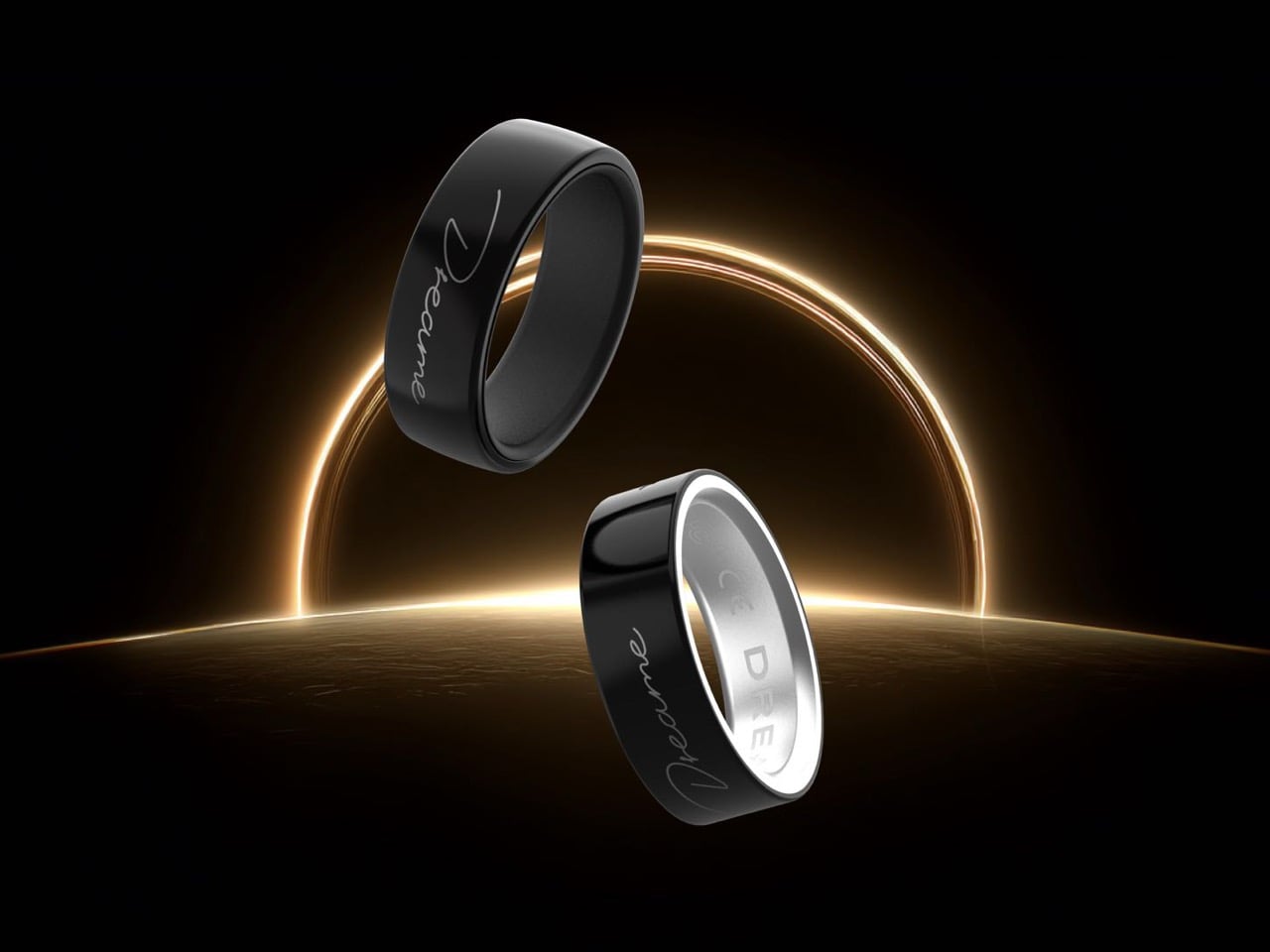
We use the IMU sensors to detect which exercise the user is performing and identify the period engaging in concentric, eccentric, or isometric hold. These are the three main types of lifting exercises; you might know them as contracting, lengthening, or static exercises. The Fort uses the wrist as a proxy for bar velocity, and the company is seeking FDA clearance and will also be pursuing large, third-party studies from independent labs.
Wearables
fromYanko Design - Modern Industrial Design News
1 month agoA Sleep Tracker That Solves the "Creepy Gadget" Problem With Soft Forms and Invisible Sensing - Yanko Design
Wellune looks like a small, sculptural lamp. A slender white stem curves upward from a flat circular base, blooming into a soft, rounded head that sits somewhere between a sprouting bud and a modernist desk light. The head detaches magnetically, which is a lovely detail because it turns setup into something almost playful. You hold this smooth, egg-like dome in your hand, place it on the stem, and it clicks into position with a satisfying connection.
Wearables
fromEngadget
1 month agoUltrahuman's new Pro ring comes with 15 days battery life
If there's one thing that stops people using their smart rings over the long term, it's the battery life. After all, they're so unobtrusive, it's easy to forget to drop it on the charging plate every few days. It doesn't take long for your pricey gadget to become little more than a very expensive piece of jewelry.
Wearables


fromZDNET
2 months agoMy Oura Ring told me I was sick. I disregarded it, and then got sick
Last Wednesday morning, I woke up and did what I normally do when I open my eyes. I grabbed my phone and checked my Oura app to see how I slept. This morning, however, Oura's home page looked a bit different. Unlike the sleep and readiness scores I usually see on the home page, a new message appeared on top. While no biomarker deviated strongly from my baseline, Oura's Symptom Radar feature warned me that my biometrics indicated "major signs of strain." It encouraged me to take it easy -- a tall task given that I was headed into the office for the workday.
Wearables
fromZDNET
2 months agoI uploaded my Oura Ring data to this free web tool - the results surprised me in the best way
Health trackers like Apple Watches and Oura Rings already do a fine job at providing insights into health patterns and trends. But sometimes, software comes along that offers a little something else as well. Enter Simple Wearable Report, a free tool that transforms Oura Ring data into a helpful, easily scannable report. An Oura Ring user on the r/ouraring subreddit created Simple Wearable Report after wanting to explore their health patterns using AI or easily share data with their PCP.
Wearables
Wearables
fromMail Online
1 month agoOura Ring review: After 6 weeks of wear, here's my honest thoughts
The Oura Ring 4 is a smart ring that tracks sleep, heart rate, activity, body temperature, and stress, providing health insights and recovery recommendations despite its high initial cost and subscription fees.
fromLondon Business News | Londonlovesbusiness.com
2 months agoWearable tech sparks a stir at the Australian Open - London Business News | Londonlovesbusiness.com
A tennis match usually starts with rituals you can set your watch by. A towel tug, a ball bounce, a glance at the strings. This year, a different ritual stole the first spotlight, because officials asked top players to take off a wrist wearable before they played, and the moment landed like a plot twist you did not order. This piece walks you through what happened, why it happened, and what it says about where tennis sits with athlete data right now.
Wearables
Wearables
fromTechCrunch
1 month agoWearable startup CUDIS launches a new health ring line with an AI-fueled 'coach' | TechCrunch
CUDIS launches an AI-powered health ring with an agent coach, gamified points system for healthy behaviors, and Pace of Aging tracking to incentivize and optimize user wellness.
[ Load more ]