No food recall is good news, but the last news you want to hear is that food in your home may have been exposed to bird and rodent droppings. Unfortunately, that's exactly the case for a major new recall just issued by the U.S. Food & Drug Administration (FDA), which says thousands of products, ranging beyond food into cosmetic products and medical devices, may have been exposed to animal waste.
The company said it was voluntarily recalling the products, which include batches of its SMA, BEBA and NAN infant formulas, as a "precautionary measure" because of the possible presence of a chemical called cereulide in those batches. Cereulide is a toxin caused by a certain strain of bacteria that can cause food poisoning and result in severe vomiting and nausea for up to 24 hours, according to Ireland's food inspection agency, one of the countries affected by the recall.
The federal agency says 23 people in seven provinces got sick with the bacterial illness after eating or handling certain flavours of the frozen snack between early October and late November. The Canadian Food Inspection Agency recalled several pepperoni and bacon Pizza Pops on Sunday due to an E. coli contamination that is under investigation. The outbreak has now reached Alberta, Ontario, British Columbia, New Brunswick, Manitoba, Saskatchewan and Newfoundland and Labrador.
A quintessential holiday spice made by a single manufacturer has been recalled by the U.S. Food and Drug Administration for possible contamination. The FDA recalled Lucky Foods brand cinnamon powder on Tuesday after an analysis conducted by the New York State Department of Agriculture and Markets found high levels of lead. It's unclear how the product became contaminated. Lead may be present in food products as a result of the environment in which they're grown or processed.
On November 28, 2025, Mondelēz Global LLC, the parent company behind Ritz Crackers, issued a voluntary recall for 70 cases of the brand's cracker sandwiches. The issue with the product is not one of contamination but rather mislabeling, with the affected cases missing an important allergy warning that could pose serious problems for certain at-risk individuals. Specifically, some of the brand's Peanut Butter Cracker Sandwiches were inadvertently packaged as cheese-filled cracker sandwiches.
On October 25, Twin Sisters Creamery recalled Whatcom Blue, Farmhouse, Peppercorn, and Mustard Seed varieties of its 2.5-pound round cheese wheels. The products are made with raw, unpasteurized milk and may be contaminated with Shiga toxin-producing Escherichia coli (STEC) and Escherichia coli O103. Third-party testing of Farmhouse cheese samples confirmed the presence of E. coli O103. Whatcom Blue samples analyzed by the Food and Drug Administration and the Washington State Department of Agriculture tested positive for E. coli STEC.
Nate's Fine Foods of Roseville, California, recalled thousands of cases of linguine, fettucine, penne and other pastas sold to large producers of heat-and-eat meals and pasta salads on Sept. 25, according to a U.S. Food and Drug Administration notice posted Thursday. The move came after tests showed that pasta made by Nate's Fine Foods contained the same strain of listeria found in chicken fettucine Alfredo and meatball linguine products linked to an outbreak that has killed four people and sickened 20 since August 2024.
"Our investigation into this matter confirmed a mechanical issue with a piece of equipment created conditions that could support the development of mold in the product prior to the expiration date," Hostess' explanation reads. "This mechanical issue was present for a limited period and resolved in a timely manner." As a result, it adds, only a limited selection of products were impacted.
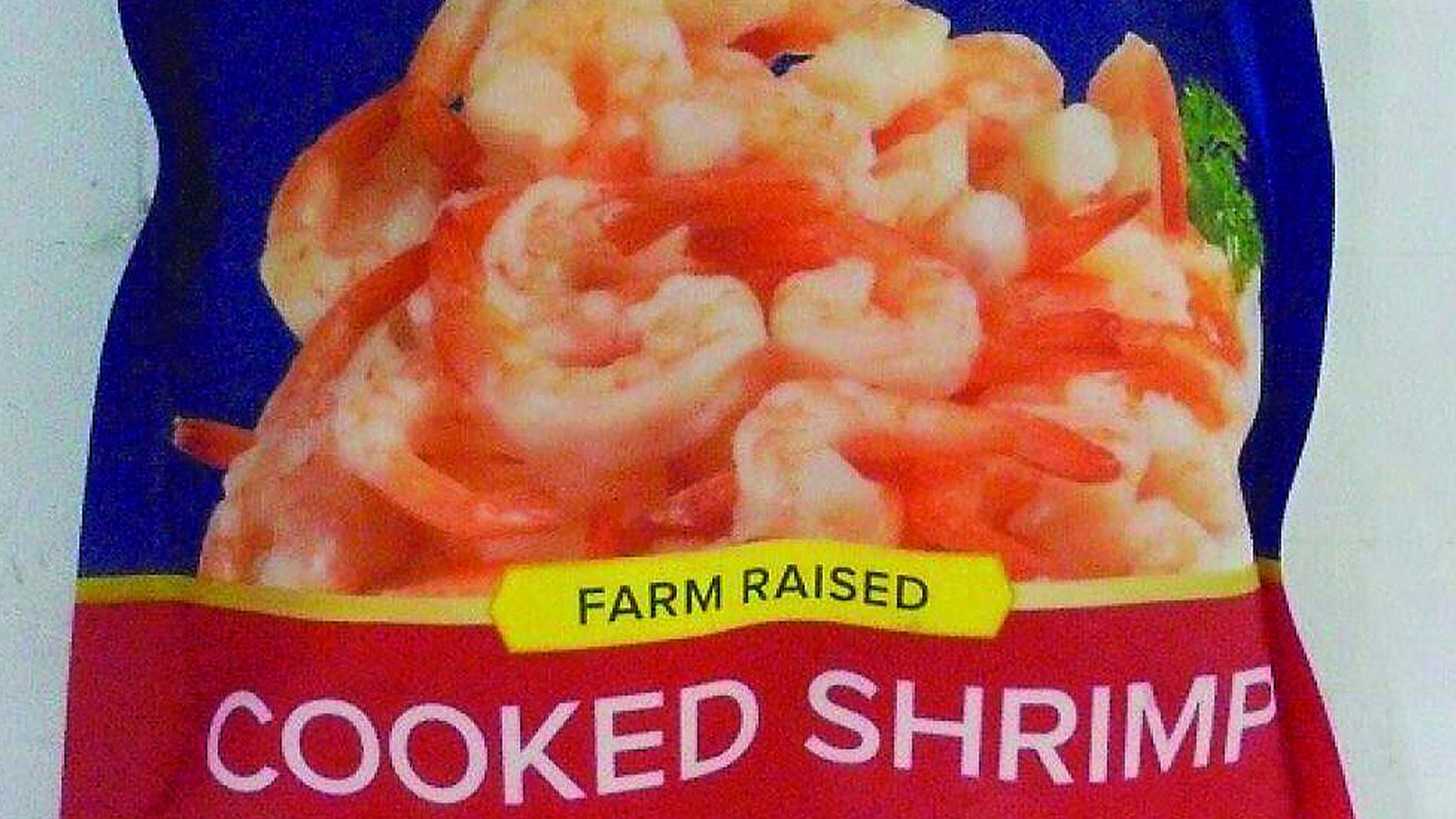
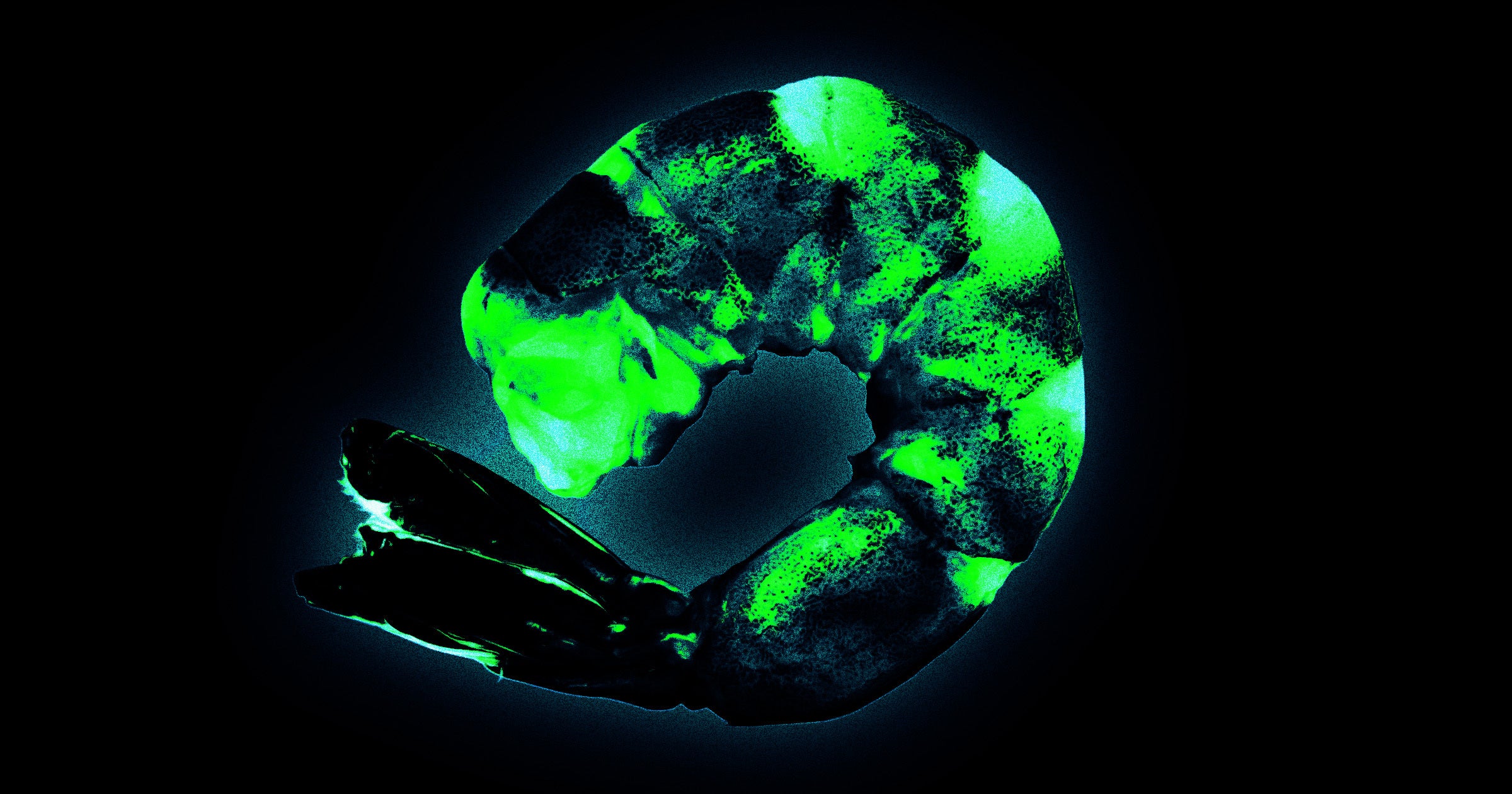
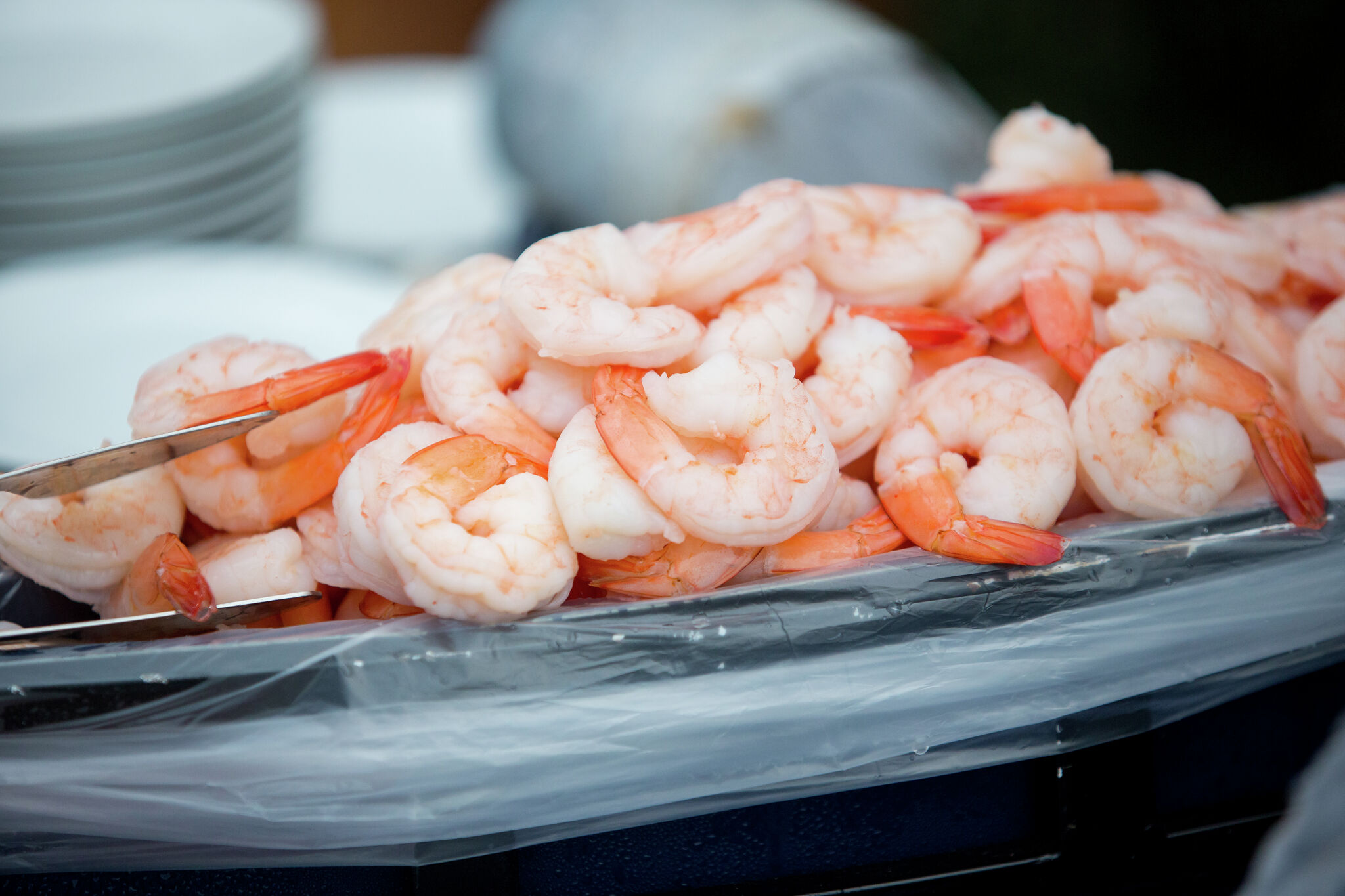
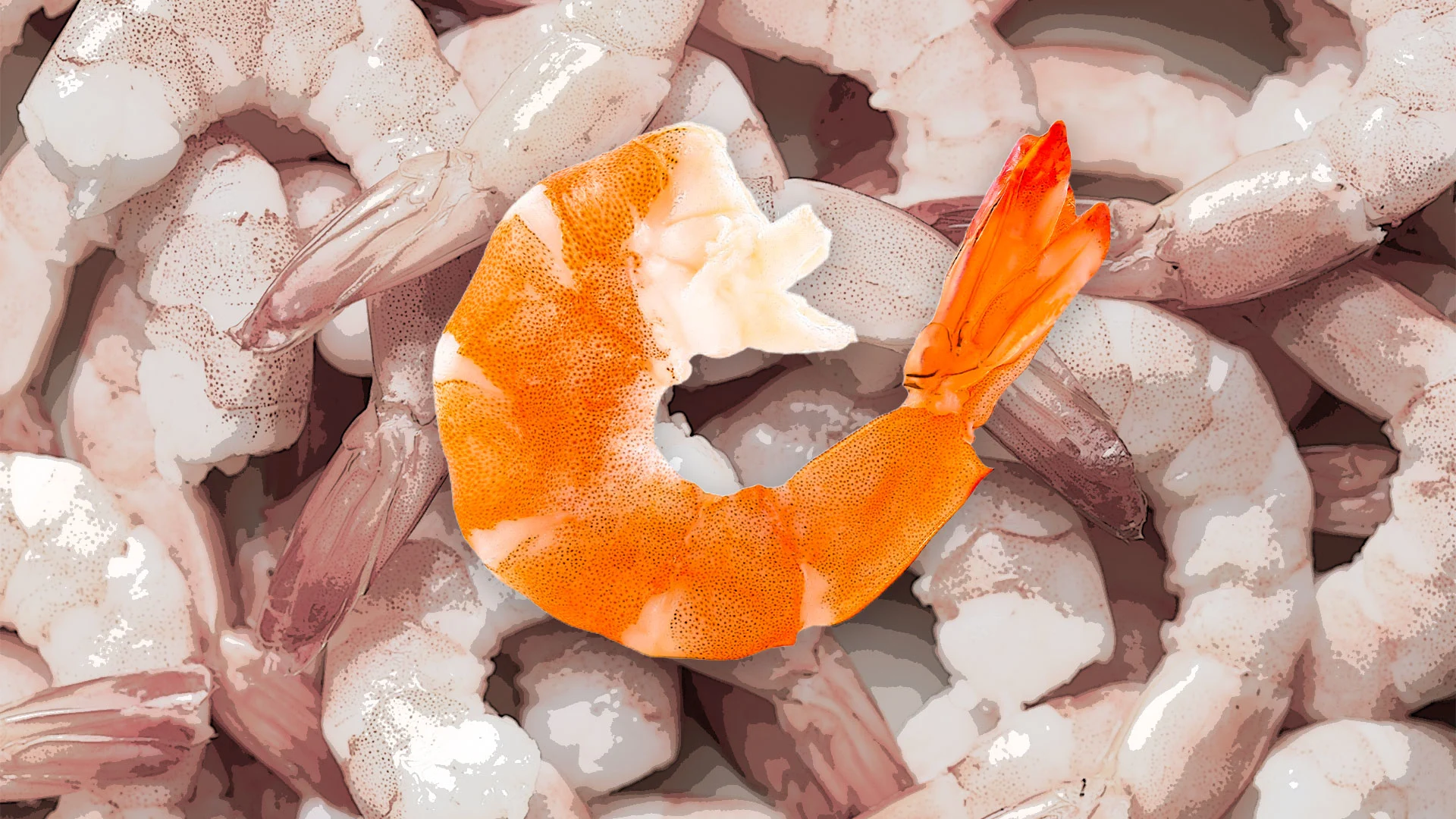
The Food and Drug Administration is warning shoppers not to eat, sell, or serve the Great Value raw frozen shrimp sold at Walmart due to possible Cesium-137 contamination.
The recall arises from complaints about undeclared ingredients in Gaiser's bologna, prompting an investigation by FSIS that discovered mislabeling of meat types.