Women in technology
fromRealagriculture
21 hours agoGetting comfortable with discomfort is where real progress for the farm begins
Leaning into discomfort can transform challenges into manageable tasks, fostering growth and progress.
Bryce Cunningham, managing director of Mossgiel Organic Dairy, stated: 'People are looking for flavour, transparency and something that feels closer to the farm. We cannot sell fully raw milk widely in the UK, so brewed milk is our answer to consumer curiosity. It makes fantastic coffee and incredibly rich porridge.'
In the United States, eggs are usually packed within a week of being laid, but they can legally be sold for 30 days after that packing date. This is called the Julian date, and it's shown by three numbers that represent consecutive days of the year - starting with 001 for January 1.
The public comment period is an important opportunity for producers across Canada to review the draft Code and provide feedback on how it applies to their operations. Producer perspectives from across the country help ensure the Code reflects the diversity of Canadian beef production systems and remains practical for producers who raise cattle.
Dane County Sheriff Kalvin Barrett stated that 300 to 400 protesters were 'violently trying to break into the property' and assault officers, emphasizing that 'this is not a peaceful protest.'
The Competition and Markets Authority found that consumers have overpaid roughly £1 billion in veterinary fees over five years, highlighting a significant issue in the market.
Around a third of UK gardeners use pesticides, and our studies found that house sparrow numbers, for example, were nearly 40% lower in gardens where the pesticide metaldehyde was used. By reducing pesticide use, you can actively encourage birds back into your outdoor spaces, as they rely on invertebrates such as slugs and snails as natural prey.
For someone aiming to end the global livestock industry, Bruce Friedrich begins his new book called Meat in disarming fashion: I'm not here to tell anyone what to eat. You won't find vegetarian or vegan recipes in this book, and you won't find a single sentence attempting to convince you to eat differently. This book isn't about policing your plate.
Set within a 350-acre fruit orchard in Dahanu, Maharashtra, the 'Gaughar' occupies nearly 14 acres of a larger rural campus that includes a tribal school for 600 children and a skill development centre. More than an isolated structure, the gaushala forms part of a living landscape, one shaped by agriculture, learning, and care.
"Ironically, many if not most of these 'sustainability' projects remain disassociated from companies' core procurement strategies, meaning the coffee produced from these projects is not necessarily bought by the companies involved, or only in minimal quantities," the paper states. "And for the coffee that is purchased, prices do not factor into the project design, despite the fact that price is the single variable impacting farmer income that is in the direct control of companies."
I'm thrilled I did, and my learning curve was vertical in this page-turning work that "offers a hopeful and rigorously researched exploration of how science, policy, and industry can work together to satisfy the world's soaring demand for meat, while building a healthier and more sustainable world." There is nothing "radical" about what likely will become a classic, one that is already endorsed by experts in global hunger, global health, climate change, and food security.
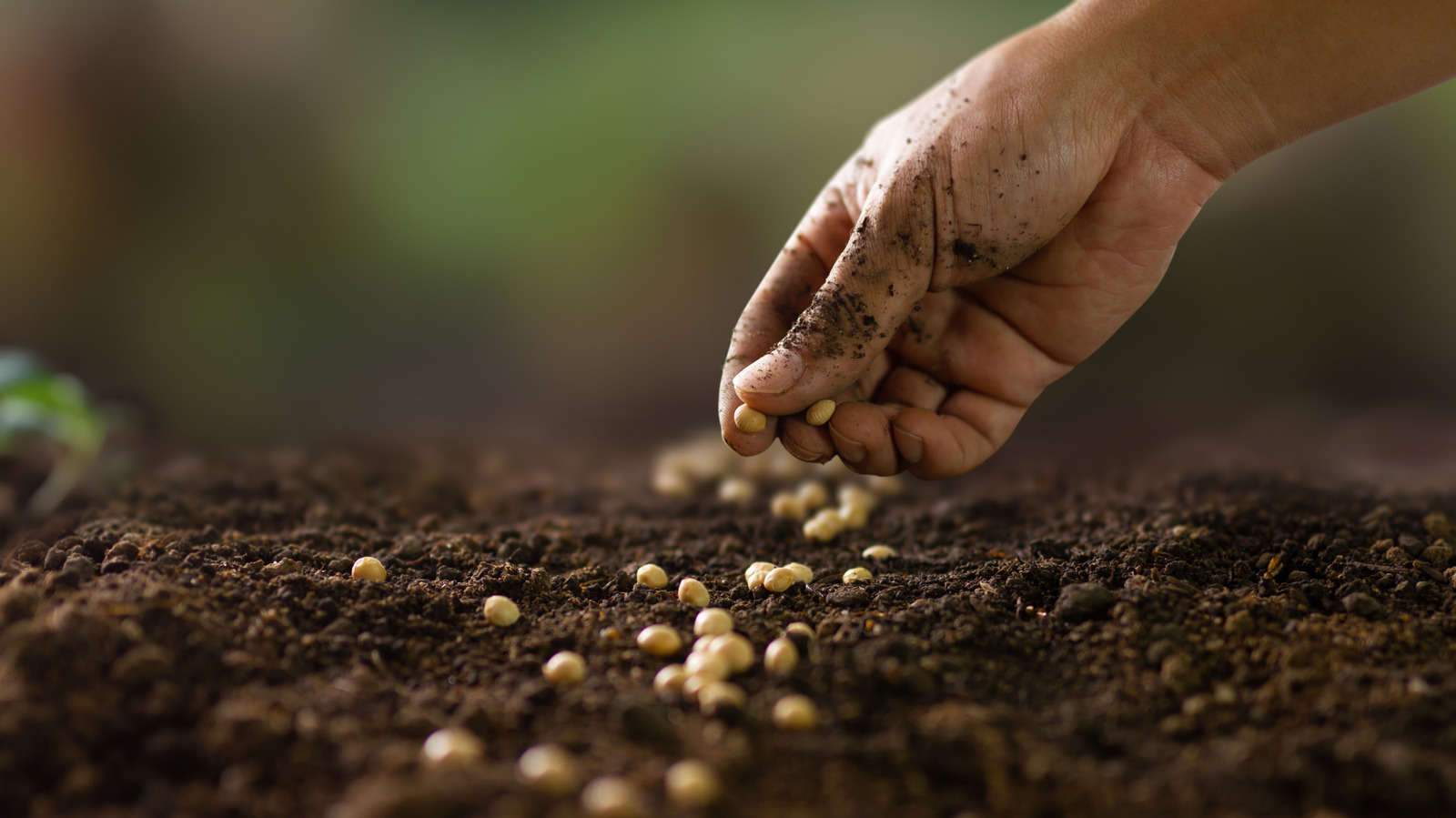
Starting plants from seed extends your relationship with the garden, gives you more control over seed sourcing, and saves real money compared to buying nursery starts, sometimes as much as 90% per plant.
Long before they became destination stops, farm shops were practical lifelines in Cornwall; places where farming families sold what they reared, grew or made, and where local communities stocked their pantries. In a county shaped by smallholdings, dairy herds and mixed farms, the connection between land and table has always been close - and still, today, hyper-local food is something Cornwall does exceptionally well.
When you think of farming, what ingredients do you generally associate with a successful harvest? The basics certainly come to mind: fertile soil, plenty of sunlight and lots of water. But there are other variables that can also mean the difference between a crop of healthy fruits and vegetables and a large heap of organic waste. And it turns out that one of those variables is a very small hawk.
My older brother has worked with pigs his entire adult life, managing about 70,000 of them across five counties, Faaborg says. But we got to a point where he went from laughing at me to saying: well, I guess maybe I'll quit my job and help you out. Now he's the most dedicated, says Katherine Jernigan, director of the Transfarmation Project at Mercy for Animals, a non-profit that helped the Faaborgs make the switch and set up their new business, 1100 Farm.
"I've been with Syngenta for 28 years," Ramachandran says, noting that early travels across Canada shaped his passion for seed care. "What really stood out to me is seeing firsthand the passion, the resilience and the impact the growers made." Those experiences, combined with Canada's short growing season, continue to guide his work. "Everything that we have done... is around addressing those challenges, and how do we create solutions that are fit for purpose, for Canadian growers?"