#fuel-costs
#fuel-costs
[ follow ]
#gas-prices #oil-prices #airline-industry #middle-east-conflict #airlines #iran-conflict #spirit-airlines
fromwww.mediaite.com
6 days agoFox News Segment Warns of High Gas Prices Ahead of Memorial Day Travel: Food for Thought'
There's a whole lot of traffic on the road on Friday. It's gonna be a record number of people. That's not something we saw coming. We thought, Hey, with these high gas prices, maybe there'll be fewer people that'll get on the road,' but apparently not so much.
US news
fromwww.npr.org
1 week agoWalmart plans price cuts using tariff refunds as shoppers get skittish
Walmart will likely put its tariff refunds toward lowering store prices, executives said on Thursday, as they described shoppers who are increasingly anxious about the rising cost of fuel. In recent weeks, visitors to Walmart's gas stations have begun to fill up with fewer than ten gallons for the first time since 2022, Chief Financial Officer John David Rainey told investors on an earnings call. "That's an indication of stress," he said.
US news
fromBusiness Insider
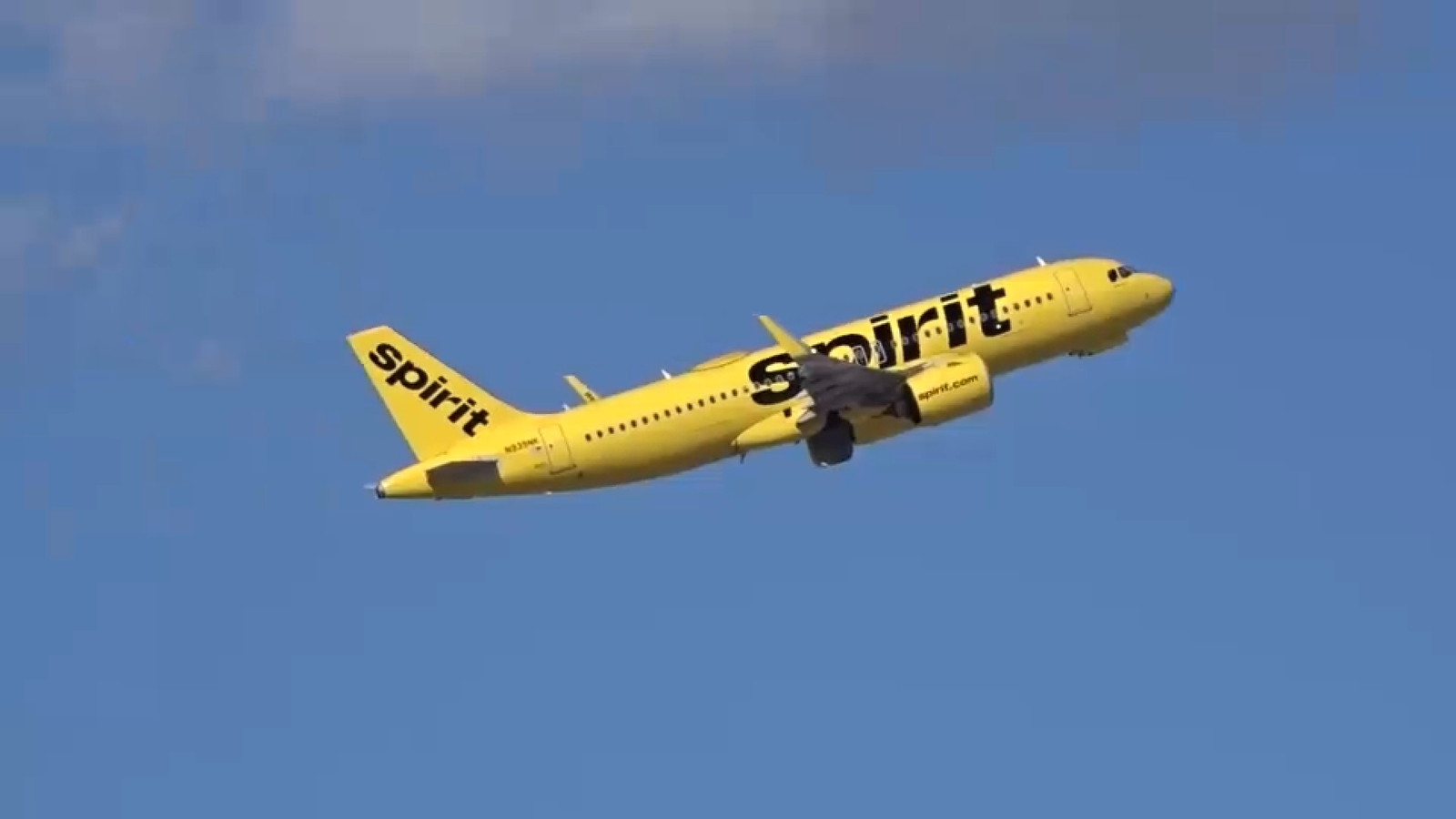
1 week agoMore airlines could follow Spirit into bankruptcy due to the Iran war fuel crisis, Ryanair exec says
Ryanair's CFO warned that more airlines could go bankrupt due to rising fuel costs. He told CNBC the airline has plans for an "Armageddon situation" but doesn't expect that to pass. Spirit Airlines ceased operations earlier in May citing rising fuel costs as a major issue.
Europe news
fromIntelligencer
2 weeks agoSean Duffy Filmed Road Trip for 7 Months, Worked Occasionally
“Over the course of seven months we just kind of found these moments where I might be able to do some work, I could take the kids with me, do a road trip,” he explained. Apparently, Duffy's boss was totally cool with him doing “some work” while frequently driving around the country with his family and a full film crew. President Trump even gives the family a send-off at the start of the show.
SF parents
Soccer (FIFA)
from24/7 Wall St.
3 weeks agoDoorDash Just Got Two Price Target Cuts: Is the Q2 GOV Beat Enough to Salvage the Quarter?
Wall Street analysts trimmed DoorDash price targets following Q1 2026 earnings despite strong Q2 guidance, reflecting recalibration rather than fundamental thesis change.

London startup
fromLondon Business News | Londonlovesbusiness.com
3 weeks agoFuel storage: Managing rising fuel costs in UK businesses - London Business News | Londonlovesbusiness.com
Fuel costs pressure UK businesses, impacting budgets and operations, making careful fuel storage and management essential for stability.


fromConde Nast Traveler
1 month agoBooking Flights for this Summer? What to Know About the Fuel Crisis
Salt Lake City to Toronto will see a suspension effective June 30, 2026, with plans to resume in 2027, while New York JFK routes to Toronto and Montreal will be suspended effective June 1, 2026, resuming October 25, 2026.
Canada news

US politics
fromFortune
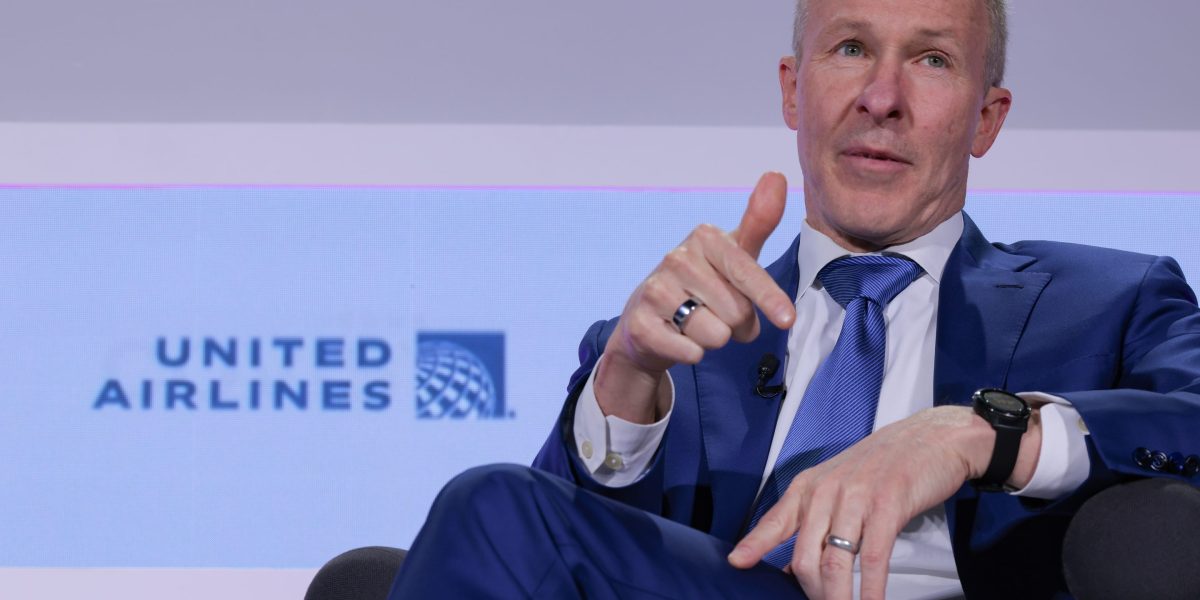
1 month agoAmerican Airlines CEO calls United merger 'a non-starter': 'No way to view that as anything but anti-competitive' | Fortune
American Airlines CEO Robert Isom firmly rejected the proposed merger with United Airlines, citing anti-competitive concerns and negative impacts on customers and the airline.
#airline-industry
Business
from24/7 Wall St.
2 months agoWall Street's $138.56 Price Target Makes United Airlines' Sell-off Look Like a Buying Opportunity
United Airlines stock has declined significantly but Jefferies maintains a Buy rating with a $125 price target, betting on fuel cost normalization in the second half of 2026 to drive earnings recovery.

Business
from24/7 Wall St.
2 months agoWall Street's $138.56 Price Target Makes United Airlines' Sell-off Look Like a Buying Opportunity
United Airlines stock has declined significantly but Jefferies maintains a Buy rating with a $125 price target, betting on fuel cost normalization in the second half of 2026 to drive earnings recovery.
fromwww.cbc.ca
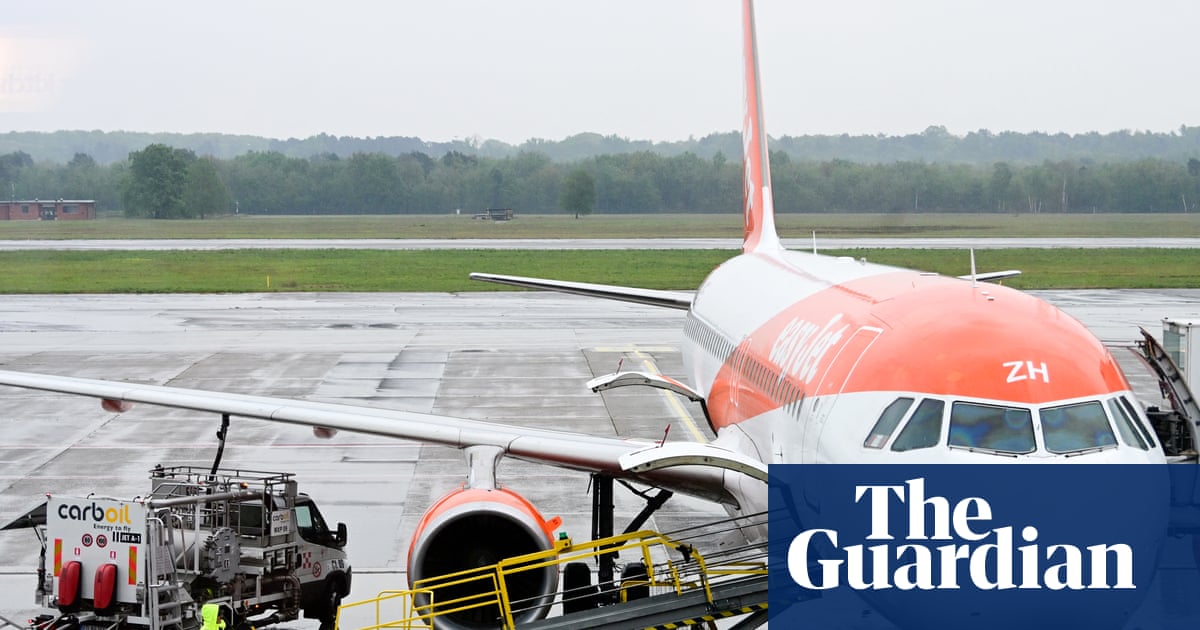
1 month agoAir Canada suspends Toronto and Montreal flights to JFK over jet fuel cost crisis | CBC News
As jet fuel prices have doubled since the start of the Iran conflict and some lower profitability routes and flights are no longer economic, we are making schedule adjustments accordingly.
Canada news

fromLondon Business News | Londonlovesbusiness.com
1 month agoRural revolt looms as farmers warn Starmer cut fuel costs or face chaos - London Business News | Londonlovesbusiness.com
Agricultural groups say rising diesel prices and broader input costs are leaving many producers operating on unsustainable margins, with some warning that 'direct action' could follow if ministers fail to respond.
Agriculture
Europe news
fromLondon Business News | Londonlovesbusiness.com
1 month agoAirlines slash flights as jet fuel crisis deepens amid Middle East volatility - London Business News | Londonlovesbusiness.com
Aviation disruptions are increasing as airlines cancel flights due to soaring fuel costs and instability in the Middle East.
Alternative transportation
fromLondon Business News | Londonlovesbusiness.com
1 month agoWhy a fuel card makes sense for small delivery and taxi businesses - London Business News | Londonlovesbusiness.com
Fuel cards provide small fleet owners with better visibility and control over fuel expenses, helping to manage tight profit margins effectively.
fromABC7 San Francisco
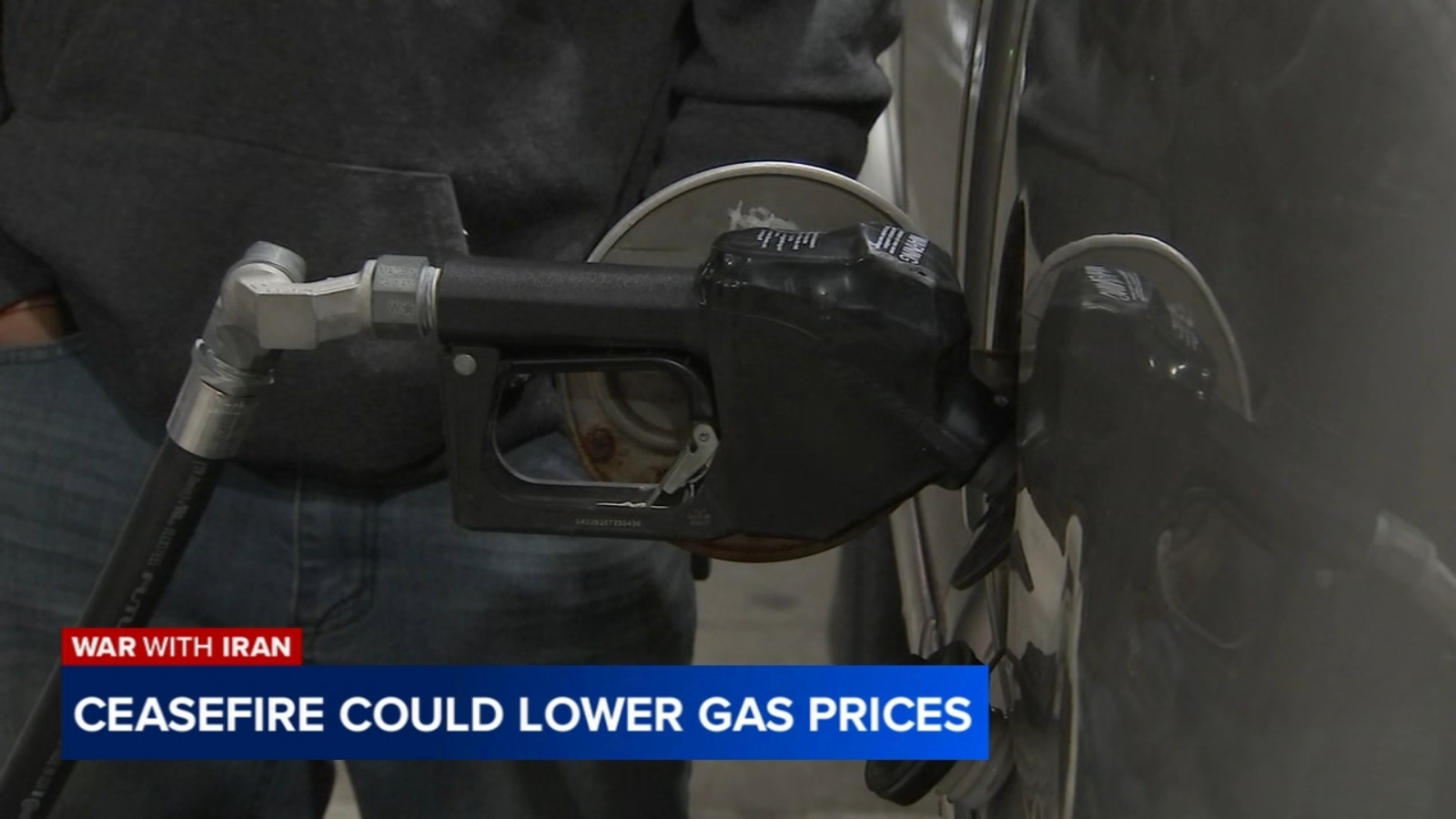
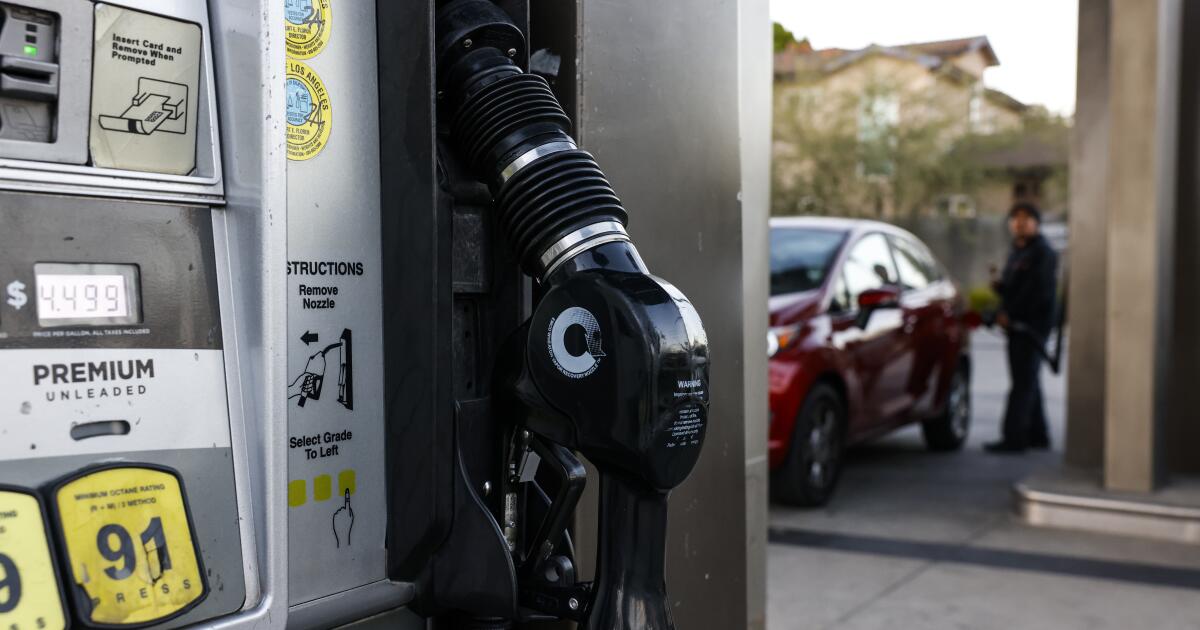
1 month agoAmazon, UPS, FedEx, USPS add temporary fuel surcharges to offset extra costs
"Transportation costs are a big factor there. Every company that is involved and has logistics and they have to pay for gas, either they have to absorb this cost, or they will charge the third party that will provide this service. I'm not surprised this is happening, because at some point, Amazon will say we cannot absorb all this cost."
Alternative transportation
London startup
fromLondon Business News | Londonlovesbusiness.com
1 month agoAirline cancels London-Newquay flights early as jet fuel costs bite - London Business News | Londonlovesbusiness.com
Skybus cancels London-Newquay flights early due to rising fuel costs and low demand amid the Middle East crisis.

from24/7 Wall St.
2 months agoCarnival Drops 4%: 3 Reasons Cruise Stocks Are Struggling With Oil and Geopolitical Risk
Carnival's full-year 2026 guidance now reflects more than $500 million in adverse fuel price impacts versus prior assumptions, highlighting the significant financial strain from rising oil costs.
Business
fromLondon Business News | Londonlovesbusiness.com
2 months agoBadenoch hits out at 'weak' Starmer for 'hiding behind' Miliband on North Sea drilling - London Business News | Londonlovesbusiness.com
Badenoch highlighted pressure from trade unions and former Labour Prime Minister Sir Tony Blair, arguing that Starmer had the authority to act but was choosing to defer responsibility.
UK politics
Europe news
fromLondon Business News | Londonlovesbusiness.com
2 months agoDiesel hits a three year high - London Business News | Londonlovesbusiness.com
Diesel prices have surged to their highest in over three years, significantly impacting motorists amid rising global energy costs due to Middle East conflicts.
Europe news
fromLondon Business News | Londonlovesbusiness.com
2 months agoFrom battlefield to the forecourt, Trump's war on Iran is driving fuel prices sky high
The U.S.-Iran conflict is driving up oil prices, pushing motorists towards electric vehicles and impacting various sectors due to rising fuel costs.
fromwww.businessinsider.com
2 months agoUnited Airlines 'tactically pruning' flights amid high fuel prices due to the Iran war
"If prices stayed at this level, it would mean an extra $11 billion in annual expense just for jet fuel. For perspective, in United's best year ever, we made less than $5B."
Manchester United
Europe news
fromIrish Independent
2 months agoHauliers warn of 'immediate protests' if Government does not take action on fuel prices at crunch meeting
Irish hauliers demand immediate government action on fuel costs exceeding €2 per litre, threatening protests if concrete measures aren't implemented by Thursday's ministerial meeting.
fromwww.cbc.ca
2 months agoAs gas prices rise, ride-hail drivers feel especially pinched at the pump | CBC News
Sometimes I feel like I'm going to get, like, heart attacks. You feel like how am I gonna survive? What should I do? Should I put more hours [in]? Should I work, like, 14, 15 hours? It's a very hard decision. Singh, who already works seven days a week, estimates he's shelling out an extra $150 to $200 monthly to be on the road in downtown Vancouver.
Canada news
Europe news
fromBusiness Insider
2 months agoOil spikes are pushing airlines to hike ticket prices. These carriers have already raised fares or canceled flights.
Geopolitical instability in Iran, rising jet fuel costs, and rerouted flight paths are driving airline ticket price increases of 10-15% globally.
Business intelligence
from24/7 Wall St.
2 months agoWall Street Still Likes Carnival $CCL But Still Drops Price Target
Stifel cut Carnival's price target to $35 from $40 due to rising fuel costs and deteriorating cruise sector sentiment, but maintains a Buy rating based on solid underlying fundamentals.
Cars
fromLondon Business News | Londonlovesbusiness.com
4 months agoMotorists expect cost of fuel to worsen in 2026 - London Business News | Londonlovesbusiness.com
Motorists overwhelmingly expect rising fuel costs and worsening driving conditions in 2026, with only electric charger availability seen improving.
Travel
fromBusiness Insider
7 months agoI traveled in a camper van for the first time. My 10-day trip through the Pacific Northwest wasn't perfect, but it exceeded my expectations.
A 10-day California–Oregon Mercedes Sprinter van trip was enjoyable, featured spectacular RV-park scenery, and incurred higher-than-expected fuel costs.
fromThe Verge
7 months agoAllowing more tailpipe pollution means higher fuel costs for Americans
Americans will pay more at the pump if Donald Trump succeeds in tossing out tailpipe pollution regulations, a new analysis shows. That's on top of job and GDP losses that could result from stifling innovation in cleaner transportation. The Trump administration wants to do away with the Environmental Protection Agency's ability to regulate greenhouse gas emissions, policies that have encouraged carmakers to manufacture more fuel-efficient cars and electric vehicles over time.
Environment
[ Load more ]