#gas-leak-incidents
#gas-leak-incidents
[ follow ]
#emergency-response #fire #gas-leak #public-health #public-safety #health-risks #air-pollution #air-quality






#methane-emissions
Environment
fromwww.theguardian.com
4 weeks agoRevealed: the world's worst mega-leaks of methane driving global heating
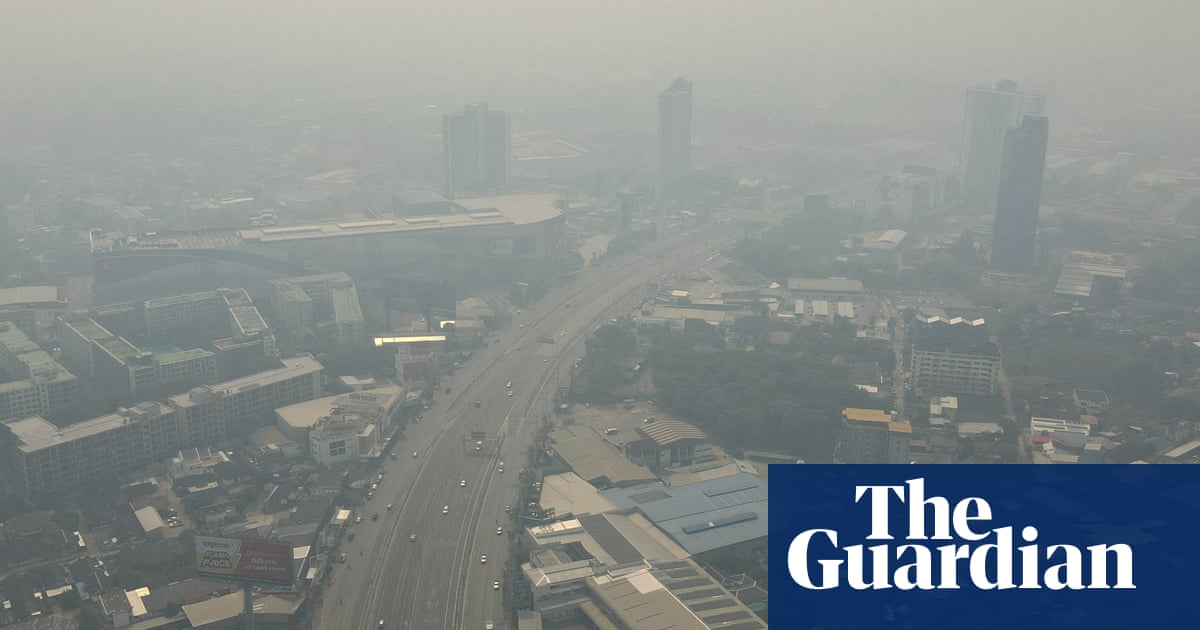
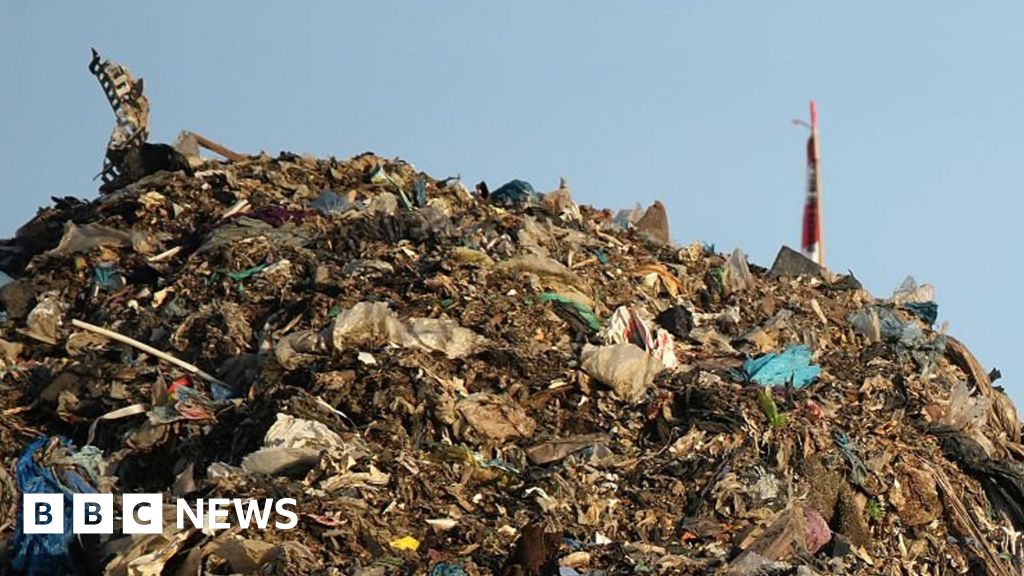
Satellite analysis reveals dozens of massive methane leaks from oil, gas, and landfill facilities worldwide in 2025, primarily in Turkmenistan, with most leaks preventable through simple maintenance or fixable at no cost since captured methane can be sold.
fromBoston.com
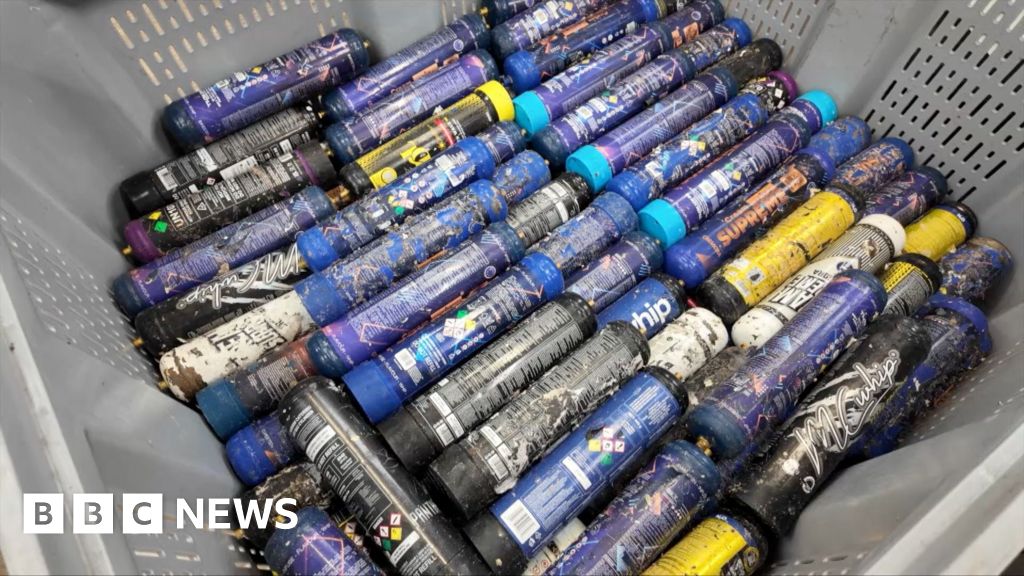
3 weeks agoDebate in Quincy over funding for new firefighting gear after current gear tests positive for PFAS
The Quincy Firefighters Association Local 792 expressed their disappointment, stating, 'That's negligence, not due diligence. This isn't about politics - this is about doing the right thing and protecting the men and women who go out and protect Quincy every day.'
SF politics


fromBoston.com
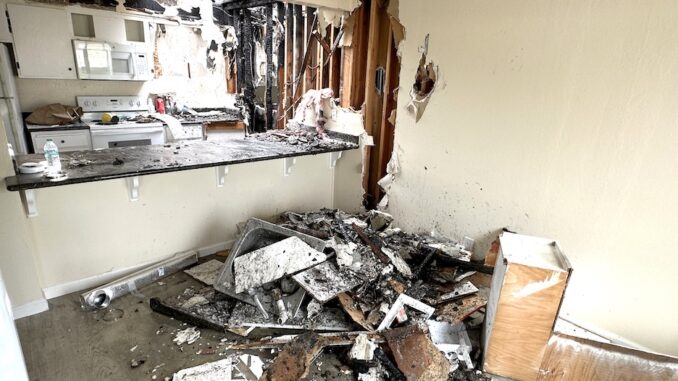
1 month agoGas leak identified as cause of Taunton explosion that displaced 8 residents
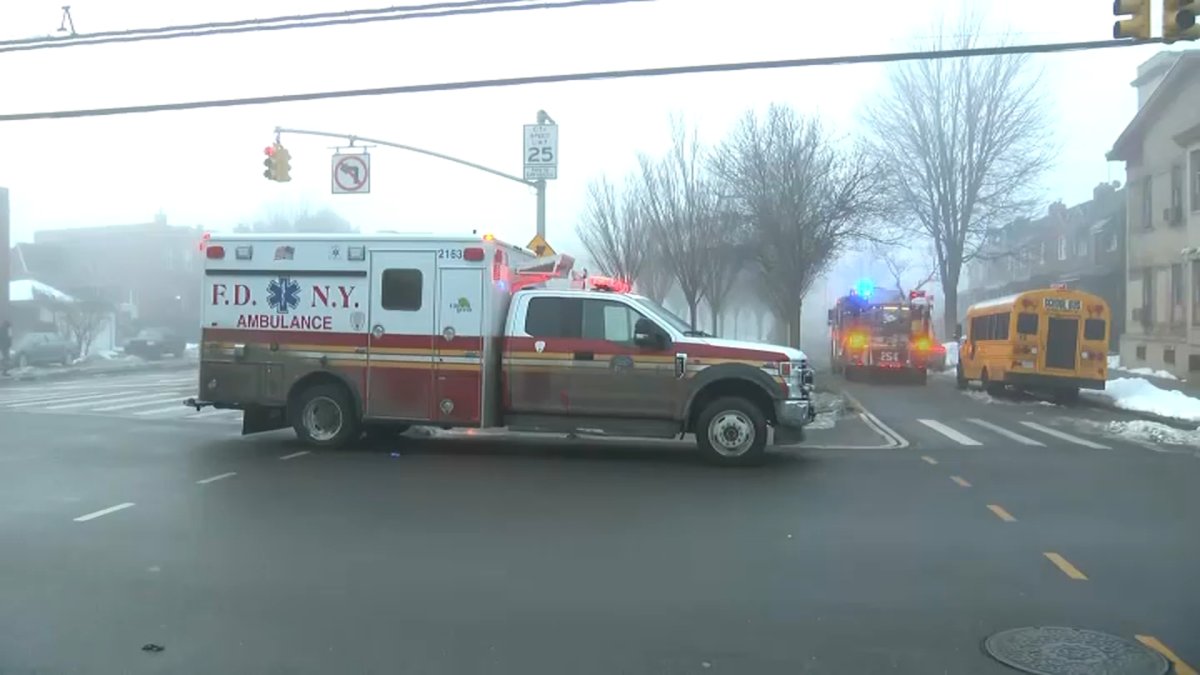
Investigators have identified a natural gas leak as the cause of a devastating explosion and fire that destroyed a Taunton home and seriously injured two people Wednesday morning. Fire officials are still determining the exact location of the leak and cause of ignition due to 'the catastrophic damage caused by the explosion and subsequent fire.'
US news
fromwww.independent.co.uk
2 months agoSmoke seen for miles after Wolverhampton factory fire
From reproductive rights to climate change to Big Tech, The Independent is on the ground when the story is developing. Whether it's investigating the financials of Elon Musk's pro-Trump PAC or producing our latest documentary, 'The A Word', which shines a light on the American women fighting for reproductive rights, we know how important it is to parse out the facts from the messaging.
UK news
fromABC7 San Francisco
1 month ago100 Burlingame businesses file lawsuit against gas station, operator over gas leak
I lost several thousand dollars this was not a one-day impact. This was an 11 to 12 days' worth of impact, and we are still feeling it. - John Kevranian, owner of Nuts for Candy and past president of the Broadway Burlingame Business Improvement District, describing the extended financial consequences of the power outages and road closures.
Business
fromLondon Business News | Londonlovesbusiness.com
1 month agoMotorists Issued with a Fuel Contamination Alert - London Business News | Londonlovesbusiness.com
Petrol tanks can become contaminated by various factors, including bacteria, rust, dirt, and even condensation that mixes with the fuel. Fuel contamination poses serious risks to cars, potentially causing engine damage, handling issues, and breakdowns.
Cars
fromBoston.com
2 months agoFreight train derails in Connecticut, sending cars carrying liquid propane into river
MANSFIELD, Conn. (AP) - A freight train derailed Thursday in Connecticut, sending cars carrying flammable liquid propane into the water, though officials say they don't appear to be leaking. Local and state officials said the derailment happened around 9 a.m. in Mansfield, near where Eagleville Lake meets the Willimantic River. The rural town in the eastern part of the state is home to the University of Connecticut.
US news


Environment
fromwww.theguardian.com
1 month agoThousands of pollution incidents in England downgraded without site visit, data suggests
Environment Agency staff downgraded 98% of 2,778 serious water pollution incidents reported in 2024 without site visits, representing a 1,500% increase in downgrades since 2021.
fromwww.dw.com
1 month agoHow mercury from coal plants can cost lives
A potent neurotoxin capable of causing lifelong damage to the lungs, brain, skin and other organs, mercury is strictly regulated worldwide. Children, in particular, can suffer severe developmental impairment when exposed. A trace element that occurs naturally in rocks such as limestone, as well as in coal and crude oil, mercury remains locked underground for millions of years, largely entering the ecological cycle through human activity.
Public health


fromArs Technica
2 months agoCOVID-19 cleared the skies but also supercharged methane emissions
The remaining question, though, was where all this methane was coming from in the first place. Throughout the pandemic, there was speculation that the surge might be caused by super-emitter events in the oil and gas sector, or perhaps a lack of maintenance on leaky infrastructure during lockdowns. But the new research suggests that the source of these emissions was not what many expected. The microbial surge
Environment
fromNature
2 months agoMicroplastic levels in the air have been overestimated, but are still a big concern
Many human activities - from improper disposal of waste to the degradation of car tyres - release small plastic particles, which have infiltrated the atmosphere, oceans and other ecosystems. These include nanoplastics - particles measuring less than 1 micrometre across - and microplastics, which range from 1 micrometre to around 5 millimetres. They've entered our bodies and brains, and scientists are still working to understand their effects on people's health.
Environment
[ Load more ]