#gita-gopinath
#gita-gopinath
[ follow ]
#inflation #interest-rates #federal-reserve #monetary-policy #economic-growth #bank-of-england #labor-market
US Elections
fromLondon Business News | Londonlovesbusiness.com
17 hours agoDollar edged higher amid geopolitical uncertainty and Fed outlook - London Business News | Londonlovesbusiness.com
The dollar index rose slightly amid US-Iran negotiations, with markets anticipating volatility and a prolonged pause in interest rates.
fromThe Atlantic
5 days agoA Pillar of the Economics Establishment Admits That It Was Wrong
The World Bank's recent report argues that government intervention, when done right, can actually be an essential ingredient of economic success, reversing decades of opposition to industrial policy.
World politics
UK politics
fromLondon Business News | Londonlovesbusiness.com
5 days agoIMF warns the UK is on track for the fastest tax rise in major economies - London Business News | Londonlovesbusiness.com
The UK is projected to experience one of the largest tax increases among advanced economies, raising its tax-to-GDP ratio significantly by 2030.


#federal-reserve
US Elections
fromFortune
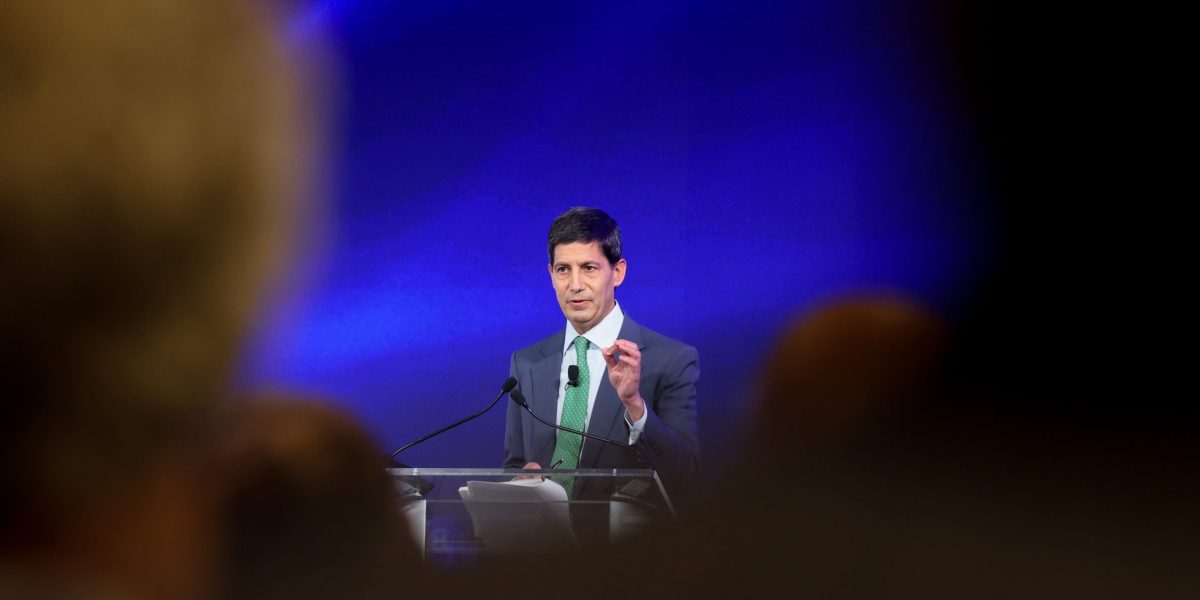
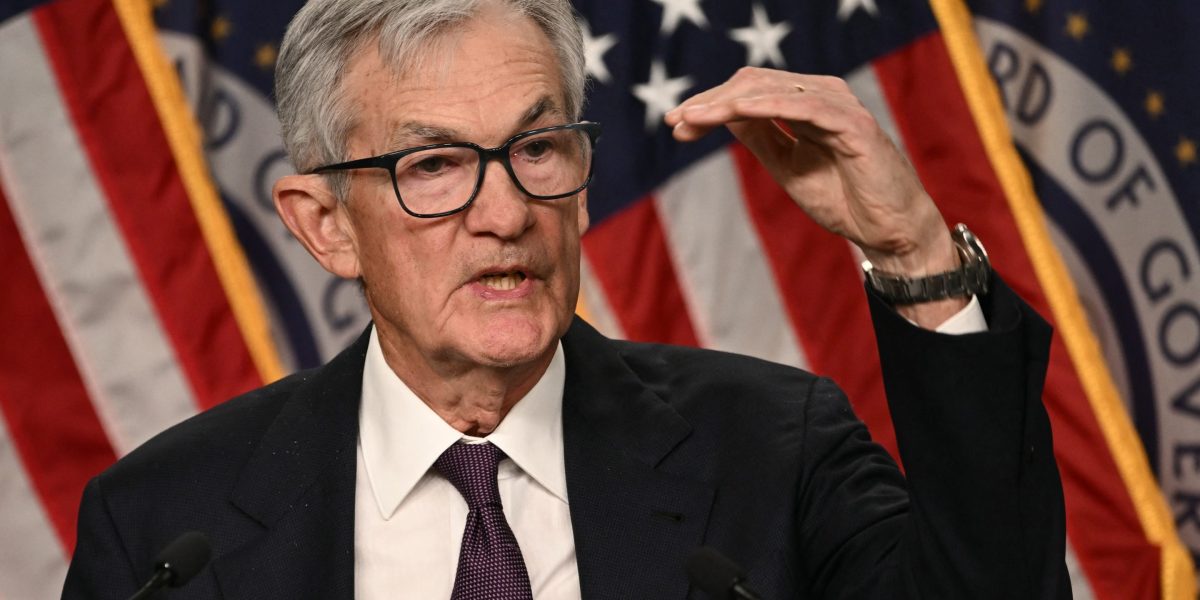
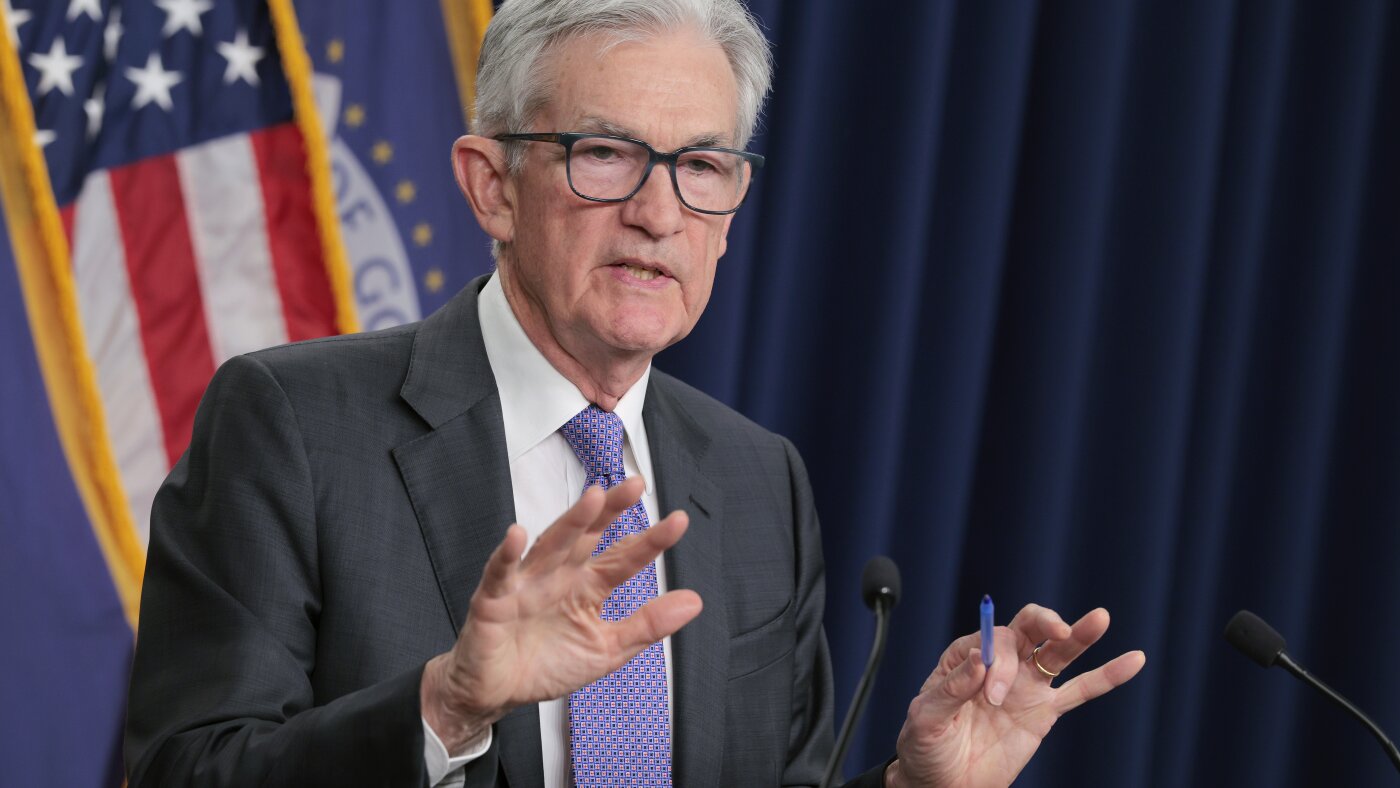
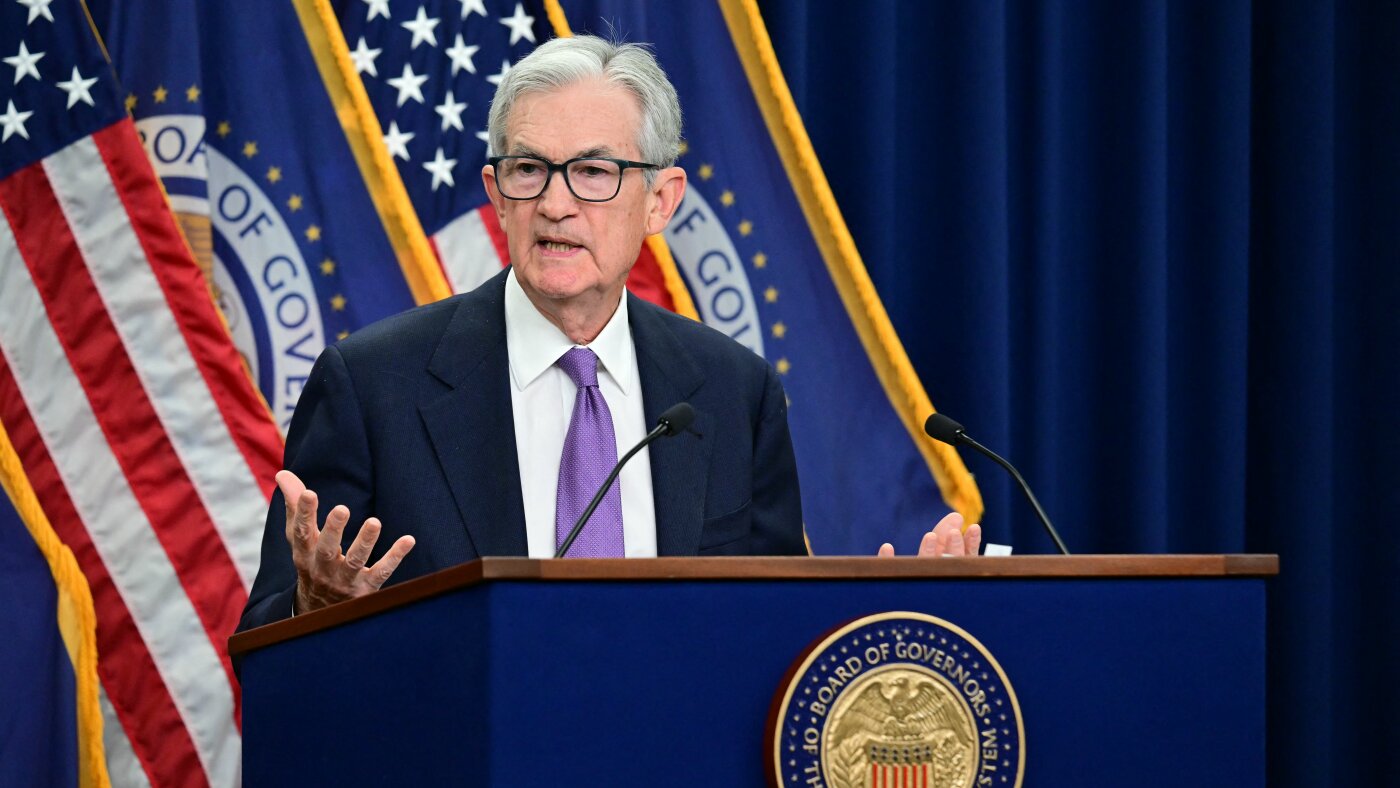
1 day agoIt's crunch time for Kevin Warsh: Here's how he might try to begin selling the idea of rate cuts-it requires some complex economic gymnastics | Fortune
Kevin Warsh's public campaign for Federal Reserve leadership begins, focusing on balancing dovish rate policies with rising inflation concerns.

fromThe Walrus
1 month agoCarney's First Year: Clear Eyed Abroad, Tone Deaf at Home | The Walrus
We knew the story of the international rules-based order was partially false. Just because Canada benefited from it didn't hide the fact that it was unfair. The rules didn't apply equally to everyone. The strongest would exempt themselves when convenient. Power, not principle, set the terms.
Canada news
fromLondon Business News | Londonlovesbusiness.com
1 month agoEurozone inflation edges up as ECB prepares for key rate decision - London Business News | Londonlovesbusiness.com
Services experienced the highest annual increase at 3.4%, followed by food, alcohol, and tobacco at 2.5%. Non-energy industrial goods saw a more modest increase of 0.7%. Meanwhile, energy prices fell by 3.1% over the month, which helped to temper overall inflation pressures.
Europe news
UK news
fromLondon Business News | Londonlovesbusiness.com
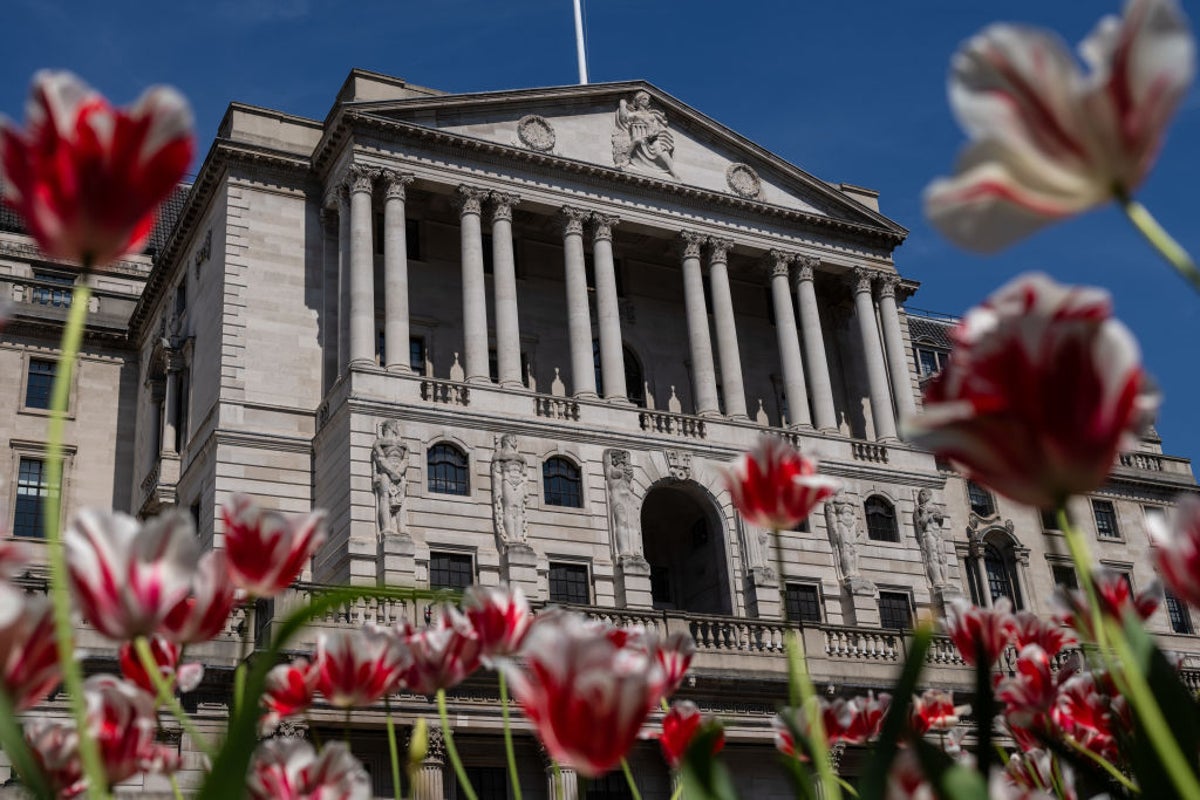
1 month agoBank of England holds base rate amid Middle East war - London Business News | Londonlovesbusiness.com
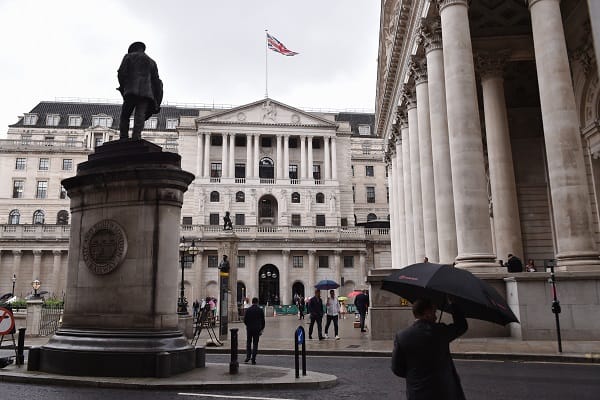
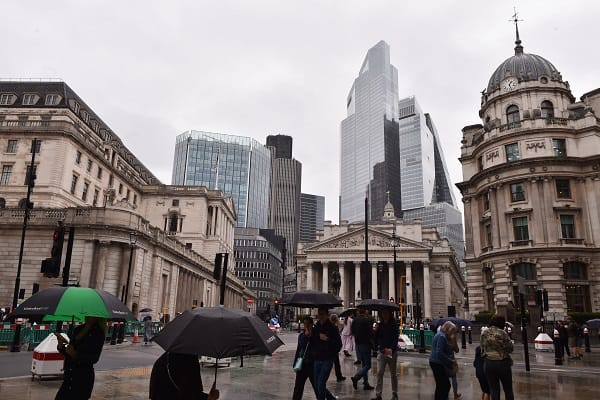
The Bank of England held the base interest rate at 3.75% due to Middle East conflict uncertainty and rising energy prices threatening inflation expectations.
Business
fromFortune
1 month agoA 'debt spiral,' before a fiscal crisis: interest on the national debt will be growing faster than GDP in just 5 years, think tank warns | Fortune
By 2031, U.S. federal debt interest rates will exceed economic growth rates, triggering a self-reinforcing debt spiral where deficits cause debt to grow indefinitely.
fromLondon Business News | Londonlovesbusiness.com
1 month agoThe significant events in the global economy over the past week - London Business News | Londonlovesbusiness.com
Weak performance in several service sectors offset gains in retail and wholesale trade, reinforcing concerns about the pace of economic recovery. Japan relies heavily on oil imports from the Middle East, making it particularly sensitive to disruptions in the region.
UK news
Canada news
fromFortune
1 month agoEconomist Eswar Prasad warns a 'motley group' of middle powers can't stop the 'doom loop' threatening the global economy | Fortune
The rules-based international order faces rupture as great powers weaponize economic integration, tariffs, and supply chains, forcing middle powers to form strategic alliances or risk marginalization.
fromThe Drum
2 months agoWhat happens when our common currency becomes uncommon?
This is not new news, of course, but many in the industry seem to be finally waking up to the hard truth that data-driven media buying, as we know it today, is severely under threat and has to change. Cookies power everything we do, from humble frequency capping through to complex multi-touch attribution models, ad personalisation and audience segmentation. They underpin most of the gains we've made in performance advertising, as well as brand advertising, over the past decade.
UK news
fromLondon Business News | Londonlovesbusiness.com
1 month agoExpectations for UK interest rate cuts shift dramatically - London Business News | Londonlovesbusiness.com
Geopolitical tensions are pushing markets toward higher interest rates and oil prices, benefiting energy and defence sectors while shifting investment away from growth stocks.
fromwww.bbc.com
1 month agoDharshini David: Economy on shaky grounds even before Iran war
Growth lost momentum in the second half of 2025 as consumers, anxious about tax increases and rising unemployment, held back. There was hope, spurred on by various indicators, that they'd start 2026 with renewed vigour. But the official data, while volatile and prone to revision, suggested the economy stalled in January.
World news
US news
fromLondon Business News | Londonlovesbusiness.com
1 month agoThe Significant Events in the Global Economy Explained - London Business News | Londonlovesbusiness.com
Supreme Court tariff reversal lifted investor sentiment and stocks, while Fed division on rates, rising inflation, and slowing GDP kept markets cautious.
fromLondon Business News | Londonlovesbusiness.com
2 months agoECB keeps rates on hold despite below-target inflation - London Business News | Londonlovesbusiness.com
The European Central Bank (ECB) held its key interest rates unchanged following the February meeting of the Governing Council, in line with Cebr projections. This marks the fifth consecutive hold, despite a below-target inflation reading of 1.7% in January, the lowest level since 2021. The decision to hold rates also comes despite a recent Euro rally against the dollar, which is expected to add disinflationary pressure through cheaper imports and weigh on growth by making the bloc's exports more expensive.
Miscellaneous
fromFortune
2 months ago'I just don't have a good feeling about this': Top economist Claudia Sahm says the economy quietly shifted while policymakers wait for the wrong alarm | Fortune
Economist Claudia Sahm is an expert (if not the expert) on the conditions that presage a recession and how policymakers should react as a result. She is the creator of "the Sahm Rule," an employment indicator monitored by everyone from central banks to the global financial giants. The Sahm Rule says that a recession is likely when the three-month moving average of the national unemployment rate rises by 0.5 percentage points or more, relative to the minimum of the three-month averages from the previous year.
US politics
fromwww.independent.co.uk
2 months agoReeves is warned dysfunctional' financial policy is fuelling economic uncertainty
Whether it's investigating the financials of Elon Musk's pro-Trump PAC or producing our latest documentary, 'The A Word', which shines a light on the American women fighting for reproductive rights, we know how important it is to parse out the facts from the messaging. At such a critical moment in US history, we need reporters on the ground. Your donation allows us to keep sending journalists to speak to both sides of the story.
UK politics
Canada news
fromThe Walrus
1 month agoIn First Major Test of His Davos Logic, Carney Visits India to Rebuild Trust | The Walrus
Middle powers like Canada and India must strengthen bilateral ties to maintain independence amid US volatility and Chinese assertiveness, despite recent diplomatic damage over Sikh separatism allegations.
fromLondon Business News | Londonlovesbusiness.com
2 months agoThe significant events in the global economy over the past week - London Business News | Londonlovesbusiness.com
U.S. financial markets ended the week on a cautious note as investors weighed strong employment data against growing concerns about the impact of artificial intelligence on traditional business models. Major stock indexes declined, led by technology-heavy shares, reflecting worries that rapid AI developments may disrupt established industries and earnings outlooks. The Nasdaq Composite recorded the steepest losses, while the S&P 500 and Dow Jones Industrial Average also finished lower. Value-oriented stocks continued to outperform growth stocks, extending a trend that has persisted for several weeks.
US news
Business
fromLondon Business News | Londonlovesbusiness.com
2 months agoA look at the significant events in the global economy over the past week - London Business News | Londonlovesbusiness.com
U.S. markets rotated away from large-cap technology toward smaller and value stocks amid cooling labor-market signals, mixed economic activity, and falling bond yields.
US politics
fromLondon Business News | Londonlovesbusiness.com
2 months agoDollar stabilises, but headwinds persist - London Business News | Londonlovesbusiness.com
US dollar stays near multi-year lows despite rising Treasury yields and firmer US rates; policy uncertainty and potential Fed leadership changes constrain dollar upside.
UK politics
fromLondon Business News | Londonlovesbusiness.com
1 month agoThere is 'little sign that the government's economic plan is working' - London Business News | Londonlovesbusiness.com
The government's economic plan shows deteriorating growth forecasts and rising unemployment, with energy price surges threatening interest rates and fiscal targets despite marginal improvements in fiscal headroom.
Business
fromLondon Business News | Londonlovesbusiness.com
1 month agoThe significant events in the global economy over the past week - London Business News | Londonlovesbusiness.com
U.S. equity markets declined amid AI disruption concerns and trade uncertainty, while European markets gained strength with solid earnings and diversification appeal.
fromLondon Business News | Londonlovesbusiness.com
2 months agoDollar struggle and monetary policy shape the next phase - London Business News | Londonlovesbusiness.com
The resilience of gold above $4,800 per ounce at this stage reflects a delicate and complex balance between traditional supporting factors and emerging pressures-one that cannot be superficially interpreted or reduced to the movement of the dollar alone. It is true that the U.S. dollar's retreat from its recent peaks, after failing to sustain its recovery momentum from a four-year low, provided gold with a short-term breather and attracted some buyers.
Business
fromLondon Business News | Londonlovesbusiness.com
2 months agoA look at the significant events in the global economy over the past week - London Business News | Londonlovesbusiness.com
Markets were closed on Monday for Martin Luther King Jr. Day, compressing the week's activity into four sessions. Early in the week, stocks fell sharply after renewed concerns about a potential global trade conflict. Investor sentiment weakened following comments from President Donald Trump about imposing tariffs on certain European nations in connection with negotiations over Greenland. However, midweek optimism returned when the president signalled a softer stance and postponed the planned tariffs.
US news
World news
fromFortune
2 months agoIMF chief sees global GDP growth as 'beautiful but not enough' to handle 'the debt that is hanging around our necks' | Fortune
Policymakers urge boosting growth and reducing inequality while preserving trade and international cooperation amid political noise and rising public debt.
fromAxios
2 months agoThe Goldilocks economy, if you don't look too close
Employers added a healthy 130,000 jobs in January, the Labor Department said this week, as the unemployment rate edged down to 4.3%. The caveat? That announcement came with revisions that showed job creation flatlined over the last year, with only 15,000 jobs being added per month on average. Service sectors like finance and professional services that normally power the creation of high-paying office positions have instead been shedding jobs, perhaps reflecting employers' anticipation of AI-related cost savings.
US news
fromBusiness Insider
2 months agoKalshi may be more useful than some traditional economic forecasting methods, Fed researchers find
A new research paper published by a trio of Federal Reserve economists suggests that the prediction market platform is a useful method for measuring macroeconomic expectations - and it may even be better than some traditional methods. "Our results suggest that Kalshi markets provide a high-frequency, continuously updated, distributionally rich benchmark that is valuable to both researchers and policymakers," the researchers wrote.
Business
UK politics
fromwww.theguardian.com
1 month agoRachel Reeves claims UK economy can beat forecasts again is she right? Our writers discuss
Chancellor Rachel Reeves's spring forecast offers no significant economic improvement, relying on weak GDP projections while avoiding bold public investment initiatives needed to address housing, infrastructure, and transport deficiencies.
fromFortune
2 months agoKalshi maintains a 'perfect forecast record' in predicting Fed rate decisions, beating professional forecasters, study finds | Fortune
The modal Kalshi forecast, or the outcome deemed most likely by traders, has had a perfect track record from 2022 through June. "We find the Kalshi median and mode have a perfect forecast record on the day before the FOMC meeting which represents a statistically significant improvement over the fed funds futures forecast," the study's authors Anthony M. Diercks, Jared Dean Katz, and Jonathan H. Wright wrote.
Business
fromwww.independent.co.uk
2 months agoInflation expected to fall again what does this mean for interest rates?
Whether it's investigating the financials of Elon Musk's pro-Trump PAC or producing our latest documentary, 'The A Word', which shines a light on the American women fighting for reproductive rights, we know how important it is to parse out the facts from the messaging. At such a critical moment in US history, we need reporters on the ground. Your donation allows us to keep sending journalists to speak to both sides of the story.
UK news
[ Load more ]