#herb-propagation
#herb-propagation
[ follow ]
#gardening #sustainability #plant-care #gardening-tips #home-gardening #herbs #pest-control #companion-planting
fromTasting Table
2 days ago10 Cheapest Fruits To Grow In Your Garden This Year - Tasting Table
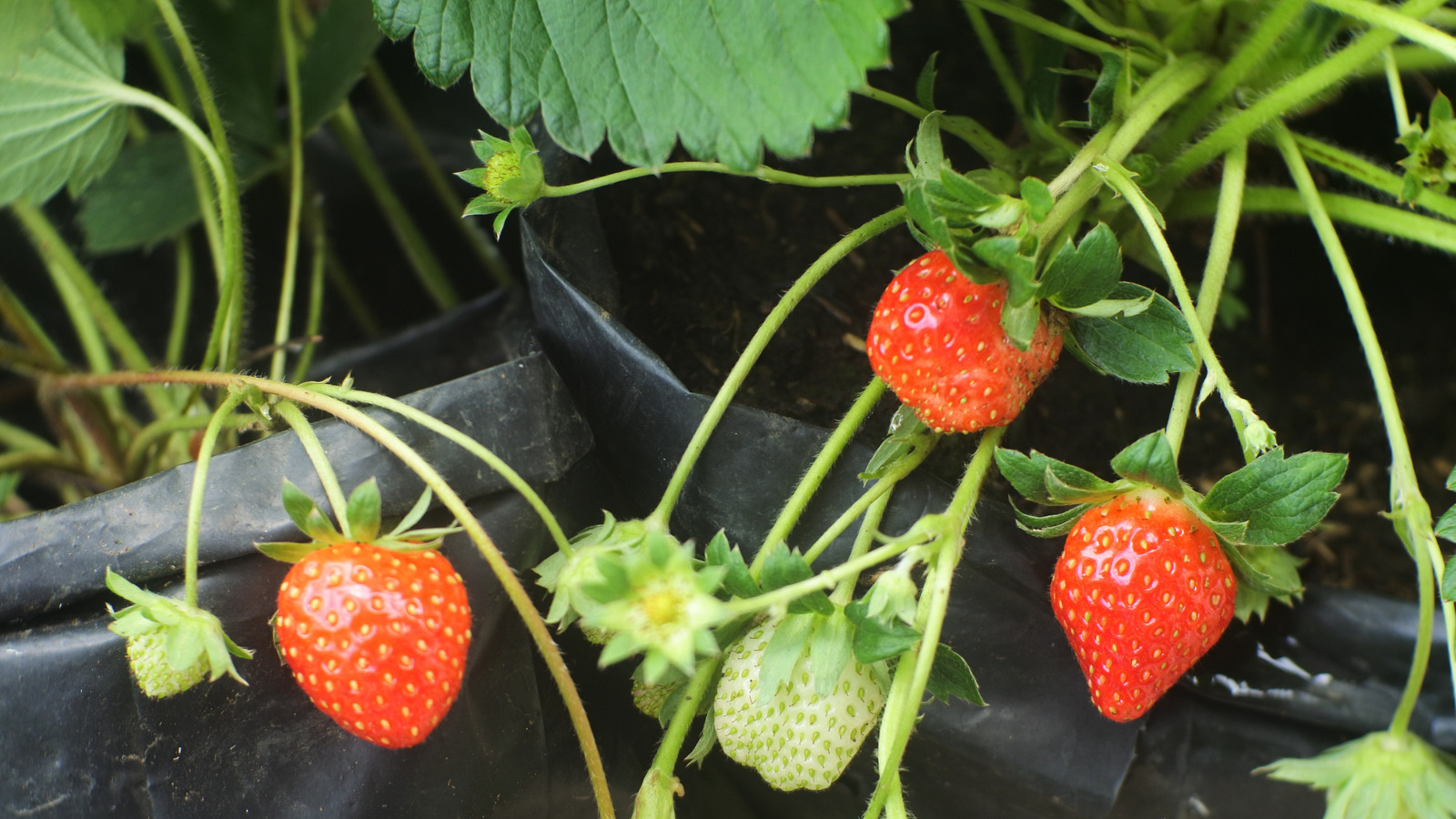
When considering the cheapest fruit to grow, you want something that's high-yielding, low-maintenance, and ideally fast-growing. Cheap can also be relative - if a fruit is generally affordable and available in stores, it's probably not worth the effort and garden space to grow it yourself.
Agriculture

fromBig Think
4 days agoEverything you eat is sunlight. Scientists want to cut out the middleman.
To fuel our bodies, we must eat other living things, killing them in the process. However, most plants and algae are autotrophs. They bootstrap their biomass without the barbarism of eating others: using photosynthesis, turning sunlight, water, and carbon into energy.
Philosophy
fromTime Out London
4 days agoA new garden will open in Regent's Park next week
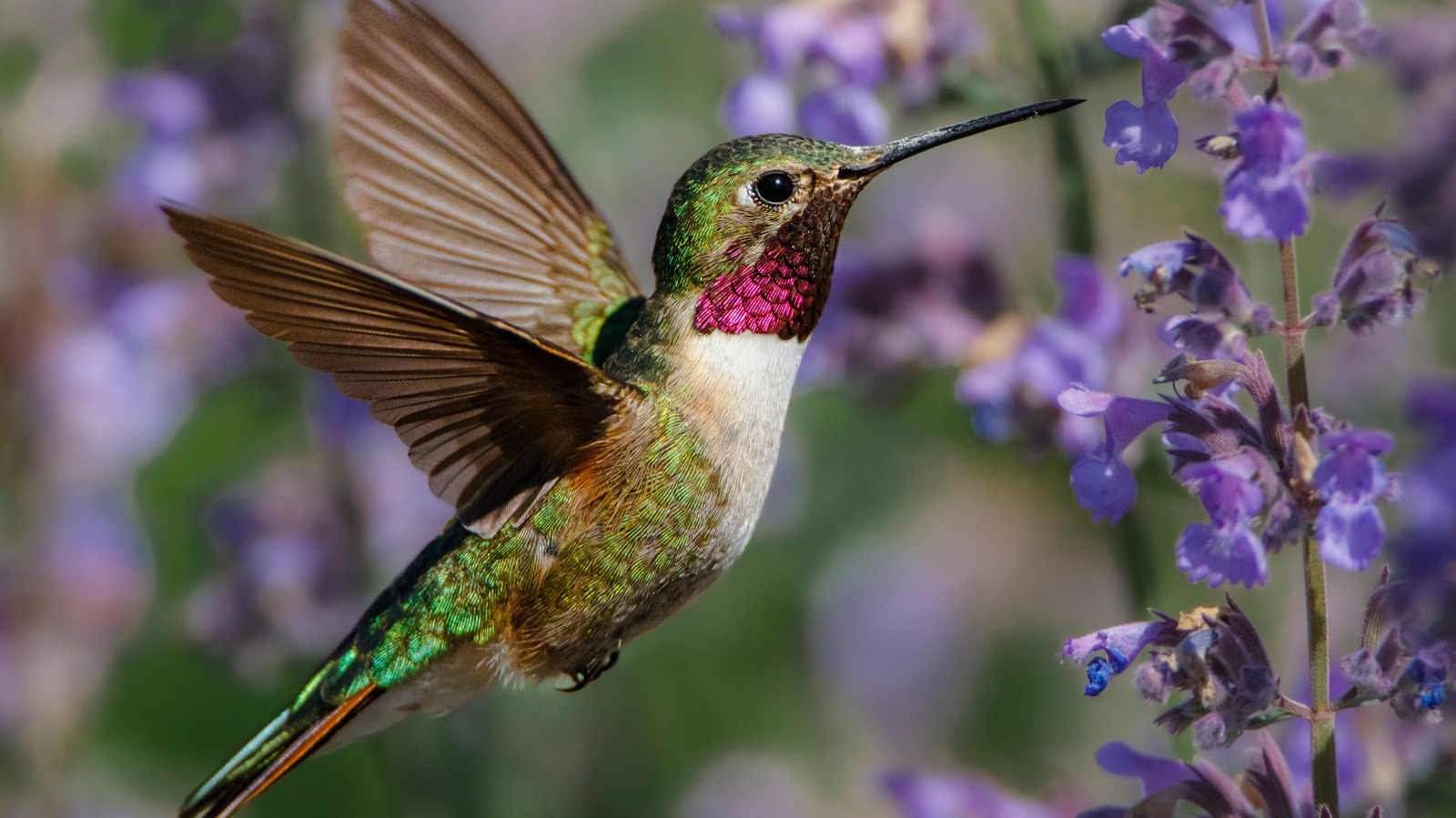
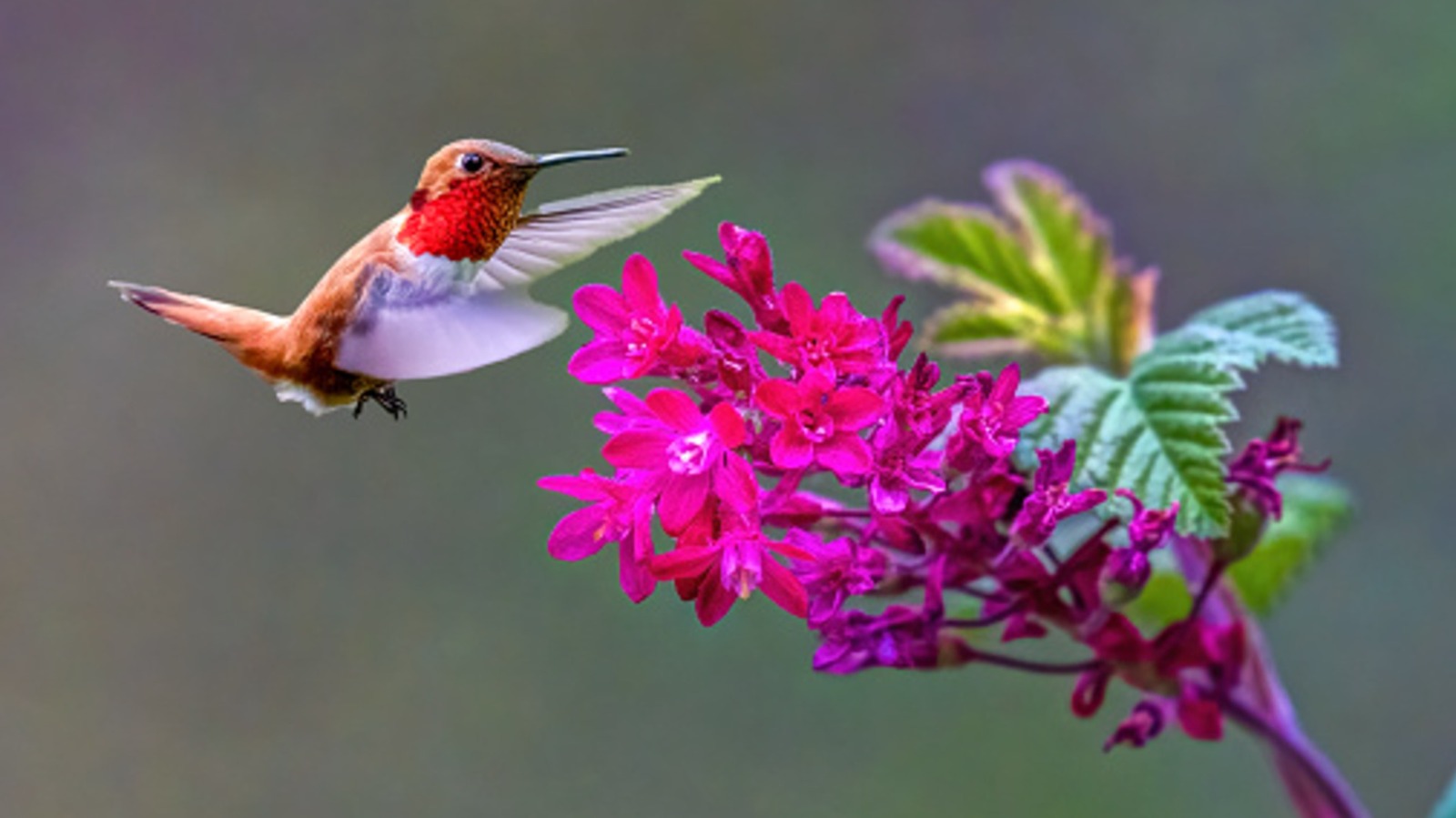
The Queen Elizabeth II Garden will officially open to the public on Monday April 27, commemorating the late monarch's 100th birthday with a beautiful landscape filled with climate-resilient plants and wildlife habitats.
London food
fromwww.theguardian.com
2 weeks agoHouseplant hacks: do eggshells deter fungus gnats from laying eggs?
Crushed clean, dry eggshells, when scattered over the soil, are intended to stop adult gnats from laying eggs and potentially add natural fertilizer. However, they merely sit on the surface, collecting dust, while the gnats remain attracted to the damp compost.
Renovation
fromTasting Table
1 week agoThe Best Method For Picking Ripe Peppers Off The Plant - Yes, There Is A Right Way - Tasting Table
Using a sharp, sterile tool such as clippers or pruners is essential when harvesting peppers. Pulling them off by hand can damage the plant, leading to fewer fruits.
Agriculture


fromwww.theguardian.com
1 week agoThe art of grafting: joining two plants together to grow as one is horticultural magic
Grafting is the method through which two different plants from the same species or genus are joined together to grow as one. The resulting plant benefits from the qualities of the two different original plants.
Agriculture
fromSilicon Canals
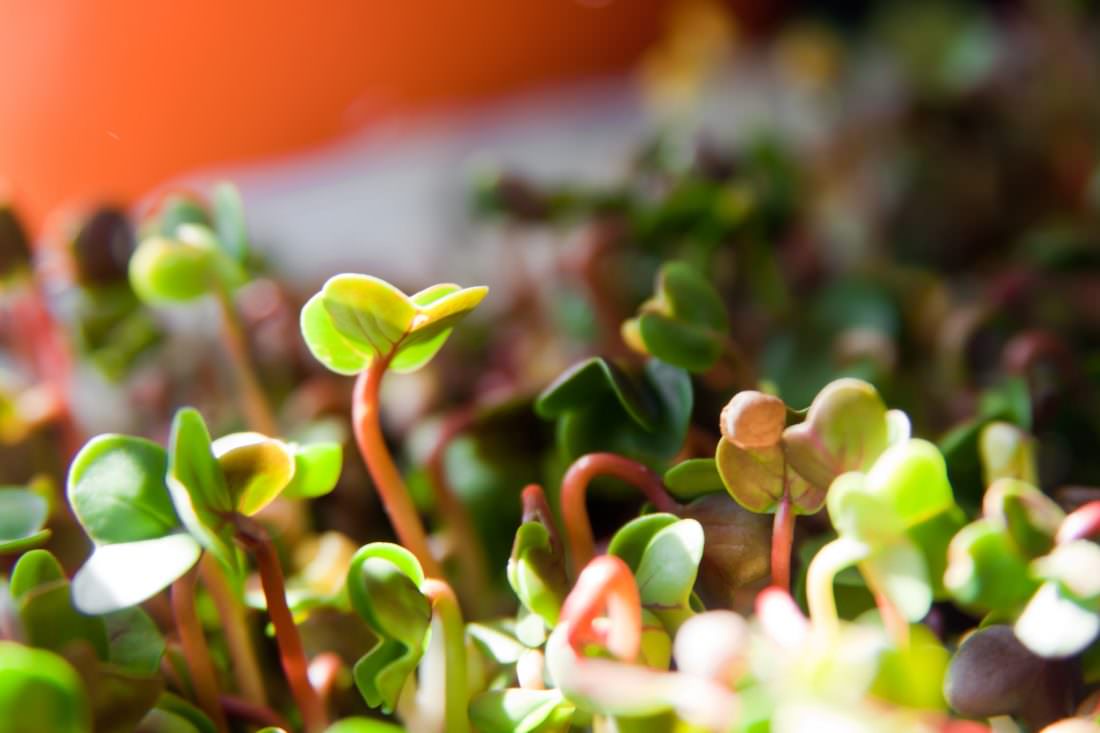
2 months agoWhy your herbs die indoors and the light requirement most people underestimate - Silicon Canals
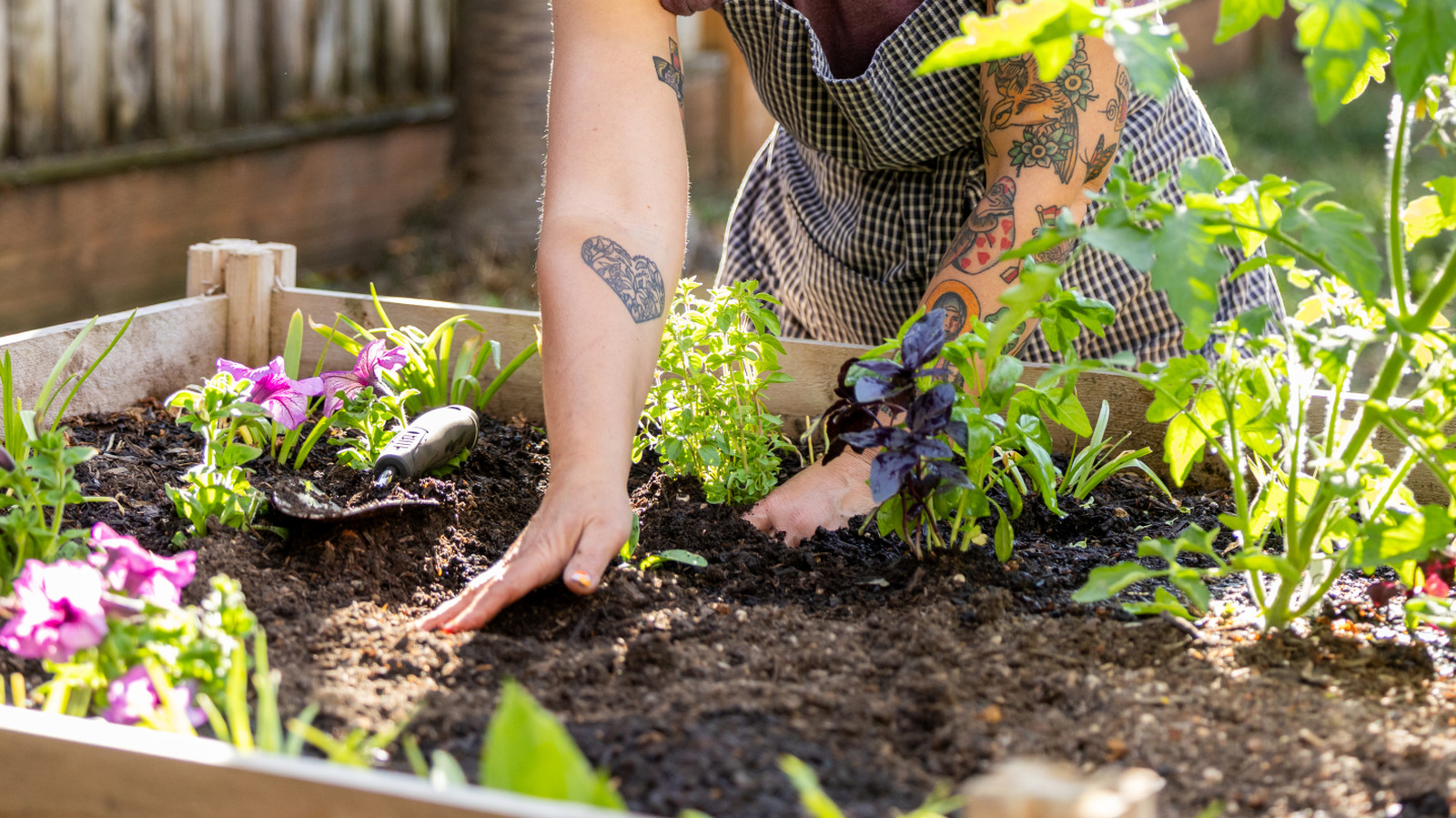
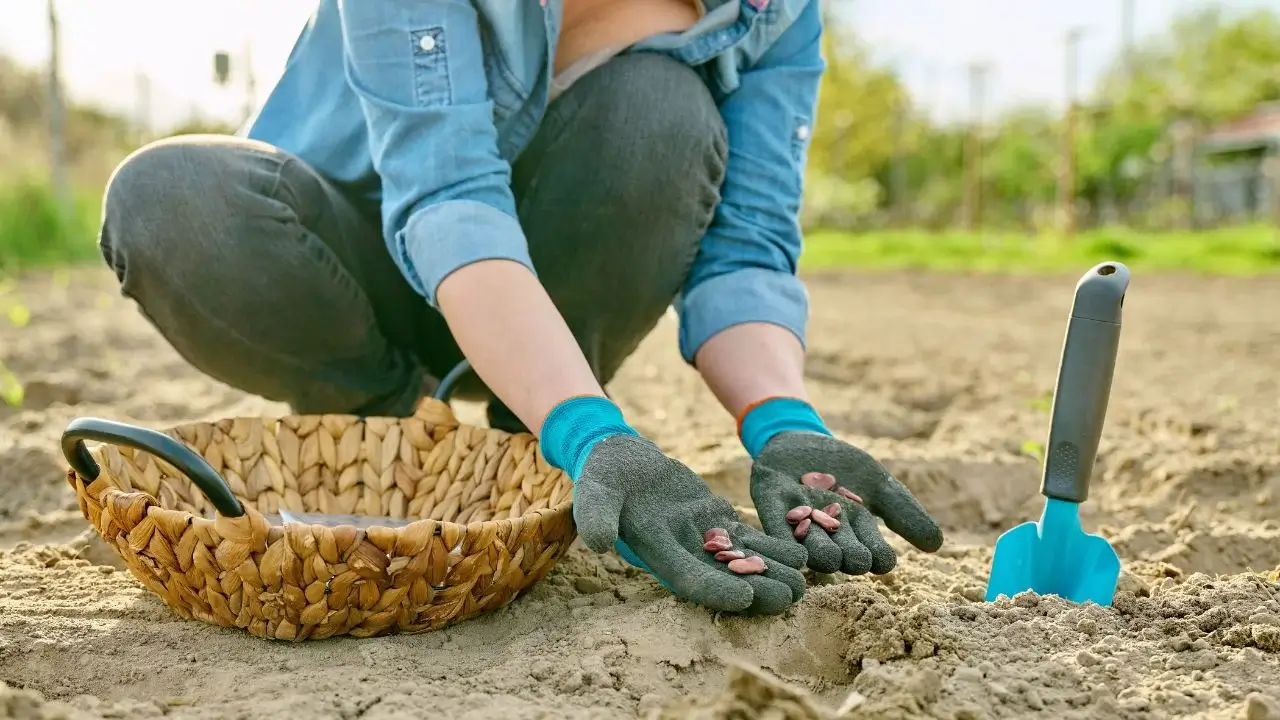
You know that moment when you realize you've become a serial plant killer? Mine came last winter when I stood in my kitchen, staring at yet another crispy basil plant that had gone from vibrant green to sad brown in what felt like days. This was attempt number four, and I'd done everything the little care tag suggested. Watered it regularly (but not too much!), kept it on my brightest windowsill, even talked to it occasionally while making morning coffee.
Environment
fromTasting Table
2 weeks agoThe Very First Thing To Learn About Your Kitchen Before Making A Countertop Garden - Tasting Table
Countertop gardens allow individuals with limited outdoor space to grow herbs and vegetables indoors, providing fresh ingredients that enhance cooking. They are particularly beneficial in cold climates or during winter months.
Agriculture
fromTasting Table
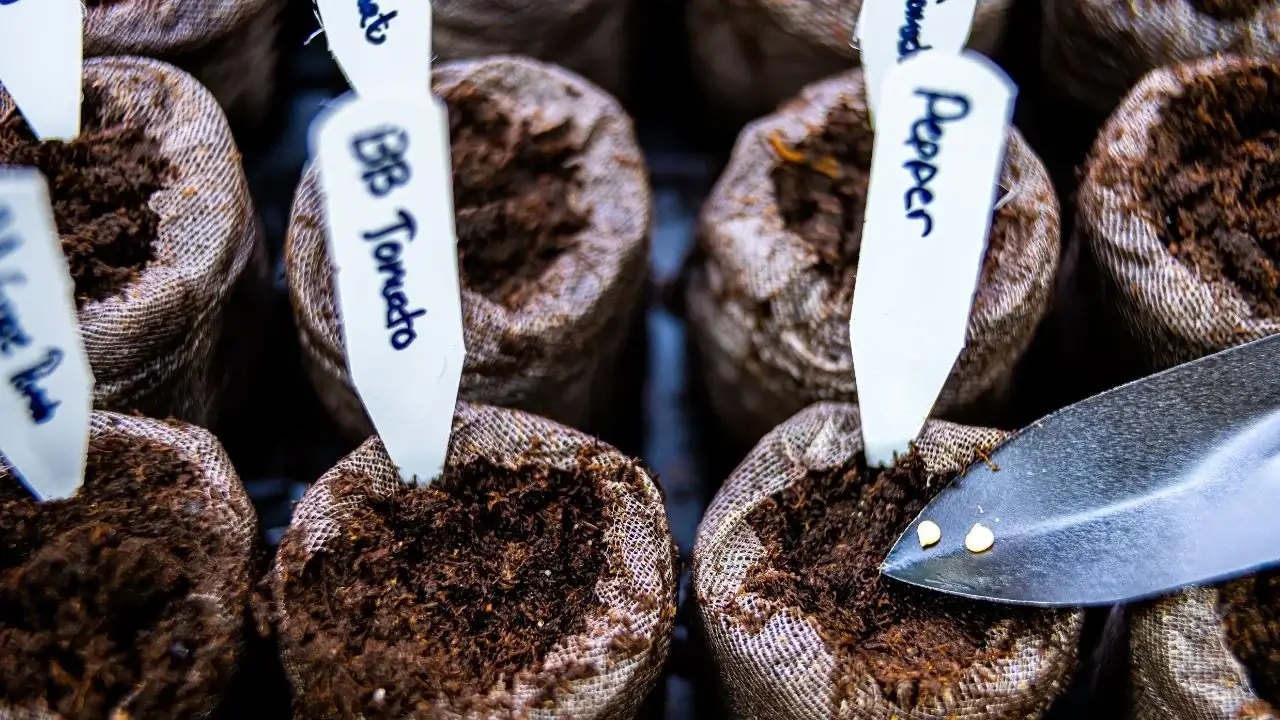
4 weeks agoStop Starting Your Indoor Vegetable Seeds Too Early: Here's The Timing Rule Of Thumb To Go By - Tasting Table
Seedlings are ambitious and will germinate and start growing once pressed into damp soil, shooting toward the nearest light source. However, if they remain in small containers without natural light, they can become root-bound and leggy, eventually collapsing under their own weight.
Agriculture
Everyday cooking
fromTasting Table
1 month agoHow To Grow Eggplant Indoors For A Faster And More Foolproof Harvest - Tasting Table
Starting eggplant seeds indoors two months before the final frost provides a significant head start, with seeds germinating in five days and requiring 100 days to maturity.
Agriculture
fromTasting Table
1 month agoCan You Grow A Garden From Grocery Store Produce Seeds? - Tasting Table
Growing vegetables from store-bought seeds is possible but results vary based on produce type, growing method, and post-harvest treatment, with hybrid plants producing different crops than their parent plants.
fromTasting Table
1 month agoThis Self-Seeding Herb Practically Grows Itself Once Established In Your Garden - Tasting Table
Garden angelica, Angelica archangelica, belongs to the Apiaceae family, the same botanical group as carrots, celery, fennel, and parsley. Like its relatives, it produces a large, distinctively umbrella-shaped inflorescence, or flower cluster, called umbels. In its first year, the plant forms a lower mound of bright green leaves. In the second, a thick, hollow stem shoots upward and unfurls the broad green flower heads that resemble wild carrot or Queen Anne's Lace.
Agriculture
Agriculture
fromModern Farmer
1 month agoHow to Start Tomato Seeds: 5 Expert Growing Tips
Tomato success depends on choosing between indeterminate varieties for long seasons and determinate varieties for short growing periods, then starting seeds indoors four to six weeks before the last frost in most North American regions.
fromwww.theguardian.com
1 month agoWhen it comes to preparing seeds for your garden, you'll reap what you sow
To an unimaginable eye, a seed looks inert. Yet they are packed with genetic information and biological processes poised to unfold. All it takes is the right configuration of signals and stimuli from the environment to let them know it's time to dare to grow.
Agriculture
fromTasting Table
2 months agoThe Slow-Growing Crop That Pays Off Big When You Start It From Seed - Tasting Table
People grow asparagus from crowns because it shortens the long wait times for harvesting. From seed, you'll need to wait three years before harvesting asparagus. Some people consider that a waste of time. The tradeoff is that you can keep harvesting every spring for up to 15 years or more. If you plant crowns, you get a one-year jump on things. However, those crowns may have soil-borne diseases you don't know about, so there is a risk involved. Seeds remove that problem.
Agriculture
Agriculture
fromTasting Table
1 month agoGrowing Strawberries? This Brilliant Backyard Method Is So Easy - Tasting Table
Growing strawberries in gutters is an accessible beginner-friendly method requiring minimal space, drainage holes, soil, and eight hours of daily sunlight for successful vertical gardening.
Agriculture
fromArchitectural Digest
2 years ago13 Raised Garden Bed Ideas to Elevate Your Backyard This Spring
Raised beds allow gardeners to engineer ideal soil conditions, improve ergonomics, protect crops from pests, and enable faster soil warming and easier watering compared to ground-level gardening.
[ Load more ]