#historic-ruins
#historic-ruins
[ follow ]

fromArtnet News
2 days agoColosseum Facelift Restores Ancient Southern Entrance to Its Former Glory
"[The project] has finally restored the perception of the monument's original size and floor level," architect Stefano Boeri said in a statement. "It also offers the public the opportunity to approach its walls and imagine the rhythm and sequence of the ambulatories and arches, now lost. It's a respectful and useful project that completes research carried out by the archaeologists of the Colosseum Archaeological Park."
Arts


World news
fromThe Art Newspaper - International art news and events
1 week agoIn a month of war, Iran's cultural heritage has suffered huge damage
Iran's war has caused severe damage to cultural heritage, infrastructure, and loss of life, notably impacting sites like Golestan Palace and Chehel Sotoun Palace.
fromMedievalists.net
4 days agoNorway Invests Millions to Preserve Medieval Sites - Medievalists.net
"The ruins from the Middle Ages are part of our common history. With these grants, we are strengthening the work that makes it possible to preserve them, not only as historical traces, but also as living sources of knowledge for both researchers, craftsmen and local communities."
History



fromArchDaily
2 weeks agoFirst Aid for Endangered Heritage: An Interview with Ambulance for Monuments
Ambulance for Monuments operates through a collaborative network of organizations and volunteers, redefining the role of the architect in heritage preservation by involving professionals, students, craftsmen, and local communities.
Fundraising
fromCN Traveller
2 weeks ago7 wonders of Greece for 2026
The Rio-Antirrio Bridge, with its triangular sections resembling giant sails, is the world's longest multi-span cable-stayed bridge, spanning 2,880 meters across the Rion Strait. Completed in 2004, it transformed travel between the Peloponnese and mainland Greece, reducing ferry crossing times significantly. The views from the bridge are breathtaking, offering glimpses of the indigo waters and majestic mountain ranges.
Europe news
World news
fromThe Art Newspaper - International art news and events
2 weeks agoArchaeologists create map revealing extent of damage to Iran heritage sites
Iranian archaeologists launched an interactive map to geolocate cultural sites damaged by US-Israeli strikes, highlighting the erasure of heritage.
fromThe Art Newspaper - International art news and events
1 week agoUnesco grants enhanced protection to 39 Lebanese heritage sites as war escalates
The designation prohibits the sites from being targeted or used for military purposes, with violations potentially constituting serious breaches of the 1954 Hague Convention and grounds for criminal responsibility.
Arts
London politics
fromwww.theguardian.com
3 weeks agoStonehenge tunnel plan officially scrapped after years of protests
The UK Department for Transport has officially cancelled a controversial tunnel project under Stonehenge after spending £179.2 million on planning, citing exceptional circumstances and revoking the development consent order.


World politics
fromArchDaily
1 month agoCultural Heritage Sites in the Middle East Damaged as War Strikes Historic Urban Areas
US-Israeli military attacks on Iran in February 2026 initiated a new Middle East conflict zone, joining multiple global armed conflicts causing widespread destruction of cultural and infrastructure assets.
fromThe Art Newspaper - International art news and events
1 month agoAncient Egyptian 'Tipp-Ex' discovered on papyrus at UK's Fitzwilliam Museum
The corrective fluid analysed using light infrared photography revealed a mixture of huntite and calcite, while images made using a 3D digital microscope show that there also are flecks of yellow orpiment, probably to make it blend in better with the fresh papyrus, which would have originally been pale cream in colour.
Typography
fromVulture
1 month agoA World Forever in the Shadow of Apocalypse
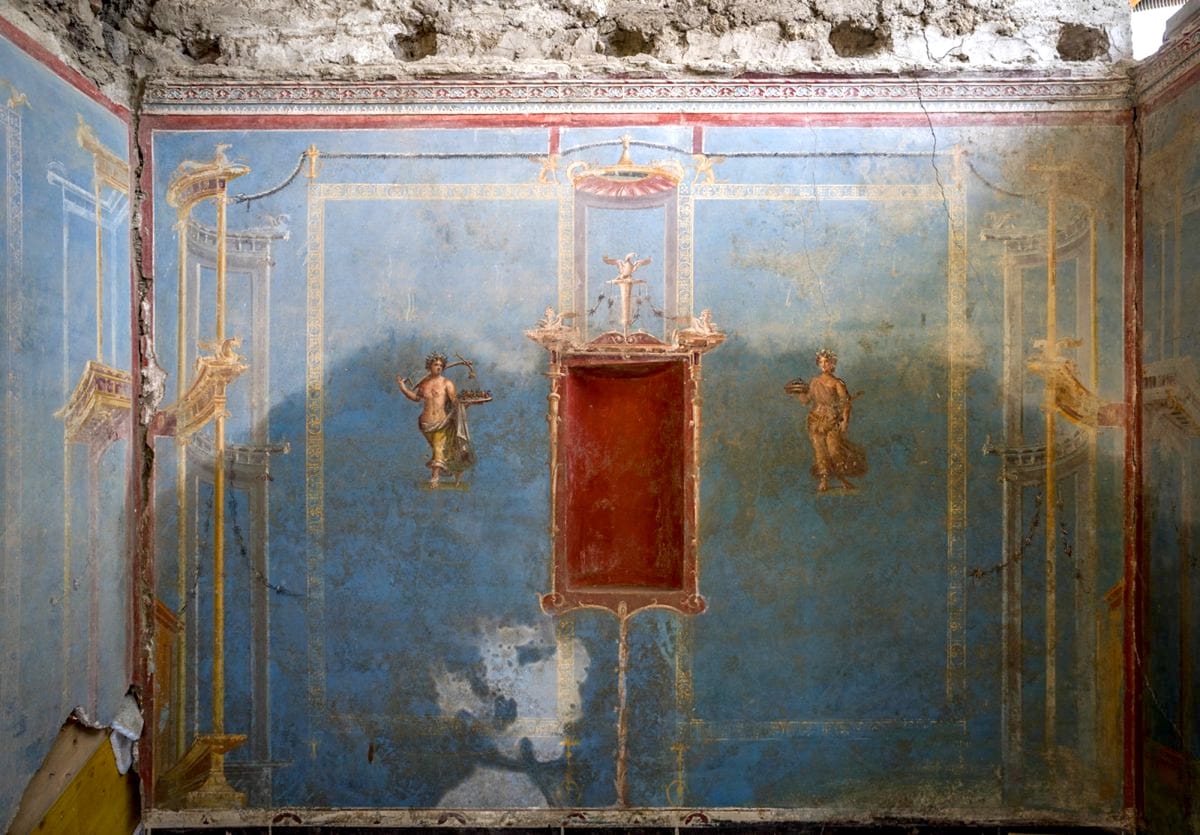
At least that's the mood director Gianfranco Rosi evokes in his mesmerizing documentary Pompei: Below the Clouds, which won a Special Jury Prize at the Venice Film Festival last year and is finally being released theatrically in the U.S., ahead of a March 27 streaming premiere on Mubi. The apocalypse Rosi presents is not just the legendary one that destroyed the ancient Roman town of the film's title but an ongoing one that encompasses the calamities of our modern era as well as the rejuvenation that sometimes accompanies destruction.
Film
fromwww.theguardian.com
1 month agoDismay as ancient heritage sites across Iran damaged in US-Israel bombing
The most serious confirmed damage to date has been to Tehran's Golestan palace, dating back to the 14th century, and the 17th-century Chehel Sotoon palace in Isfahan. Judging from videos and public statements, neither historic building was hit by a missile directly but the shock wave from nearby blasts and possibly some missile debris, shattered glass and brought down tiles and masonry.
World news
fromArtnet News
3 weeks agoThe Cultural Heritage Sites Damaged by the U.S.-Israel War on Iran
After the historical Iranian city of Isfahan was targeted by several major strikes, its governor Mehdi Jamalinejad claimed that serious damage had been inflicted even after blue shields were put on the roofs of culturally important buildings. This is an internationally recognized signal under the 1954 Hague Convention for the Protection of Cultural Property in the Event of Armed Conflict.
Arts

fromArtnet News
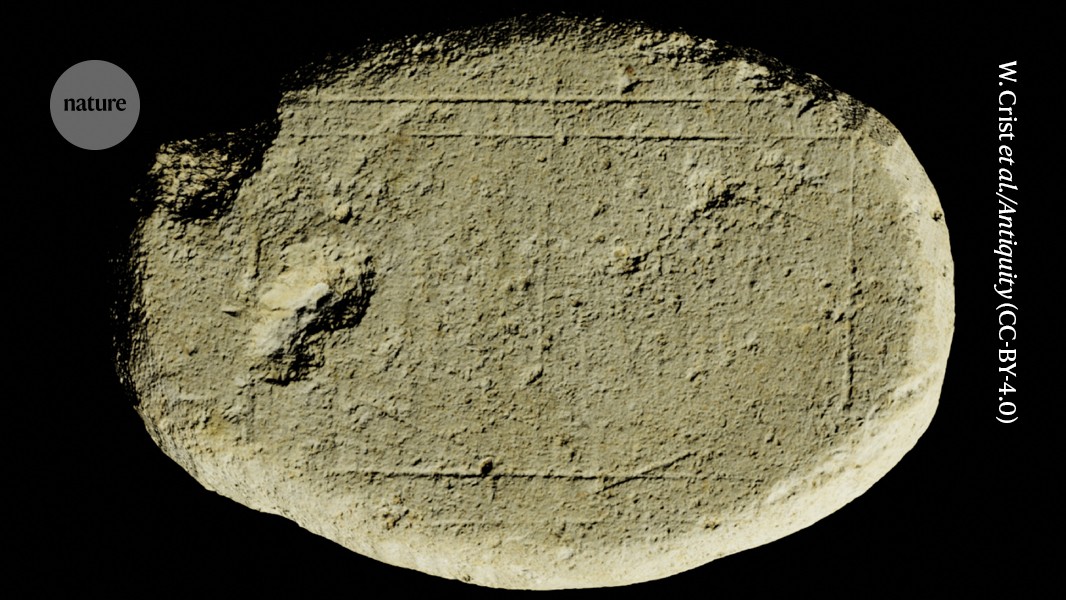
3 weeks agoStrange Coin Used on U.K. Bus Turns Out to Be 2,000-Year-Old Relic
An enigmatic coin that someone used to board a British bus seven decades ago is now entering the collection of the Leeds Discovery Centre, following the revelation that it's a bit of 2,000 year old currency from the former Carthaginian trading settlement of Gadir, in modern-day Cádiz, Spain-one of Europe's longest-inhabited cities, settled by Phoenicians around 1,100 B.C.E.
Arts
History
fromArs Technica
4 weeks agoCenturies before the Inca, Peru's wealthy imported parrots from afar
The Ychsma kingdom maintained a sophisticated long-distance trade network spanning hundreds of kilometers across the Andes to import live parrots from the Amazon rainforest centuries before the Inca Empire.
fromCN Traveller
2 months ago7 wonders of Europe for 2026
Europe has never been short on spectacle. Yet beyond the headline cities and endlessly recycled itineraries lies a quieter, deeper continent; one that's best encountered through patience and a willingness to detour from the obvious itinerary. Our 7 wonders of Europe for 2026 in Europe are not places that beg for attention. Instead, they reward those prepared to explore more than a few miles from the nearest airport and linger a little longer than planned.
Travel
fromwww.thehistoryblog.com
1 month agoRitual site at summit of rock formation identified
The two socketed axes were discovered last year by a metal detectorist who recognized that their careful positioning could not have been a natural process. He reported the find to the Westphalia-Lippe Regional Association (LWL). The subsequent excavation of the find site revealed a far more complex depositional context. Beneath the axes is a pit carved into the rock.
History
fromYanko Design - Modern Industrial Design News
2 months agoThis 3D-Printed Roof Is Saving 2,000-Year-Old Roman Tombs - Yanko Design
What makes this canopy special isn't just that it uses 3D printing technology, though that's certainly impressive. It's the way the designers thought about the entire system. Rather than simply throwing a roof over the tombs and calling it a day, they created what's essentially a climate-control system disguised as architecture. The canopy features a double-layer envelope that does way more than keep rain off ancient stone. Built into this roof are ventilation and air extraction components that actively regulate temperature and humidity.
Design

fromOpen Culture
1 month agoSeven Wonders of the Ancient World: From the Walls of Babylon to the Sewers of Rome
Seven were the strings of the lyre (unless there happened to be eight or nine), seven were the gates of Thebes, and seven were the "wandering stars" in the night sky (if you count the sun and moon). The identity of the wonders was less important than the length of their list, and indeed, additions and changes were proposed since the beginning.
History
fromMail Online
2 months agoLost tomb of mysterious 'cloud people' unearthed after 1,400 years
Archaeologists in Mexico have uncovered a 1,400-year-old tomb in the Central Valleys of Oaxaca that had been lost to history. The stone structure, built by the Zapotec culture, known as Be'ena'a, or 'The Cloud People', is adorned with sculptures, murals and carved symbols that suggest ritual significance. The Zapotec believed their ancestors descended from the clouds and that, in death, their souls returned to the heavens as spirits.
World news
History
fromwww.thehistoryblog.com
1 month agoColossal offering uncovered at Templo Mayor
Archaeologists discovered massive ceremonial offerings at Mexico City's Templo Mayor containing 83 ancient Mezcala greenstone figurines, marine elements, and monumental sculptures deposited during Moctezuma Ilhuicamina's reign between 1440-1469.
World news
fromThe Art Newspaper - International art news and events
1 month agoBill aimed at giving Israel control over all West Bank heritage sites sparks concern
Bill would establish Israeli civilian authority over West Bank antiquities, granting sweeping powers including land expropriation and council appointments, raising legal and political concerns.
History
fromWorld History Encyclopedia
1 month ago12 Great Cities of Ancient Mesopotamia: The Rise and Fall of the Earliest Cities in the World
Twelve major Mesopotamian cities including Nineveh, Uruk, Babylon, and Ur became legendary through Greek writings and yielded significant archaeological discoveries, each connected to a patron deity whose prestige determined the city's fate.
History
fromOpen Culture
1 month agoRome in 1890 Captured in Color Photographs: The Colosseum, Forum, Trevi Fountain & More
English gentlemen completed their education through the Grand Tour of Europe, primarily Italy, which profoundly influenced Romantic poets like Byron and shaped their artistic vision of classical civilization in ruins.
fromThe Art Newspaper - International art news and events
2 months agoWorld's oldest known rock art discovered in Indonesia
Archaeologists have discovered what they believe is the world's oldest known rock art, in a cave off the island of Sulawesi, Indonesia. The hand stencil has been dated to at least 67,800 years ago, making it 1,100 years older than the earliest example of rock art that was known about before this, produced in Spain by Neanderthals. The Sulawesi work may, its finders say, provide insights into the migration of early humans to Australia.
Arts
fromwww.thehistoryblog.com
1 month agoCenturion's tombstone reused in someone else's grave
Both of the cyst graves feature funerary markers reused as building material. One of them contains the partially preserved tombstone of Legio I Italica centurion Gaius Valerius Verecundus was engraved with a wreath of which only traces remain and an inscription that describes him as having been heavily pressed by fate.
History
fromMail Online
2 months agoMystery of Egypt's pyramids deepens as hidden megastructure revealed
More than 200 scans from multiple satellites, including Italy's Cosmo-SkyMed and the US-based Capella Space, showed uniform results suggesting massive pillars about 65 feet in diameter wrapped in spirals and plunging nearly 4,000 feet deep. Those pillars appear to end in 260-foot cubic chambers beneath all three pyramids and the Sphinx, which Biondi described as 'huge chambers' measuring roughly 260 feet in length and width.
History
fromwww.thehistoryblog.com
1 month agoRare Mithraic altars found in Scotland go on display for the first time
Two exceptionally rare and beautifully carved Mithraic altars found in Inveresk, East Lothian, Scotland, are going on display for the first time. They are not just the only Roman altars ever found in Scotland, but are among the finest examples of Roman sculpture in Roman Britain. They are also uniquely early in date, having been made in 140s A.D. during Antoninus Pius' reoccupation of southern Scotland, whereas most other archaeological materials related to the worship of Mithras in Britannia date to the 3rd century.
fromMail Online
2 months agoMysterious symbols spanning the globe hint at a lost civilization
His investigation began after identifying recurring giant T-shapes, three-level indents, and step pyramids carved into ancient stones worldwide. 'These specific symbols that are built in different size proportions, and the symbols are found in ancient stones around the world, are not supposed to exist; no cultures are supposed to have any cross-platform,' LaCroix explained. The symbols appear in locations ranging from Turkey's Van region to South America and Cambodia.
History
fromwww.thehistoryblog.com
2 months agoMonumental Republican tombs found in Rome suburb
An monumental early Republican-era funerary complex has been discovered in a suburb of Rome. The excavation of the Via di Pietralata east of Rome also uncovered a stretch of an ancient road, a small cult building and two monumental basins dating back to the 3rd and 2nd centuries B.C. Remains from this early in the Republican era are scarce in the Eternal City, which make these finds very archaeologically significant.
History
fromMail Online
2 months agoThe bone that proves Hannibal really DID cross the Alps with elephants
While the bone was worn and poorly preserved, archaeologists managed to identify its origin by comparing it with modern elephant and mammoth bones. Despite there not being enough DNA to confirm the exact species, the researchers were able to carbon date a tiny sample of the bone. This places the elephant's death between the late fourth and early third centuries BC - right in the middle of the Second Punic War.
History
fromwww.thehistoryblog.com
1 month agoGreat hall from 4th c. bishop's palace complex found in Ostia
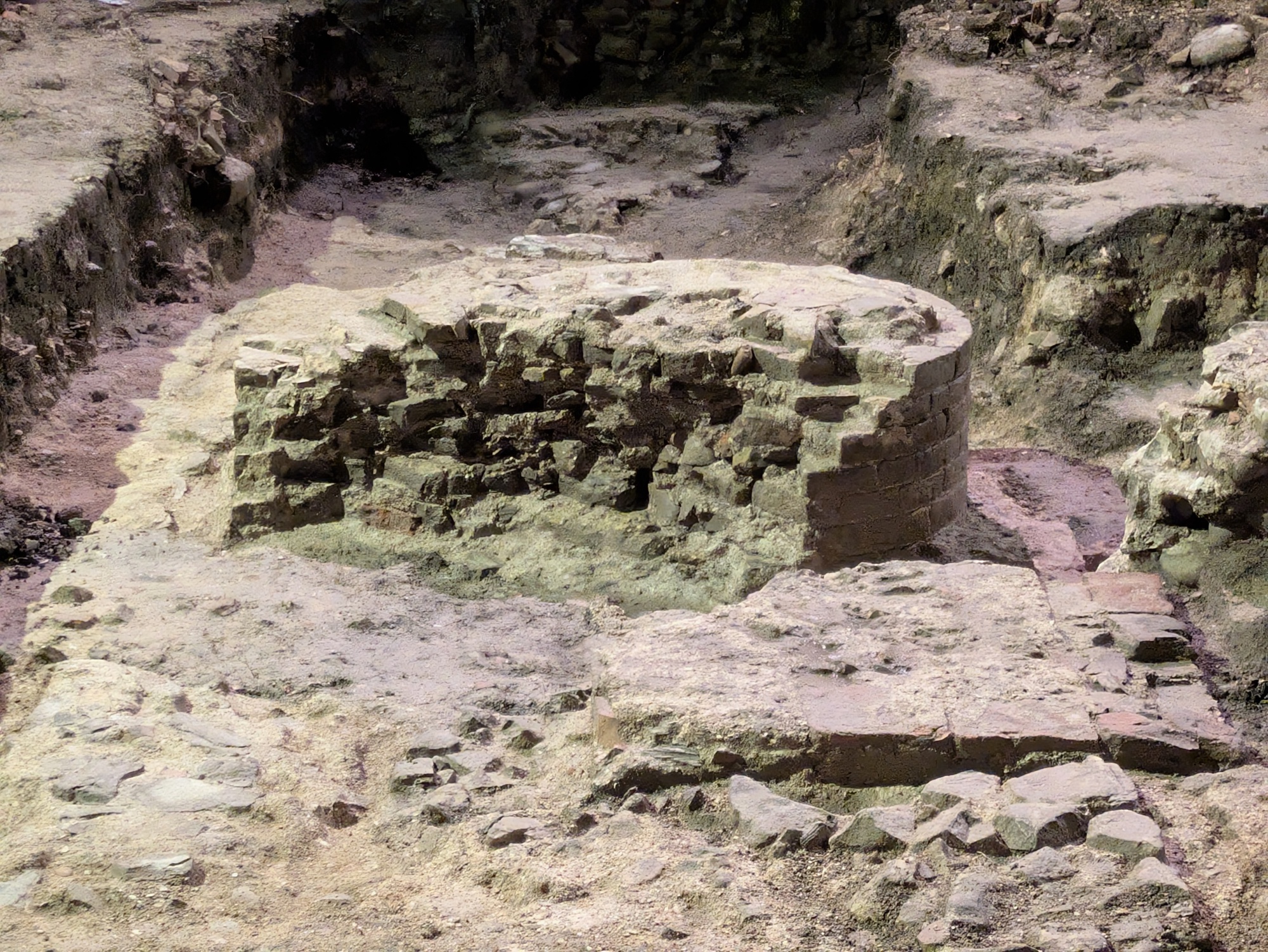
The remains of a monumental hall belonging to a 4th-century episcopal palace have been discovered at Ostia Antica, Rome's ancient port town. The base of the structure is eight by 20 meters (ca. 26 by 65 feet) and the walls were an estimated eight meters high. This is an extraordinarily large space, and it was richly decorated with mosaic floors and marble panels.
History
fromThe New Yorker
2 months agoEaster Island and the Allure of "Lost Civilizations"
Finding out what actually happened in the deep past can be a slog, so when ancient history is packaged as mystery-spine-tingling but solvable-it's hard to resist. Who doesn't want to know how a lost civilization got lost, or where it might be hiding? The trouble is that what gets touted as a lost civilization often turns out to have been there all along.
fromwww.thehistoryblog.com
2 months agoLate Antique necropolis with deliberately broken pottery found in France
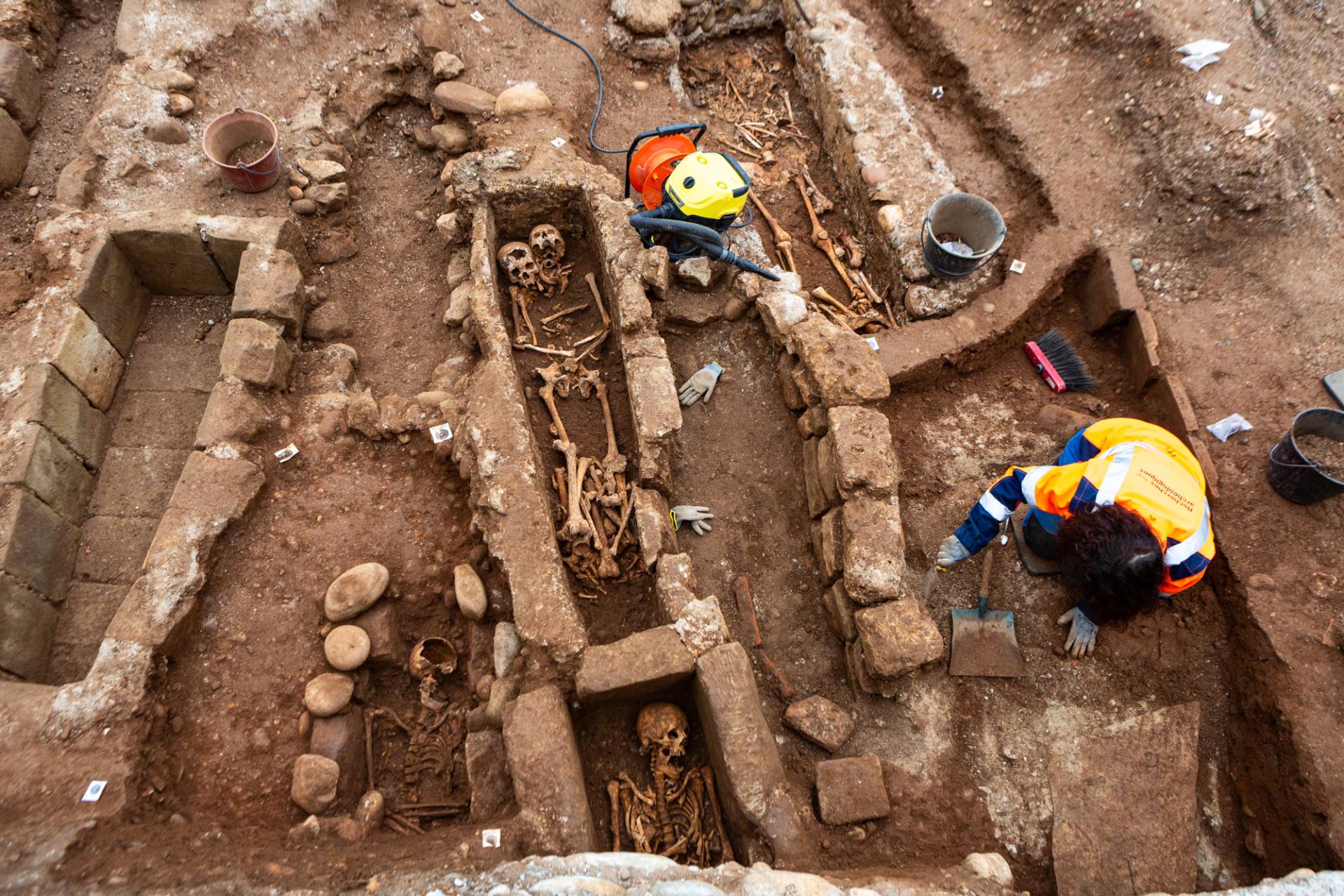
Adjacent to the masonry house is a burial ground in use from the 4th century through the first half of the 6th century. Approximately 60 individual inhumation burials have been unearthed, arranged in rows that are increasingly dense with graves as they approach the dwelling. The deceased were buried in cysts formed by reused tegulae (large clay roof tiles) or by rubble walls that supported wooden planks. They were placed in the graves in supine position facing west, north or south.
History
[ Load more ]