Medicine
fromwww.theguardian.com
11 hours agoGut microbiome can reveal risk of Parkinson's, scientists say
Changes in gut microbiome can identify individuals at risk of Parkinson's disease before symptoms appear.
Research increasingly demonstrates that healthy nutrition improves mental health, and an entirely new subspecialty has formed to support this. Nutritional psychiatry is expanding rapidly, with research growing 15-fold from 2000 to 2024, reflecting the increasing acceptance of diet's role in mental health.
Young, two-month-old lab mice housed with older, 18-month-old mice showed really impaired cognition. Researchers exposed young mice raised in a sterile, microbe-free environment to gut bacteria from old mice, causing the younger animals to perform worse on cognitive tests, as if they had prematurely aged, just like the cohoused mice.
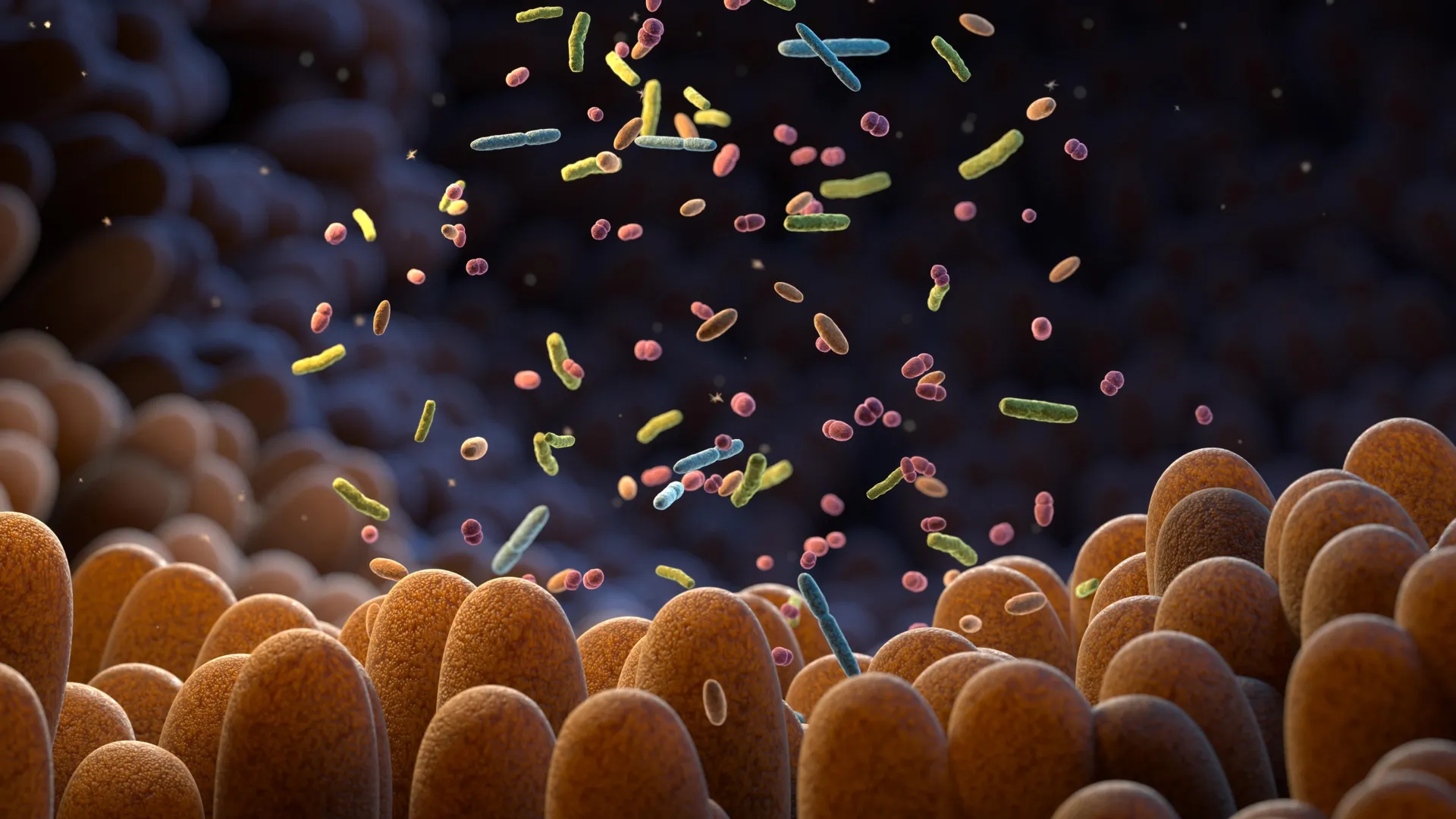
Gut bacteria are crucial to ensuring healthy digestion and defecation. But two species of bacteria may also be the cause of constipation: according to a new study, Bacteroides thetaiotaomicron and Akkermansia muciniphila appear to work in concert to break down colonic mucin, the slimy coating in our colons that keeps our poo moving along. Too little mucin means a drier and more constipation-prone colon.
From ultra-processed foods to hidden chemicals, we ask whether what's on our plates is making us ill. From ultra-processed foods to chemicals linked to cancer and chronic disease, this episode unpacks what's really inside everyday supermarket products. We examine how mass production and convenience culture reshaped our diets, why some ingredients are banned in parts of the world but legal elsewhere, and what FDA-approved actually means.
The article from the journal argues that the gut-autism axis is a house of cards built on lousy studies with inconsistent data. They assert that the studies are contradictory and that too much emphasis is placed on dubious mouse models. It is notoriously challenging to nail down microbial causes of disease—it is hard enough to simply identify a normal microbiome.
Anyone living with schizophrenia understands the true limitations of current treatment options. Antipsychotics remain the single leading treatment for the disorder, and they are riddled with undesirable side effects. Weight gain, tardive dyskinesia, and excessive drowsiness are a few. Much research is devoted to expanding the range of medication options, and few academics have pursued other avenues. However, there is a possibility that treatment for schizophrenia can be approached through cellular methods if long-term research validates early signs of hope.
There are some communities that are very unhealthy where the diversity is higher. Low diversity is not a universal marker. We found something that at first seemed surprising. That a healthy microbiome has lots of competition. These bugs are all going after the same food. In an unhealthy gut, on the other hand, you see tight cooperation - microorganisms are helping each other out.
Everything on my Instagram feed at the moment is about worms and parasites, she told the Wall Street Journal, ominously adding: I don't know what the heck is going to come out. Maybe your social media feeds aren't full of posts about worms and parasites, in which case, congratulations. But type parasite cleanse into TikTok or Instagram and you'll be inundated with so-called experts peddling expensive herbal supplements that promise to detox the body and rid it of harmful worms and parasites.
Adult content has never been as accessible as it is now, thanks to the internet. Hell, online smut played a major role in the rise of the web itself in the 1990s. With that glut of porn, some have voiced concerns that some people are consuming too much of the stuff or even becoming addicted, which they claim could have consequences like regulating emotions or impaired sexual functioning.
Fecal transplants from old female mice appear to boost fertility and ovarian health in younger ones. The findings, detailed in a study published Tuesday in the journal Nature Aging, indicate a direct link between gut health and reproductive health in the animals. They could also hold implications for future research into how the microbiome influences ovarian function and fertility in humans.
He wasn't crazy. His body had literally turned into a brewery. Cases like this have been mere medical anecdotes for decades, but they have just received the most solid scientific validation yet. A study published in Nature Microbiology, conducted by researchers at the University of California (UC) San Diego and Massachusetts General Hospital, has finally identified what happens inside the gut of these patients. More importantly, it has found a treatment that works: a stool transplant.
To make their discovery, researchers examined donated eye tissue from more than 100 people who had died with Alzheimer's, mild cognitive impairment or no signs of dementia. They were looking specifically for C. pneumoniae, because previous research has already linked it to Alzheimer's. The bacteria has also been detected in brain tissue from patients who died with the condition, sometimes found close to the sticky amyloid plaques and tangles believed to drive memory loss and confusion.