You can imagine the questionable looks I received at checkout. "That girl must love chicken" was likely on the minds of everyone. Once home, I cooked the products according to the package directions, sampled them, and judged each based on flavor, texture, and nutrition. Stuffed with yummy protein, I ranked the chicken from my least favorite to what I preferred. Everything was tasty, but those at the top had the best taste, texture, and nutritional profile.
The Built Puff protein bar is covered in chocolate and has a sweet coconut center, making it practically indistinguishable from a Mounds bar. Nutritionally, though, the two products are very different. A Mounds bar has north of 200 calories and 20 grams of added sugar. My bar has 140 calories, just six grams of added sugar, and about as much protein as three eggs.
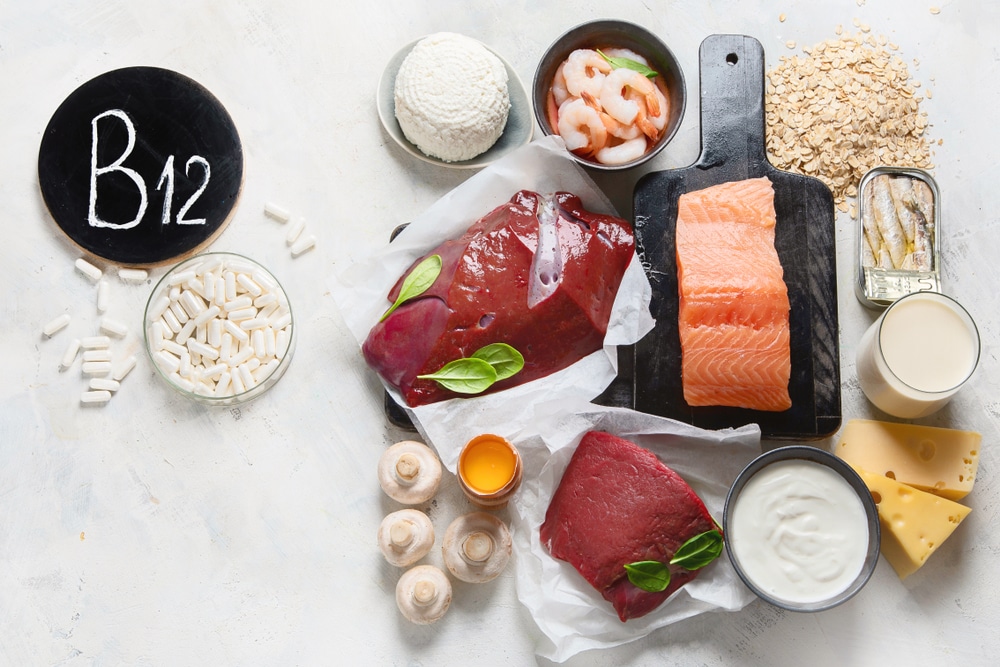
"Red meat can definitely fit into a balanced diet," she says. "It is rich in iron, vitamin B12, zinc, and high-quality protein that supports energy levels, metabolism, and muscle growth. Despite these health benefits, however, overconsumption is possible. "Where we see more concern is when intake is higher over time," Benson adds, "especially with processed red meat, and especially when fiber intake is low."
Because IQ is a standardized measure, humankind's average score still sits at 100-but this isn't your granddaddy's 100. IQ tests are regularly recalibrated, and over the past many decades, when new subjects have taken an old test, they have almost always outscored their predecessors' average; Grandpa's generation might have hovered around 100, but the kids are scoring 115 ... which then becomes the new 100. This phenomenon is called the Flynn effect, and researchers still aren't sure what causes it.
This unassuming marine macroalgae (to give it its proper name) is packed full of vital minerals and nutrients, and can make for an unglamorous, yet functional addition to your diet. Seaweed is exactly as the name suggests - an edible marine algae that grows along coastlines and on rocks under the water. It comes in thousands of varieties, but the ones we eat most commonly fall into three groups: brown (like kelp and wakame), red (nori, dulse), and green (sea lettuce).
In a soft-flour tortilla wrap is a rich filling made from cage-free scrambled eggs; crisp, double-smoked bacon; pork sausage; melted Cheddar cheese; and potatoes - any one of these is sure to fill you up for the day ahead. Outside of the high protein amount, another awesome thing about this wrap is how nicely it's balanced between satisfying hunger and keeping you energized through the morning - all for 640 calories.
The analysis of nearly 500 varieties of tinned and chilled soups sold in supermarkets found that 23% contained too much salt. Of the 481 soups Action on Salt and Sugar (AoSS) tested, nearly half (48%) of branded soups and 6% of supermarket own-brand soups still exceeded the government's voluntary salt target of 0.59g per 100g serving. The saltiest was Soup Head's Tom Yum soup, with 3.03g in a 300g pack more than half an adult's recommended total daily limit and saltier than eating two McDonald's cheeseburgers.
But now that pizza crusts contain cauliflower, and kale has snuck its way into just about every smoothie, it's time we talked about what a cruciferous vegetable actually is. Is it the flavor, high fiber content, or texture that drops some of our favorite veggies into that category? Surprisingly enough, it actually has to do with the way the plant is formed.
With a pleasing taste and texture that seems every bit as good as the most decadent chocolate fudge brownie-flavored ice cream, the biggest additional benefit is its nutritional value. Each two-thirds cup serving of Yasso Fudge Brownie frozen yogurt amounts to 150 calories. Additionally, a single serving contains 7 grams of protein, 290 mg of potassium, and 130 mg of calcium. The frozen sweet is made with nonfat milk and nonfat Greek yogurt as well as plenty of cocoa.
Entrepreneurs often live life at full speed. Between meetings, emails, client calls, and deadlines, it can be difficult to maintain regular eating habits or manage stress. Skipping meals, relying on caffeine, or snacking on whatever is convenient can become the norm, but these patterns can take a toll on health over time. Learning how to balance nutrition, stress, and appetite is crucial for maintaining energy, focus, and overall well‑being.
For although experts agree fresh meat can be a valuable source of proteins, healthy fats and essential micronutrients, some processed meat products are considered such a cancer risk that the World Health Organisation believes they should be slapped with a health warning. Key factors include how the animal was raised, the specific cut of meat, its fat content, and, crucially, how it is cooked or prepared.
Diet sodas fulfill Americans' endless desire for a supposedly healthy alternative to our favorite indulgences. Going on decades now, people have known soda isn't good for you, being nothing but sugar water full of empty calories at its core, but we do really really love our sodas and giving them up isn't so easy. The average American drinks at least one 12 ounce can of soda a day,
"When you do this job long enough, you understand that breast cancer is nondiscriminatory," Hwang told Business Insider. "I spent a lot of time thinking, why me? If I knew why I got cancer, then I would know how to prevent it from coming back."
If there's one thing I know as a Registered Dietitian, it's that most people probably don't get enough vegetables. No matter how many bags of spinach or heads of broccoli you buy, they'll often die a slow death in the back of your fridge. Even I get into a pattern of avoiding vegetables in favor of richer, carb-y dishes to fuel me through the winter.
How is bone broth different from other broths and stocks? To put it simply, regular broth is a liquid made by simmering meats, vegetables, and herbs in water. The simmering time is typically up to two hours. Stock is like broth, but bones are often added, and it's simmered longer, often up to six hours. Bone broth is basically stock (bones, water, and sometimes vegetables and herbs) that's simmered for an extended time - up to 48 hours. This lengthy simmering gives the bones time to release gelatin and collagen, enriching the liquid with protein and minerals like calcium, magnesium, and phosphorus.
I've been eating ultra-processed foods (UPFs) all my life. Breakfast as a child was often Coco Pops, Rice Bubbles or white toast slathered in spreadable butter. Dinners usually involved processed sauces, such as Chicken Tonight or Dolmio, and my lunchboxes always contained flavoured chippies or plasticky cheese. I don't blame my parents for this. Now I'm a parent too, I have cartons of juice and flavoured yoghurt as part of my parenting arsenal.
Sweet potatoes are the roots of their vine-like plant, and they're members of the morning glory family. Yams are root vegetables from another plant family and grow differently, with tougher skin. Sweet potatoes are indeed sweeter, which is why you can also use them in desserts like sweet potato pie. Yams are starchier in flavor and work well as a side with other vegetables.
If you're smoking three packs of cigarettes a day, should you expect society to pay when you get sick?" He added that while Americans would always have the right to "eat donuts all day," nevertheless, "should you then expect society to care for you when you predictably get very sick at the same level as somebody who was born with a congenital illness?
The humble tortilla is an iconic food staple in Mexico. Everyone eats them, regardless of age or income. The ingredients for the tortilla I was frying in this photo have been fermented to include probiotics and prebiotics for gut health. My research focuses on developing such fermented nutraceuticals - nutritious products with pharmaceutical benefits - to help improve people's metabolic health and combat the malnutrition prevalent in some of Mexico's poorest communities.
The mere mention of baked potatoes conjures up comfort and warmth. They're starchy, savory, and earthy, and a hearty vehicle for your favorite creamy toppings or spicy seasonings. They're also good for you, with plenty of fiber, vitamin C, and a smaller but high-quality amount of protein. Baking potatoes actually preserves more of the root vegetable's nutrients than frying or boiling them, too.
You might have heard that folic acid is an important supplement for pregnant women, but the truth is that this vitamin is essential for everyone regardless of age or gender. Folate is also known as vitamin B9, and is called folic acid in its synthesized form -- where it's used in supplements and fortified drinks and foods. Folate is essential for producing new cells in the body, including blood cells and brains cells, and for helping these cells to stay healthy.
While it's long been recognized as a vital nutrient, many people are working even harder lately to get more protein into their diets. Protein gives us energy, helps produce new cells and keep them healthy, aids in transporting oxygen throughout our bodies, and assists in creating antibodies that fight illness. It's no wonder we're often looking into ingredients that pack a protein punch.
While liverwurst and powdered milk are boomer foods that have fallen out of favor over the subsequent generations, cottage cheese is a beloved food of older people that's now a fixture in social media recipes. It's not hard to find videos on TikTok in which health enthusiasts and fitness junkies all proclaim that cottage cheese is the best choice for nutrient-rich diets.
In fact, last January, I decided to finally look at my macros - how much protein, fiber, carbs, and other nutrients I was actually eating. I've always tried to eat "healthy," but I was nervous about tracking anything too closely. I came of age during the clean-eating era, of salads, raw vegetables, and the demonization of carbs. In college, that slid into disordered eating: severe under-eating as a way to avoid "danger" foods.
The importance of calcium really can't be overstated. It strengthens our bones and our teeth, can help keep our blood pressure low, keeps our nerves communicating effectively with each other, and is even thought to help prevent cancer. We need calcium, and our bodies don't make it. We have to get it from other sources, and food is a much healthier way to do this than supplements - especially fruits and vegetables.
Protein, fibre, carbs, fat - we're told to eat all these things for a balanced, nutritious diet. But is there a definitive set of foods that could set us on the path to peak health?