#hydroponic-garden
#hydroponic-garden
[ follow ]
#gardening #sustainability #plant-care #indoor-gardening #pest-control #seed-starting #urban-gardening

fromwww.theguardian.com
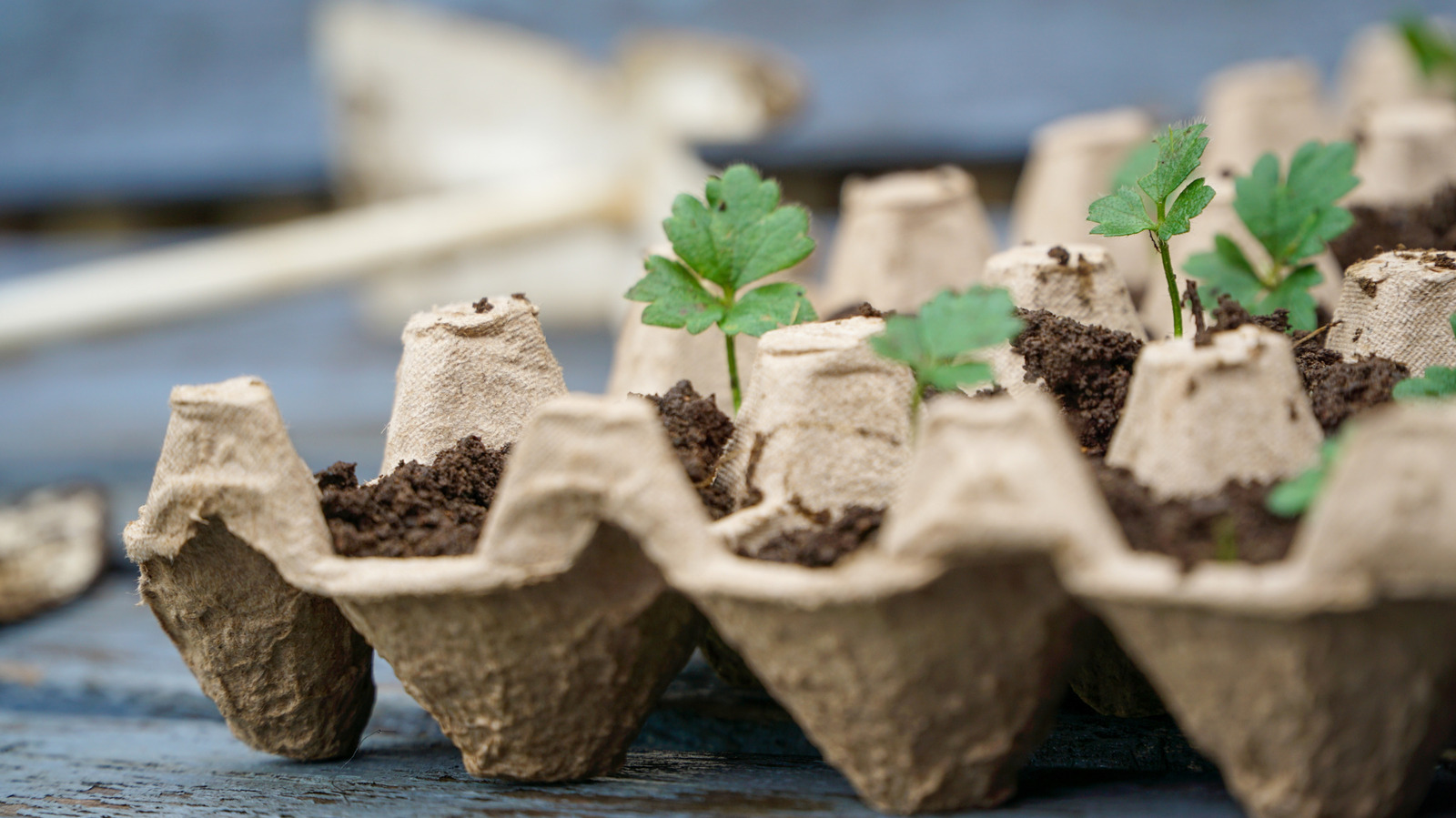
2 days agoHouseplant hacks: can a fan help plants repel pests?
Stagnant indoor air is one of the less discussed reasons houseplants struggle. Fungal spots, mould on the compost surface and pest infestations like mealybugs can all be traced back to a room with no airflow.
Renovation

fromwww.theguardian.com
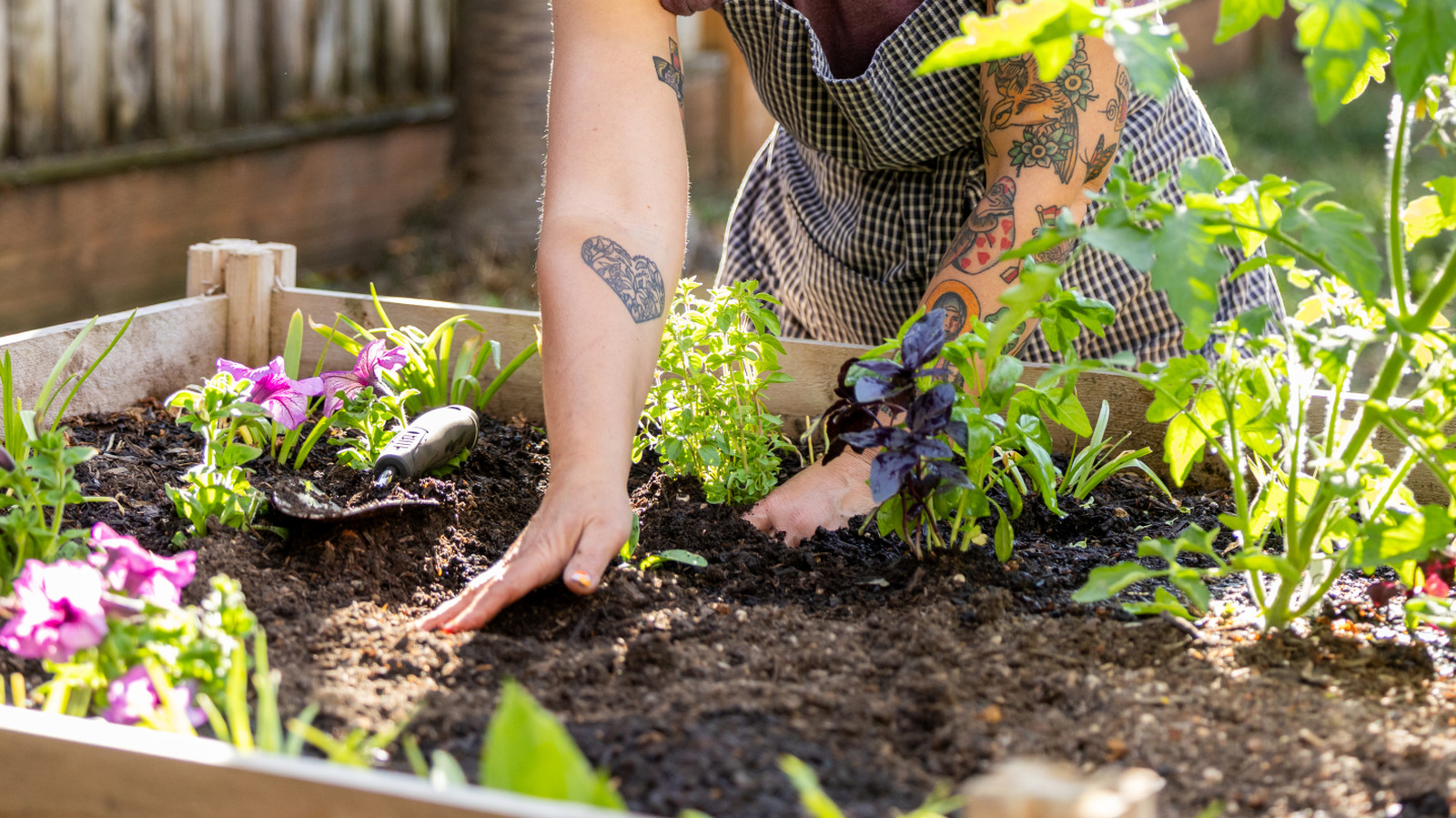
1 week agoHouseplant hacks: do eggshells deter fungus gnats from laying eggs?
Crushed clean, dry eggshells, when scattered over the soil, are intended to stop adult gnats from laying eggs and potentially add natural fertilizer. However, they merely sit on the surface, collecting dust, while the gnats remain attracted to the damp compost.
Renovation
fromWIRED
4 weeks agoA New Generation of Big Water Filters-Without the Plastic
Most water filter pitchers are made of BPA-free plastic. But as new research shows that bottled-water drinkers ingest tens of thousands of excess microplastic particles, wellness lovers have begun to look askance at water filters that are themselves made of plastic.
Beer
#vertical-farming

Agriculture
fromYanko Design - Modern Industrial Design News
1 month agoThis Self-Sustaining Building in China Grows Food on Every Floor, And It Was Built On A Farmland Plot - Yanko Design
Wei Dou's Verdant Syndicate preserves agricultural identity on converted farmland through tenant-operated vertical farming integrated into a mixed-use building's structure and design.
fromYanko Design - Modern Industrial Design News
1 month agoThis Planter Fits the One Balcony Spot Every Other Pot Ignores - Yanko Design
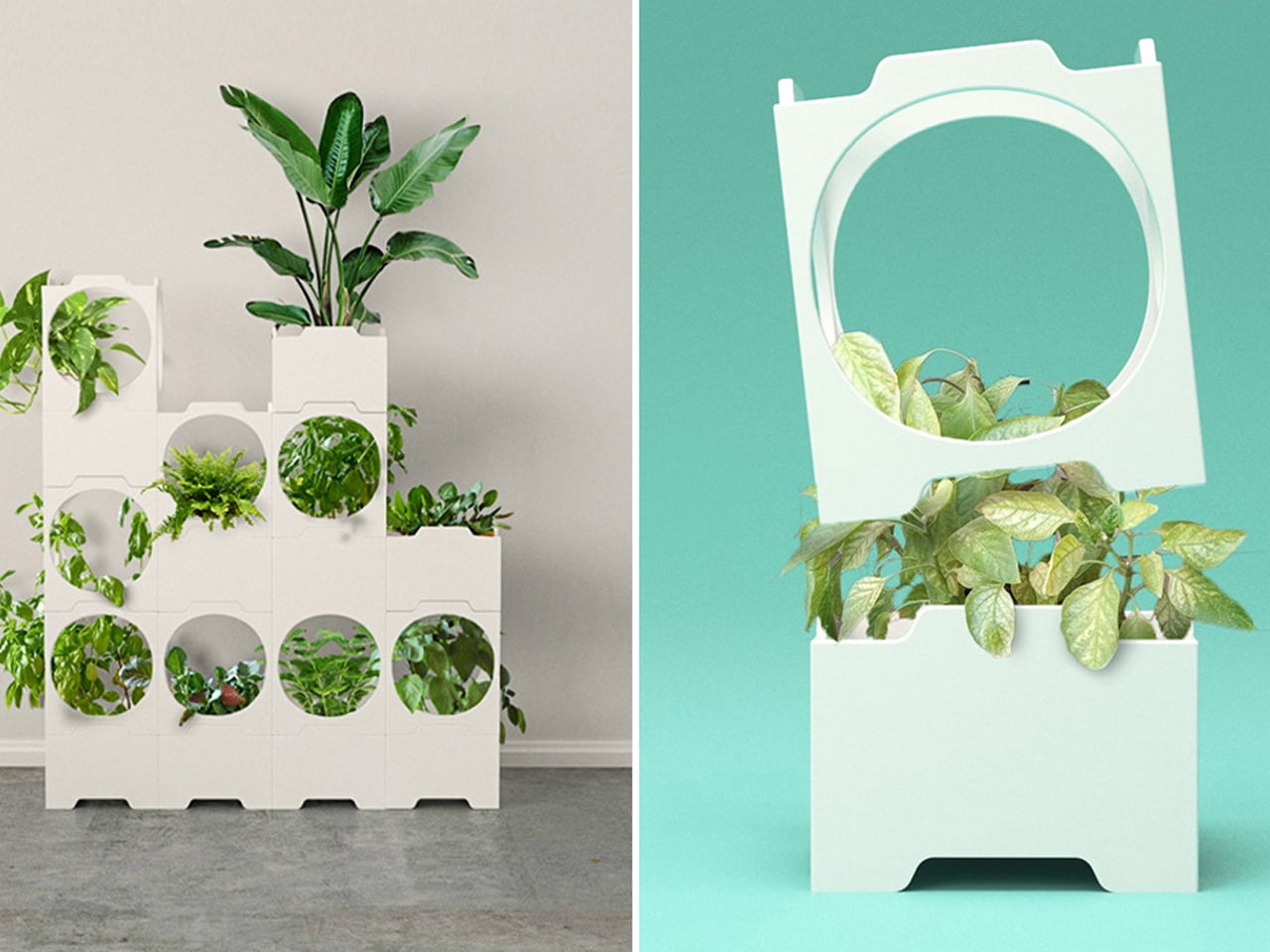
The Eckling is designed specifically for balcony corners, addressing a gap that rectangular window boxes and round hanging pots have never managed to fill. Most railing planters sit along a straight stretch of rail, so corners get skipped entirely. An L-shaped recess cut into the base of the hemispherical bowl allows it to rest squarely on two railing legs at a corner junction, no extra hardware required.
Design
fromTasting Table
1 week agoThe Very First Thing To Learn About Your Kitchen Before Making A Countertop Garden - Tasting Table
Countertop gardens allow individuals with limited outdoor space to grow herbs and vegetables indoors, providing fresh ingredients that enhance cooking. They are particularly beneficial in cold climates or during winter months.
Agriculture
Renovation
fromYanko Design - Modern Industrial Design News
1 month ago5 Greenhouse-Based Designs That Use 90% Less Water Than Yours - Yanko Design
Integrated greenhouse systems transform homes into self-sustaining structures that merge architecture with food production, reducing resource dependence and enhancing energy efficiency.
fromDesign Milk
2 months agoLeafyPod Is a Self-Watering Smart Planter That Saves Your Sanity
Enter the LeafyPod, a self-watering smart planter that utilizes AI to understand your leafy companions, and keep them well cared for. The system is simple: a connected app monitors hydration and nutrient levels, noting what's best for that specific type of plant. Recently named one of TIME's Best Inventions of 2025, the hydroponic system allows users to grow herbs, greens, or flowers all year long. LeafyPod is adaptive, responding to plant health and to changes in environment.
Gadgets
Everyday cooking
fromTasting Table
1 month agoHow To Grow Eggplant Indoors For A Faster And More Foolproof Harvest - Tasting Table
Starting eggplant seeds indoors two months before the final frost provides a significant head start, with seeds germinating in five days and requiring 100 days to maturity.
fromTasting Table
1 month agoUsing Rice Water To Fertilize Houseplants? Avoid This Mistake That Could Cost You Your Plant - Tasting Table
Rice water doesn't have any additional nutrients that plants need to grow - for example, the nitrogen, potassium, and phosphorus found in conventional fertilizers - and the starchy residue doesn't necessarily "fertilize" your plant. However, it is still water that would otherwise just be dumped down the sink, so if you're not saving your rice water for cooking, you might as well use it to hydrate your plants.
Everyday cooking
fromSilicon Canals
2 months agoThis kitchen scrap makes the best free fertilizer and most people throw it away - Silicon Canals
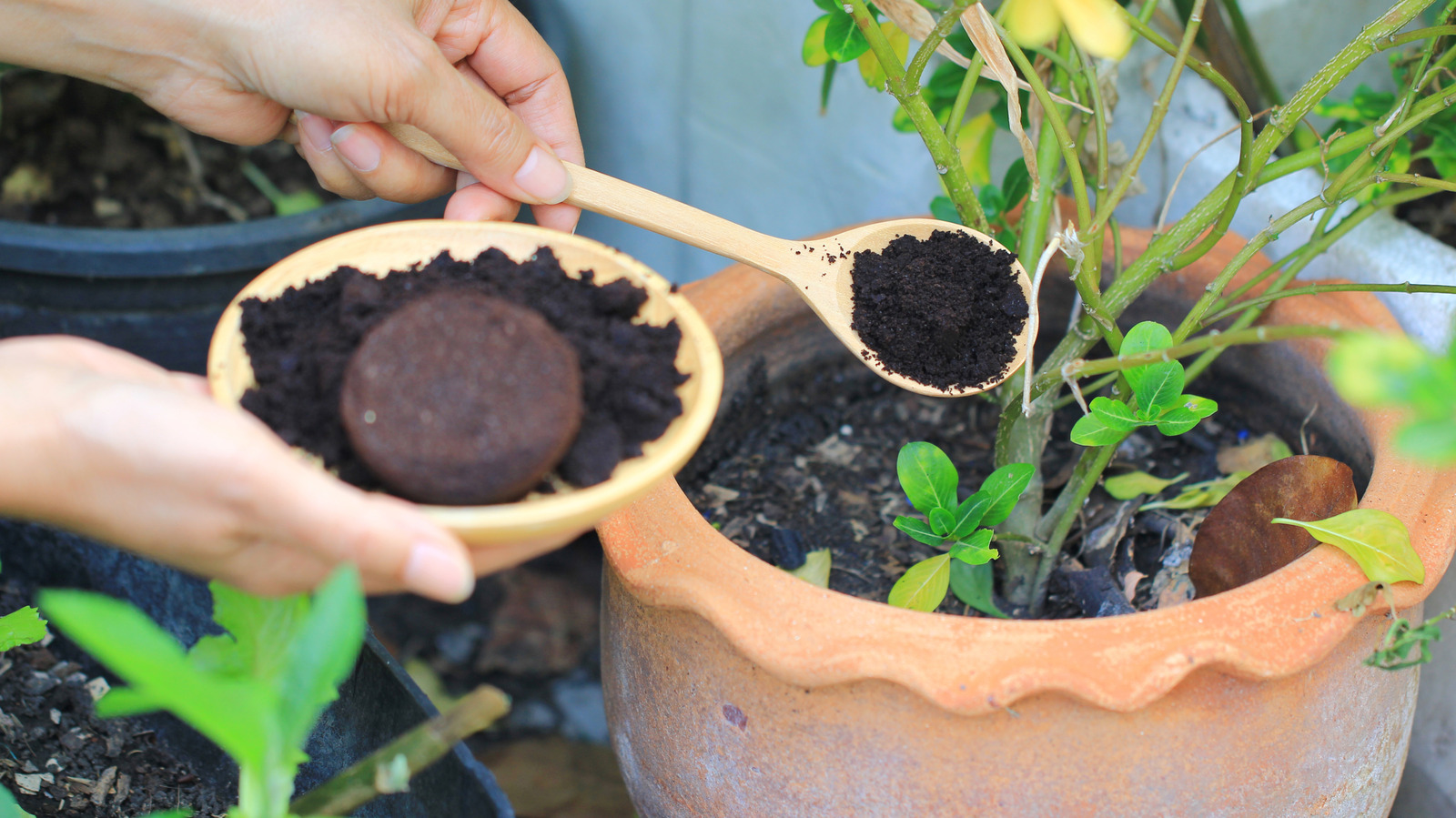
Last week, I was making my morning coffee-you know, the complicated order I'm too embarrassed to say out loud at coffee shops-when I noticed the pile of used grounds in my filter. For years, I'd been tossing these straight into the trash without a second thought. But then I remembered something my grandmother wrote in one of her letters years ago: "The garden teaches us that nothing is truly waste."
Coffee
fromwww.theguardian.com
2 months agoHouseplant hacks: can you really use banana water as a fertiliser?
You are not alone: social media is full of claims that soaking banana skins in water makes a fertiliser that will give you bigger leaves and better blooms. The hack Put banana peels in a jar of water, leave them to sit, then pour the liquid on your plants. Bananas do contain potassium and small amounts of other nutrients. The snag is you have no idea how strong it is or what's missing.
Environment
fromwww.theguardian.com
2 months agoHouseplant hacks: can oats and Epsom salts pep up a plant?
The idea is that oats break down and enrich the soil, while Epsom salts (magnesium sulphate) top up magnesium to keep leaves green and glossy. Social media says a spoonful of each will pep up tired plants without the need for proper feed. The method The hack says unpot your plant and mix the old soil with 12 tablespoons of dry oats, a sprinkle of Epsom salts and a bit of fresh compost. Then pop the plant back in the pot, firm it around the roots and water it in.
Environment
Agriculture
fromTasting Table
4 weeks agoCan You Grow A Garden From Grocery Store Produce Seeds? - Tasting Table
Growing vegetables from store-bought seeds is possible but results vary based on produce type, growing method, and post-harvest treatment, with hybrid plants producing different crops than their parent plants.
Agriculture
fromArchitectural Digest
1 year ago13 Raised Garden Bed Ideas to Elevate Your Backyard This Spring
Raised beds allow gardeners to engineer ideal soil conditions, improve ergonomics, protect crops from pests, and enable faster soil warming and easier watering compared to ground-level gardening.
fromTasting Table
2 months agoThe Slow-Growing Crop That Pays Off Big When You Start It From Seed - Tasting Table
People grow asparagus from crowns because it shortens the long wait times for harvesting. From seed, you'll need to wait three years before harvesting asparagus. Some people consider that a waste of time. The tradeoff is that you can keep harvesting every spring for up to 15 years or more. If you plant crowns, you get a one-year jump on things. However, those crowns may have soil-borne diseases you don't know about, so there is a risk involved. Seeds remove that problem.
Agriculture
[ Load more ]