#hypothermia-risk
#hypothermia-risk
[ follow ]
#hypothermia #backcountry-skiing #extreme-cold #wind-chill #frostbite #winter-safety #homelessness #layering


Canada news
fromwww.cbc.ca
1 month agoCold-related deaths among Toronto's homeless population are preventable and take toll on hospital staff | CBC News
St. Michael's Hospital in Toronto has saved four severely hypothermic patients over two winters while developing expertise in treating homeless individuals dying from cold exposure.
Skiing
fromBusiness Insider
1 month agoThe Arctic is stress-testing US Marines and their HIMARS in the most brutal conditions
US Marines train to operate HIMARS rocket artillery systems in Arctic Norway to develop combat capabilities for frozen battlefield conditions that cannot be replicated in North Carolina.
fromwww.npr.org
2 months agoFAQ: What is wind chill, and why is it dangerous?
Wind chill is a measure of how quickly bodies lose heat when you combine low temperatures with high winds. And wind chill conditions can be dangerous. "The stronger the winds [and] the colder it is, the more likely you are to develop frostbite in a short amount of time or hypothermia," says Jessica Lee of the National Weather Service's Weather Prediction Center.
Public health
fromwww.theguardian.com
2 months agoHow to stay warm while exercising outdoors: 16 expert tips for running, hiking and swimming
There's a glorious smugness that can only be experienced by exercising outdoors in winter conditions. The fresh air, the endorphins, the reduced risk of heart disease they're all nice bonuses, but nothing beats that knowing nod from another rain-drenched runner, or the horrified faces of nearby dog walkers as you stride confidently into the sea for a winter dip.
Running
Fashion & style
fromTravel + Leisure
2 months agoI'm a Travel Writer Who's Camped on an Ice Cap-and These 15 Essentials Keep Me Warm in Subzero Temps, From $15
Layered, high-quality winter clothing—fleece-lined leggings, thermal socks, and insulated down jackets—enables comfort and mobility in subzero temperatures for cold-sensitive travelers.
fromWIRED
2 months agoHow to Use Physics to Escape an Ice Bowl
I don't know who invented this crazy challenge, but the idea is to put someone in a carved-out ice bowl and see if they can get out. Check it out! The bowl is shaped like the inside of a sphere, so the higher up the sides you go, the steeper it gets. If you think an icy sidewalk is slippery, try going uphill on an icy sidewalk. What do you do when faced with a problem like this? You build a physics model, of course.
Science
Medicine
fromSilicon Canals
2 months agoWhy your feet are always cold and when it signals something more serious - Silicon Canals
Cold feet are often harmless but can indicate poor circulation or medical issues; consider activity, environmental insulation, family history, and seek testing if symptoms persist.


fromBusiness Insider
2 months agoJust surviving the Arctic could be half the battle for NATO in a future war
SODANKYLÄ, Finland - Deep snow. Fleeting daylight. Wet clothes. Frozen weapons. Sub-zero temperatures. NATO soldiers training in Arctic warfare are learning that in a future conflict, fighting the enemy may be only half the battle. The other would be surviving the region's harsh winters. "The environment can be hard for someone who is not used to it," said Finnish Lt. Laura Lähdekorpi, bundled up and dressed in camouflage to blend in with the snow.
Careers
fromwww.independent.co.uk
2 months agoCold weather health alert issued for parts of UK as temperatures plunge as low as -4C
From reproductive rights to climate change to Big Tech, The Independent is on the ground when the story is developing. Whether it's investigating the financials of Elon Musk's pro-Trump PAC or producing our latest documentary, 'The A Word', which shines a light on the American women fighting for reproductive rights, we know how important it is to parse out the facts from the messaging. At such a critical moment in US history, we need reporters on the ground.
UK news
fromTravel + Leisure
2 months ago15 Winter Basics You Need to Pack for Any Freezing, Cold Destination-From $10 at Amazon
Packing for a truly freezing destination takes more than tossing a few sweaters into your bag-something I quickly learned in the Arctic Circle during polar night, when "daytime" is pitch-black and the temperatures regularly plunge well below zero. Growing up in New York winters, spending the last few snow seasons in the Rockies, and now logging weeks above the Arctic Circle has taught me one key lesson: staying warm in subzero temps is all about smart layers -not necessarily bulky expedition gear.
Fashion & style

Environment
fromwww.eastbaytimes.com
2 months agoCold weather advisory for Yosemite for Friday and Saturday temperatures could sink to 10
Cold weather advisory for Yosemite and surrounding Sierra areas: subfreezing nighttime temperatures, dangerous wind chills, frostbite risk; dress warmly and limit outdoor exposure.
fromwww.cbc.ca
2 months agoWeather alert for frigid temperatures, frostbite risk issued for this weekend: Environment Canada | CBC News
Residents in the Greater Toronto Area are in for another chilly weekend with warnings issued for risk of frostbite, according to Environment Canada. The national weather agency issued a yellow weather alert Saturday morning for wind chills of -25 to -30 for Saturday morning. Those frigid temperatures are expected to come back again Saturday night and stick around until Sunday morning. However, there will be some sunny breaks on Saturday with a high of -11 C that will feel like -19 C in the afternoon.
Canada news
Miscellaneous
fromIrish Independent
2 months agoMet Eireann issues nationwide ice warning as temperature set to drop to -4C due to Arctic airmass
An Arctic airmass will bring severe frost, icy conditions and sub-zero temperatures down to -4C, causing hazardous travel and potential freezing of saturated surfaces.

fromTravel + Leisure
2 months agoBlizzard-like Storms Are Hitting Parts of the U.S.-Here Are the 8 Smartest Items to Have to Stay Warm
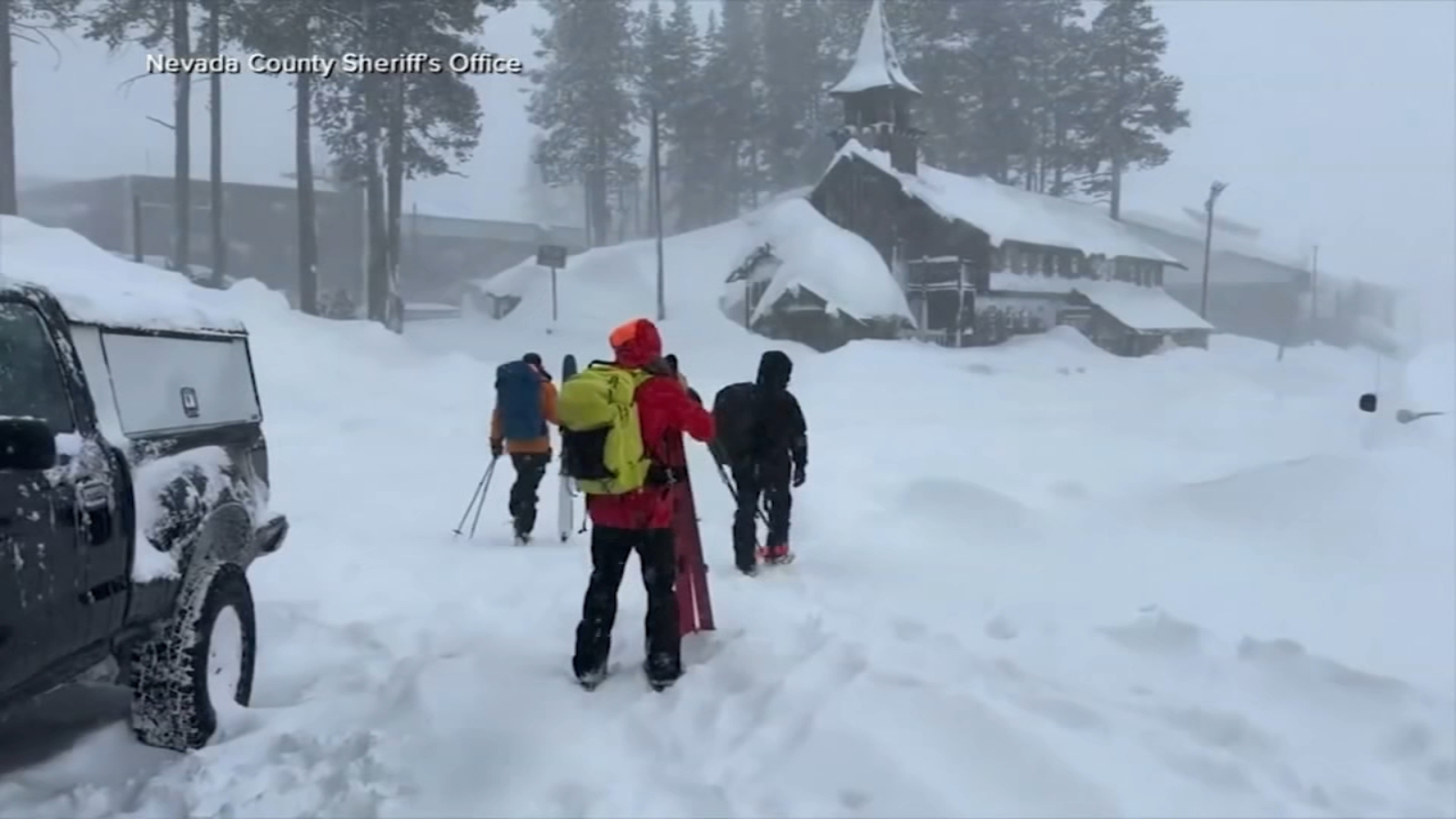
When I arrived in Belgrade on the last day of September, I knew drizzly walks and brisk fall temperatures were in the cards. But on my third day in Serbia, less than two weeks into autumn, the snow started falling-and when I woke up in my cozy mountainside hotel in Zlatibor the next morning, it was piled 10 inches high.
Fashion & style
fromBrooklyn Eagle
2 months ago10 people die in NYC's frigid cold, raising questions about the city's preparedness
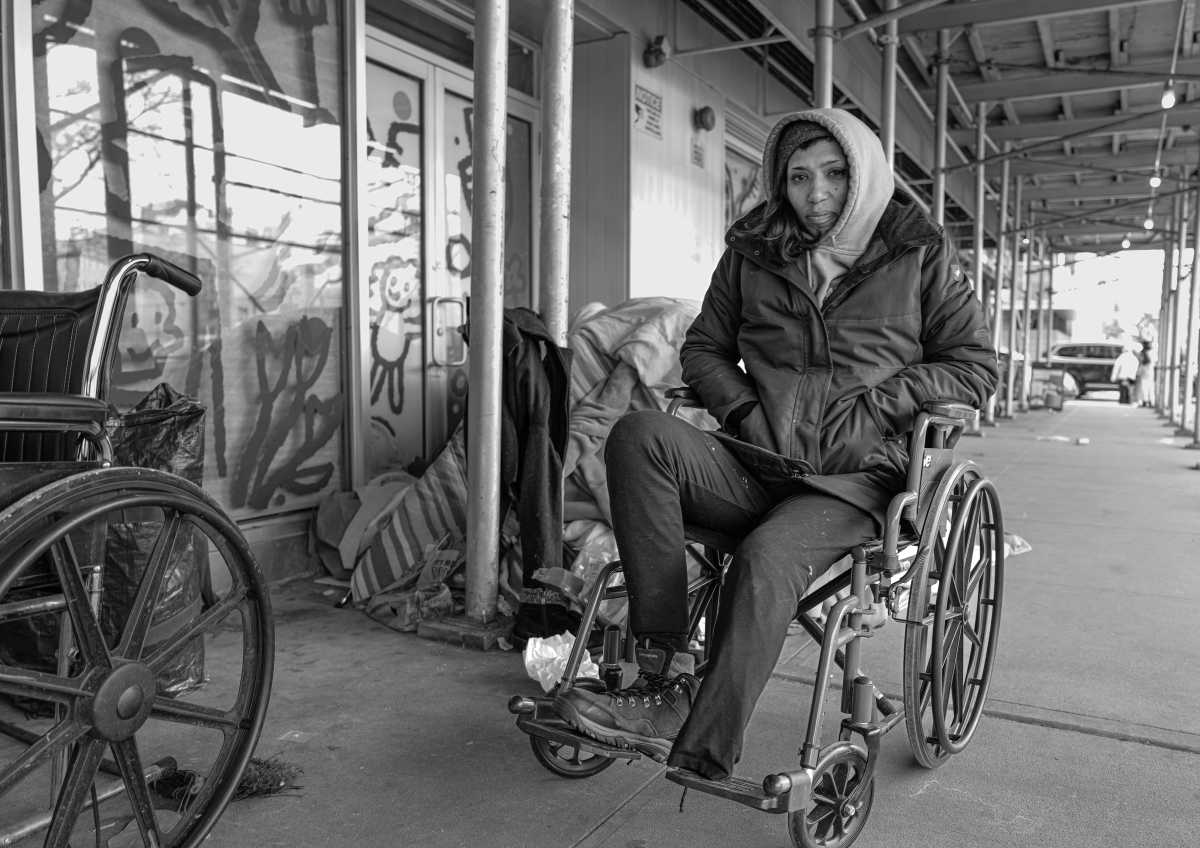
Each is among a growing number of people - at least 10, as of Tuesday - who died after being exposed to the bitter cold that has persisted in New York City since late last Friday. Their causes of death are still under investigation, but some showed signs of having succumbed to hypothermia. Officials said several victims were believed to have been living on the streets. At least six of the fatalities came early Saturday, as the temperature in the city fell to 9 degrees (minus 13 degrees Celsius).
Brooklyn
fromwww.dw.com
2 months agoAustria: Snowstorm leaves at least 5 dead
Four skiers were killed in avalanches in the Tyrol region. Three of them died in a massive avalanche near the St Anton ski resort, officials said. Two of the victims were recovered from the snow but could not be saved, and the third died in the hospital, a police spokesman said. A German skier died in an avalanche in Nauders. He had been skiing off-piste with his 16-year-old son, who survived with serious injuries, police said.
Miscellaneous


fromBoston.com
2 months agoDozens rescued by N.H. fire officials after ski lift malfunctions in bitter cold
Emergency crews in New Hampshire made a speedy rescue Thursday when they had to save nearly 60 people who were stuck on a malfunctioning ski lift. Fire officials from Lyme, Hanover, and Thetford, along with police officers from Lyme and Orford, responded to the Dartmouth Skiway in Lyme Center to help the Dartmouth Ski Patrol after a lift malfunctioned, the Lyme Fire Department said on Facebook. Responders from the three fire departments quickly began bringing the stranded skiers down from their chairs.
US news
New York City
fromGothamist
1 month agoMamdani administration says 7 more people died inside NYC homes due to cold exposure
A cold snap in New York City from late January to early February resulted in 29 deaths, with 14 occurring inside private residences and 15 outside, raising questions about preparedness for vulnerable populations.
fromwww.cbc.ca
2 months agoBrace for frigid weather Thursday night, Torontonians told in yellow cold warning | CBC News
Torontonians are being told to bundle up and brace for frigid temperatures Thursday night now that the city has been placed under a yellow cold warning. Wind chill values will make it feel like 30 to 35 Thursday night into early Friday morning, Environment Canada said in the warning. "Cover up," the federal weather agency said. "Frostbite can develop within minutes on exposed skin, especially with wind chill."
Canada news
fromBoston.com
1 month agoSmall plane makes emergency landing in frigid Hudson River and the 2 people aboard swim to safety
A small plane attempting an emergency landing crashed into the frigid Hudson River, where the pilot and a passenger escaped the wreckage and safely swam to shore, authorities said. The crash occurred Monday night, shortly after the single-engine Cessna 172 took off from Long Island MacArthur Airport in Ronkonkoma, according to the Federal Aviation Administration.
US news
fromSnowBrains
2 months agoBackcountry Layering: Be Aware Know What To Wear - SnowBrains
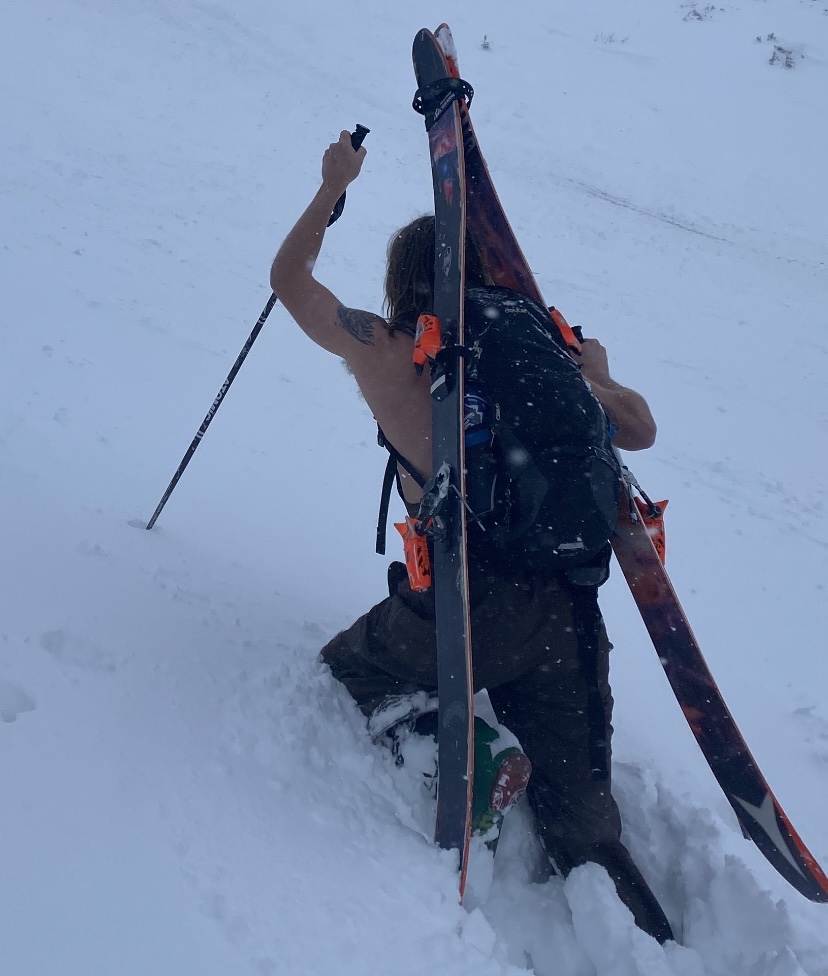
When you're touring in the backcountry, you'll want a different kit than what you wear inbounds at the resort. Inbounds, your main goal is to stay warm and comfortable, and you're usually not working nearly as hard as you do on the skin track. Touring generates a lot more heat, so your layering system has to breathe, manage moisture, and still keep you warm when you stop.
Snowboarding
[ Load more ]