#infectious-disease-surveillance
#infectious-disease-surveillance
[ follow ]
#public-health #vaccination #measles #covid-19 #infectious-diseases #pandemic-preparedness #mmr-vaccine #outbreak





Science
fromNature
2 months agoDaily briefing: COVID's origins - what we do and don't know
Horses produce two-toned vocalizations simultaneously using their vocal folds and larynx cartilage to convey complex messages, while AI threatens research programming jobs and Japan approves stem cell therapies with limited trial data.
fromNebraska Examiner
1 month ago3 states and New York City join global disease response network * Nebraska Examiner
GOARN, which includes more than 310 national public health agencies, United Nations agencies, academic institutions, and nongovernmental groups, helps identify and manage infectious disease outbreaks worldwide. Since it was established in 2000, GOARN says it has helped manage more than 175 global health emergencies across 114 countries.
Public health
Coronavirus
fromwww.scientificamerican.com
1 month agoCOVID probably killed 150,000 more people in its first two years than official U.S. tolls show
COVID-19 deaths in the U.S. during 2020-2021 may have reached nearly one million when accounting for approximately 150,000-160,000 unrecorded deaths, with disproportionate impact on marginalized populations.
fromNature
1 month agoPrevent pandemics through One Health commitments
Risks of outbreaks with pandemic potential rise with increasing land-use change, biodiversity loss and climate change. The Pandemic Agreement adopted by the World Health Assembly in 2025 marks a historic shift that establishes the One Health approach as a legally binding obligation for pandemic prevention.
Public health
fromThe Atlantic
1 month agoI Remember a World Without Vaccines
I am open-minded; I believe in integrative practices, and I agree that the medical establishment can be arrogant and unduly influenced by the pharmaceutical industry, which now funds so much of medical research. But I fully understand Scherer's frustration with his interminable discussions with Kennedy about scientific articles.
Coronavirus
Public health
fromNature
1 month agoCapturing dynamic phage-pathogen coevolution by clinical surveillance - Nature
Phage-inducible chromosomal island-like elements (PLEs) in Vibrio cholerae provide defense against ICP1 phage predation, influencing pandemic strain evolution and disease severity through dynamic phage-bacteria interactions.
fromwww.npr.org
1 month agoWhy it's a bit surprising that the U.S. is attending a key global flu meeting
Each day, they pore over reams of data about how the virus is evolving worldwide, how well last year's shot performed, and which strains might be easiest to mass produce for a vaccine. The meeting, convened by the World Health Organization twice a year, is a critical moment for the WHO's Global Influenza Surveillance and Response System.
Public health
Coronavirus
fromArs Technica
1 month agoWe study pandemics, and the resurgence of measles is a grim sign of what's coming
Measles outbreaks impose substantial economic costs through containment, medical expenses, and productivity losses, while declining vaccination coverage threatens control of multiple infectious diseases.

fromwww.npr.org
1 month agoVaccinating bats could be good for people. But how do you vaccinate a bat?
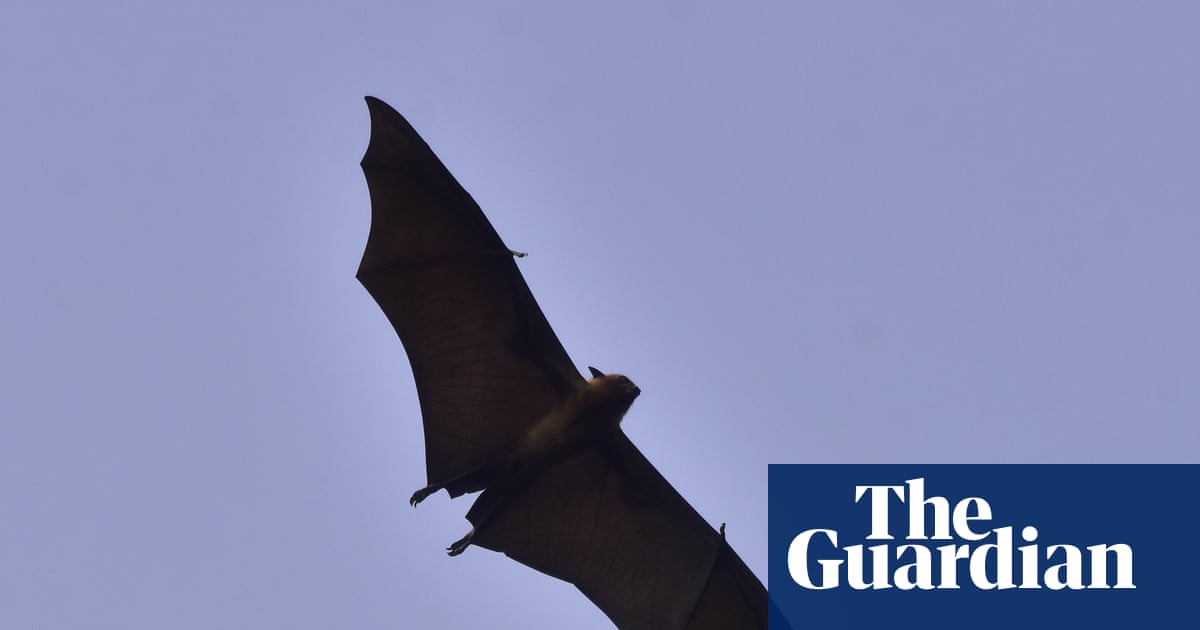
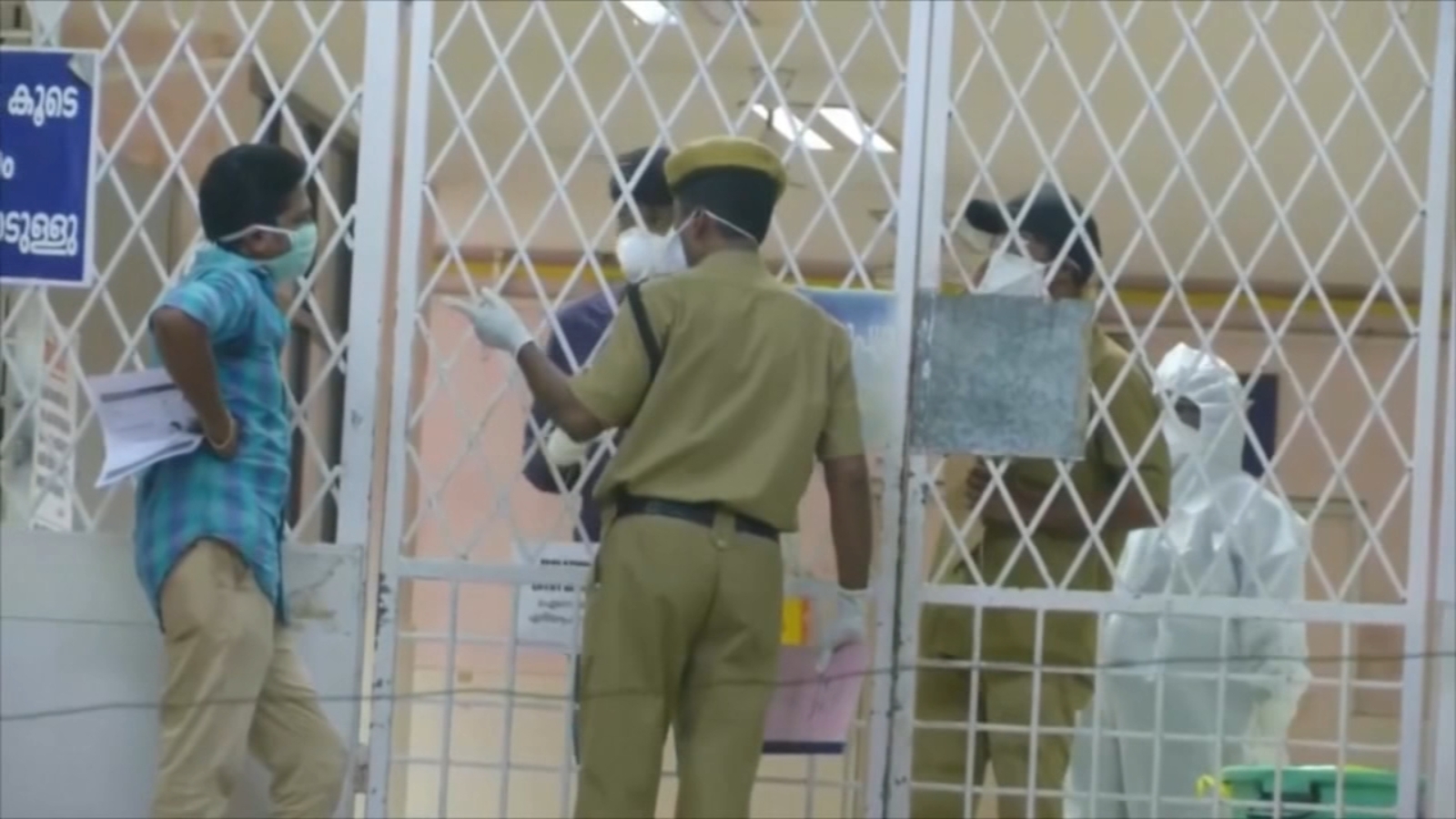
Bats carry a lot of very deadly pathogens like Ebola virus, Nipah, Hendra, coronavirus, and also rabies virus. People are finding more and more bat-borne viruses. When such viruses are transmitted to humans, the results are often fatal so there's a lot of interest in trying to prevent spillover in the first place.
Coronavirus
fromNature
1 month agoUsing mosquitoes to vaccinate bats could curb the spread of deadly diseases
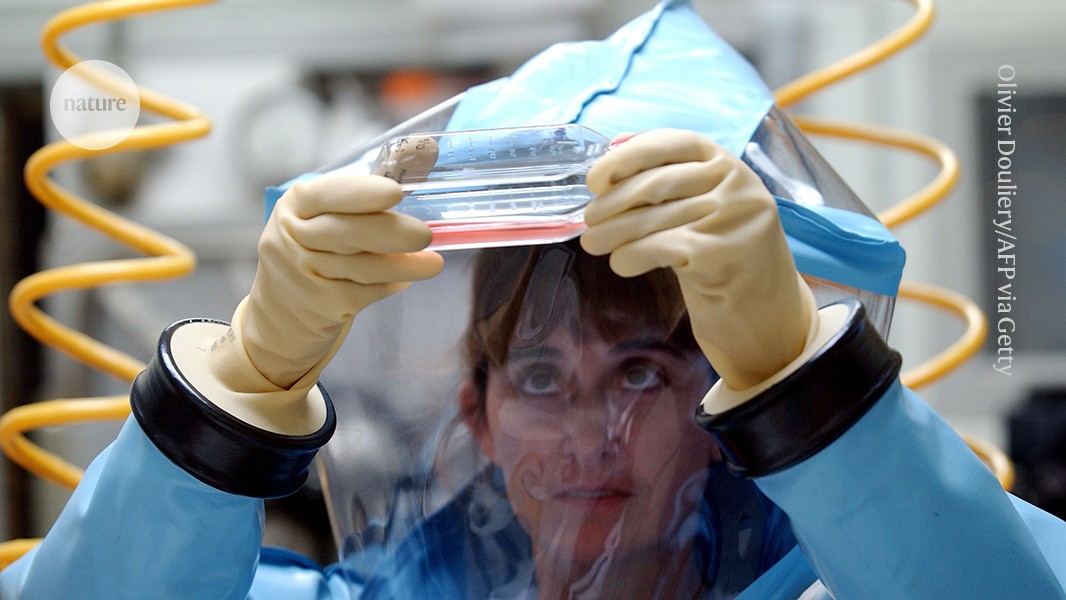
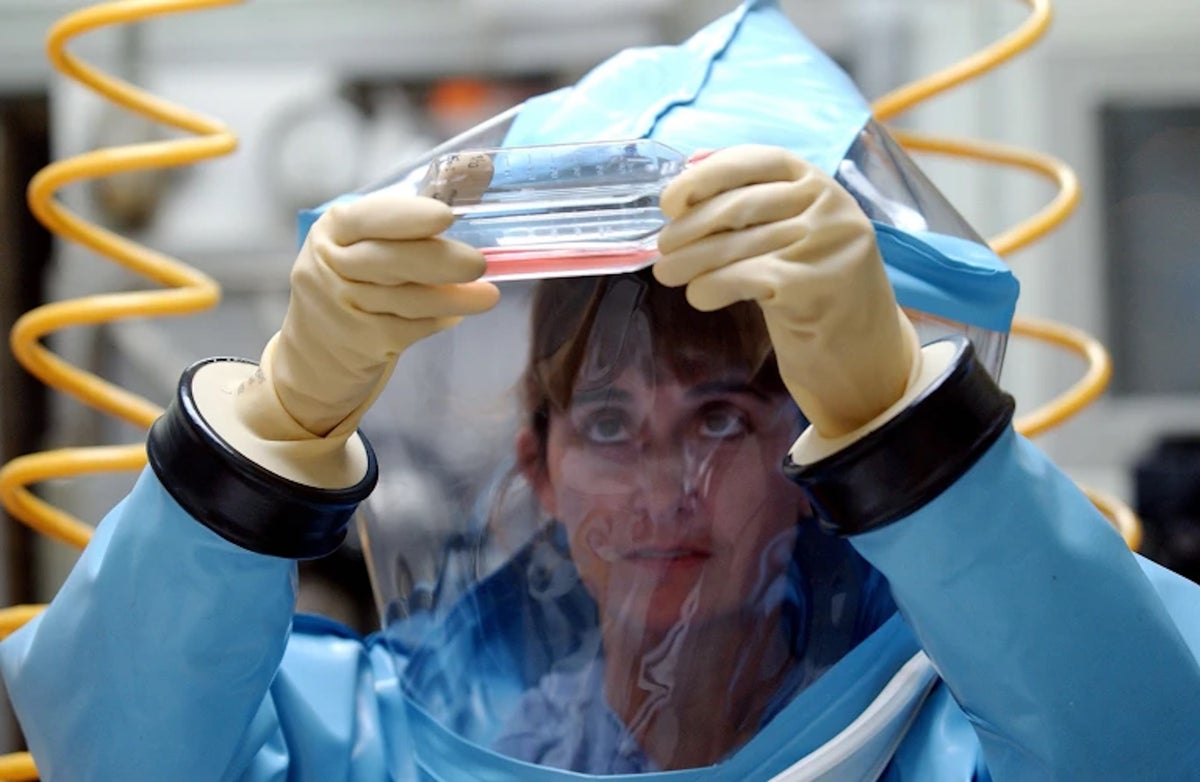
In a study published in Science Advances, researchers in China fed Aedes aegypti mosquitoes blood that contained either a vaccine against Nipah virus or the rabies virus. The viruses, contained in the vaccines, replicated inside the insects and reached their salivary glands, allowing them to pass on the vaccine when feeding on bats or when the bats ate the insects.
Coronavirus
fromInsideHook
2 months agoWhat Happens When the CDC Issues Fewer Alerts?
If you're based in the United States, you've probably gotten used to government bodies issuing nationwide alerts - including ones that relate to public health. These have, historically, been good ways for health-conscious people to know what to look out for and for regional public health experts to develop strategies to help keep potential outbreaks contained.Unfortunately, now both individuals and institutions are reckoning with a big question: what to do when those warnings are much smaller in number?
Public health
fromwww.theguardian.com
1 month agoViruses don't know borders': US anti-vaccine rhetoric could impact global measles crisis
The World Health Organization announced in late January that six European countries: the United Kingdom, Spain, Austria, Armenia, Azerbaijan and Uzbekistan had all officially lost their measles elimination status, which means the virus has been circulating continuously in those countries for more than 12 months.
Public health
Public health
fromTruthout
1 month agoPublic Health Agencies Struggle to Keep Up With Rising Tuberculosis Cases
Tuberculosis cases and containment costs are rising nationwide, with Johnson County, Iowa experiencing a tripling of latent infections and costs surging from $17,000 to $65,000 annually, while state funding for contact tracing has been withdrawn.
fromwww.scientificamerican.com
2 months agoInfectious diseases may be more dangerous to people who are overweight. Experts explain why
Being overweight doesn't just make people more susceptible to chronic illnesses such as heart disease and diabetesit might also increase their risk of severe influenza and other infections, a new study confirms. The study, published today in the Lancet, suggests that people with obesity may be more susceptible to death and hospitalization from a variety of infections caused by viruses, fungi, parasites and bacteria.
Public health
[ Load more ]