#interest-rate-expectations
#interest-rate-expectations
[ follow ]
#federal-reserve
US Elections
fromFortune
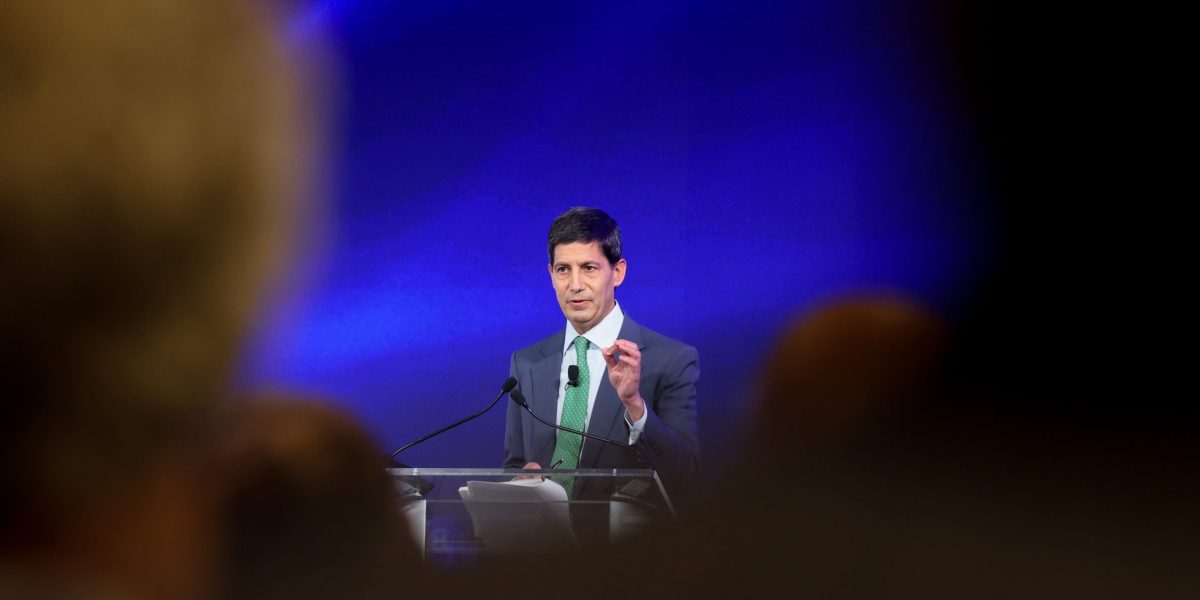
17 hours agoIt's crunch time for Kevin Warsh: Here's how he might try to begin selling the idea of rate cuts-it requires some complex economic gymnastics | Fortune
Kevin Warsh's public campaign for Federal Reserve leadership begins, focusing on balancing dovish rate policies with rising inflation concerns.

Europe news
fromLondon Business News | Londonlovesbusiness.com
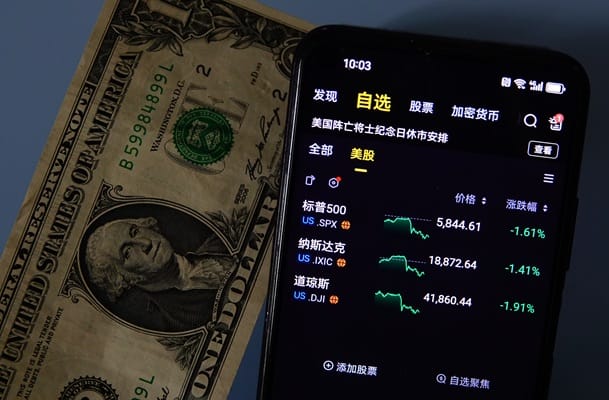
18 hours agoEuro holds steady as oil shock clouds outlook and tests ECB nerve - London Business News | Londonlovesbusiness.com
The euro's stability is challenged by geopolitical tensions, inflation concerns, and structural weaknesses in the euro area.


fromnews.bitcoin.com
1 day agoGold Gains Fourth Straight Week Amid Fed Rate Cut Signals and Middle East Truce in Focus
Gold spot prices reached $4,829 per troy ounce at the end of the week, marking a fourth consecutive weekly gain. COMEX futures closed at $4,879, up 1.48%, driven by Iran's Strait of Hormuz truce and U.S. dollar weakness.
World news
#federal-reserve-leadership
SF politics
fromFortune
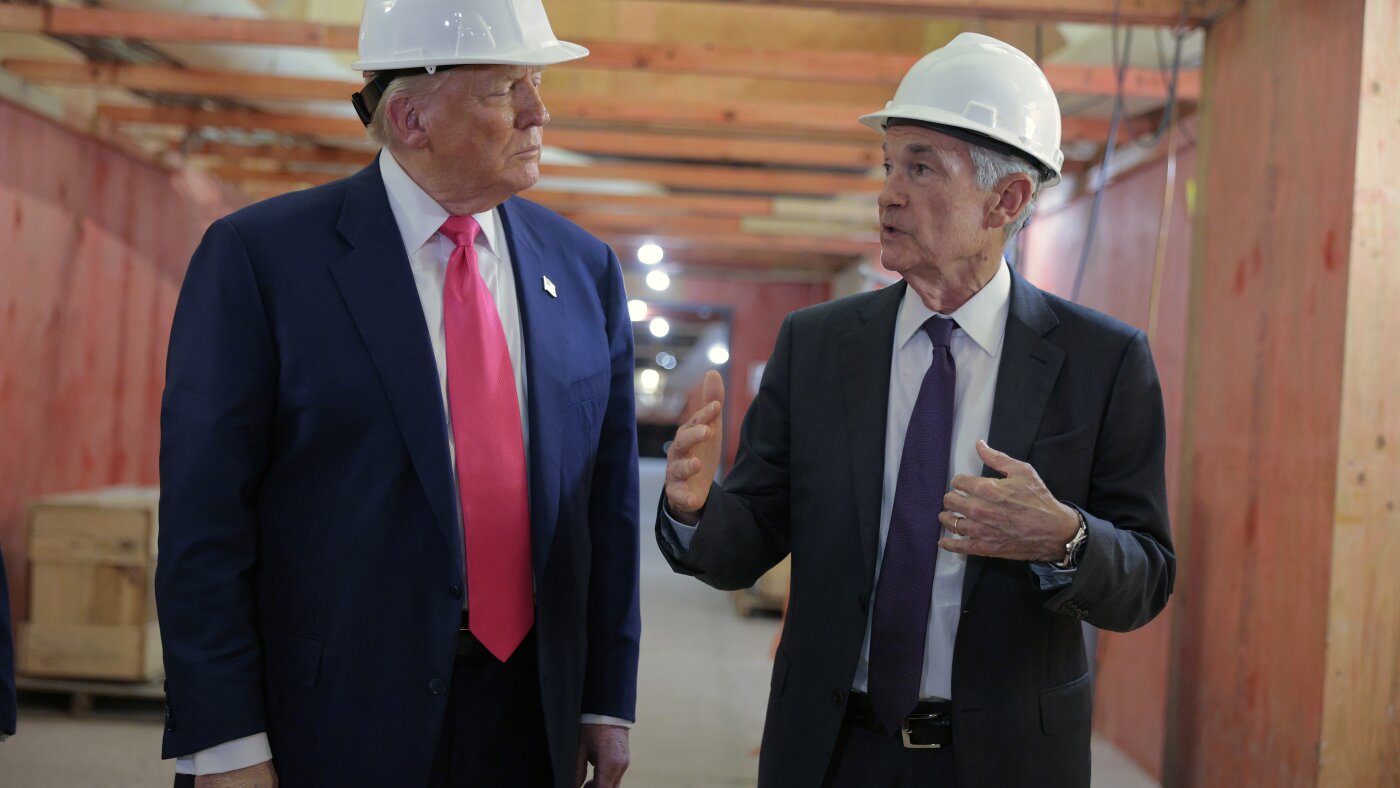
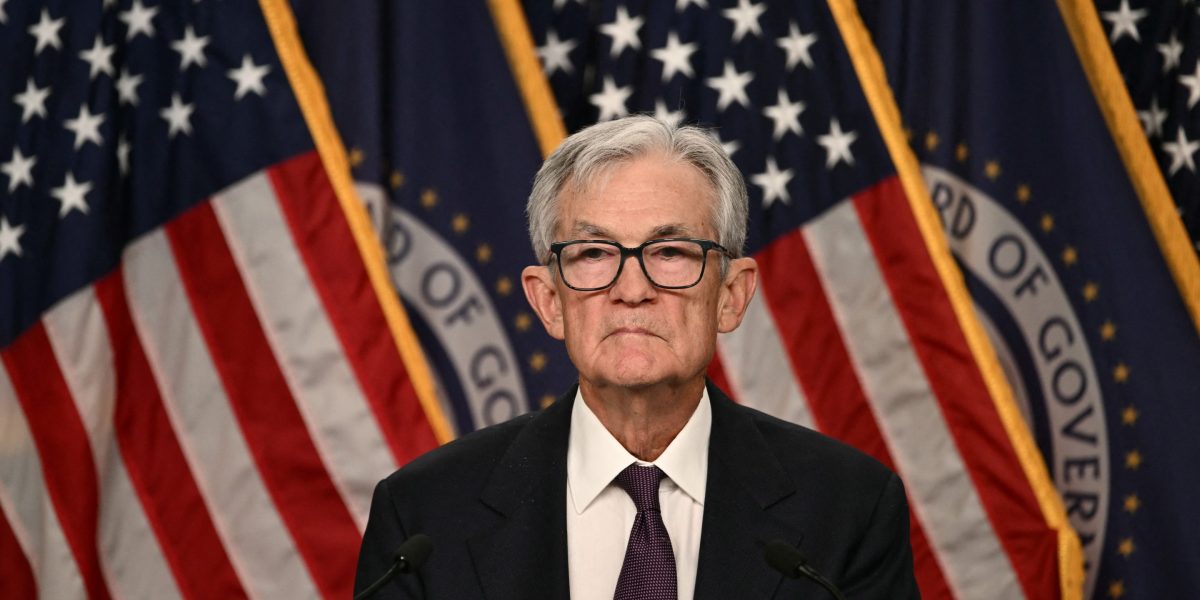
1 month agoTrump started a battle with Jerome Powell, but the Fed chairman is winning the war: He won't leave until probe is 'well and truly over' | Fortune
A DOJ investigation into Jerome Powell may paradoxically extend his Federal Reserve tenure beyond Trump's expectations, as Powell refuses to leave until the matter concludes and Senate Banking Committee blocks successor confirmations.
US Elections
fromAxios
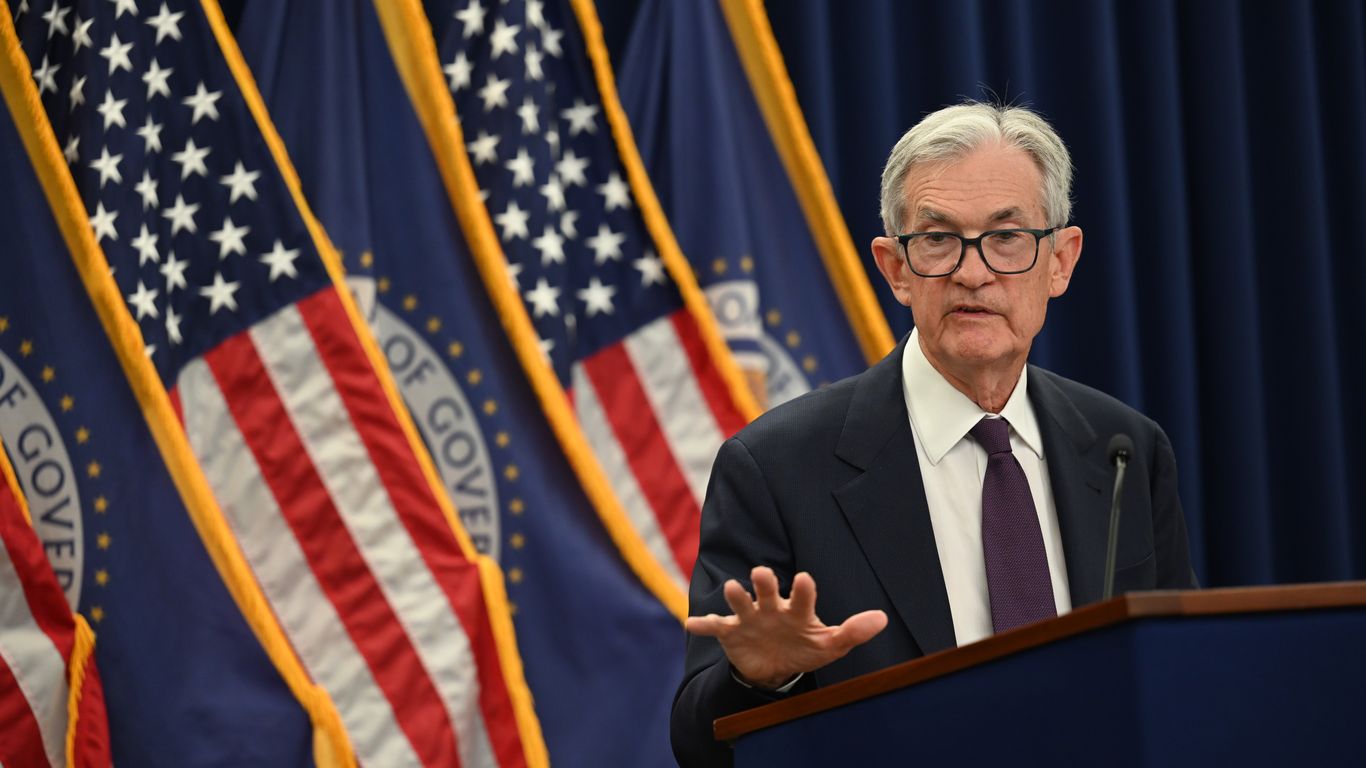
1 month agoFed keeps rates on hold, Powell says he will remain in place until successor confirmed
Powell commits to remaining at the Federal Reserve through a criminal investigation into his leadership, blocking his successor's confirmation and resisting Trump administration pressure to lower interest rates.
from24/7 Wall St.
1 week agoThe Federal Reserve's Nightmare Scenario Is Taking Shape and the Stock Market Should Pay Attention
The New York Fed's Survey of Consumer Expectations indicated that one-year inflation expectations rose to 3% in March, with gas price expectations jumping to 9%, the highest since March 2022.
Business
#federal-reserve-policy
World politics
fromFortune
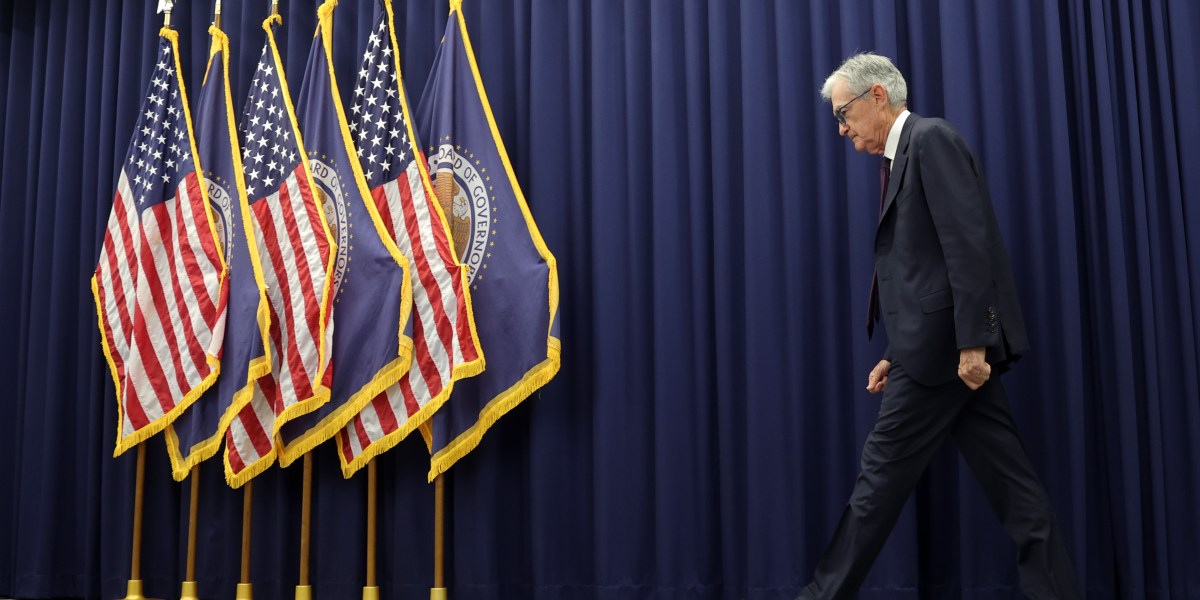
1 month agoThis week is Jerome Powell's penultimate meeting as chairman of the Fed-don't expect him to drop Wall Street many hints | Fortune
Jerome Powell's final Federal Reserve meetings will likely maintain interest rates unchanged due to geopolitical tensions, rising oil prices, and inflation concerns before Kevin Warsh assumes the chairmanship in May.
World politics
fromFortune
1 month agoThis week is Jerome Powell's penultimate meeting as chairman of the Fed-don't expect him to drop Wall Street many hints | Fortune
Jerome Powell's final Federal Reserve meetings will likely maintain interest rates unchanged due to geopolitical tensions, rising oil prices, and inflation concerns before Kevin Warsh assumes the chairmanship in May.
#federal-reserve-monetary-policy
US Elections
fromBusiness Insider
1 month agoThe Fed is likely to hold rates steady with volatile oil prices and poor US jobs performance
The Federal Reserve will likely hold interest rates steady in March 2026 due to inflation concerns and energy price spikes from the Iran conflict, while preparing for leadership transition to Kevin Warsh.
US Elections
fromFortune
1 month ago'A month ago, no one would have believed this': June Fed rate hike odds just surpassed rate cut odds as stagflation fears grow | Fortune
War in Iran drives energy prices higher, reducing probability of Fed rate cuts this year and increasing stagflation concerns that could undermine Trump's economic agenda.
Miscellaneous
fromLondon Business News | Londonlovesbusiness.com
2 months agoUncertainty creeps in about the Fed's future - London Business News | Londonlovesbusiness.com
Markets steady as FTSE ends flat, gold and oil retreat from highs while US stocks face Fed chair uncertainty and AI spending concerns.
fromwww.housingwire.com
2 months agoMortgage rates steady ahead of Fed's January meeting
The mortgage market is off to a strong start in 2026. Mortgage rates declining to levels not seen since September 2024 have boosted borrower demand, with both refinance and purchase applications up solidly on both a weekly and an annual basis, said Bob Broeksmit, president and CEO of the Mortgage Bankers Association (MBA). With the spring homebuying season approaching, lower mortgage rates would be a welcome development for households looking to buy a home.
Real estate
Business
fromwww.housingwire.com
1 month agoFed holds rates, officials signal wait and see on inflation risks
Oil price resolution timing in the Strait of Hormuz will determine whether inflation stays elevated, delaying Fed rate cuts, or eases, allowing Treasury yields and mortgage rates to decline toward early-year levels.
fromLondon Business News | Londonlovesbusiness.com
1 month agoFed cuts likely delayed to September or October - London Business News | Londonlovesbusiness.com
September, or more likely October, is now the realistic opportunity for a rate cut, and even that is far from guaranteed. The data coming through is not consistent with easing in July. In fact, it points in the opposite direction. Inflation is not falling fast enough. The latest wholesale inflation data shows prices rising at 3.4% year-on-year, the strongest pace in a year, and core measures are still running close to 4%.
Business
from24/7 Wall St.
2 months ago3 ETFs to Buy ASAP Before Jerome Powell's Term Ends in May
Warsh served on the Fed's Board of Governors from 2006 to 2011, making him the youngest person ever appointed to that role at age 35. During the 2008 financial crisis, he was part of Ben Bernanke's inner circle and served as an intermediary with Wall Street. He negotiated survival plans for firms like Morgan Stanley (NYSE:MS). He later resigned from the Fed due to disagreements over its balance sheet expansion policies.
US politics
fromLondon Business News | Londonlovesbusiness.com
2 months agoDollar struggle and monetary policy shape the next phase - London Business News | Londonlovesbusiness.com
The resilience of gold above $4,800 per ounce at this stage reflects a delicate and complex balance between traditional supporting factors and emerging pressures-one that cannot be superficially interpreted or reduced to the movement of the dollar alone. It is true that the U.S. dollar's retreat from its recent peaks, after failing to sustain its recovery momentum from a four-year low, provided gold with a short-term breather and attracted some buyers.
Business
fromFortune
2 months agoJerome Powell got a direct question about the U.S. 'losing credibility' and the soaring price of gold and silver. He punted | Fortune
The two precious metals, the most classic of the "safe-haven" assets, have the tangibility and inherent scarcity to act a hedge in moments of turmoil, particularly when investors worry that politics or policy could undermine the value of the dollar or U.S. government bonds. That is why the metals' relentless rally to record highs since late last year-Gold is up 84% year-over-year and silver up a whopping 245% - has drawn attention from analysts.
US politics
[ Load more ]