#julia-jackman
#julia-jackman
[ follow ]
#contemporary-art #art #art-exhibition #marcel-duchamp #photography #performance-art #art-exhibitions


fromAnOther
5 days agoYoung-jun Tak's Eyes Are Always on the Audience
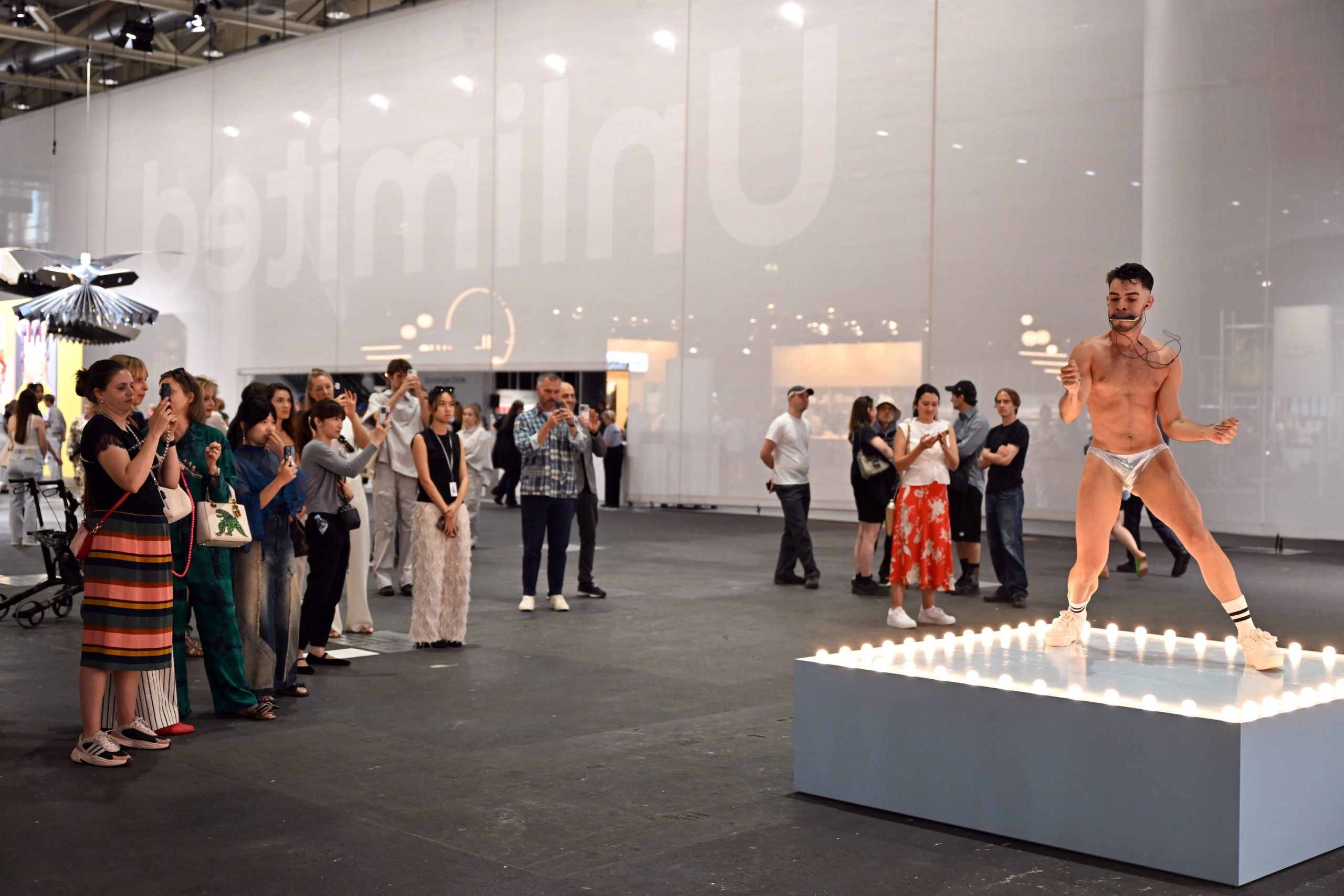
"It's bizarre to watch people in this way - even in gay cruising areas you wouldn't stare at other bodies this intensely. Now, whenever I go to a concert, especially at the Berliner Philharmonie with its encircling seating, my gaze hovers over the audience as well as the stage."
Berlin
fromwww.nytimes.com
1 month agoThe Next Stop for a Sundance Director: Leading New York's Film Forum
Under her leadership, Jackson said, 'The most important thing is to make sure that Film Forum continues its mission.' This reflects her commitment to the organization and its role in independent cinema.
Film
#performance-art

Arts
fromBerlin Art Link
4 weeks agoAn Interview with William Joys | Berlin Art Link
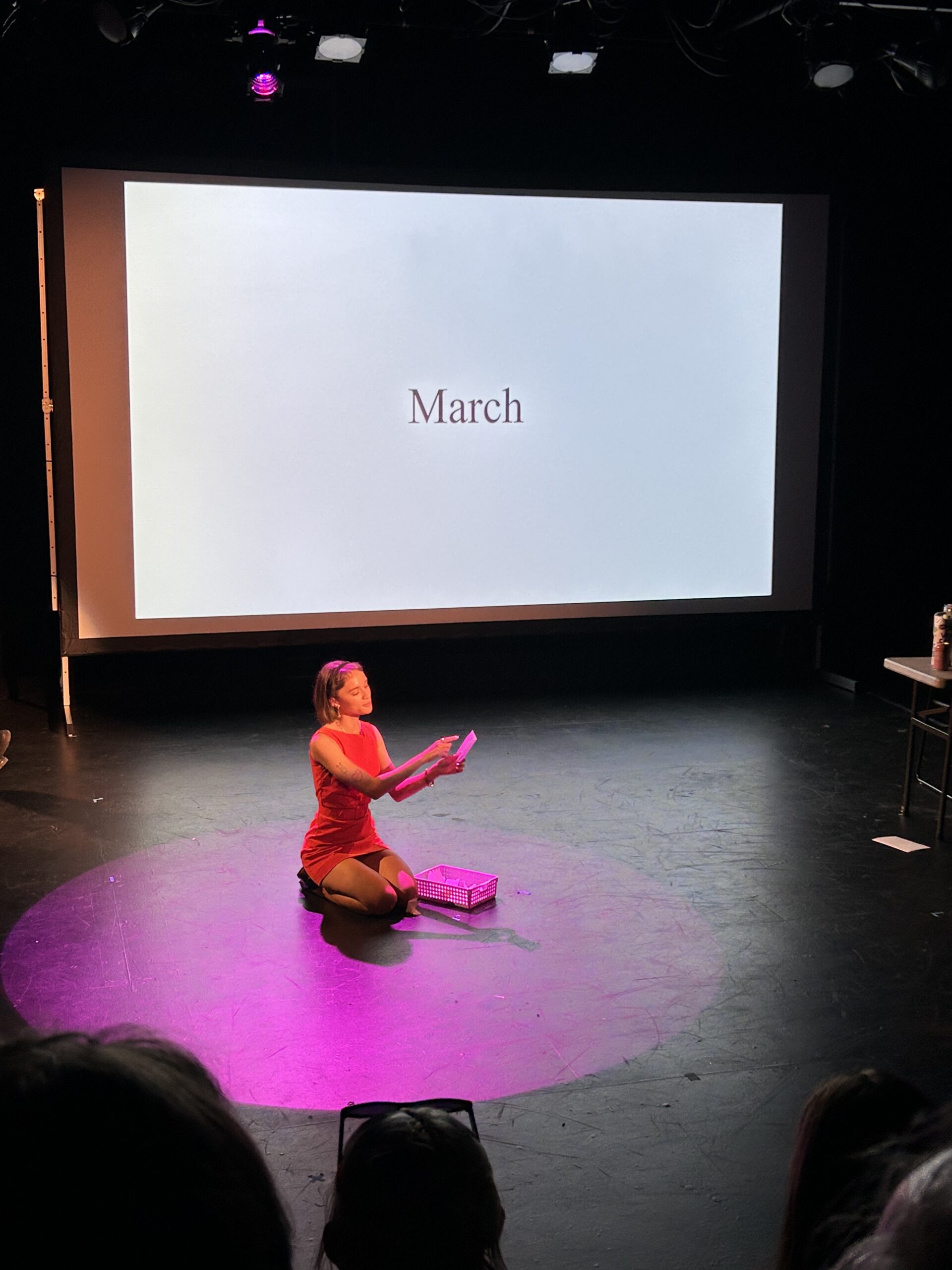
Theater exposes hidden power dynamics through the body's presence, with artist William Joys exploring these relations through 'The Actress' character who transgresses social hierarchies and blurs distinctions between subject and object.

fromSPIN
3 weeks agoWhitney Johnson, Lia Kohl, and Macie Stewart Go Beyond the Chamber - SPIN
All but one of the song titles on Body Sound, the debut album from experimental string trio Whitney Johnson, Lia Kohl, and Macie Stewart, line up nicely-a few words, usually two, usually nouns, separated by a vertical line. The straight line in the middle means different things in different disciplines. In computing, it's called a 'pipe' and serves as a conduit. In poetry, it denotes a pause or break. In music, it marks the beginning and end of measures.
Music

fromBOOOOOOOM!
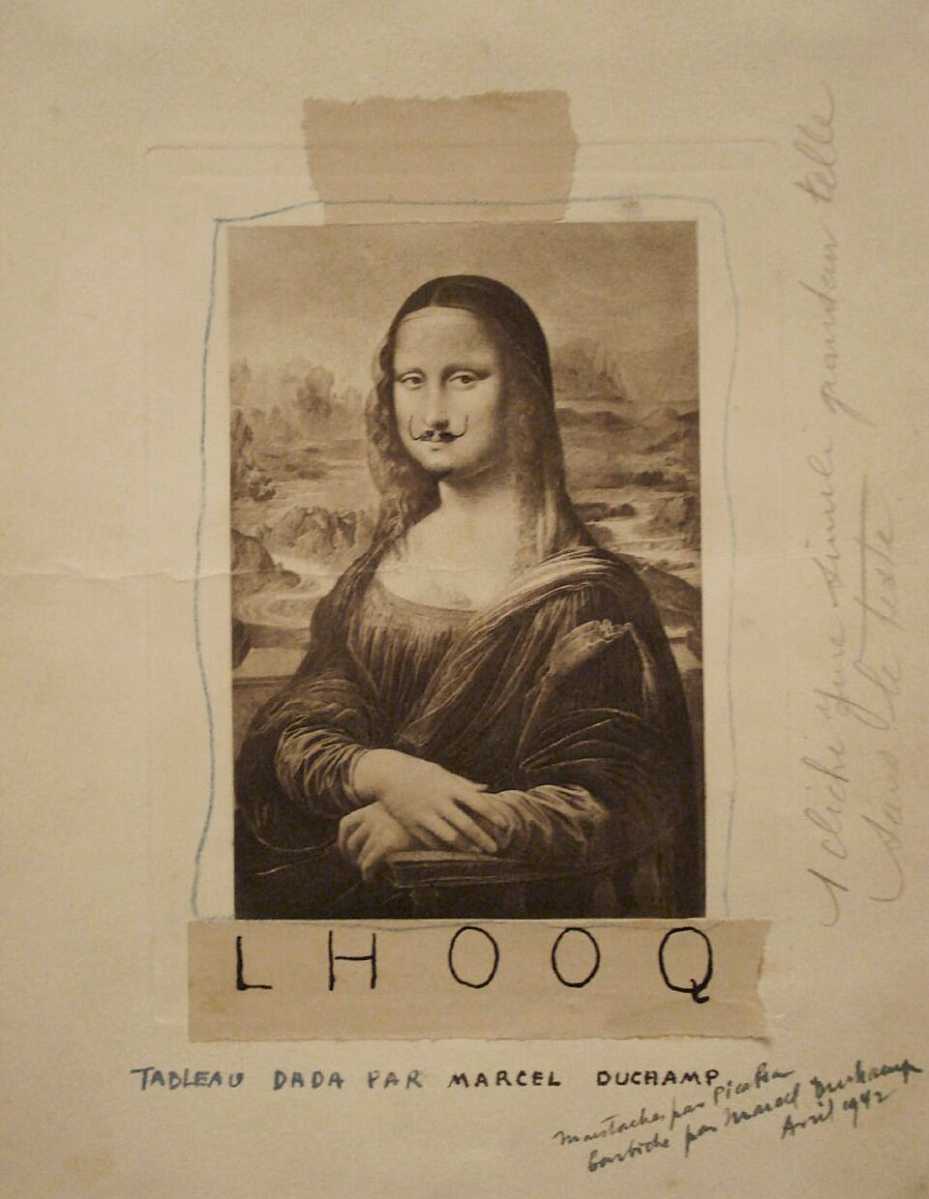
1 month agoIllustrator Spotlight: Julija Panova
Of Lithuanian-Russian heritage, Panova's work is informed by that layered cultural inheritance as growing up between cultures has shaped her sensitivity to shifting narratives. Her work explores folklore, quiet, and images that feel suspended between past and present.
Graphic design
Arts
fromThe Art Newspaper - International art news and events
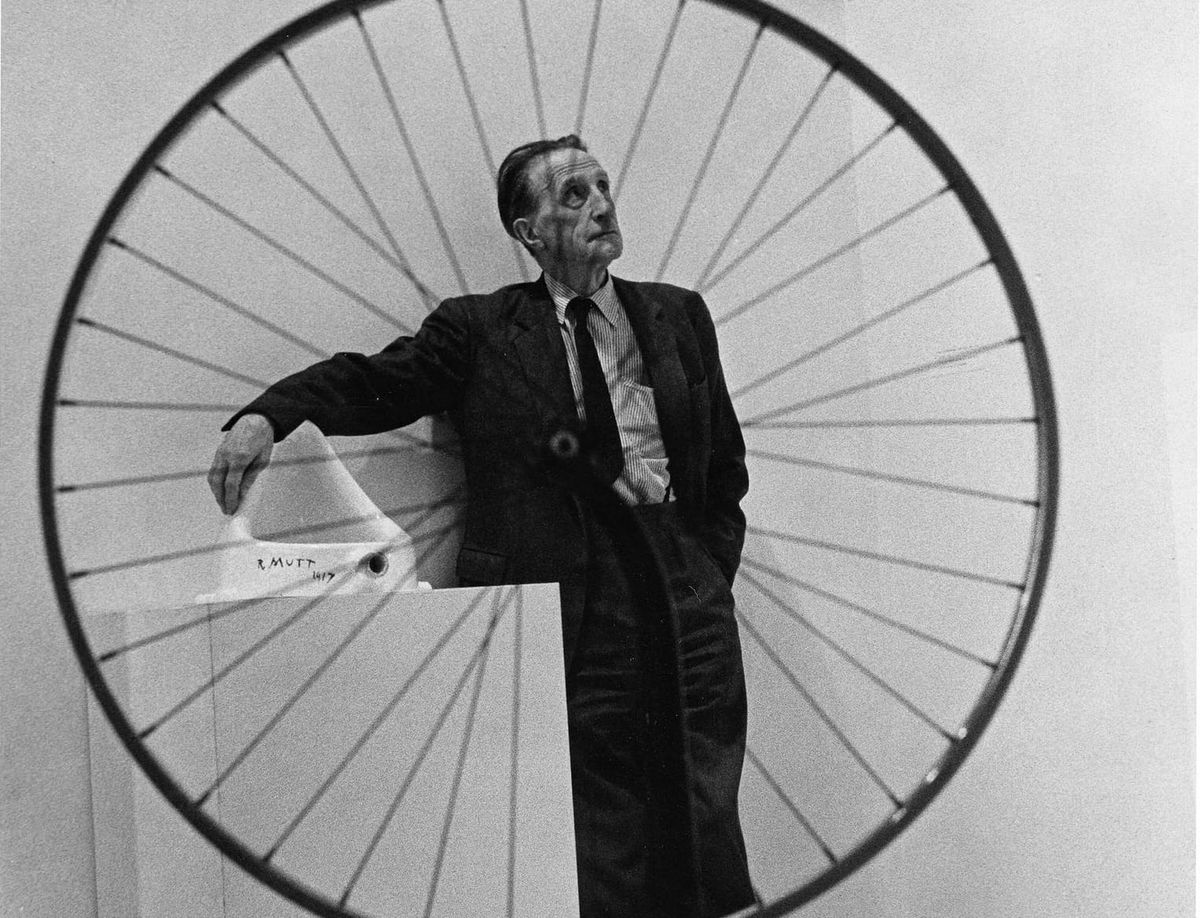
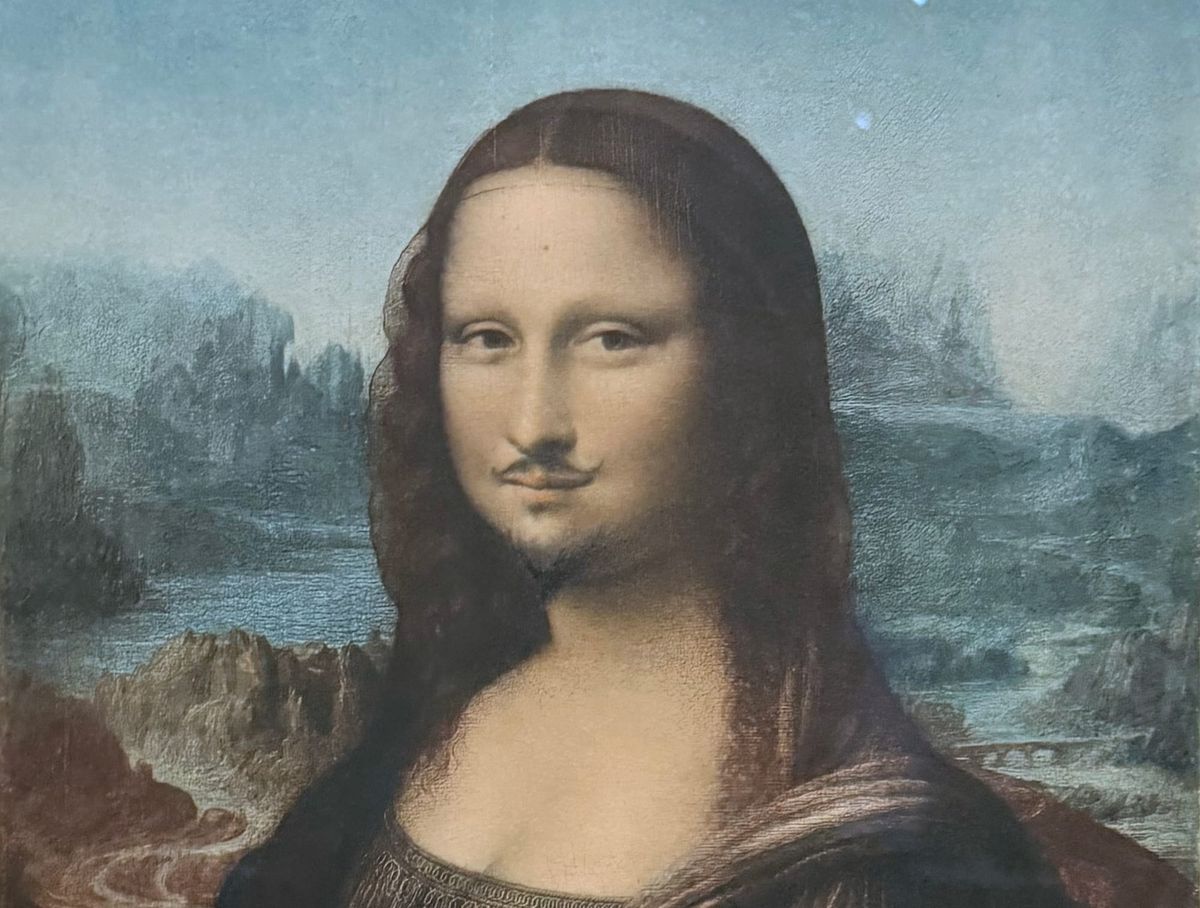
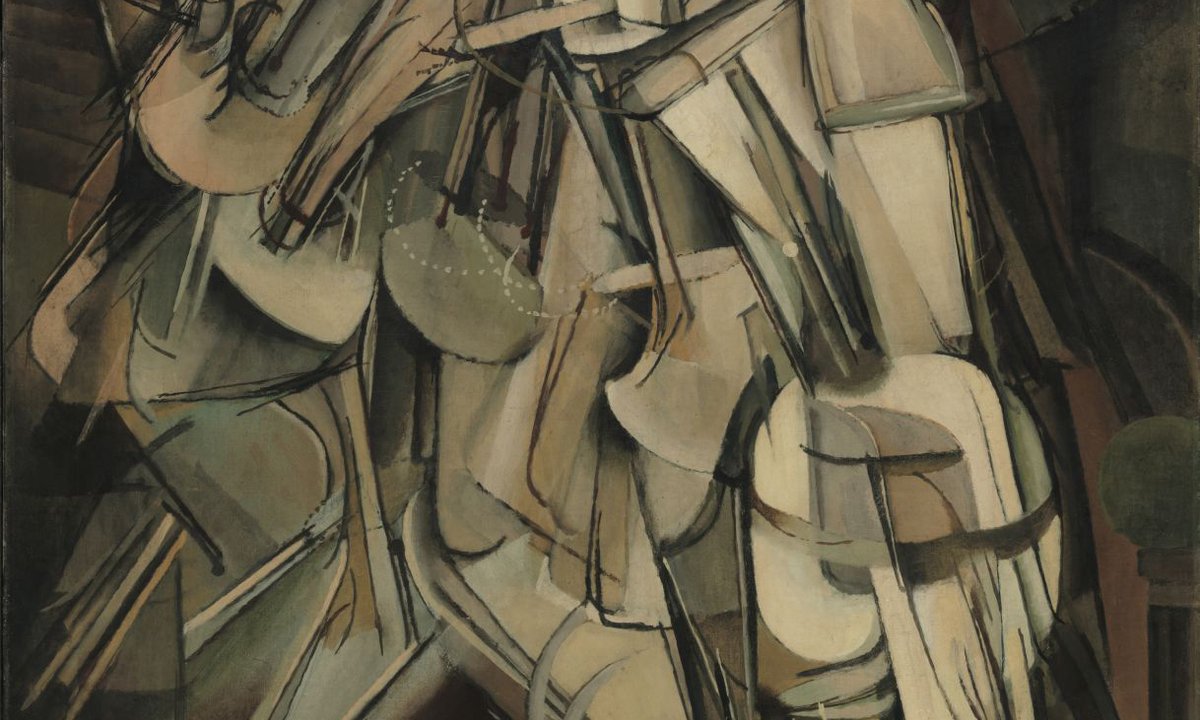
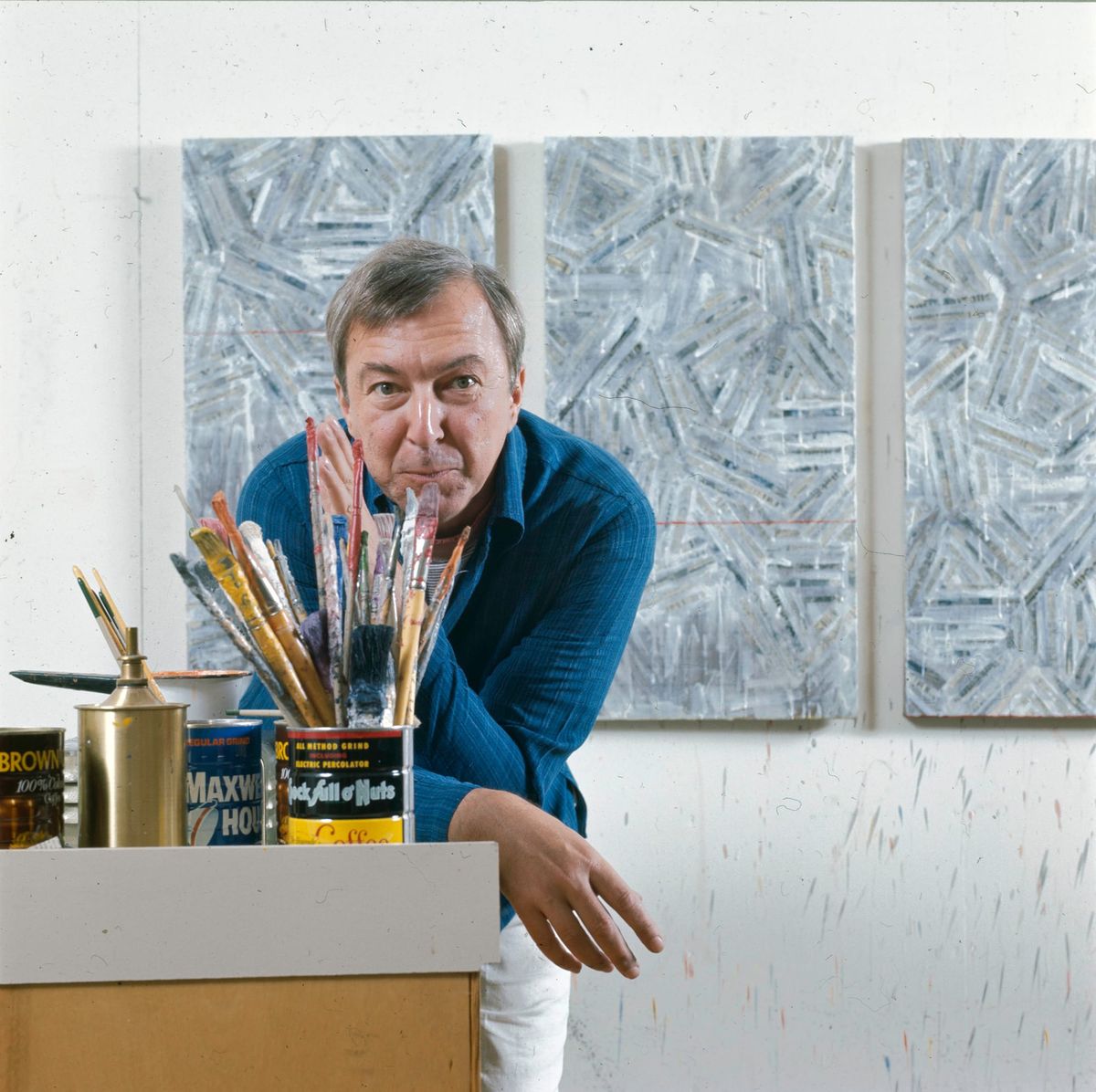
4 days agoMarcel Duchamp at MoMA, Dorothea Tanning book, Leonora Carrington at the Freud Museum, London-podcast
Three artists connected to Surrealism are highlighted, including exhibitions and publications about Marcel Duchamp, Dorothea Tanning, and Leonora Carrington.
Berlin music
fromKALTBLUT Magazine
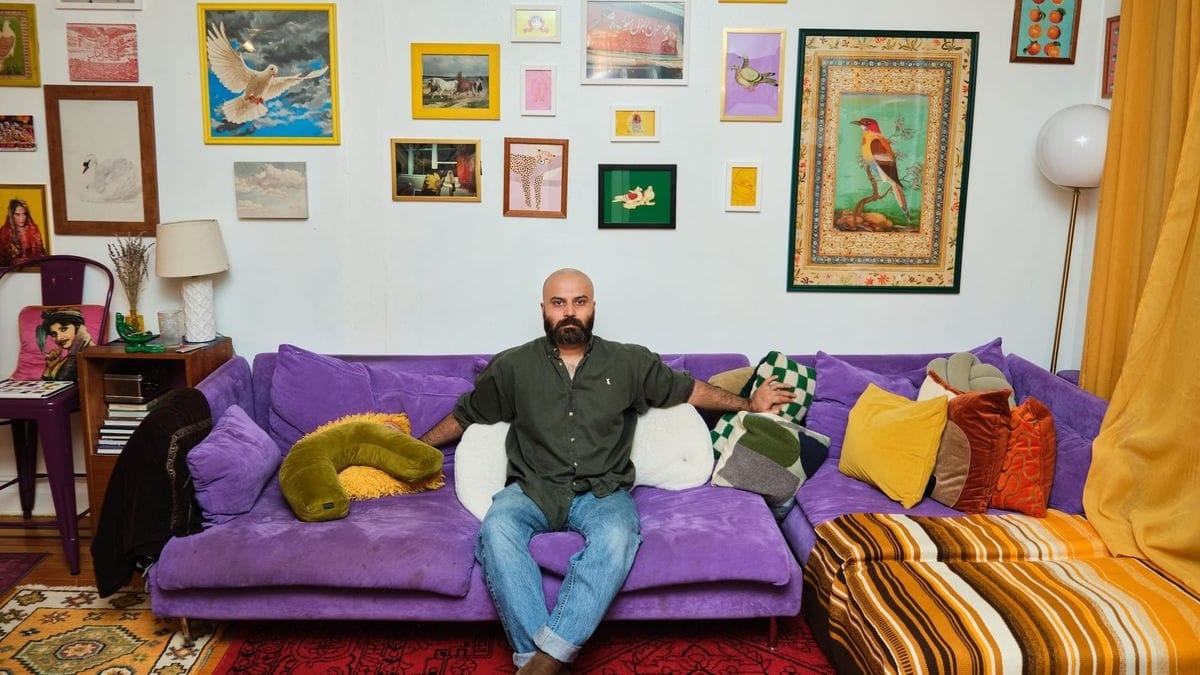
1 month agoUnveil the Pulse of Memory: Filipp Jenikae's Visual Symphony at Galerie Sara Lily Perez - %
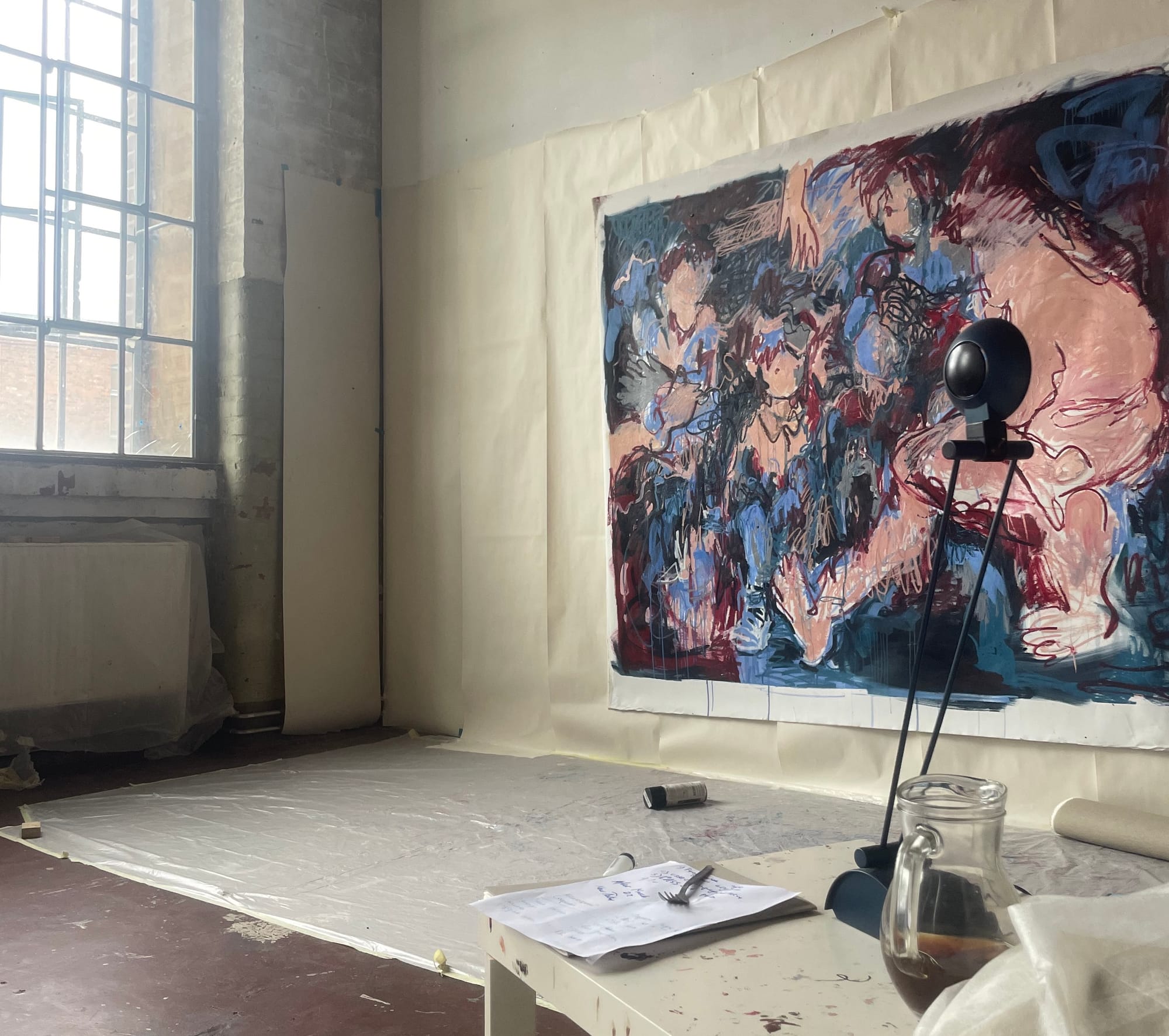
Filipp Jenikäe's exhibition explores how urban spectacle, collective memory, and personal experience merge through dynamic paintings of cities, crowds, and athletic figures.
fromItsnicethat
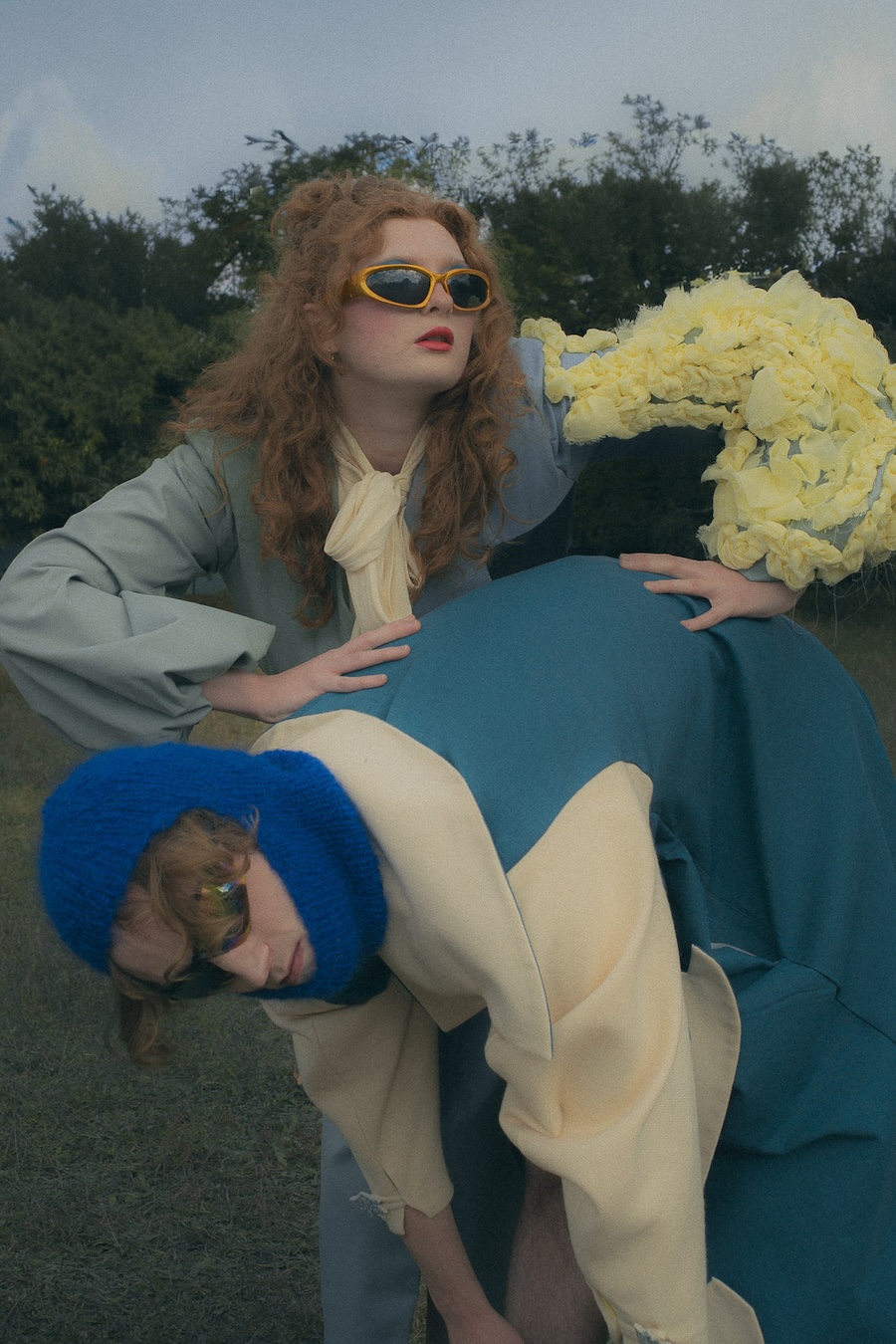
2 months agoJulia Fernandez hand paints 300 ceramic tiles to create a mesmerising stop-motion music video
In order to create a unique visual language for the single, Julia embarked on a three-month-long project of handcrafting and painting 300 individual ceramic tiles to make up the music video frames, each with their own beautiful irregularities and imperfections in glaze. Structured in grids of twelve, these tiles were swapped out like puzzle pieces in the final stop motion, using zoetropes and evolving motifs to follow "the meditative rhythm of the song through repetition, noise, and texture", the artist says.
Film
fromHyperallergic
3 weeks agoWhat Do We Really Think of the New New Museum?
The new New Museum is many things: contemporary, perhaps, but also a science, history, anthropology, and many other museums in one. It echoes the desire of its patron class to own the world and its affiliated courtier class to deliver it to them on a silver platter, or encased in perforated metal, in this case.
Arts
Arts
fromArtnet News
1 month agoBlink and You'll Miss It! 3 New York Shows With Painfully Short Runs | Artnet News
Gallery exhibition runs have lengthened from weeks to five or six weeks due to increased competition and high mounting costs, though a countermovement of brief, limited-time shows is emerging.
fromHyperallergic
1 month agoEmbracing Friction in the Art World
On Franklin Street in Brooklyn's Greenpoint neighborhood, one non-commercial gallery fosters 'a small, stubbornly human space for friction.' Friction—the ubiquitous buzzword that captures the simultaneous delight and discomfort of doing things the slow way—is at the heart of artists Pap Souleye Fall and Char Jeré's current show at Subtitled NYC. It also reflects the overall spirit of this little exhibition space and of a burgeoning movement to reject our culture of optimization in favor of a bumpier, more intimate, less alienating experience.
Arts
fromArtnet News
1 month agoInside the Forum Where Women in the Arts Are Taking on the Status Quo
What began as a passion for collecting became a responsibility. She not only believes in the artistic genius of women, but she wants society in general to hold men and women artists in equal esteem-and to place the same monetary value on their work.
Arts
Arts
fromJuxtapoz
1 month agoJuxtapoz Magazine - Melissa Brown "Window Shopping" @ Derek Eller Gallery, NYC
Melissa Brown creates mixed-media paintings of New York City store windows, combining screen-printed photographs with impasto and airbrush techniques to explore sites of commerce, longing, and urban fantasy.
Arts
fromHyperallergic
1 month agoJuliette Lewis Turns Into a Chair
The Julia Stoschek Foundation presents 'What a Wonderful World,' an immersive exhibition of 45 time-based artworks spanning 120 years of film, video, and early cinema at the Variety Arts Theater in Downtown Los Angeles through March 20, 2026, with free admission.
Arts
fromThe Art Newspaper - International art news and events
1 month agoA selective history of the moving image comes to downtown Los Angeles
The Julia Stoschek Foundation presents over 40 time-based works from the 1960s to present day at Los Angeles's Variety Arts Theater, celebrating the city's pivotal role in visual media history.
fromHyperallergic
2 months agoDeborah Jack's Immersive Elegy for Water
In the language of climate, water is dialectical: It is overabundance and scarcity; needed as well as dreaded. Psychologically, it can represent the unconscious, the maternal, the prelapsarian. Artist Deborah Jack disrupts any viewer's impulse to find recreational soothing in the ocean's tidal landscape, as she openly critiques the legitimacy of cartography, empire, and ecological adaptation. Jack's six-channel video installation "a sea desalts, creeping in the collapse... in the expanse...a rhizome looks for reason... whispers an elegy instead"
Arts
fromHyperallergic
2 months agoThese Are the Artists in MoMA PS1's Greater New York Show
Taking over the museum's transformed school building starting April 16, the cross-borough survey will celebrate MoMA PS1's 50th anniversary with a bevy of site-specific installations, new commissions, and rarely seen work by 53 artists and collectives living and working across New York City. A complete list of participants is included at the end of this article. This year, Greater New York will coincide with the Whitney Biennial for the first time in the show's history.
Arts
fromLondon Unattached
1 month agoChiharu Shiota and Yin Xiuzhen-Hayward Gallery Review
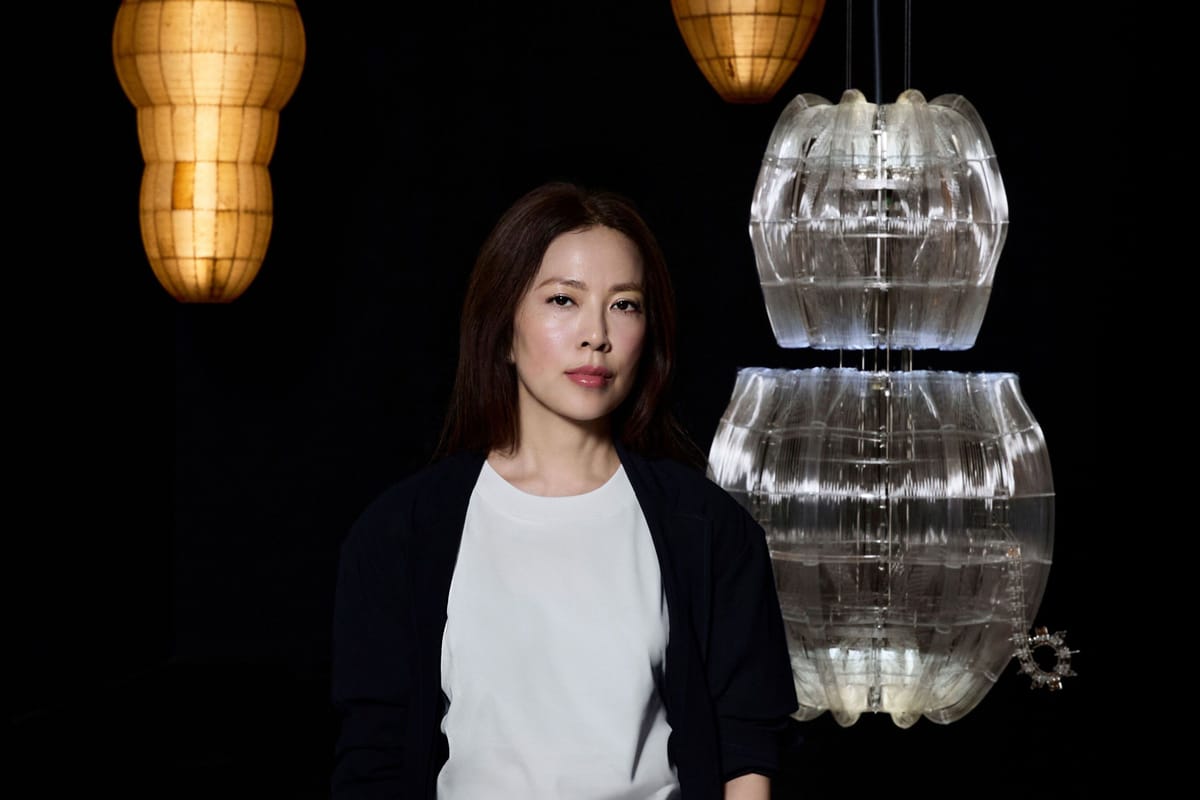
Chiharu Shiota and Yin Xiuzhen share an interest in memories and produce sculptural pieces that are adventurous and experimental. Their works invite viewers to engage with their art while exploring their large installations. Both artists use textiles and discarded domestic objects as basic materials in their work, which, along with the emotional undertones of the pieces, might remind viewers of the oeuvre of Louise Bourgeois, who also used her art to explore and contain emotional memory and anguish.
Arts
fromHyperallergic
1 month agoThe Sticky Politics of Wall Texts
In 2024, I made a vow to never base my art criticism on wall labels. My decision came after reading reactions to that year's Whitney Biennial. "If every label in 'Even Better Than the Real Thing,' the 81st installment of the Whitney Biennial, were peeled off the walls and tossed into the Hudson, what would happen?" asked Jackson Arn in the New Yorker. (He went on to suggest that the overall show would have been much better.)
Arts
fromThe New Yorker
2 months agoThe Mental Pratfalls of Anne Gridley, in "Watch Me Walk"
I remember laughing so hard, largely because of how Gridley, so relaxed in her comedy, played Juliet as someone who made sense to herself, if no one else, and what did she care? Gridley's comedic stance-part purveyor of nonsense, part paragon of common sense-put her squarely in the tradition of amazing women like Imogene Coca, and "Mad TV" 's Debra Wilson, comedians who made mental pratfalls a thing.
Arts
Arts
fromdesignyoutrust.com
2 months agoArtist Paints Smoky Lounges And Quiet Strangers, Letting Halffinished Details Turn Viewers Into Coauthors Of The Scene
A wide-ranging visual roundup showcases creative reinterpretations, vintage design, activist art, photography, illustration, and humorous cultural works spanning contemporary and historical styles.
[ Load more ]