#lions-overtime
#lions-overtime
[ follow ]
#conservation #wildlife-conservation #biodiversity #endangered-species #wildlife #animal-welfare #safari

fromElite Traveler
3 days agoThese South African Wellness Retreats Show a Wilder Way to Unwind
Singita Ebony Lodge remains one of Africa's most influential pioneers of conservation-led luxury. Positioned along the banks of the Sand River, this lodge sits among enormous trees and provides guests with access to 45,000 acres of private reserve.
Wellness
Photography
fromYanko Design - Modern Industrial Design News
1 day agoThis minimal AI camera blends into the wild while quietly tracking wildlife - Yanko Design
A minimal AI camera concept enhances wildlife observation by integrating intelligence into the environment, reducing human interference and improving monitoring accuracy.
fromSFGATE
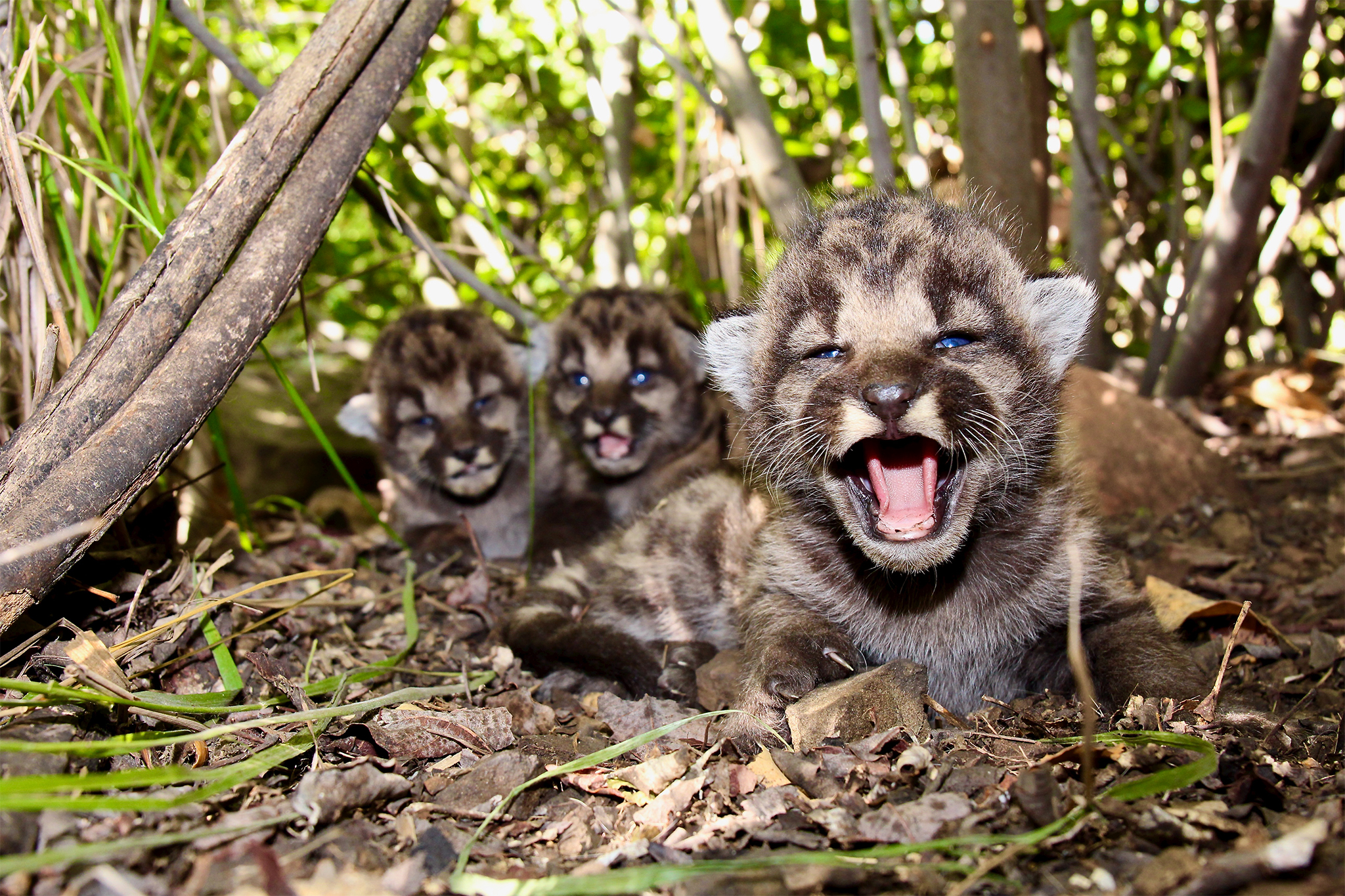
3 weeks agoThe race to save endangered mountain lions in the Calif. desert
Before state Route 62 was built, there was seamless 95-mile-long habitat connectivity between the San Bernardino and Little San Bernardino mountain ranges, extending from the I-10 south of Joshua Tree National Park to the I-15 near the Cajon Pass. Now, plans for two new wildlife crossings across the highway aim to bring back some of that connectivity, while potentially saving a local population on the brink of extinction in the process.
SF parents
Agriculture
fromdesignboom | architecture & design magazine
3 weeks agourban rewilding in practice: restoring london's heathland for humans, sheep, and ecology
Sheep grazing is proposed to regenerate urban heathland ecology, creating a continuous ecological corridor that supports both human and non-human systems.
fromOpen Culture
3 weeks agoIn Her Final Reflections, Jane Goodall Issues a Warning: "Without Hope, We Fall Into Apathy"
Somebody sent to this world to try to give people hope in dark times, because without hope, we fall into apathy and do nothing, and in the dark times that we are living in now, if people don't have hope, we're doomed. How can we bring little children into this dark world we've created and let them be surrounded by people who've given up?
Writing
fromMail Online
1 week agoBritain has just 20 years to save its wildlife, experts warn
'Our results show that the next 20 years are critical,' lead author Dr Rob Cooke told the Daily Mail. 'By around 2050, we reach a point where the choices we make on emissions and land use will largely determine whether Britain moves towards a much more degraded or a much more nature‑positive future.'
Environment
fromColossal
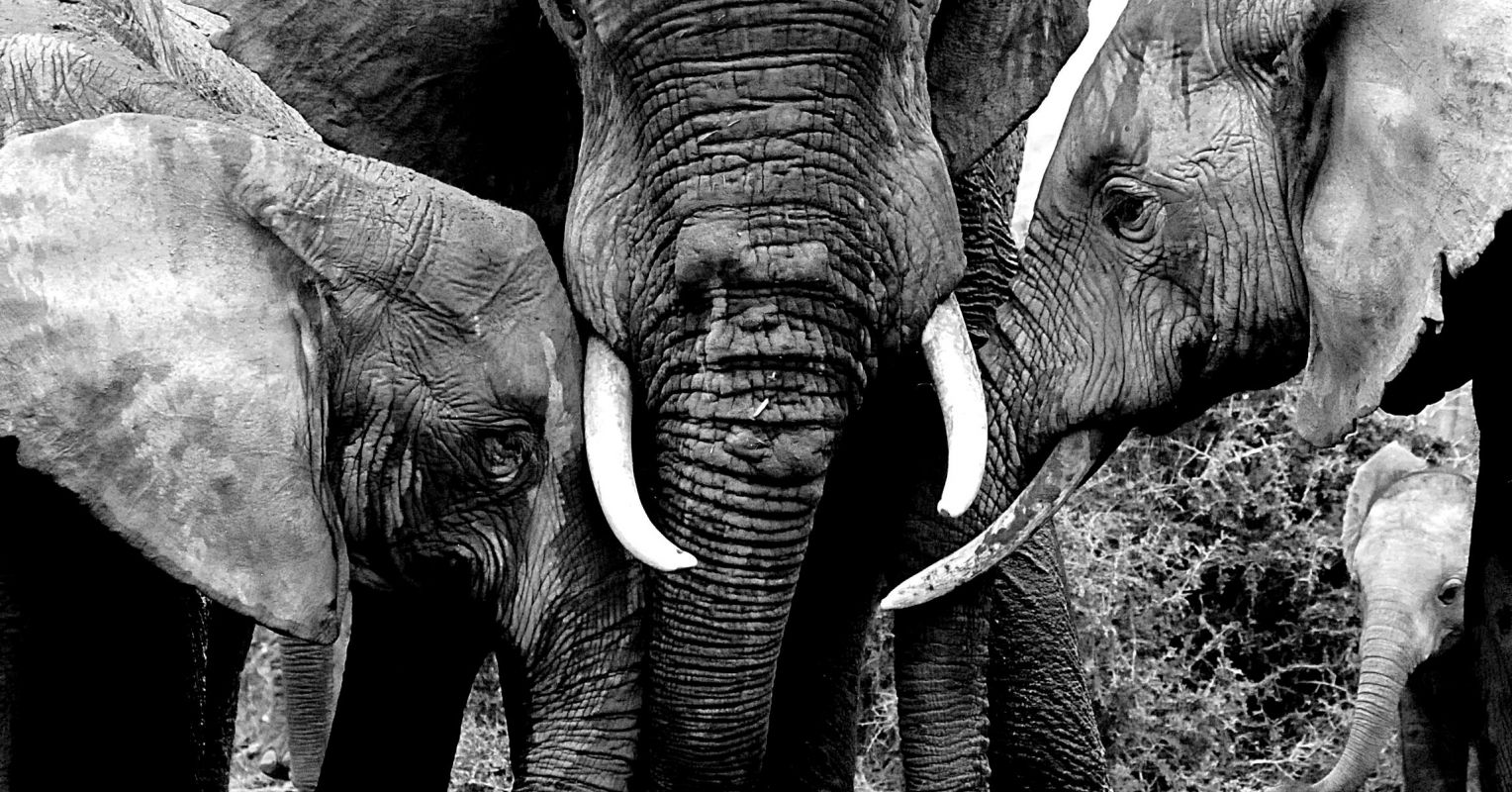
1 month agoJohan Siggesson's Striking Portraits of 'Big Tuskers' in Kenya
Among African elephants, "Big Tuskers" refers to bulls that grow tusks so long they sometimes scrape the ground. Each one can weigh well over 100 pounds. These giant, ivory incisors continually grow throughout an elephant's life, and males typically have much larger tusks than females.
Arts
fromHigh Country News
1 month agoCoyotes and cougars and rats, oh my! - High Country News
An unnamed tourist saw it and told Aidan Moore, who works for Alcatraz City Cruises. Moore told SFGATE that he was initially skeptical, but the guest's iPhone footage left little room for doubt. The video shows, not a sea lion or an otter, but an actual Canis latrans, doggedly dogpaddling, then clambering out of the water, noticeably shaky and struggling to settle tired paws on the craggy rocks.
California
Pets
fromwww.scientificamerican.com
4 weeks agoWhat would happen if snakes disappeared like in Zootopia 2? An investigation
Zootopia 2 defends snakes as misunderstood creatures while highlighting their critical ecological importance as mesopredators that control rodent populations and sustain food chains.
fromYanko Design - Modern Industrial Design News
2 months agoWhen Zoo Design Tells the Story of Life Itself - Yanko Design
The House of Elements, set to become the crown jewel of Orientarium Zoo in Łódź, Poland, takes the classical elements (earth, ice, water, fire, and air) and transforms them into a 6,000-square-meter narrative experience. Rather than designing a building where you walk from exhibit to exhibit, VMA created a continuous downward-then-upward journey that mirrors the evolution of life itself. Designer: VMA Design Studio for Orientarium Zoo
Design
fromwww.scientificamerican.com
2 months agoHow zoos are preparing animals for this weekend's massive winter storm
In Texas, the Houston Zoo has prepared its buildings and barns with heaters designed to withstand extreme conditions, the zoo said in a blog post on Friday. Animals will have access to extra hay and bedding, and food was stocked in advance. Across the Zoo, sensitive plants are being protected with coverings, and generators are positioned to provide backup power if needed, the blog post said.
US news
San Francisco
fromFortune
2 months agoMountain lion saunters through San Francisco's posh Pacific Heights neighborhood before capture | Fortune
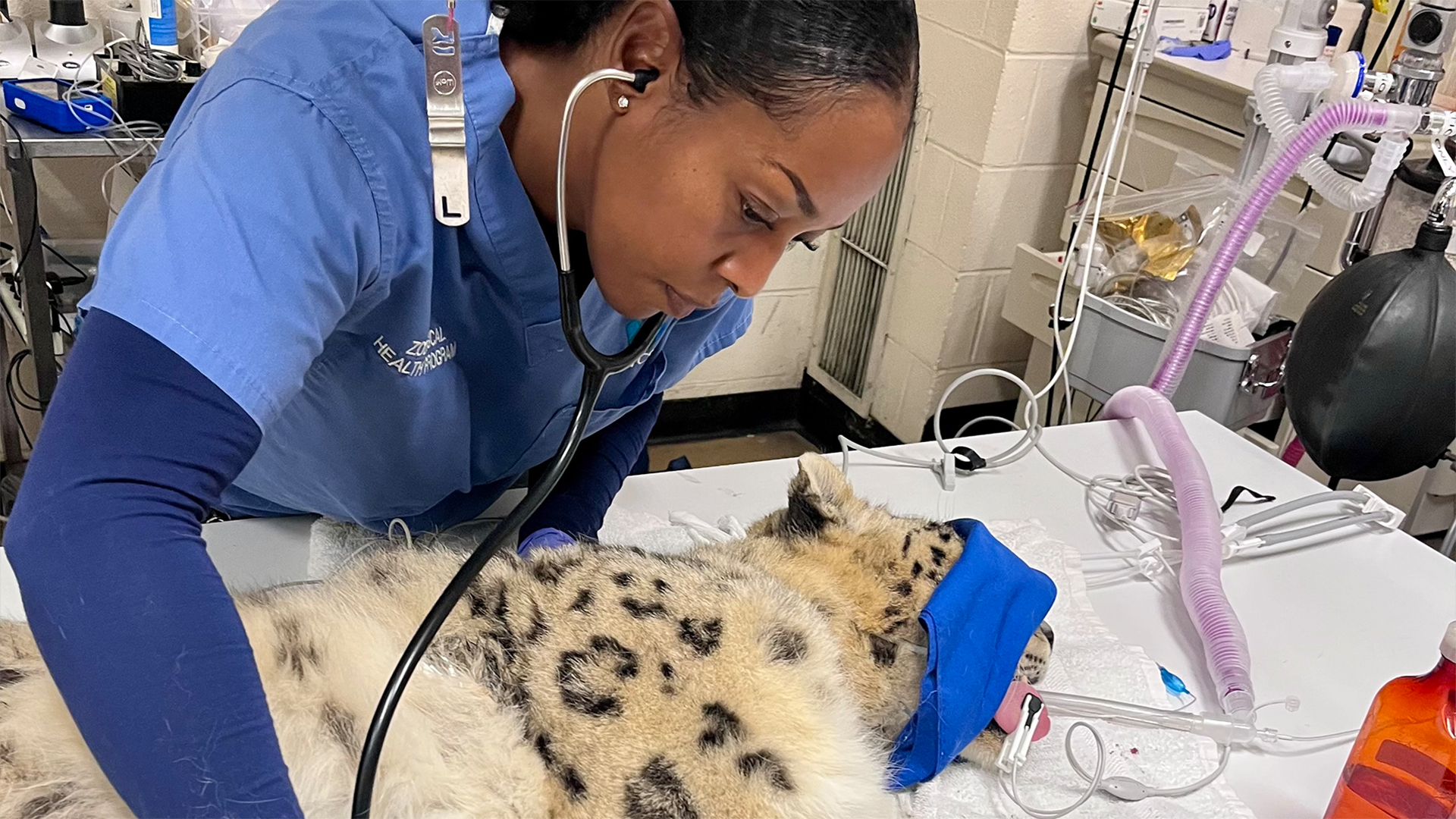
A 77-pound male mountain lion wandered through Pacific Heights in San Francisco and was tranquilized, captured, examined, and prepared for release after testing.
Film
fromwww.theguardian.com
2 months agoThe Shepherd and the Bear review two endangered species scrap for survival in the Pyrenees
Brown bears have been reintroduced to the Pyrenees, creating conflict between conservation efforts and shepherds whose traditional livestock-based livelihoods are endangered.
Environment
fromwww.theguardian.com
1 month agoAustralian wildlife in harm's way' with volunteers left to pick up the pieces' amid climate crisis, fires and floods
Labor is urged to establish national wildlife protection standards for disaster response, with advocates warning biodiversity risks could become irreversible without coordinated government-funded rescue and rehabilitation services.
fromwww.scientificamerican.com
1 month agoThe surprising science behind why daylight saving time is good for wildlife
Animals' risk of becoming roadkill depends on several factors, including how many vehicles are on the road, how many animals are on the road, and how animals and human drivers behave, explains Tom Langen, a professor of biology at Clarkson University, who studies animal-vehicle collisions. DST can minimize these collisions, however.
Pets
Environment
fromInsideHook
1 month agoGorillas, Michael Bay and Me: A Journey Through the Rewilded Rwanda
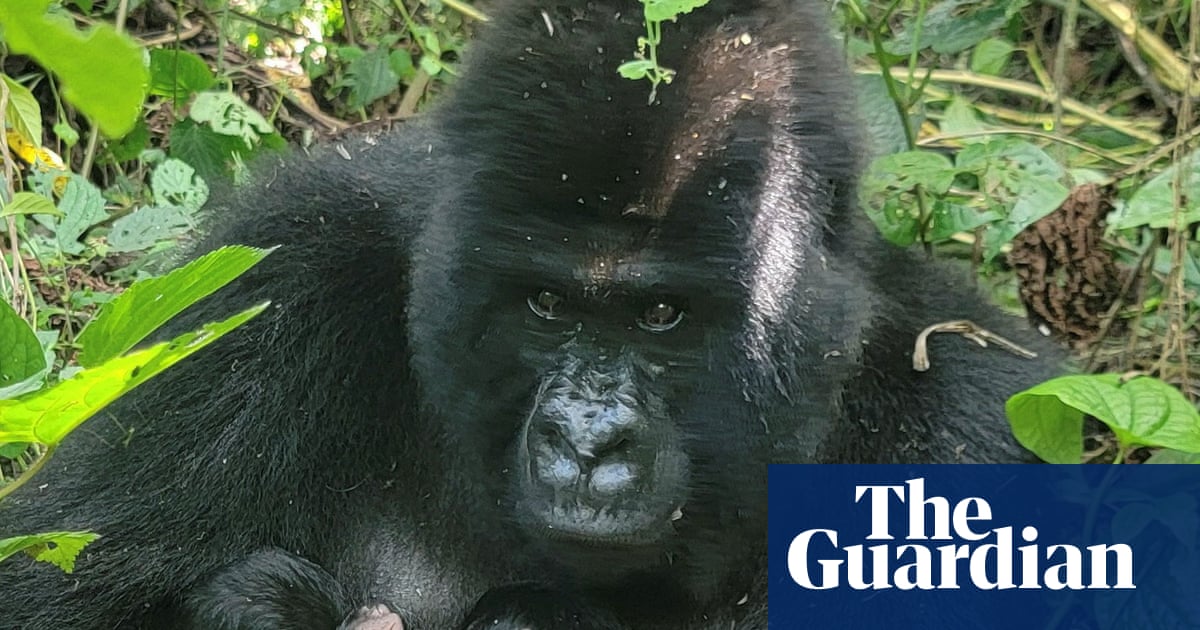
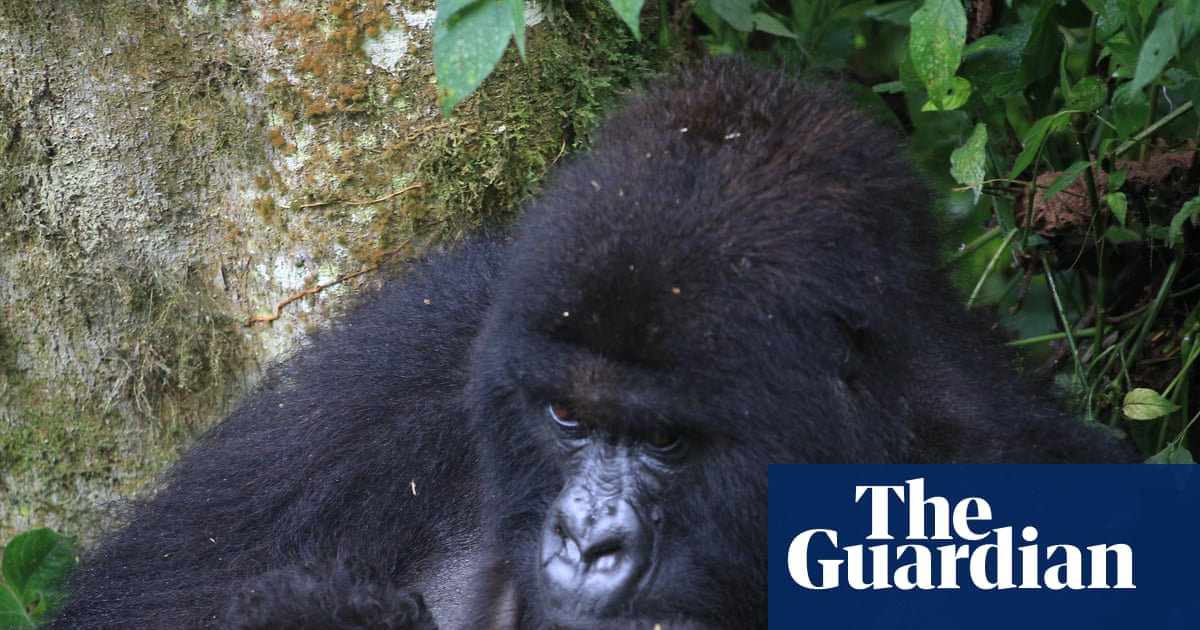
Rwanda's Kwita Izina gorilla-naming ceremony celebrates the recovery of mountain gorillas from near-extinction through successful conservation efforts, attracting global celebrities and thousands of participants to honor the species' survival.
fromCN Traveller
1 month agoI visited a new breed of safari lodge, where I learned the power of blending wildlife and wellness
On a cool, rainy afternoon in the wilds of Laikipia, Kenya, I am lying in savasana, or corpse pose, beside a log fire in the pool house of Enasoit Camp. The teacher, Laura Bunting, gently intones a yoga nidra to our small, all-female group, during which I slip in and out of a hypnotic half-light state, only vaguely aware of the sound of rain on the thatched roof and the percussive efforts of a nearby woodpecker.
Travel
fromIndependent
2 months ago'It's not about ticking off the Big Five' - Booking a safari this year? Here's how to make sure it's ethical
Demand for safari holidays is growing, so how can you do it without harming animals, people or the landscape? Last summer, images were shared of a scene in Tanzania's Serengeti National Park - a large group of jeeps and dozens of tourists standing outside taking pictures of 'The Great Migration' and blocking wildebeests' traditional crossing point. Jeep traffic jams have also been widely reported in other parks, including Sri Lanka's Yala, known for its high density of leopards.
Environment
Environment
fromwww.theguardian.com
2 months agoAfrica's great elephant divide: countries struggle with too many elephants or too few
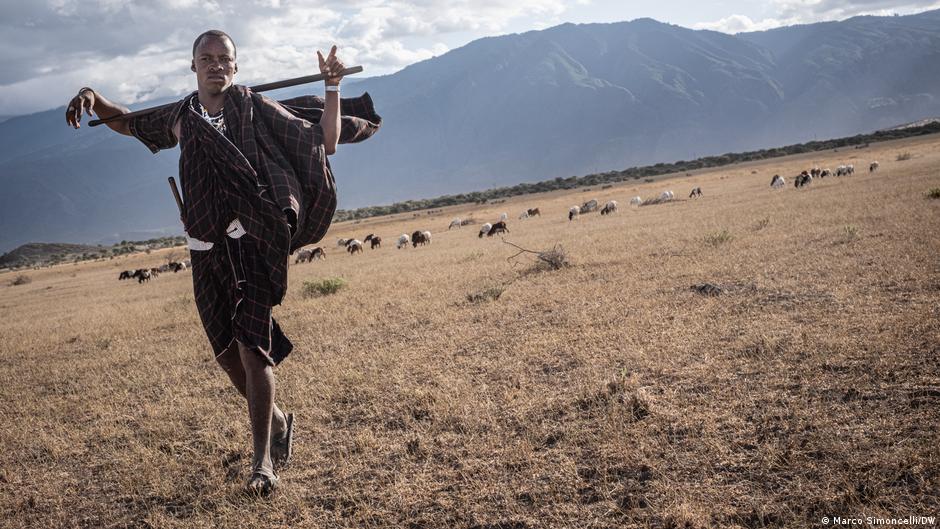
Elephant numbers contrast sharply: catastrophic declines in South Sudan, with a lone collared bull in Badingilo, versus overabundance and human conflict in parts of Kaza.
Environment
fromTravel + Leisure
2 months agoI Took My Kids on an African Safari-Here's Why It Was One of Our All-time Best Vacations
Sheldrick Wildlife Trust operates a successful orphaned-elephant rescue and sponsorship program that rears and reintroduces young elephants, addressing causes like drought, poaching, and human-wildlife conflict.
Environment
fromFortune
1 month agoAnimal behavioralists saved a rhino with bleeding eyes by giving it eye drops, in a "ridiculous idea" gone right | Fortune
Voluntary training allowed caretakers to safely administer eyedrops to an endangered white rhino in Zimbabwe, preserving vision and protecting a community reintroduction program.
Environment
fromwww.theguardian.com
1 month agoThat's a losing battle': baboon incursions cause tense human-wildlife standoff in Cape Town
Increasing baboon populations in Cape Town, driven by urban expansion and lack of predators, are causing frequent human-baboon conflicts and traumatic intrusions into communities.
fromwww.dw.com
2 months agoThe business of saving nature
The world spends 30 times more money destroying nature than protecting it. That's according to a new report from the United Nations Environment Programme (UNEP) that exposes a massive gulf between so-called "harmful investments" and financing that promotes nature preservation. The global environment agency's latest "State of Finance for Nature" (SNF) report is calling to phase out the US$7.3 trillion (6.2 trillion) in global investments that damage nature including into high-emissions energy infrastructure and manufacturing, for example.
Environment
fromLos Angeles Times
2 months agoSo close you can see elephant eyelashes? Welcome to San Diego's Elephant Valley
A long, winding path takes guests around and under felled trees. Aged gray tree hunks form arches, for instance, over bridges that tower over clay-colored paths with hoof prints. The design is meant to reorient us, to take us on a trail walked not by humans but traversed and carved by elephants, a creature still misunderstood, vilified and hunted for its cataclysmic-like ability to reshape land, and sometimes communities.
Environment
fromFast Company
1 month agoThese digital tools are stepping up the global fight against wildlife trafficking
In late 2025, Interpol coordinated a global operation across 134 nations, seizing roughly 30,000 live animals, confiscating illegal plant and timber products, and identifying about 1,100 suspected wildlife traffickers for national police to investigate. Wildlife trafficking is one of the most lucrative illicit industries worldwide. It nets between US$7 billion and $23 billion per year, according to the Global Environment Facility, a group of nearly 200 nations as well as businesses and nonprofits that fund environmental improvement and protection projects.
Environment
[ Load more ]