#lynn-price
#lynn-price
[ follow ]
#art #contemporary-art #abstract-painting #art-history #abstract-expressionism #creativity #art-exhibition

Berlin music
fromThe Wire Magazine - Adventures In Modern Music
4 days ago"A myth can often be more stimulating than actuality": Love Magic Power Danger Bliss reviewed - The Wire
Yoko Ono's influence on avant-garde art is significant, intertwining her biography with the evolution of conceptual and minimalist art in the 1960s.
fromArtnet News
2 days agoColleen Barry Wants You to Believe in Pictures Again | Artnet News
In many works, sturdy, almost sculptural nude women appear alongside children and dogs, suggesting an untamed intimacy. The rust-colored painting is Barry's interpretation of the famed Capitoline Wolf, a centuries-old sculpture depicting Romulus and Remus, the mythical twin founders of Rome who were suckled by a she-wolf after being abandoned.
Arts
#abstract-expressionism


fromArtnet News
1 month agoArts
Lee Krasner and Jackson Pollock Will Soon Share the Spotlight at the Met
The Met presents a joint exhibition of Jackson Pollock and Lee Krasner as artistic equals, featuring over 120 works spanning their entire careers and revolutionary contributions to Abstract Expressionism.


fromArtnet News
1 week agoPainting Has Entered Its Performance Era | Artnet News
Much of Instagram's video content is organized around transformation-the virtual magic of the before-and-after and clips that show cause and effect. A person makes pasta from scratch in 20 seconds via edits that compress time-intensive labor.
Arts
Arts
fromThe Art Newspaper - International art news and events
1 week ago'It was my job to create the view': US artist Liza Lou on making colourful works in her windowless warehouse
Liza Lou's artistic journey emphasizes the significance of color and materiality in her work, blending oil painting with glass beads.
fromHyperallergic
2 weeks agoDavid Novros's Portable Murals
Seeing the Alhambra in Granada was an extraordinary experience for me. It was the first time that I understood painting as something other than an object hanging on a wall. I thought that paintings could be in a fixed place, made for that place, made for the light of the place, experienced kinesthetically.
Arts
Portland
fromOregon ArtsWatch * Arts & Culture News
1 month agoImperfecta and Daria Loi's many reinventions * Oregon ArtsWatch
Imperfecta, a multifunctional space in Portland, blends gallery, community center, and installation venue, reflecting owner Daria Loi's philosophy of participatory design and interactive exploration.
Miscellaneous
fromJuxtapoz
2 months agoJuxtapoz Magazine - Lily Ramirez: So Far Out of Sight @ Simchowitz, Hill House Pasadena
Lily Ramírez's paintings function as emotional cartographies where texture, gesture, and color serve as intentional language expressing memory, perception, and lived experience.
fromAnOther
2 months agoInside a New Exhibition of David Lynch's Paintings and Photographs
Before he was a filmmaker, David Lynch was a painter and, if you're familiar with his esoteric filmmaking practice - peppered as it is with some of cinema's most indelible imagery - it all makes a lot of sense. A year after the auteur's passing, a newly opened show at Pace Gallery's Berlin space, Die Tankestelle, foregrounds Lynch's career-spanning fine art practice and its inextricable link to his cinematic oeuvre.
Film

fromJuxtapoz
3 weeks agoJuxtapoz Magazine - Last Days to See Kate Meissner's New Paintings @ Lyles & King's Project Space, NYC
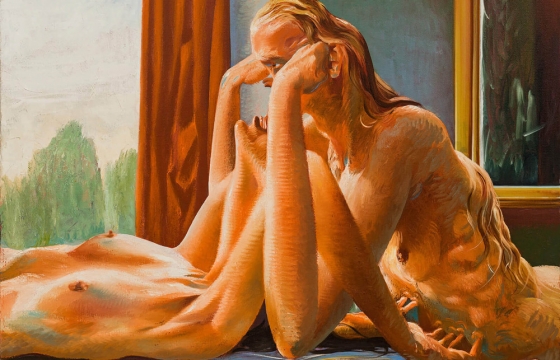
"These works are an exploration of the human body's elasticity and capacity to metamorphose. Informed by my own experience of pregnancy and the birth of my first child last year, these paintings are a meditation on physiological transformation and the body's underlying animalistic and mammalian nature."
Arts
Arts
fromwww.amny.com
1 month agoA Living Canvas: Adrian K and the alchemy of art, appetite, and atmosphere at Pinky Swear | amNewYork
Adrian K's three-month residency at Pinky Swear merges art with social participation, using reclaimed materials to create work that balances ethereal beauty with urgent activism and circular economy principles.
fromHyperallergic
1 month agoEmbracing Friction in the Art World
On Franklin Street in Brooklyn's Greenpoint neighborhood, one non-commercial gallery fosters 'a small, stubbornly human space for friction.' Friction—the ubiquitous buzzword that captures the simultaneous delight and discomfort of doing things the slow way—is at the heart of artists Pap Souleye Fall and Char Jeré's current show at Subtitled NYC. It also reflects the overall spirit of this little exhibition space and of a burgeoning movement to reject our culture of optimization in favor of a bumpier, more intimate, less alienating experience.
Arts
fromArtnet News
1 month agoInside the Forum Where Women in the Arts Are Taking on the Status Quo
What began as a passion for collecting became a responsibility. She not only believes in the artistic genius of women, but she wants society in general to hold men and women artists in equal esteem-and to place the same monetary value on their work.
Arts
#mixed-media-painting
Arts
fromJuxtapoz
1 month agoJuxtapoz Magazine - Melissa Brown "Window Shopping" @ Derek Eller Gallery, NYC
Melissa Brown creates mixed-media paintings of New York City store windows, combining screen-printed photographs with impasto and airbrush techniques to explore sites of commerce, longing, and urban fantasy.

fromHyperallergic
2 months agoA View From the Easel
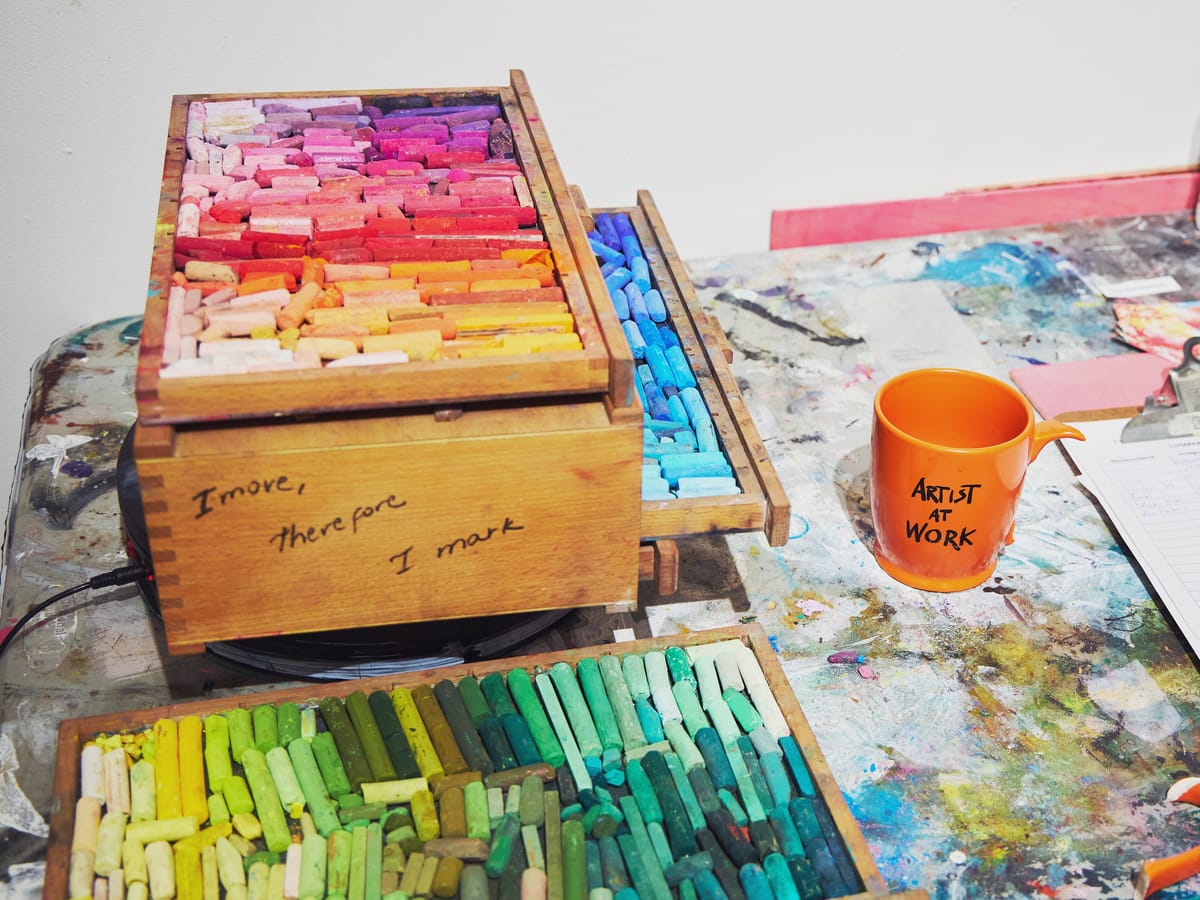
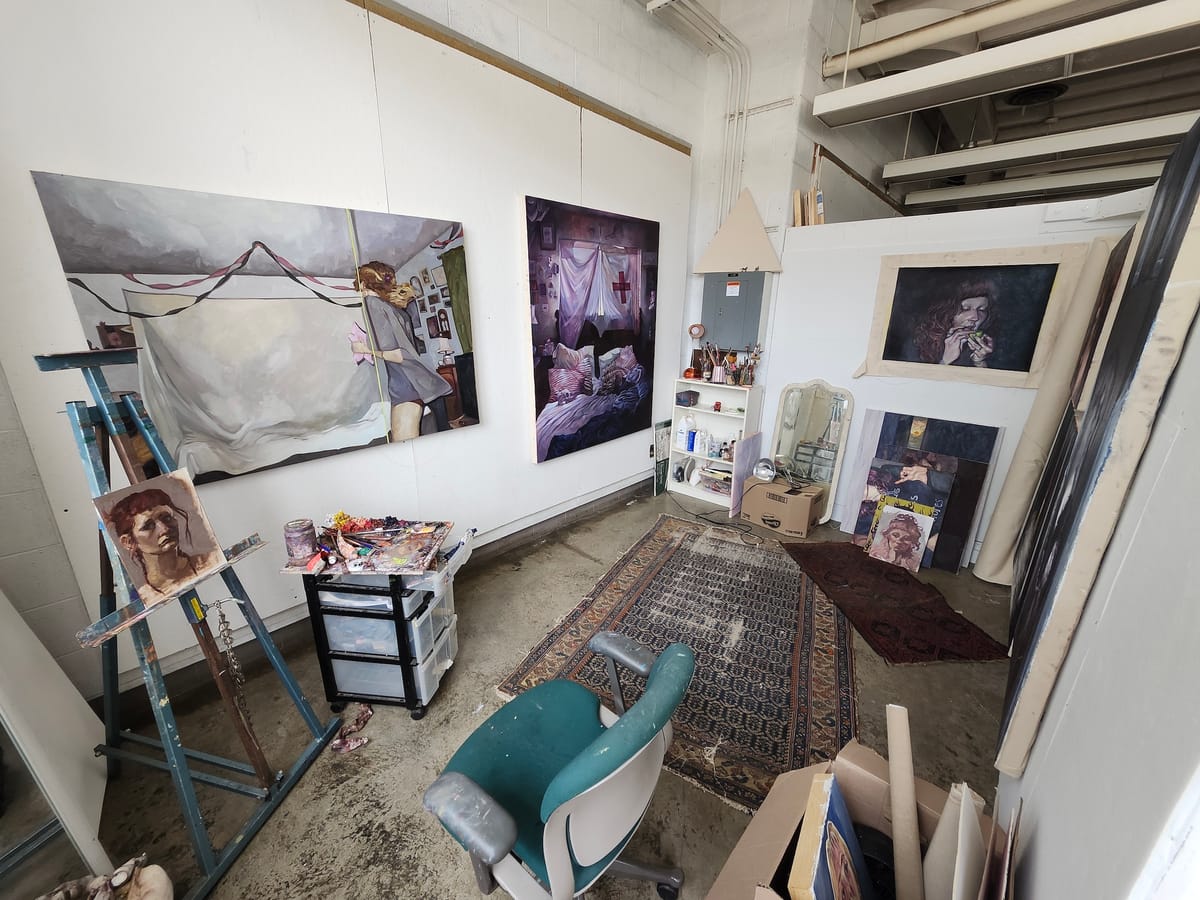
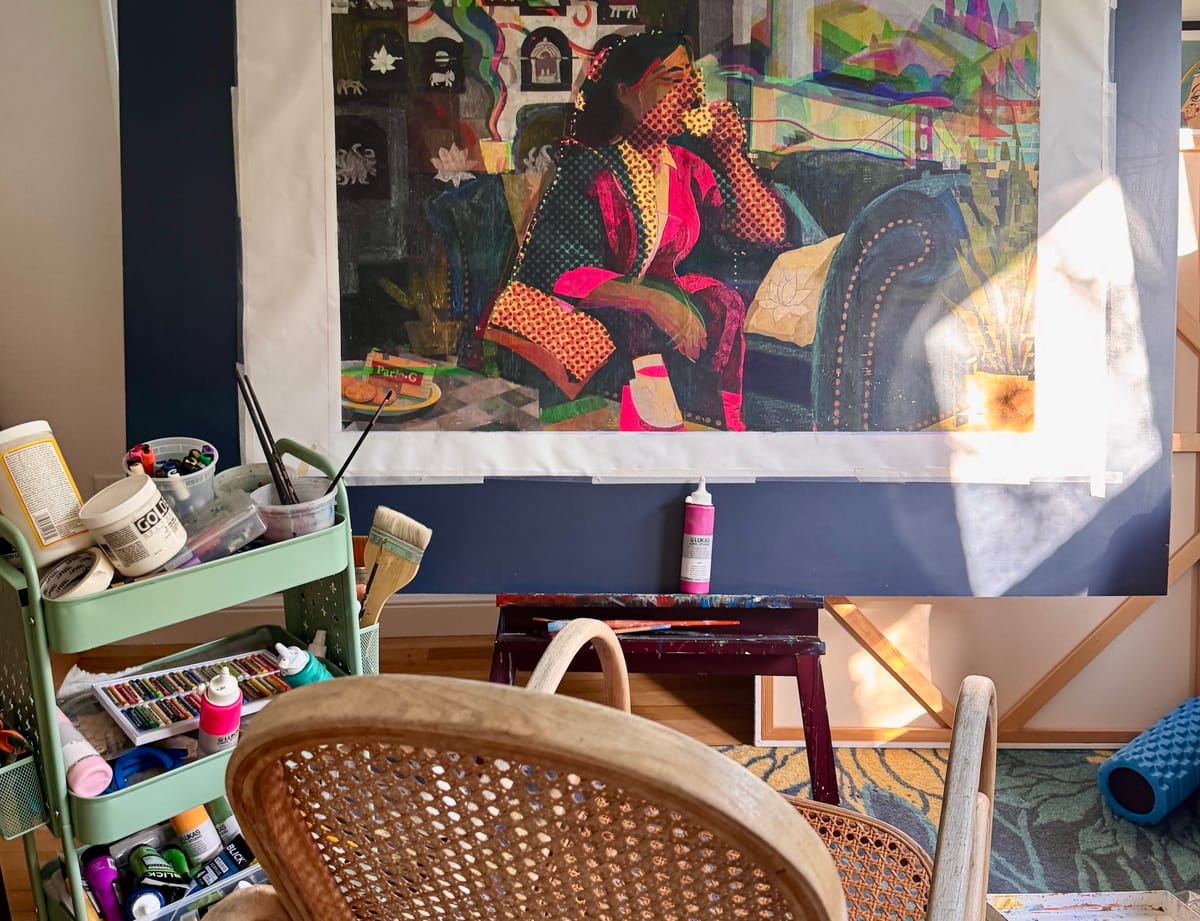
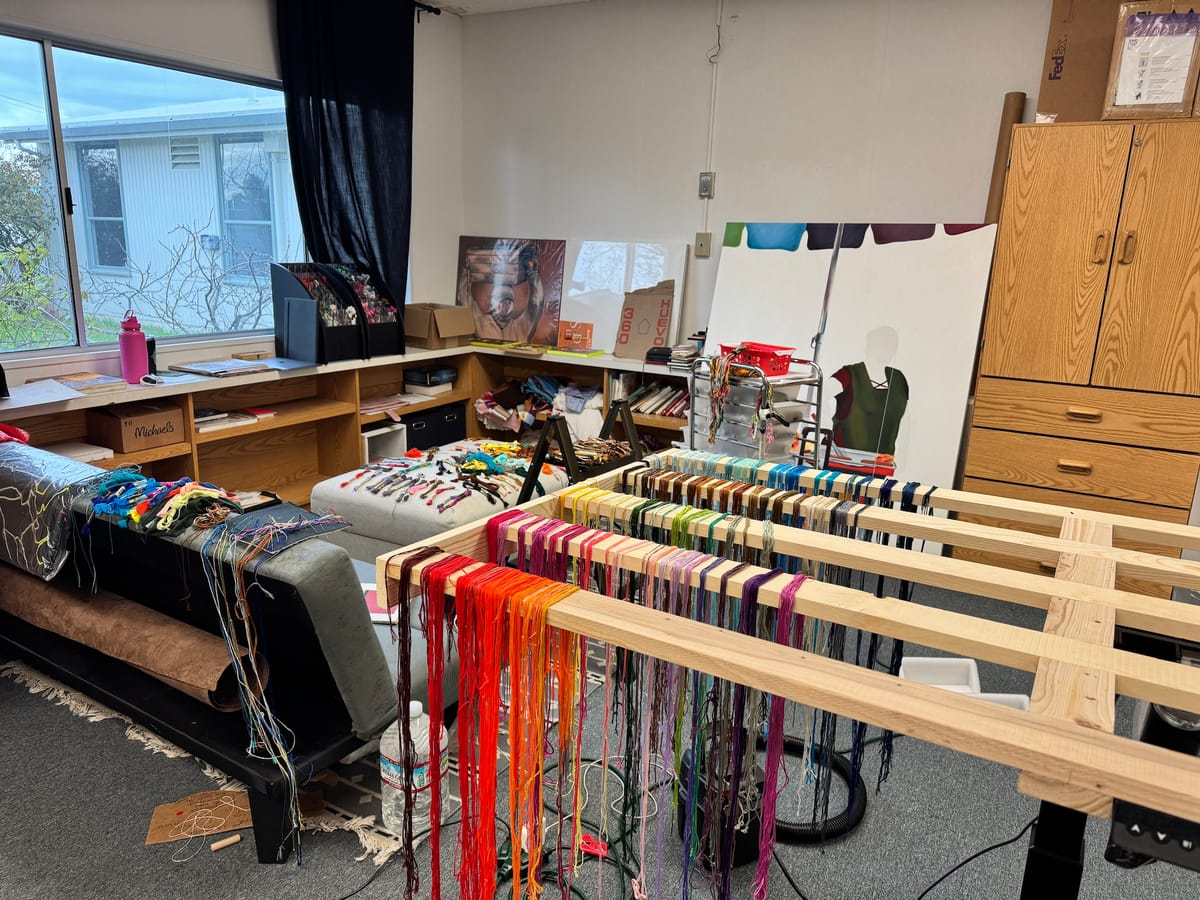
I work outside, carving and shaping the stone. Outside my house, I have a table, an extension cord, and tools. It's very cold and I have to wear all my winter clothes. When it's too cold, I do the filing and finishing work inside after I shape it outside. I listen to all kinds of music. I listen to Eminem all the time; his albums are all my favorites. For drawings, I work at Kinngait Studios or at home on my kitchen table.
Arts
fromJuxtapoz
2 months agoJuxtapoz Magazine - Left Open: Lily Taylor @ Monya Rowe Gallery, NYC
The paintings are charged with potential discomfort- from middle school angst to family dynamics. The work wrestles with the nebulous nature of memory and piecing together the past. Taylor embraces the power of sentimentality and nostalgia, but also confronts the complexity of misunderstood communication. Even shared experiences can be perceived vastly differently. By looking to the past we can begin to better understand ourselves, and those around us.
Arts
fromwww.amny.com
2 months agoDreams full of voltage: Karina Lumiere's abstract works electrify the art scene amNewYork
Karina Lumiere paints like someone who trusts color more than language. Her work does not whisper its intentions. It glows, pulses, seduces. This is abstraction born not from theory, but from devotiondevotion to intuition, to sensation, to the unapologetic power of hue as an emotional instrument. Her path to abstract expressionism was never academic. It unfolded in solitude, shaped by meditation and spiritual practice, where listening became more important than learning and presence eclipsed instruction.
Arts
fromHyperallergic
1 month agoRaw Material: The Art and Life of Susan Kleckner
Raw Material: The Art and Life of Susan Kleckner, on view at Haverford College's Cantor Fitzgerald Gallery through April 5, 2026, is the first comprehensive retrospective of the pioneering feminist artist, filmmaker, photographer, and performance artist. Bringing together nearly 100 works, many never before publicly exhibited, the exhibition seeks to reposition Kleckner as a foundational figure in feminist, queer, and activist art histories.
Arts
Arts
fromJuxtapoz
1 month agoJuxtapoz Magazine - "Always Never": a Solo Exhibition by Linda Geary @ pt.2 Gallery, Oakland
Linda Geary's paintings layer acrylic and oil through wiping, washing, and translucent applications to create ghosting effects where shapes hover between emergence and disappearance while maintaining structural tension.
[ Load more ]