Public health
fromwww.dw.com
1 day agoWHO approves first Malaria drug for babies
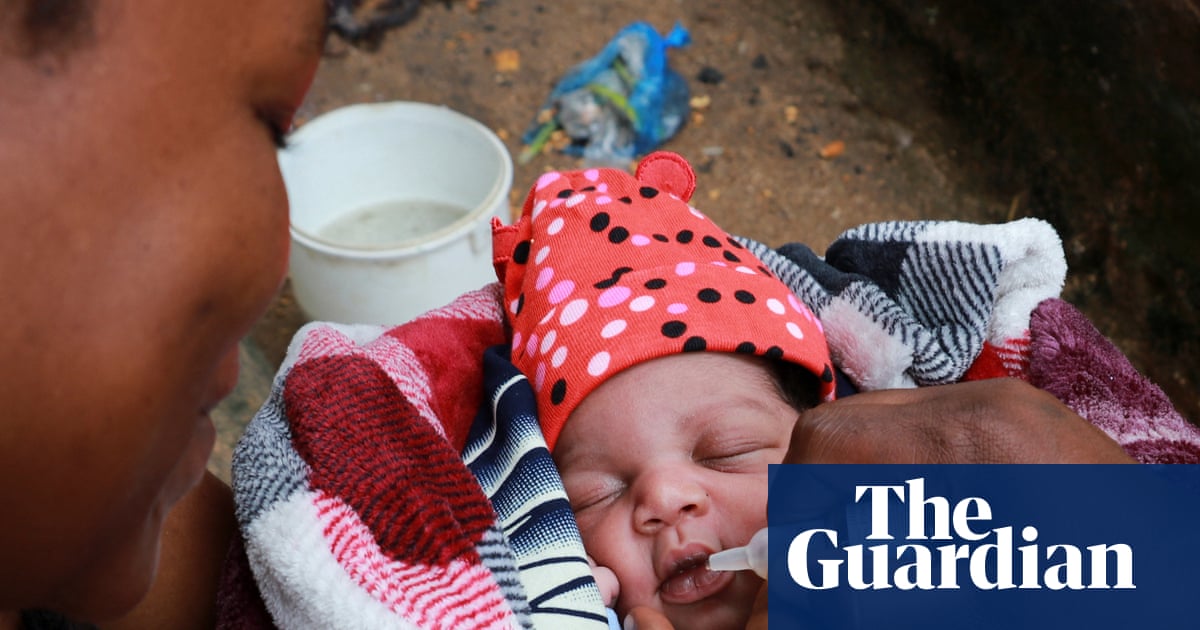
A new malaria drug specifically for infants offers hope to reduce deaths among children under five, who account for two-thirds of malaria fatalities.
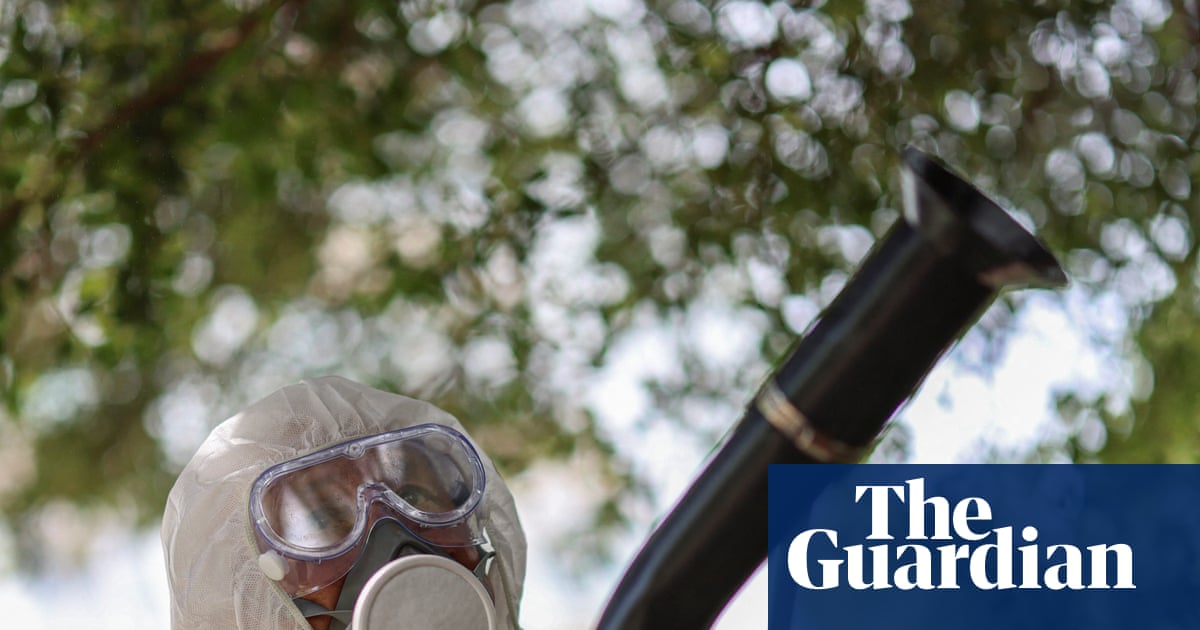
The freezer is filled with blue-lidded tubes of cows' blood, ready to be defrosted and used to feed the colony of mosquitoes. Nombuso Princess Bhembe tends the mosquitoes at Eswatini's national insectary, part of the southern African country's push to eliminate malaria.
On that sunny March morning, in a small health center in Lobamba, a rural area of Eswatini, this 32-year-old sex worker has just become one of the first people in the world to receive lenacapavir, a drug that, administered twice a year, offers nearly 100% protection against HIV.
Kelly Chibale describes the drug discovery process as a fairy-tale quest, stating, 'It doesn't mean that there aren't surprises or miracles. They do happen, but you have to kiss many frogs before you meet the prince.' This metaphor illustrates the challenges and unpredictability in finding effective medicines.
In a study published in Science Advances, researchers in China fed Aedes aegypti mosquitoes blood that contained either a vaccine against Nipah virus or the rabies virus. The viruses, contained in the vaccines, replicated inside the insects and reached their salivary glands, allowing them to pass on the vaccine when feeding on bats or when the bats ate the insects.
Temperature and rainfall influence where malaria-carrying mosquitoes such as Anopheles species can survive and how well malaria parasites, such as Plasmodium falciparum, develop in them. Past predictions have been inconsistent and have often focused on where malaria might spread, rather than on how severely it could intensify where it already exists.
Hawaii is the hot spot for rat lungworm disease in the U.S., with more than 80 cases that were laboratory-confirmed from 2016 to 2026. Still, it's considered a highly underdiagnosed disease. The largest number of rat lungworm cases occur on the island of Hawaii.
There is little doubt that this is what African countries need if they are serious about universal health coverage - ensuring that every member of their populations has access to this fundamental human right. But such an approach has never been implemented in Africa. Some of the reasons for this are outlined in a report on health financing by the Africa Centres for Disease Control and Prevention (Africa CDC), the continent's public-health agency based in Addis Ababa, published last week (see go.nature.com/3o9wxfc).
For the first time, cameras in Africa captured a 'dynamic network' of wildlife interacting with thousands of infected bats believed to be carrying the Marburg virus, which is a rare but extremely dangerous disease that belongs to the same family as Ebola. The new videos revealed at least 14 different types of animals, including leopards, hyenas, monkeys, birds and rats, actively hunting herds of Egyptian fruit bats.
The 6-foot-7 inch Foege literally stood out in the field of public health. A whip-smart medical doctor with a calm demeanor, he had a canny knack for beating back infectious diseases. He was director of the U.S. Centers for Disease Control and Prevention in the late 1970s and early 1980s, and later held other key leadership roles in campaigns against international health problems.



.jpeg?trim=0,0,0,0&width=1200&height=800&crop=1200:800)