Software development
fromDancohen
3 months agoThe Role of a New Machine
A team of engineers at Data General worked tirelessly to develop the Eclipse MV/8000 minicomputer, marking a significant advancement in computing technology.
The defense sector generated around 2.1 billion ($2.4 billion) in revenue last year, according to Jose Neves of the industry association, AED Cluster Portugal, which involves more than 160 Portuguese organizations working in aeronautics, space and defense.
The demand for faster information has driven an evolution in consumer behavior. Buyers are researching multiple communities and submitting inquiries to several builders in rapid succession.
Chinese stocks have spent the last five years really testing the patience of even the most hardcore contrarians. Between the property sector struggles, the crackdown on tech platforms, and the constant friction over chip exports and tariffs, valuations have been pushed down across the board.
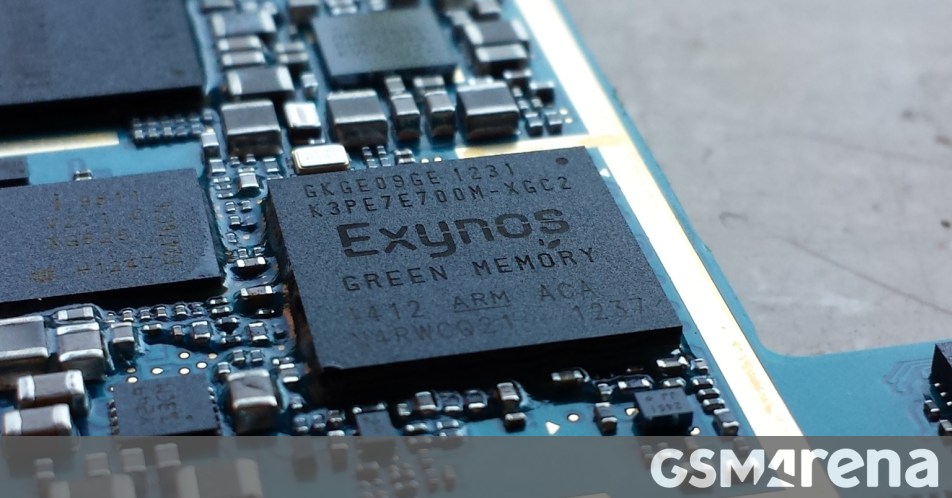
SK Hynix has reportedly broken ground on a new advanced memory packaging facility in West Lafayette, Indiana, that should boost the supply of US-made high-bandwidth memory (HBM), a key component in high-end AI accelerators from the likes of Nvidia and AMD.
Tim Cook's decision to shift production to China was a radical move that transformed Apple into one of the world's most valuable companies. By leveraging China's manufacturing capabilities, Cook not only reduced costs but also increased efficiency, allowing Apple to scale operations rapidly. The partnership with Foxconn was particularly crucial, as it enabled the production of iconic products like the iPhone, marking a significant turning point in Apple's history.
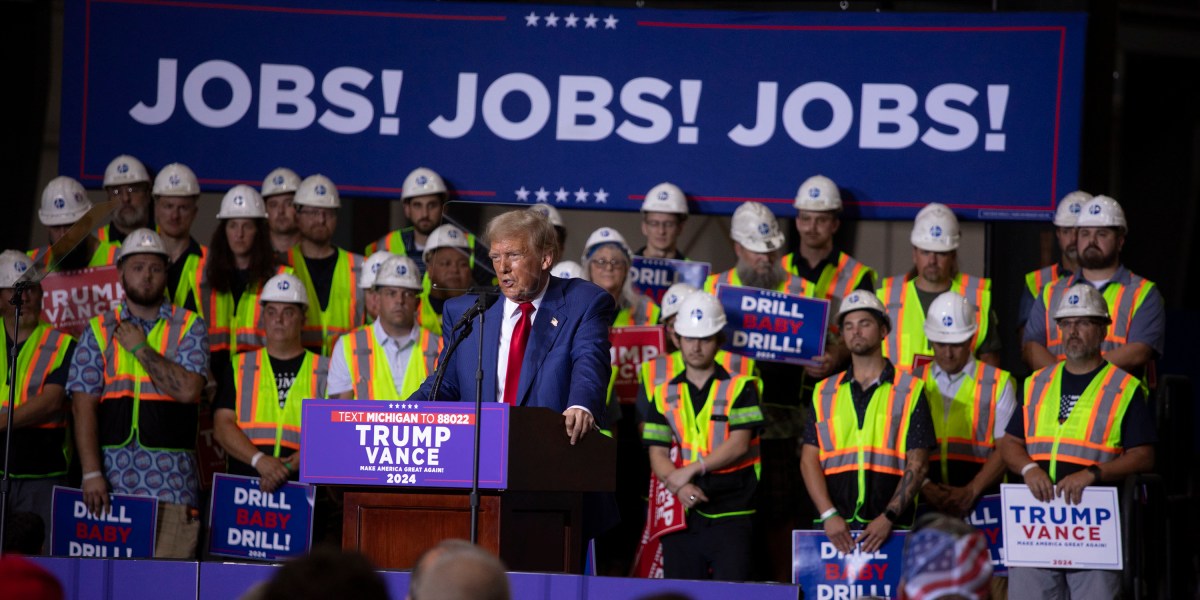
While it's appropriate to lament the lack of bipartisan cooperation in Washington, just because something's bipartisan doesn't mean it's a good idea. Exhibit A could be Senator Tammy Baldwin (D-WI) and Senator J.D. Vance's (R-OH) "Invent It Here, Make It Here" bill. Despite the name and its good intentions, it condemns promising federally funded inventions to waste away without doing a thing to build our domestic manufacturing base. It's scheduled to be considered this Thursday in the Senate Commerce, Science and Transportation Committee.
Given the daunting nature of the challenges they face in the era of Donald Trump, it is perhaps understandable that European politicians should wish to get away from it all. This week, in what is being billed as a leaders' retreat, a remote castle in the Belgian countryside has been selected for an EU summit on competitiveness. The pastoral setting may soothe the spirits of attending heads of state; but it belies the urgency of the debate they need to have.
The IAA covers several key sectors, including steel, cement, aluminum, cars and innovative technologies, such as batteries, solar, wind and nuclear. The new rules would set a minimum requirement for projects using public funds. For example, aluminum sector projects would require 25% of the aluminum to be produced in the EU and with low-carbon technologies. For cement, the equivalent rate would be 5%.
Instead of paralyzing China's AI sector, these controls have promoted domestic self-reliance. With no choice but to develop indigenous workarounds and architectural innovations, Chinese businesses are decoupling AI progress from sheer hardware volume. U.S. policies have undoubtedly bought time, but they have also ushered in a parallel innovation ecosystem totally independent of Western influence.