#medical-opposition
#medical-opposition
[ follow ]
#healthcare #lgbtq #patient-safety #gender-affirming-care #healthcare-costs #healthcare-policy #legislation #nhs


#nhs


UK politics
fromwww.theguardian.com
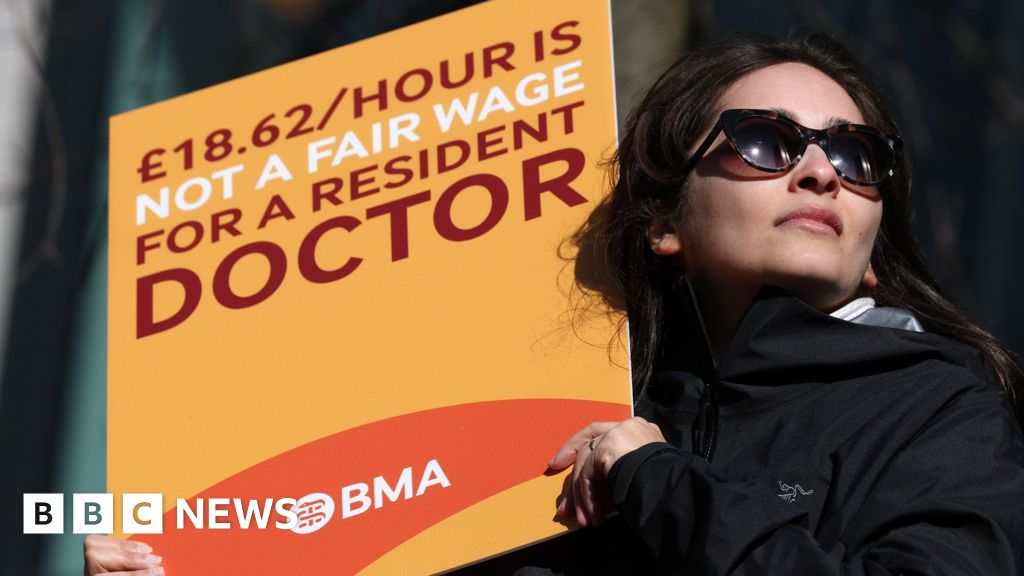
4 days agoBoth doctors and the government are handling this strike badly that's why there is no end in sight | Polly Toynbee
Resident doctors in England are striking again, seeking a pay restoration to 2008 levels, despite previous negotiations and significant pay increases.
Non-profit organizations
from24/7 Wall St.
4 days agoWhy Nurses at Non-Profit Hospitals Are Maxing Two Retirement Accounts While Most Workers Can Only Max One
Nurses at non-profit hospitals can contribute to both a 403(b) and a 457(b), maximizing their retirement savings compared to for-profit hospital employees.






Law
fromAbove the Law
23 hours agoLegal Ethics Roundup: Billing 34.5 Hours In A Day, New ABA Recusal Opinion, Shortcomings In SCOTUS Ethics Rules, Pro Se AI Sanctions, Extra Time For Bar Exam, Purging Immigration Judges & More - Above the Law
Lawyers must disclose information that could lead to a judge's disqualification, balancing this with client confidentiality obligations.
#lgbtq


LGBT
fromLGBTQ Nation
3 weeks agoJudges advance LGBTQ+ rights in two major decisions while Dr. Oz was busted pressuring doctors - LGBTQ Nation
A judge blocked rules that would have restricted Medicare and Medicaid funding for gender-affirming care for trans minors, ensuring access remains safe for now.




US news
fromThe Washington Post
3 weeks agoCompany admits it diverted private patient records to law firms
GuardDog Telehealth illegally accessed and sold patient medical records from multiple health systems to law firms without patient consent, representing the first settlement in Epic Systems' lawsuit against companies engaged in this practice.

Intellectual property law
fromIPWatchdog.com | Patents & Intellectual Property Law
2 weeks agoU.S. Government Says SCOTUS Should Skip Pharma Companies' Challenge to Medicare Negotiation Program
The Medicare Drug Price Negotiation Program does not constitute a physical taking under the Takings Clause, allowing companies to retain property rights.
fromPsychology Today
1 day agoHow Community-Based Healthcare Builds Engagement
Most people leave doctor visits with prescriptions, but still feel unsure—instructions make sense, but no one asks about their life. In contrast, when a provider knows your name, remembers your story, and explains care in a way that fits you, the experience feels different—and that difference matters.
Healthcare
fromwww.bbc.com
1 month agoPolice probe breast cancer treatment allegations
A report last year found unnecessary surgeries were carried out, cancers were missed and poor standards of care were delivered at the University Hospital of North Durham and Darlington Memorial Hospital. CDDTF said it wanted to support the patients it had let down, including by offering access to psychological support, and to ensure they knew how to make a claim or raise concerns with police.
Cancer
Brooklyn
fromBrooklyn Paper
1 month agoOp-Ed | The Brooklyn Hospital Center is abandoning nurses and patients * Brooklyn Paper
Nurses at The Brooklyn Hospital Center have lost health coverage for 40 days after management refused to contribute to health funds despite a signed contract, while executive leadership remains unaffected.
NYC LGBT
fromHoodline
1 month agoNew York City Law Requires Hospitals To Post Trans Patient Rights
New York City's Local Law 126 requires hospitals to display signs informing transgender patients of their rights, including being addressed by preferred names and pronouns, and to publish lists of gender-affirming services.
Healthcare
fromLondon Business News | Londonlovesbusiness.com
4 days agoBest medical insurance plans for Indian families: How real claim experiences shape smarter policy decisions - London Business News | Londonlovesbusiness.com
Choosing medical insurance should prioritize claim management over premiums and sum insured.
#medicaid

Healthcare
fromFortune
4 days ago'It's really slapdash': Trump administration coughs up to egregious errors to justify New York health fraud probe | Fortune
The Trump administration admitted to a significant error in Medicaid fraud probe figures, undermining its anti-fraud campaign in Democratic states.
fromFortune
1 month agoTrump promised lower drug prices. Here's how Congress virtually guaranteed the opposite | Fortune
Pharmacy benefit managers (PBMs) are opaque intermediaries-and they are unpopular with figures including Mark Cuban, who told Fortune that the way they bargain over drug prices is absurd, something that would never happen at the very same pharmacies buying a package of Pringles potato-chip products.
US politics
fromwww.npr.org
2 months agoHospitals are posting prices for patients. It's mostly industry using the data
The idea echoes a policy implemented during his first term, when Trump suggested that requiring hospitals to post their charges online could ease one of the most common gripes about the health care system the lack of upfront prices. To anyone who's gotten a bill three months after treatment only to find mysterious charges, the idea seemed intuitive. "You're able to go online and compare all of the hospitals and the doctors and the prices,"
US news


fromwww.theguardian.com
2 months agoAssisted dying backers accused of bullying over threat to bypass Lords
Leadbeater said MPs were angry that a small handful of peers could talk out a bill that had been backed by a majority in the Commons. I think the government should listen to that. I think they've got a duty to listen to that, she said. I worry about the reputation of the House of Lords, who nobody elected. And they should not have the power to try and block something that has been voted for by people who were democratically elected, she said.
UK politics
fromLGBTQ Nation
2 months agoPlastic surgeon association defies other medical associations by opposing trans health care - LGBTQ Nation
Administration health officials praised a statement released Tuesday by the American Society of Plastic Surgeons (ASPS) that advises against conducting "gender-related breast/chest, genital, and facial surgery" on people under the age of 19, even though such procedures are rarely conducted on minors. The ASPS based its statement on two recent reports from the U.K. and the U.S. that were widely criticized by transgender healthcare advocates as being biased.
LGBT
Healthcare
fromMedCity News
1 month agoIt Took Years for Congress to Enact PBM Transparency, Delinking. What About Vertical Integration? - MedCity News
Congress passed initial PBM reforms in February 2026, but advocates seek stronger action against vertical integration between PBMs, insurers, and pharmacies through proposed legislation like the Break Up Big Medicine bill.
Healthcare
fromGothamist
1 month agoAnthem Blue Cross Blue Shield, Mt. Sinai doctors clash: 'It's always about money.'
A contract dispute between Anthem Blue Cross Blue Shield and Mount Sinai in New York City left patients unable to access in-network care, forcing them to pay higher costs or seek alternative providers.
Healthcare
fromwww.npr.org
1 month agoCan't get a prescription renewed? Here's how to cope with prior authorizations
Insurance prior authorization requirements expire even for patients already taking prescribed medications, forcing repeated approval processes and potentially interrupting effective treatments.
[ Load more ]