Medicine
fromwww.theguardian.com
1 day agoGut microbiome can reveal risk of Parkinson's, scientists say
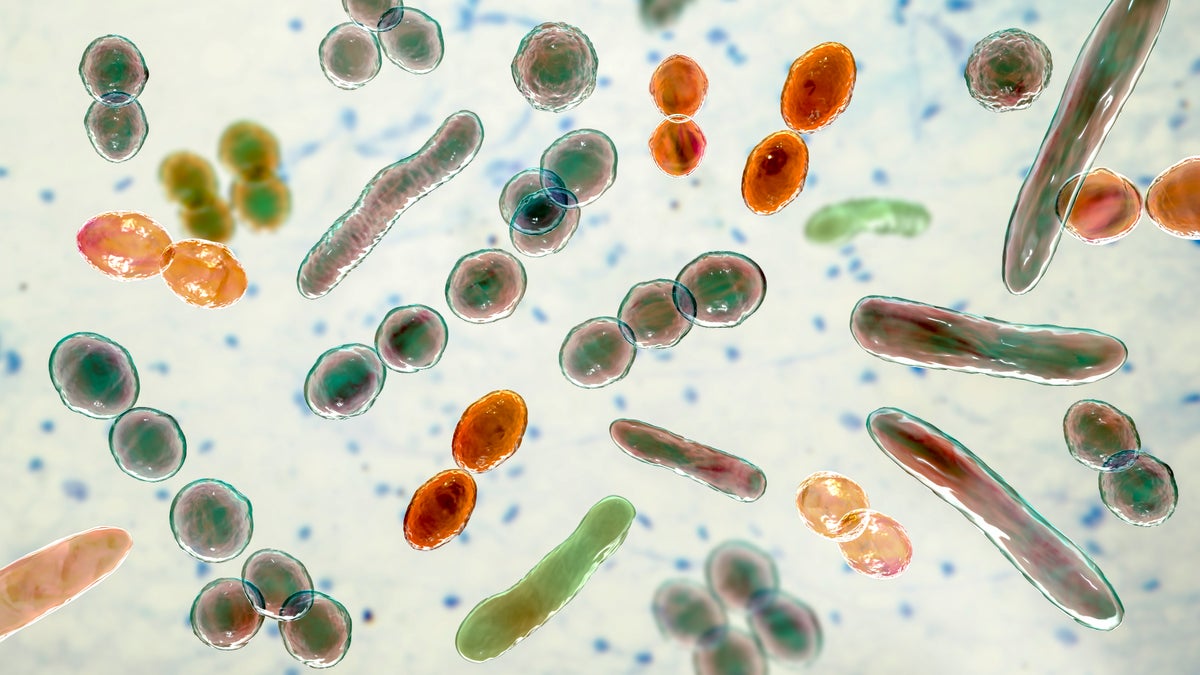
Changes in gut microbiome can identify individuals at risk of Parkinson's disease before symptoms appear.
Research increasingly demonstrates that healthy nutrition improves mental health, and an entirely new subspecialty has formed to support this. Nutritional psychiatry is expanding rapidly, with research growing 15-fold from 2000 to 2024, reflecting the increasing acceptance of diet's role in mental health.
Young, two-month-old lab mice housed with older, 18-month-old mice showed really impaired cognition. Researchers exposed young mice raised in a sterile, microbe-free environment to gut bacteria from old mice, causing the younger animals to perform worse on cognitive tests, as if they had prematurely aged, just like the cohoused mice.
Climate breakdown is occurring more rapidly with the heating rate almost doubling, according to research that excludes the effect of natural factors behind the latest scorching temperatures. It found global heating accelerated from a steady rate of less than 0.2C per decade between 1970 and 2015 to about 0.35C per decade over the past 10 years.
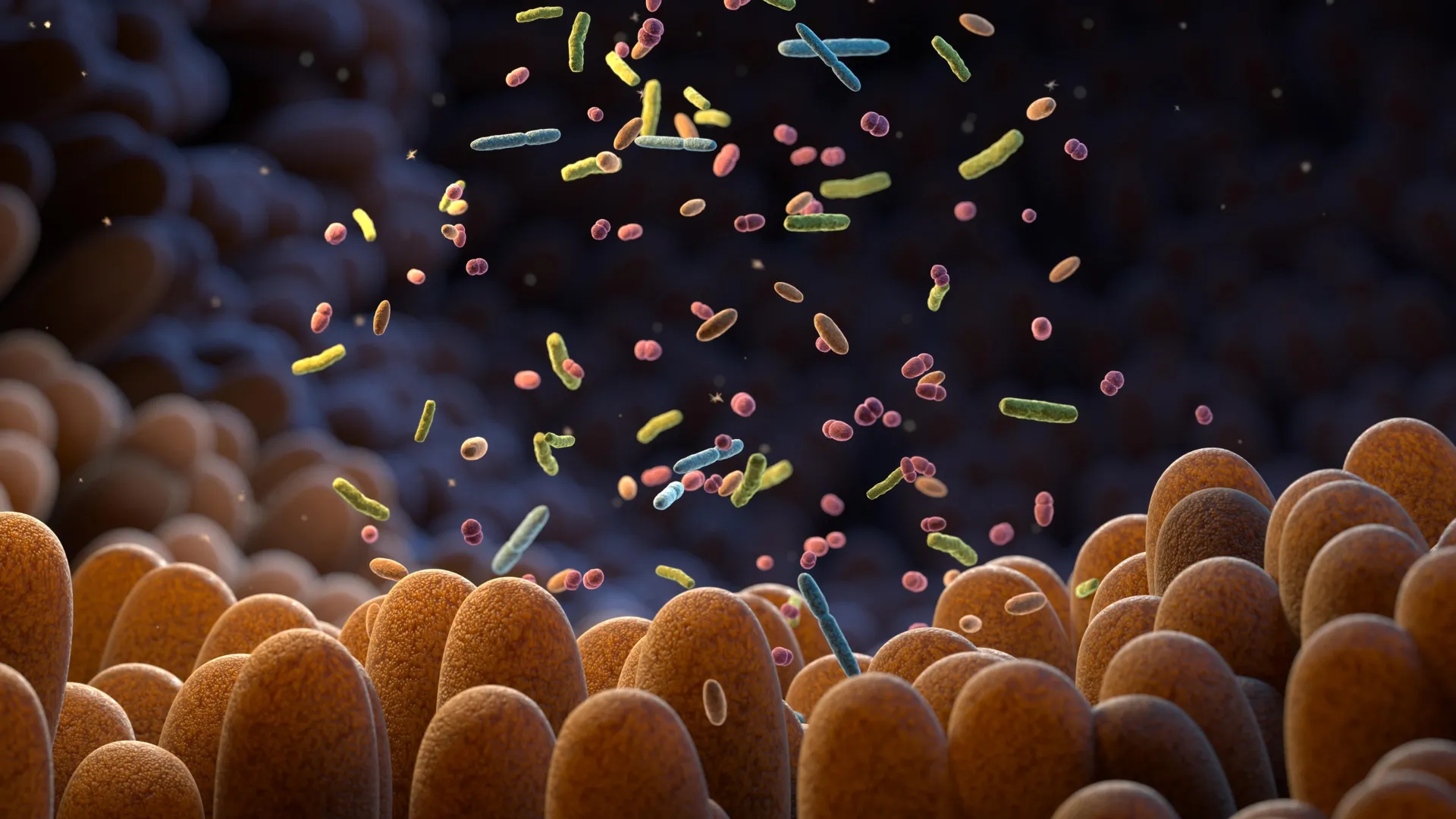
There are some communities that are very unhealthy where the diversity is higher. Low diversity is not a universal marker. We found something that at first seemed surprising. That a healthy microbiome has lots of competition. These bugs are all going after the same food. In an unhealthy gut, on the other hand, you see tight cooperation - microorganisms are helping each other out.
When British author Karen Armstrong won the TED prize in 2008, she used the money to convene a group of religious thinkers from a wide range of faiths to craft an updated version of the Golden Rule for the 21st century. What emerged was the Charter for Compassion, which calls on people around the world "to work tirelessly to alleviate the suffering of our fellow creatures, to dethrone ourselves from the center of our world and put another there, and to honor the inviolable sanctity of every single human being, treating everybody, without exception, with absolute justice, equity and respect."
Gut bacteria are crucial to ensuring healthy digestion and defecation. But two species of bacteria may also be the cause of constipation: according to a new study, Bacteroides thetaiotaomicron and Akkermansia muciniphila appear to work in concert to break down colonic mucin, the slimy coating in our colons that keeps our poo moving along. Too little mucin means a drier and more constipation-prone colon.
Everything on my Instagram feed at the moment is about worms and parasites, she told the Wall Street Journal, ominously adding: I don't know what the heck is going to come out. Maybe your social media feeds aren't full of posts about worms and parasites, in which case, congratulations. But type parasite cleanse into TikTok or Instagram and you'll be inundated with so-called experts peddling expensive herbal supplements that promise to detox the body and rid it of harmful worms and parasites.
The article from the journal argues that the gut-autism axis is a house of cards built on lousy studies with inconsistent data. They assert that the studies are contradictory and that too much emphasis is placed on dubious mouse models. It is notoriously challenging to nail down microbial causes of disease—it is hard enough to simply identify a normal microbiome.
Mold is a perennial scourge in museums that can disfigure and destroy art and artifacts. To keep this microbial foe in check, institutions follow protocols designed to deter the familiar fungi that thrive in humid settings. But it seems a new front has opened in this long-standing battle. I'd recently heard rumblings that curators in my then home base of Denmark have been wrestling with perplexing infestations that seem to defy the normal rules of engagement.
He wasn't crazy. His body had literally turned into a brewery. Cases like this have been mere medical anecdotes for decades, but they have just received the most solid scientific validation yet. A study published in Nature Microbiology, conducted by researchers at the University of California (UC) San Diego and Massachusetts General Hospital, has finally identified what happens inside the gut of these patients. More importantly, it has found a treatment that works: a stool transplant.
It's a plant! It's a fungus! It's... an entirely new type of lifeform hitherto unknown to science? That appears to be the case for a puzzling, spire-shaped organism that lived over 400 million years ago, according to a new study published in the journal Science Advances. After analyzing its internal structures, the authors argue that the mystifying ancient beings known as prototaxites don't belong to any of the existing biological kingdoms.
Microplastics are pervasive, found everywhere on Earth, from the Sahara Desert to patches of Arctic sea ice. Yet despite these plastic particles' ubiquity, scientists have struggled to determine exactly how many of them are in our atmosphere. Now a new estimate published in Nature suggests that land sources release about 600 quadrillion (600,000,000,000,000,000) microplastic particles into the atmosphere every year, about 20 times more than the number of particles contributed by oceans (about 26 quadrillion).