#military-competitions
#military-competitions
[ follow ]
Russo-Ukrainian War
fromwww.businessinsider.com
12 hours agoUkraine's Patriot crews are breaking from the norm, fighting Russian threats with fewer missiles
Ukrainian soldiers are using fewer Patriot interceptors against Russian missiles due to strained stockpiles, launching only one per threat instead of the standard two to four.

Europe news
fromwww.businessinsider.com
22 hours agoThe West is preparing for cheap drone attacks, but many businesses and civilians can only watch, not stop them
Civilian and corporate organizations struggle to counter small drone threats due to legal restrictions, leading to increased demand for drone detection devices.
fromwww.mediaite.com
4 days agoWeird Obsession With Death': Current and Former Defense Officials Sound the Alarm on Hegseth
Retired Army Special Forces officer Mike Nelson criticized Hegseth's rhetoric, stating, 'That's a necessary end to achieve goals through military force - you have to kill people to achieve them. That's not the end. It's a weird obsession with death for the sake of it.'
Right-wing politics
from24/7 Wall St.
5 days agoThe 3 Numbers You Need to Know About the Economics of War
The economics are hard to ignore. Shooting down a drone with AeroVironment's LOCUST laser system costs less than $10, using just two to five seconds of laser energy. Compare that to the interceptor missiles currently used against Iranian drone swarms, which cost orders of magnitude more and are in short supply across allied arsenals.
Venture
#ukraine
Russo-Ukrainian War
fromwww.businessinsider.com
14 hours agoUkraine said it captured a Russian position using only ground robots and drones, no infantry, for the first time
Ukraine captured a Russian position using only drones and ground robots, marking a significant technological advancement in warfare.
Russo-Ukrainian War
fromFortune
4 days agoUkraine will have the most important defense industrial base in the free world, former CIA chief predicts | Fortune
Ukraine is emerging as a leading military industrial complex, producing advanced unmanned systems and reinforcing its role as the arsenal of democracy.
fromwww.businessinsider.com
6 days agoRusso-Ukrainian War
Ukraine says it replaced human soldiers with 'ground robots' in over 21,000 missions for Q1
Ukraine's use of uncrewed ground vehicles has significantly increased, with missions tripling in five months and over 21,500 missions in the first quarter.
Russo-Ukrainian War
fromwww.businessinsider.com
14 hours agoUkraine said it captured a Russian position using only ground robots and drones, no infantry, for the first time
Ukraine captured a Russian position using only drones and ground robots, marking a significant technological advancement in warfare.
Russo-Ukrainian War
fromwww.businessinsider.com
14 hours agoUkraine is slowing Russia down and clawing back ground in key areas, war experts say. Here's how it's finding fresh wins.
Ukrainian forces are slowing Russia's advance and achieving significant territorial gains, marking a notable shift in the conflict.
Russo-Ukrainian War
fromFortune
4 days agoUkraine will have the most important defense industrial base in the free world, former CIA chief predicts | Fortune
Ukraine is emerging as a leading military industrial complex, producing advanced unmanned systems and reinforcing its role as the arsenal of democracy.
Russo-Ukrainian War
fromwww.businessinsider.com
6 days agoUkraine says it replaced human soldiers with 'ground robots' in over 21,000 missions for Q1
Ukraine's use of uncrewed ground vehicles has significantly increased, with missions tripling in five months and over 21,500 missions in the first quarter.

fromwww.theguardian.com
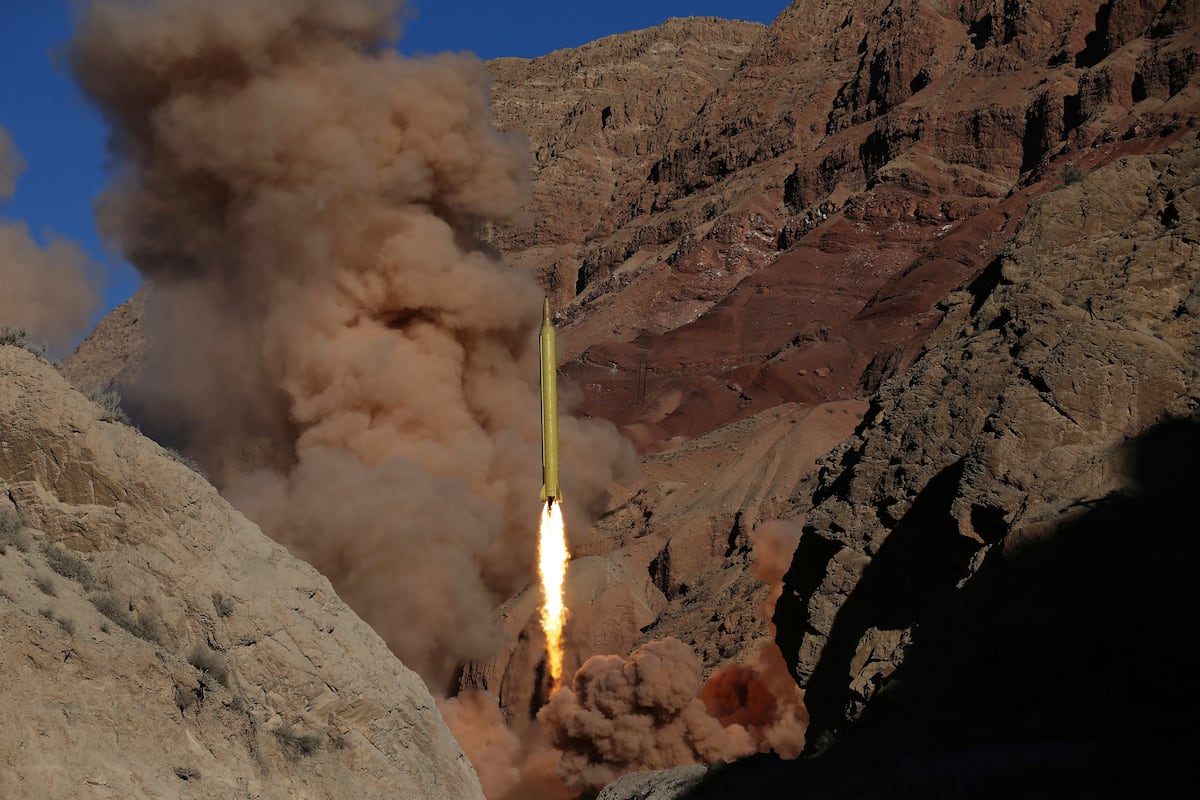
2 weeks agoThe delusion of easy victory from the air may have seduced the US into another war
Giulio Douhet proposed a revolution in warfare, stating that victory would come from large-scale aerial bombardments targeting civilians and infrastructure rather than just combatants.
Right-wing politics
History
from24/7 Wall St.
1 month ago25 Weapons That Changed Warfare Over the Last Century
Technological breakthroughs over the last century transformed warfare by introducing tanks, missiles, stealth aircraft, and precision-guided weapons that forced armies to continuously adapt tactics and reshape military doctrine globally.
fromInfoWorld
2 months agoStop treating force multiplication as a side gig. Make it intentional
Lead without authority. You may not have direct reports, yet you shape architecture, quality and the roadmap. Your leverage comes from artifacts, reviews and clear standards, not from title.I started by publishing a lightweight architecture template and a rollout checklist that the team could copy. That reduced ambiguity during design and cut review cycles by nearly 30 percent
DevOps
fromBusiness Insider
2 months agoSnowmobiles, skis, and laser tag: How NATO soldiers train for Arctic assaults
The encounter took place during a recent winter combat exercise involving roughly 20 NATO troops, beginning with an assault on skis and snowmobiles before shifting into a simulated firefight using blanks and lasers instead of live ammo. The drill was part of a monthlong course led by Finland's Jaeger Brigade that trains allied forces in Arctic warfare and cold-weather survival. Business Insider observed the battle's start at a training site 75 miles north of the Arctic Circle in Finland's snow-blanketed Lapland region.
Miscellaneous
Russo-Ukrainian War
fromwww.businessinsider.com
3 weeks agoUkraine says its 'red' team forces beat NATO's 'blue' team forces in every combat scenario during recent naval drone drills
Ukrainian naval drones defeated NATO forces in a recent naval combat drill off Portugal, showcasing their strategic advantage in modern warfare.
fromBusiness Insider
1 month agoThere's a new US Army office 'getting in the dirt' with soldiers and trying to quickly turn their ideas into real battlefield tech
Number one is speed takes priority over perfection. We can iterate to get to operational capability. And the second is that early soldier feedback is critical in order to make sure we're getting the right technology for the future fight, and then we want to be able to prove the demand signal before we spend big dollars on programs.
US news
from24/7 Wall St.
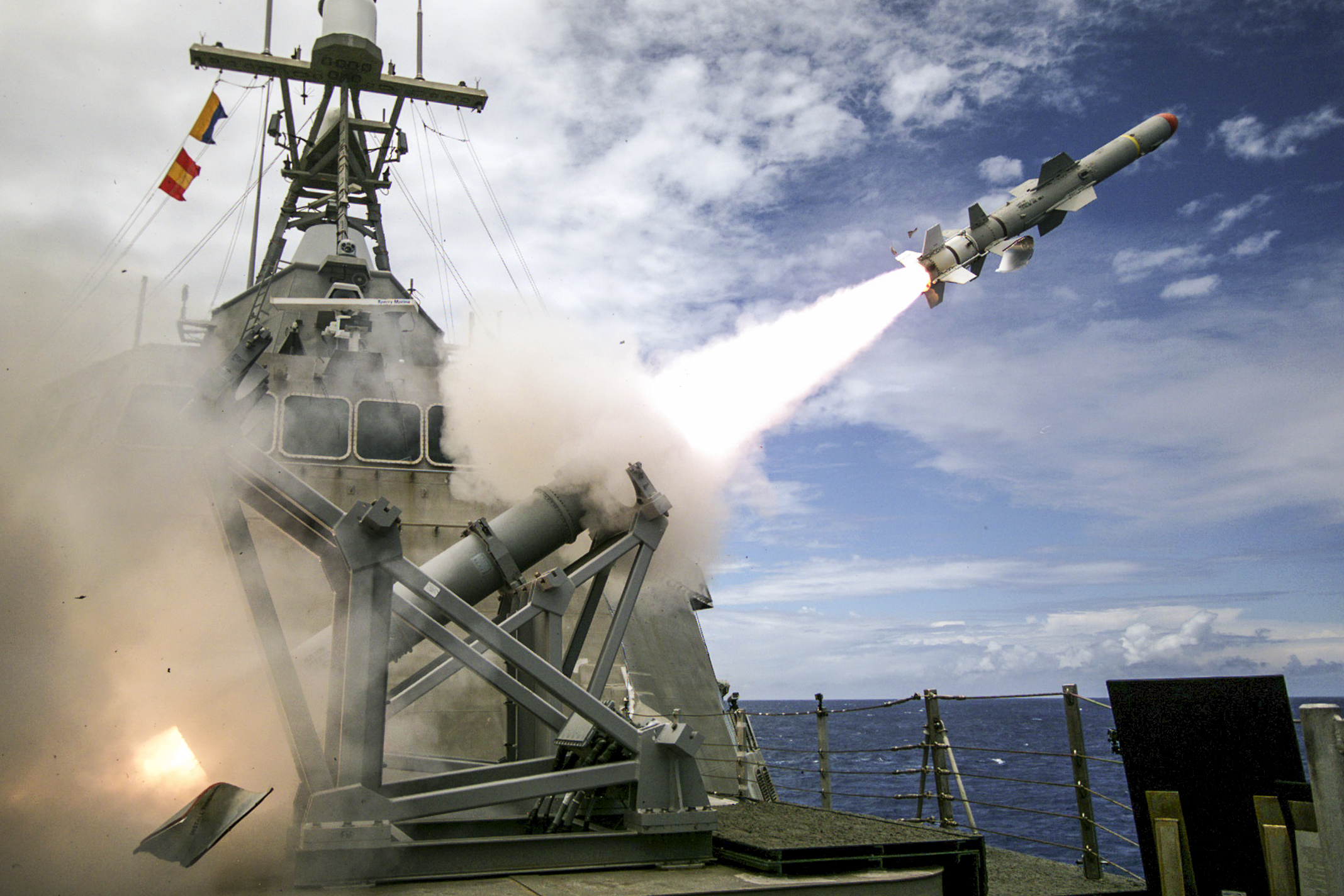
2 months agoMilitary Aircraft That Only Succeeded Because of Their Skilled Crews
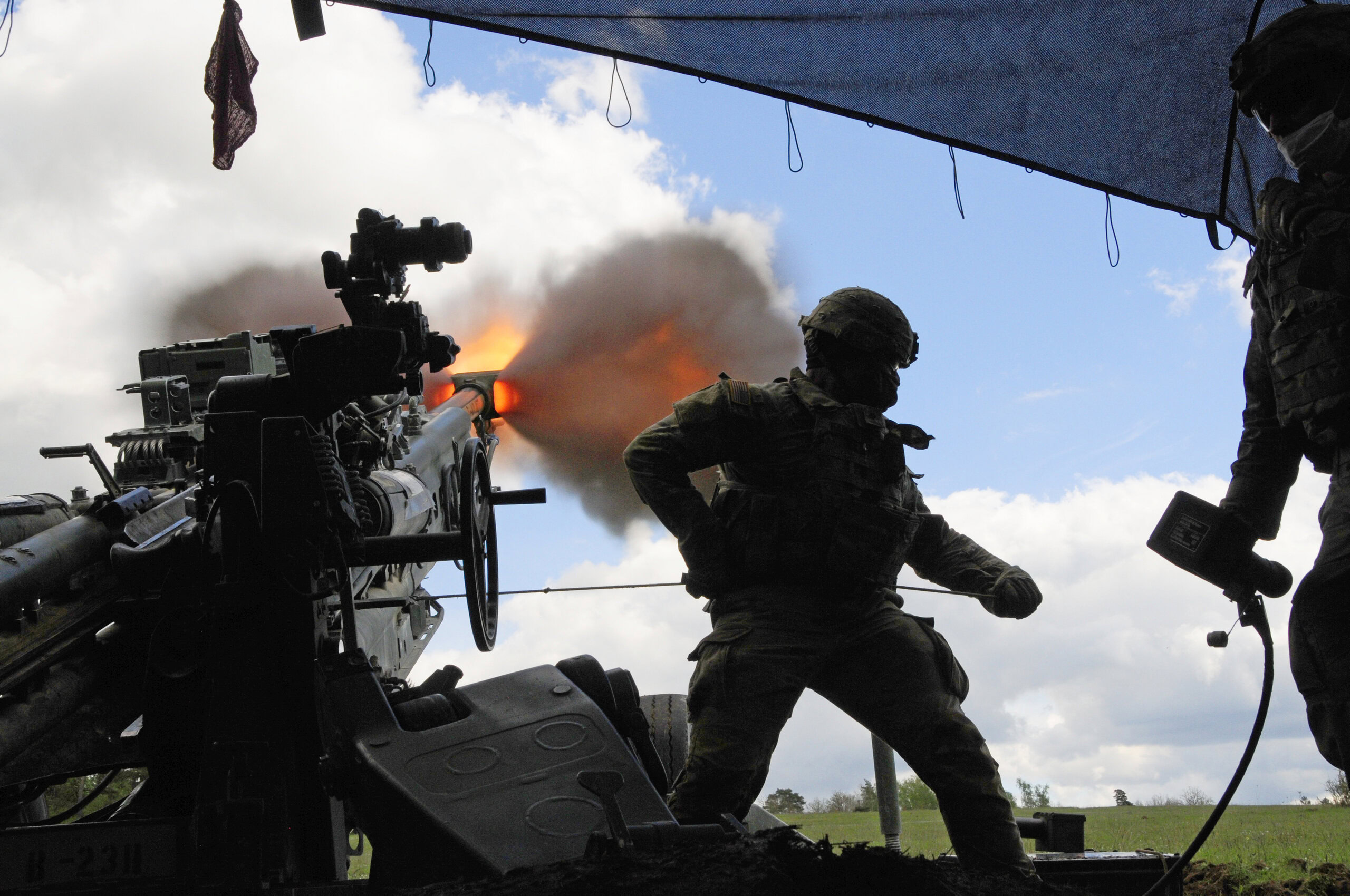
Some aircraft succeeded even though they made life harder for the people flying them. They demanded constant attention, punished mistakes, and left little margin for error. Instead of relying on forgiving design, these platforms forced crews to compensate through skill, planning, and coordination. Over time, combat proved that the human element was the decisive factor behind their success. Here, 24/7 Wall St. is taking a closer look at these aircraft that embodied the human factor.
History
World news
fromSlate Magazine
2 months agoNATO Is Doing Military Exercises-Without America. That Does Not Mean Anything Good.
Allied countries moved to reduce reliance on the United States in diplomacy, trade, military cooperation, and financial reserves, signaling a potential permanent transatlantic split.
Artificial intelligence
fromTheregister
1 month agoAIs are happy to launch nukes in simulated combat scenarios
Advanced AI models repeatedly escalated to nuclear warfare in crisis simulations, revealing they lack understanding of mutual destruction deterrence and engage in deceptive strategic behavior.
from24/7 Wall St.
2 months agoWeapons That Performed Well Except For Desert, Jungle, or Arctic Conditions
On paper, many of the world's most famous weapons looked like reliable successes. In practice, desert sand, jungle humidity, and arctic cold often had other ideas. Systems that performed well in testing or early combat sometimes broke down once environmental stress became unavoidable. Here, 24/7 Wall St. is taking a closer look at how the environment, not enemy fire, can quietly expose limits that designers never fully anticipated.
World news
fromBusiness Insider
1 month agoHow the US military Is preparing for a potential war with Iran
The US is mounting its largest military buildup in the Middle East since 2003. Here's a list of the weapons and hardware that it's sent to the region as the Trump administration pressures Iran to strike a deal that would limit its nuclear and military capabilities.At least a dozen warships collectively worth an estimated $50 billion have been deployed to the region.
World news
[ Load more ]