#minimal-footwear
#minimal-footwear
[ follow ]
#running-shoes #comfort #foot-health #walking-shoes #travel-shoes #arch-support #podiatry #cushioning #sneakers

fromArs Technica
1 day agoRobot runner handily beats humans in half-marathon, setting new record
The fastest robot from Chinese smartphone-maker Honor notched a winning time of 50 minutes and 26 seconds while autonomously navigating the 13-mile (21-kilometer) route, according to the Global Times.
Running
#travel-shoes
:max_bytes(150000):strip_icc()/tal-podiatrist-approved-shoe-deals-for-spring-tout-1e92fa8f295f49da8d0abb86e511e2f4.jpg)
:max_bytes(150000):strip_icc()/tal-versatile-podiatrist-approved-shoes-tout-07fb3cbbc47042a4852246576165e0fa.jpg)
:max_bytes(150000):strip_icc()/tl-amazon-roundup-podiatrist-approved-comfortable-shoes-tout-6c3a7f26dea84c8d848fefa3c7e03906.jpg)
fromTravel + Leisure
1 month agoFashion & style
A Podiatrist Told Me These Are the 12 Comfiest Sneakers on Amazon-From Hoka to Vionic, Starting at $47
Prioritize supportive, cushioned, and durable travel shoes tailored to foot type and conditions to enable comfortable long days of walking and faster recovery.
fromTravel + Leisure
1 month agoFashion & style
I Log 20,000 Steps a Day When I Travel-These Are the 10 Under-$100 Shoes I Trust Most, From $50
Comfortable travel shoes from brands like New Balance, Vionic, and Saucony prevent blisters and foot pain during extended walking trips, with multiple affordable options under $100 available from major retailers.
Fashion & style
fromTravel + Leisure
1 month agoAfter Months of Foot Pain, a Podiatrist Told Me These Are the Best Shoe Brands With Arch Support-From $27
Podiatrist-recommended travel shoe brands like Vionic, Brooks, Hoka, Asics, Naot, and Allswifit combine arch support with stylish designs for comfortable travel.
:max_bytes(150000):strip_icc()/tal-amazon-roundup-podiatrist-approved-comfortable-shoe-deals-tout-2546f617272741d28996b0e685341eab.jpg)
:max_bytes(150000):strip_icc()/tal-cross-retailer-comfy-shoes-roundup-tout-98ddf93d3f1146328b2b6c6e37166099.jpg)
UX design
fromYanko Design - Modern Industrial Design News
1 month agoThis Concept Shoe Looks Like a Sports Car Melted Onto Your Foot - Yanko Design
An Alfa Romeo-inspired concept shoe treats automotive design as structural principle rather than surface decoration, featuring a seamless white upper and sculptural red midsole with panel-gap detailing.

fromArs Technica
1 month agoThe physics of squeaking sneakers
Tuning frictional behavior on the fly has been a long-standing engineering dream. This new insight into how surface geometry governs slip pulses paves the way for tunable frictional metamaterials that can transition from low-friction to high-grip states on demand.
Science
fromwww.npr.org
2 months ago'E-bike for your feet': How bionic sneakers could change human mobility
The system, tested in prototype form by NPR at the company's headquarters, consists of fairly standard-looking sneakers with a carbon fiber plate running through the soles. These sneakers are attached at the back to close-fitting, 3D-printed titanium leg shells that cinch to the calves. The battery-powered contraptions, containing complex motors, sensors and circuitry, weigh a couple of pounds and look like something out of Terminator or RoboCop.
US news
fromNature
1 month agoThe surprising science of squeaky sneakers
Squeaking occurs across various contexts including shoes, bike brakes, rubber tires, and biomedical implants when soft and hard surfaces contact each other. Researchers used high-speed photography to study a rubber block sliding across hard acrylic to identify the source of these sounds. The investigation revealed that pulses similar to earthquake dynamics drive the squeaking phenomenon.
Science
fromWIRED
1 month agoNeed One Pair for Hiking, Traveling, and Working Out? Try Gravel Running Shoes
The gravel edition sticks with the same PEBA and EVA hybrid midsole with a transition-smoothing curved rocker, but adds extra grip in the form of a 2.5-mm lugged outsole. There's also some extra reinforcement around the toe box.
Bicycling
fromwww.scientificamerican.com
1 month agoThe surprising new physics of squeaky basketball shoes
We were not expecting to find so much richness and depth from a physics point of view underneath the sole of a shoe, says Adel Djellouli, a scientist at Harvard University and co-lead of the study. In a new study, scientists explore the physics that give rise to the familiar squeak of basketball shoes sliding on a hard surface.
Science
#trail-running-shoes

Running
fromWIRED
1 month agoThe Norda 001A G+ Is the Toughest and Most Expensive Trail Running Shoe
The Norda 001A G+ features a proprietary foam blend delivering 30% more rebound, 10% less weight, and durability exceeding 1,000 kilometers, offering balanced trail performance with grounded feel and terrain versatility.
fromTheregister
1 month agoHarvard boffins crack the mystery of squeaky sneakers
The results showed that the squeaking sound is produced by wave-like patterns across the rubber surface, contacting and then releasing from the glass, allowing the sliding between the surfaces. The waves move across the interface between the two materials at a speed of nearly 300 kilometers per hour.
Science
Bicycling
fromBikerumor
2 months agoAdidas Five Ten's New Sleuth DLX 2 Flat Pedal Shoes Combine On-Bike Performance with Off-Bike Style
The Five Ten Sleuth DLX 2 pairs a vulcanized, abrasion-resistant upper with a Stealth Phantom outsole to deliver superior flat-pedal grip and everyday street-to-bike versatility.


fromEsquire
2 months agoThe 7 Most Comfortable Hoka Shoes for Walking
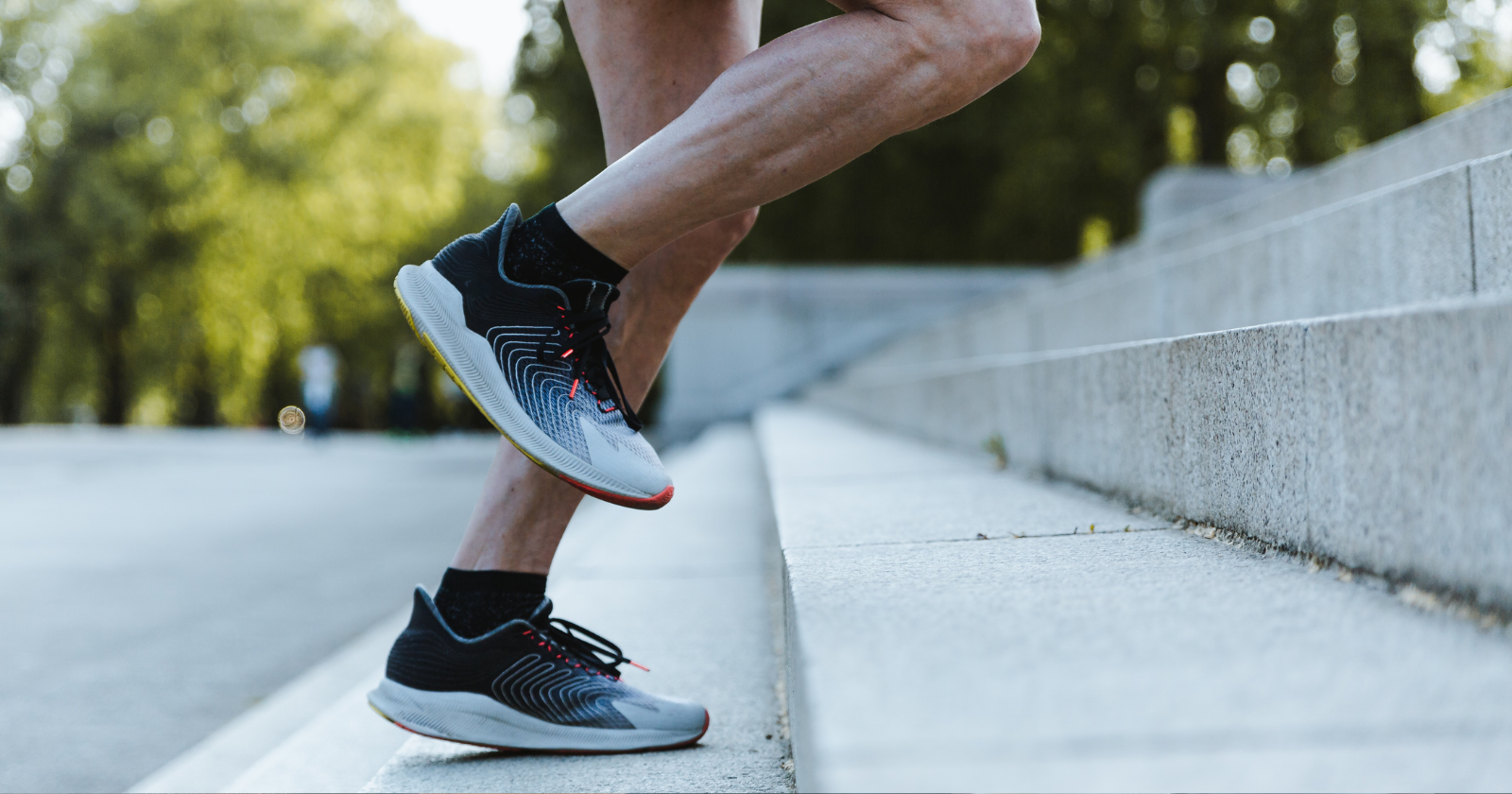
At the end of the day, choosing your pair of Hokas will come down to personal preference. Think about your intended use and issues you have faced previously in walking shoes. If you're looking for a pair for walking that have more cushion than others, you will want to look for those that have the maximum cushion and stability. Or if you want a lightweight pair that you can also use for running, consider weight and versatility.
Fashion & style
Running
fromiRunFar
1 month agoMany Small Leaps for Runnerkind: Wondering About Non-Linear Improvement in Running
Runners experience breakthrough moments where performance suddenly improves, often after returning to regular training or during consistent improvement phases, driven by accumulated physiological adaptations.
Fashion & style
fromTravel + Leisure
1 month agoPodiatrist-approved Flats Are Up to 72% Off at Amazon Ahead of Spring-Shop 10 Comfy Styles for Travel From $25
Podiatrist-approved cushioned flats deliver versatile, travel-friendly support and comfort for multiple outfits, with options on sale at Amazon starting at $25.
fromwww.travelandleisure.com
2 months agoI Walked 25,000 Steps in These Comfy Skechers Sneakers the First Weekend I Got ThemWithout Any Blisters
In addition to being comfortable to wear for long periods of time, I make sure my sneakers are supportive, don't give me blisters, and have a long-lasting quality. Skechers Hotshot Cool Transition Suede Sneakers from QVC met all of these requirements with flying colors after I tested them out recently, and they have become my go-to pair of walking shoes.
Fashion & style
Fashion & style
fromTravel + Leisure
1 month agoI Hate Clunky Sneakers, but These Comfy Salomon Shoes Have Convinced Me to Replace My Other Pairs
Salomon XT-Whispers combine a retro athletic silhouette with supportive OrthoLite cushioning, Quicklace laceless convenience, and high-traction lug-like soles ideal for daily wear and travel.
Running
fromTravel + Leisure
2 months agoI've Been Wearing Podiatrist-loved Brooks Shoes for 5 Years-and I Found 8 Comfy Styles on Sale, From $75
Brooks Adrenaline GTS 24 delivers stabilizing GuideRails support, nitrogen-infused cushioning, and APMA-approved foot-health features for comfortable, supportive running.
fromRunningshoesguru
2 months agoBrooks Adrenaline GTS 25 Review
The Brooks Adrenaline GTS reaches a major milestone in 2025 with the release of its 25th edition. Outside of the ASICS Kayano, it's hard to think of another stability trainer that has remained in production for this long. That longevity speaks to a shoe built on a strong foundation, one that has continued to evolve over the years while maintaining its place as one of the best-selling stability shoes on the market.
Running
fromInsideHook
2 months agoWhy Is Nike Trying to Sell You Dirty Running Shoes?
I had to blink the first time I landed on the product page for the Nike ACG Ultrafly Trail. I'd seen lots of promotional assets ahead of the release (see here and here), where the trainer is caked with mud. But in the end, it's hi-vis orange - and like any other brand-new shoe, being sold without a stain or scratch.
Running
fromRunningshoesguru
2 months agoBrooks Hyperion Elite 5 vs Brooks Hyperion Max 3
The Hyperion Elite 5 has a midsole made entirely of DNA Gold, a PEBA foam. It's the foam with the highest level of energy return of all the Brooks midsole foams. The Hyperion Max 3 has a dual-density midsole with a top layer of DNA Gold and a bottom layer of DNA Flash, an EVA foam. The firmer DNA Flash provides a stable, durable base. Both shoes have plates in their midsoles but the Hyperion Elite 5 has a stiff carbon plate while the Hyperion Max 3 has a flexible nylon plate.
Running
[ Load more ]