NYC parents
fromwww.mediaite.com
2 days agoTerri Sewell, RFK Jr. Throw Down On 'Reparenting' Black Kids
Kennedy and Sewell clashed over past comments regarding Black children's medication and re-parenting during a House hearing.
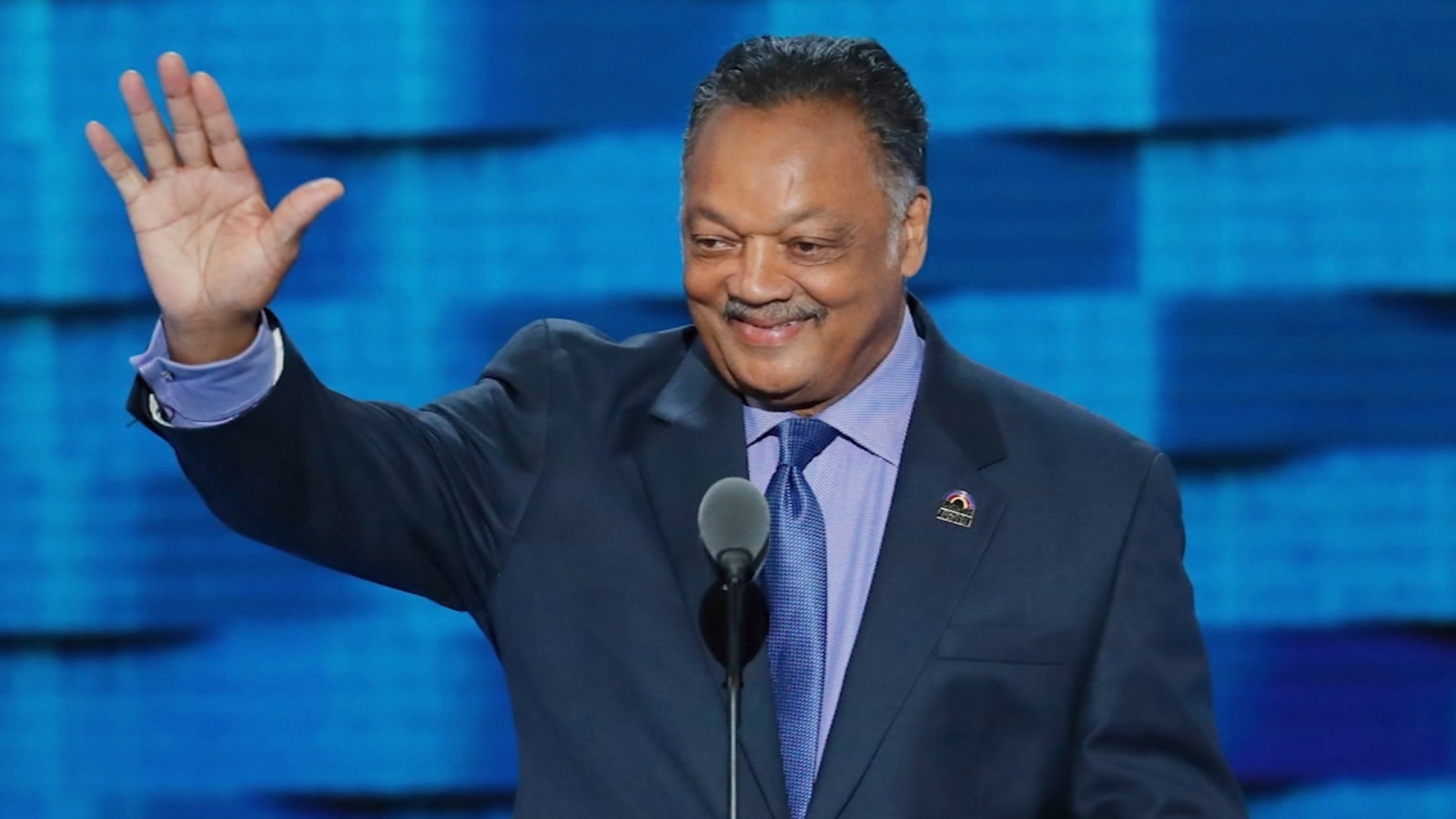
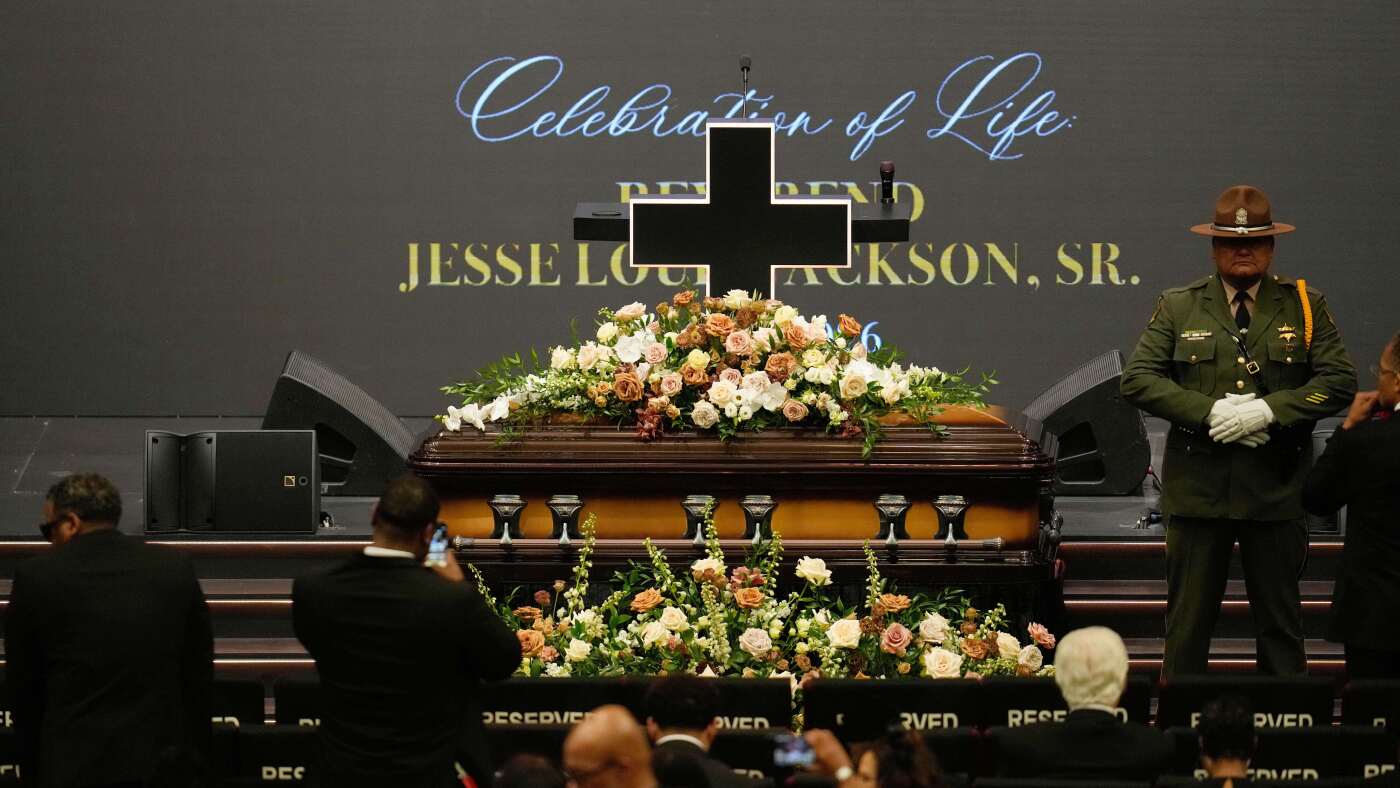
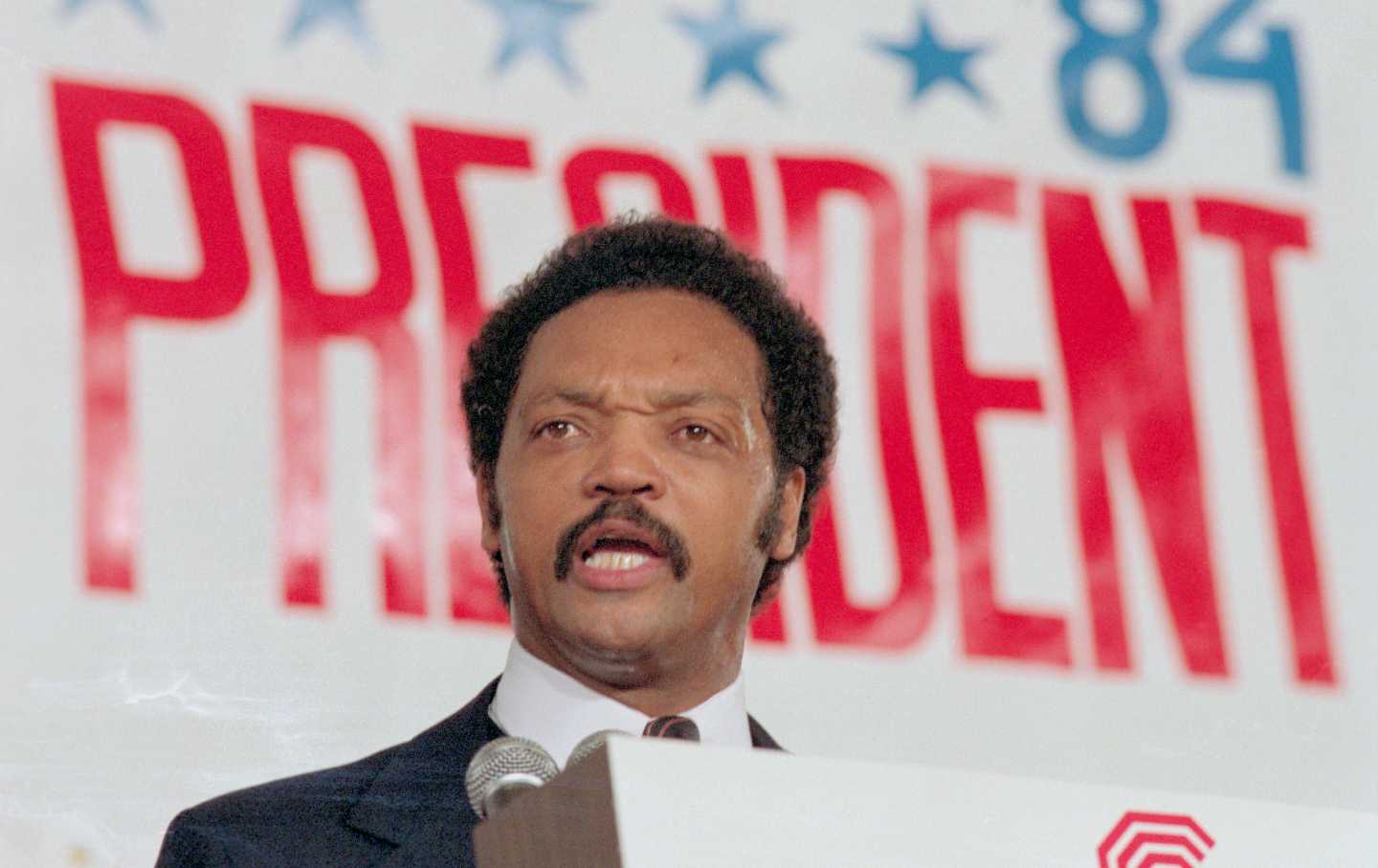
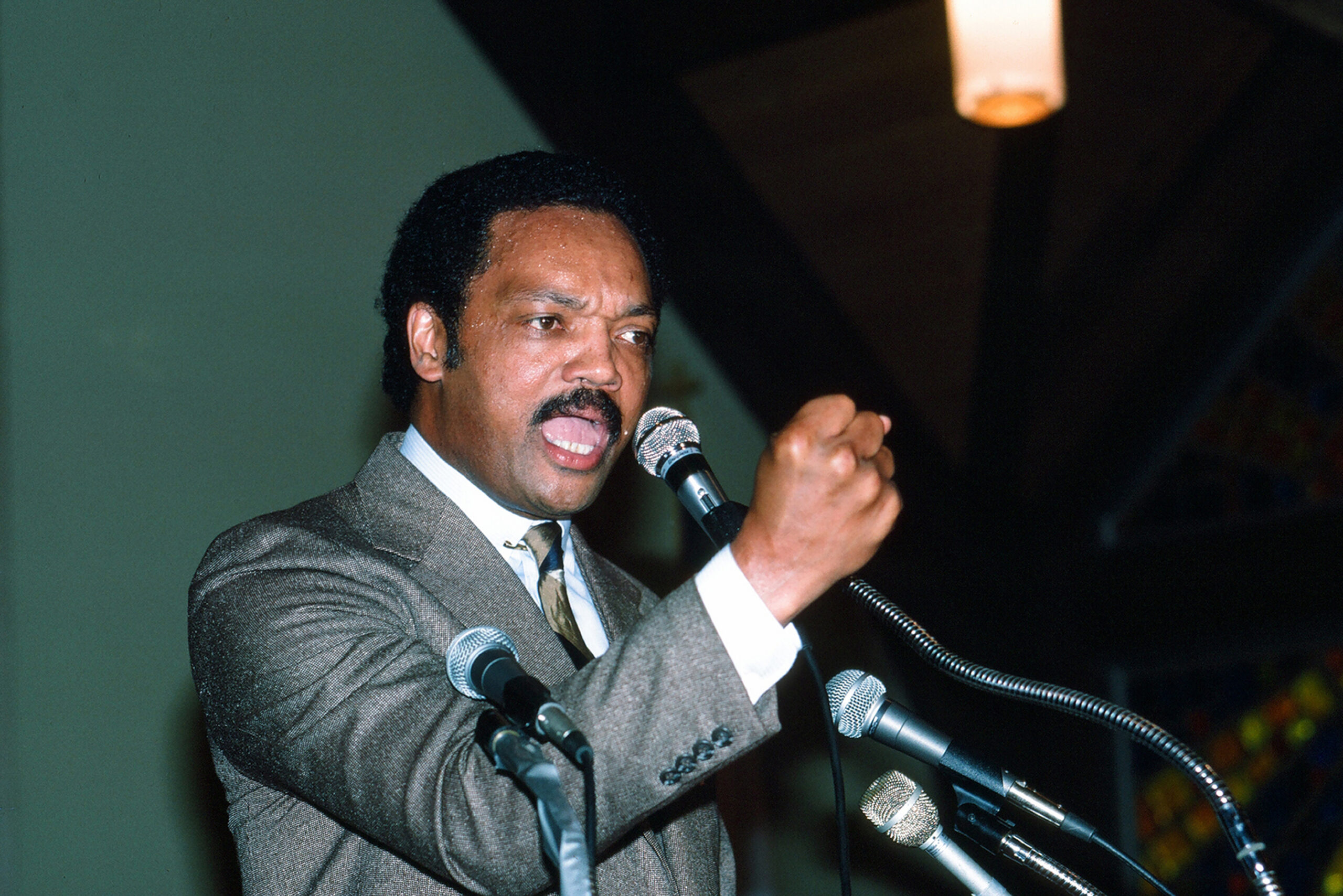
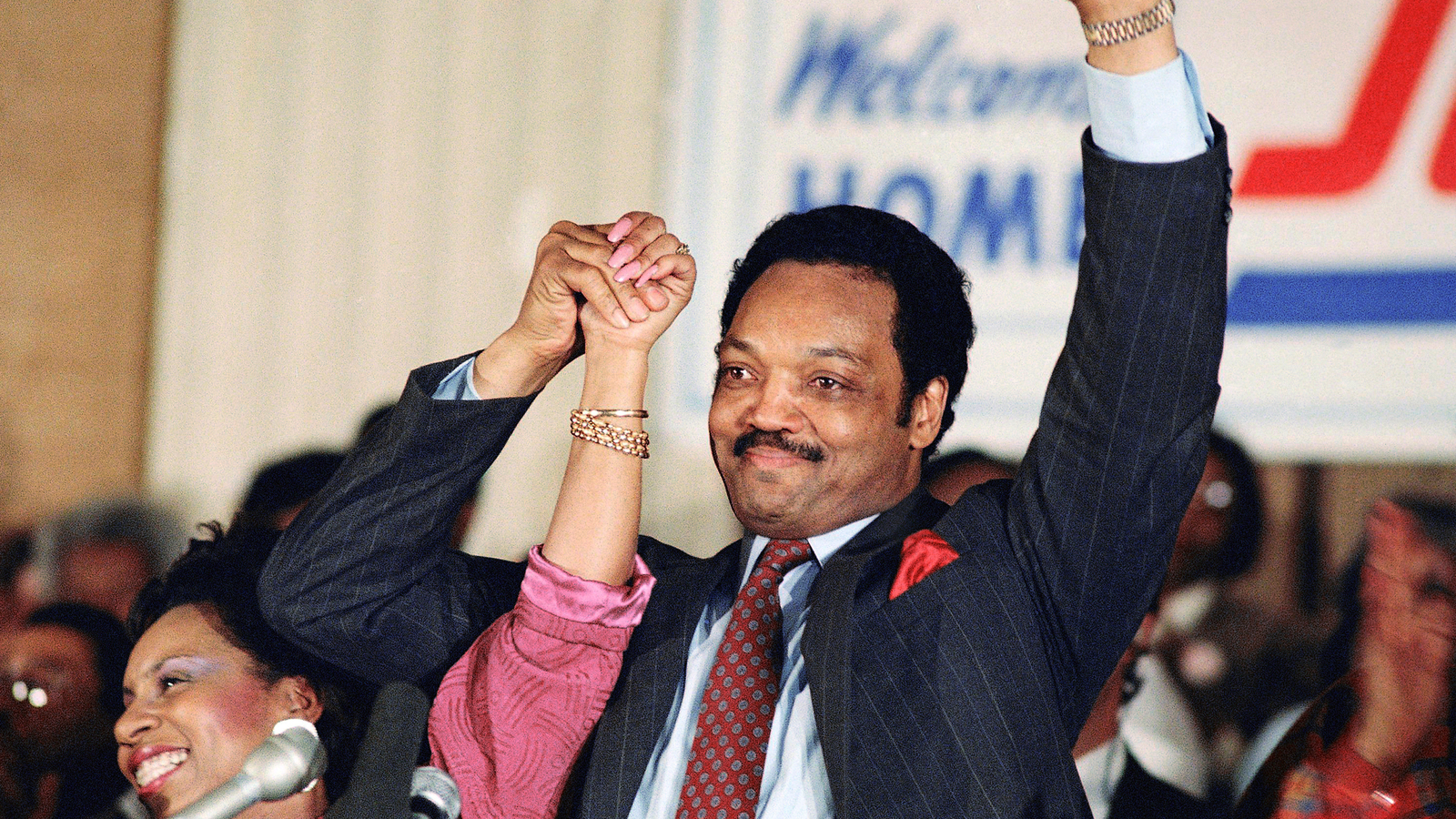
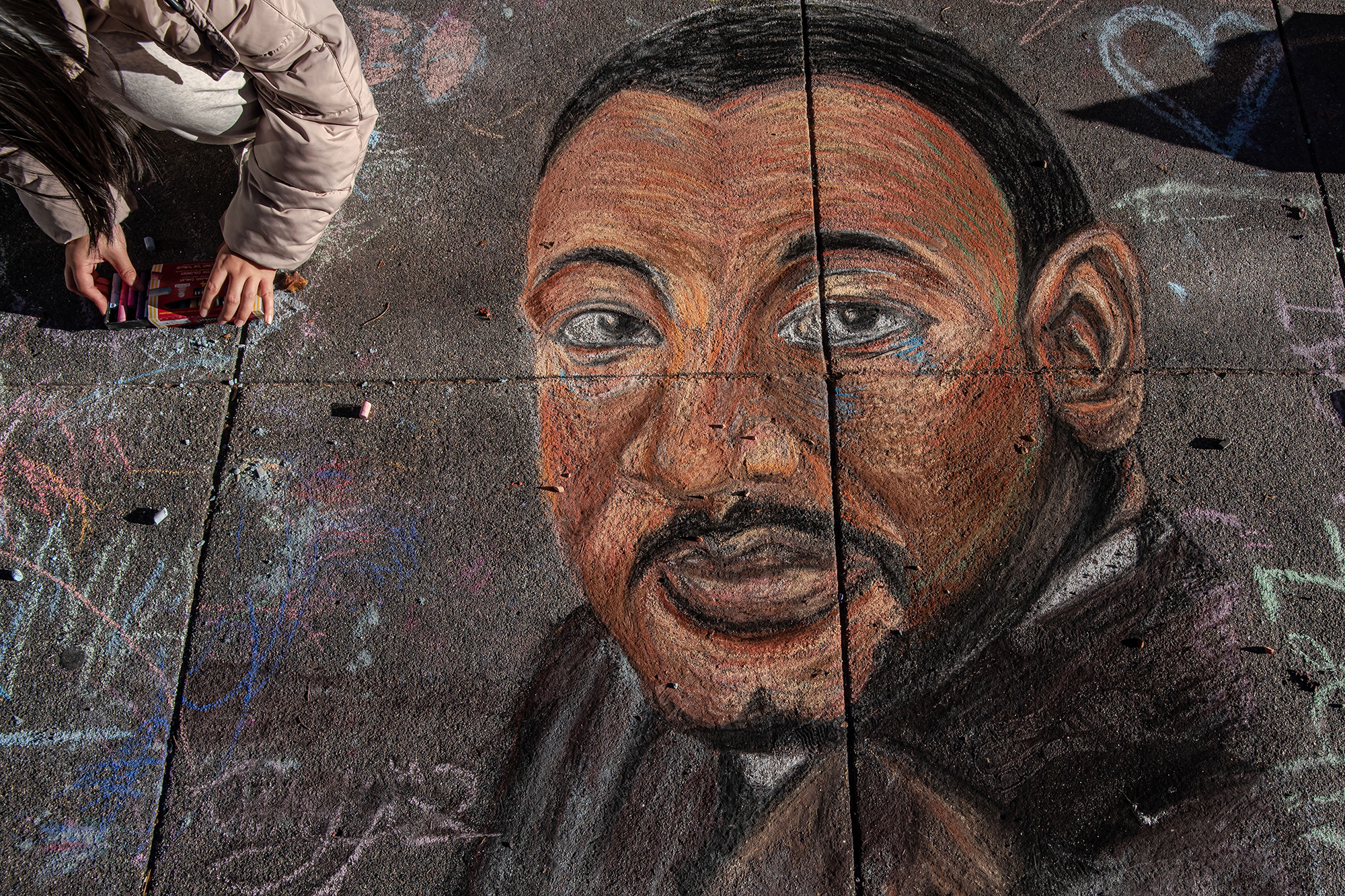
Jackson Jr. recognized the full scope and character of his father's mission as the country preacher who brought "a consistent prophetic voice" to struggles for economic and social and racial justice, and peace, over the course of more than six decades in the public eye.
They offered a rare window into the lives, struggles and aspirations of African Americans, and a way for me to feel connected to a community far beyond my immediate environment. Through Ebony, I was introduced to towering figures such as Dr. Martin Luther King Jr. and Supreme Court Justice Thurgood Marshall. Their courage, moral clarity and commitment to justice shaped how I thought leadership and service.
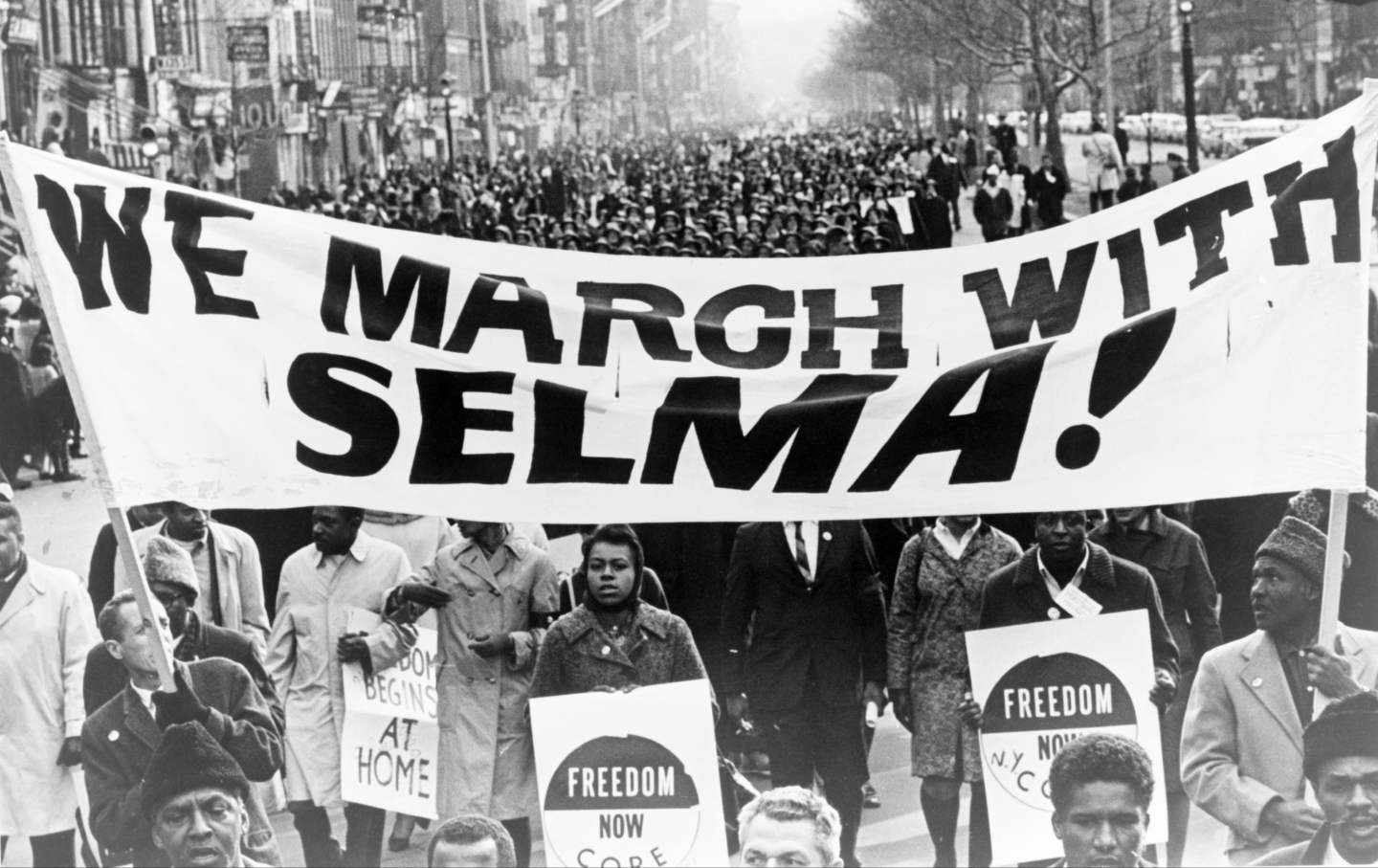
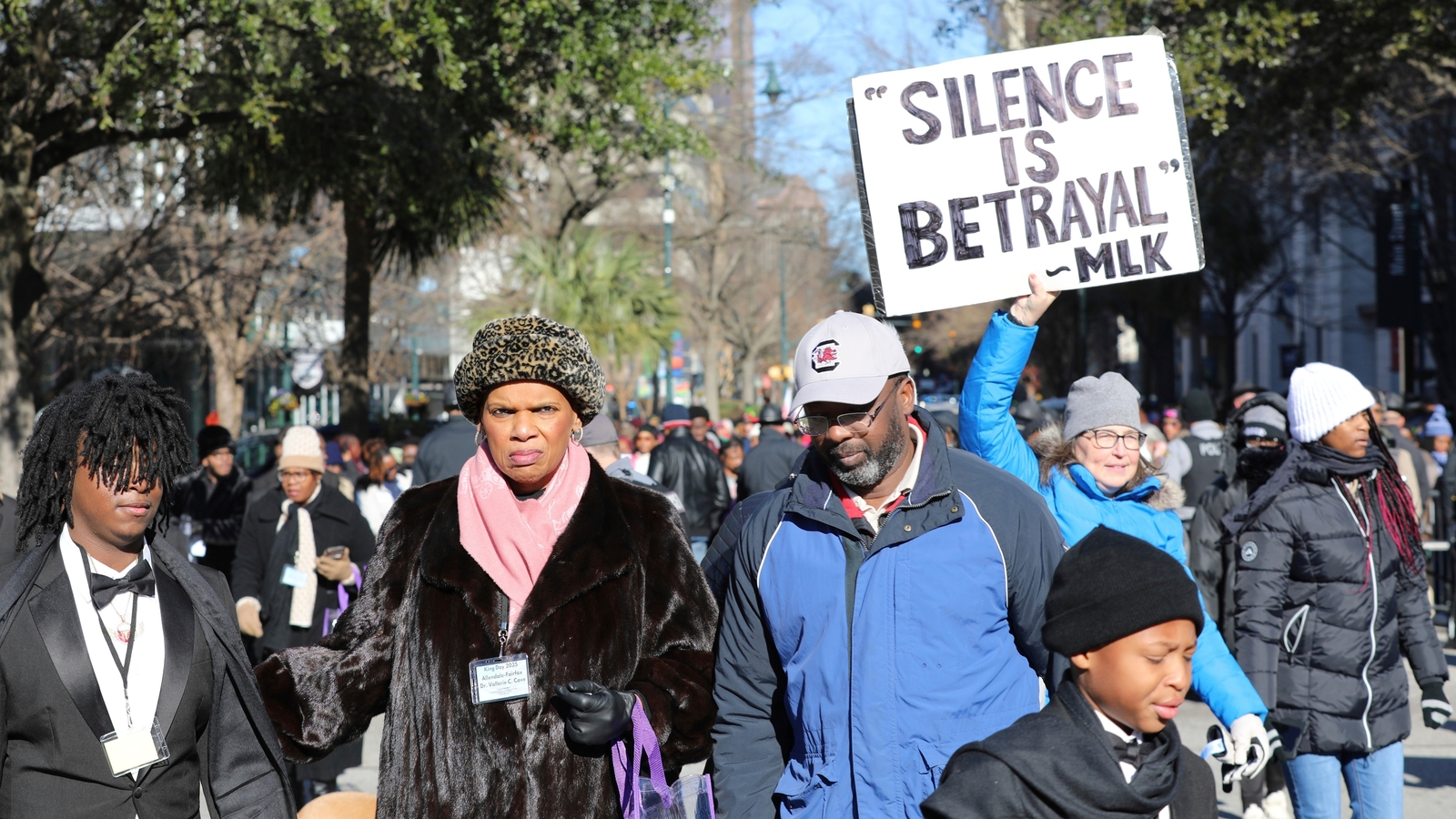
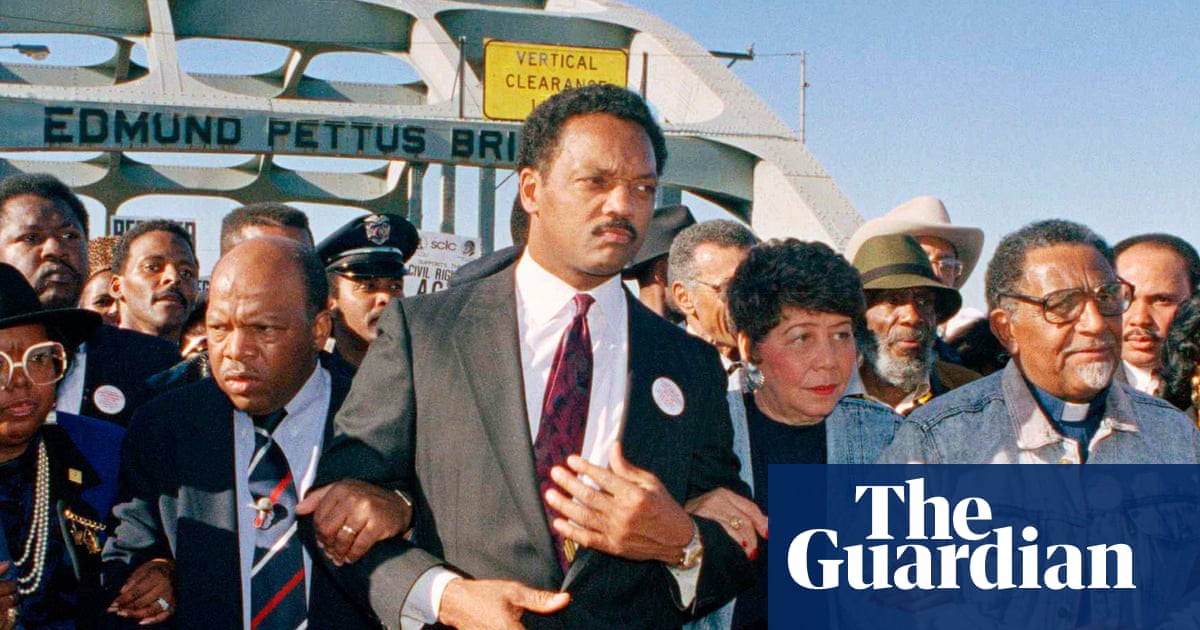
I'm concerned that all of the advances that we made for the last 61 years are going to be eradicated. Charles Mauldin, 78, one of the marchers who was beaten that day, expressed this concern about potential Supreme Court limitations on the Voting Rights Act.
In any liberal morality play, Democrats always get to be the shivering, oppressed black people, while Republicans have to play the part of Bull Connor, Birmingham, AL's racist commissioner of public safety. Except the facts are exactly the opposite. I'm sure you're bored of hearing this, but Connor was a Democrat, as were all the politicians promising "massive resistance" to racial integration. Republicans were the ones forcing Democrats to abide by federal law, along with a few John Fetterman- style Democrats.
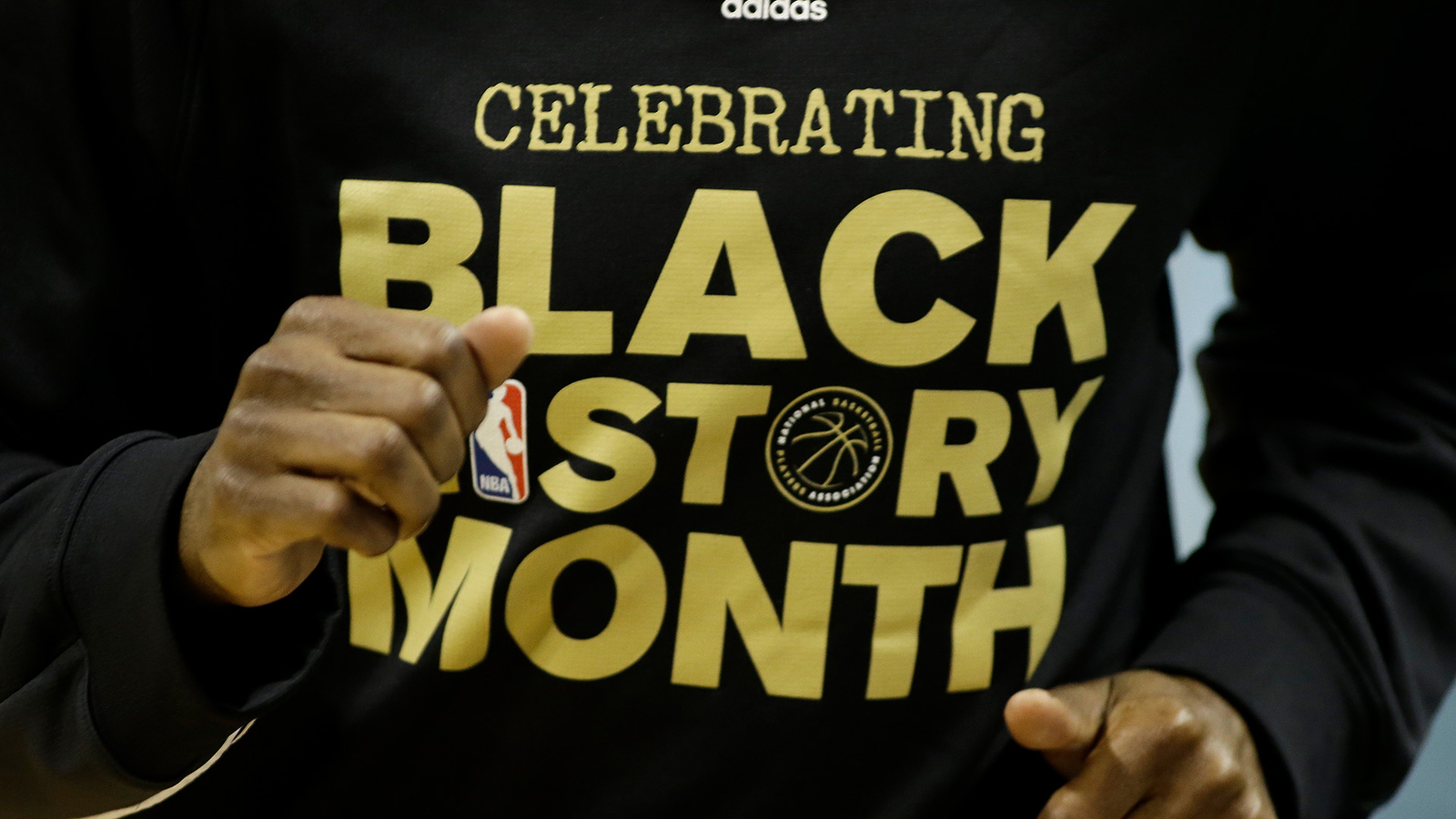
If you know anything about the basic origins of Black History Month then you know that we weren't given' anything. The question of who owns and authorizes Black History Month holds particular relevance now, in its centennial year, and at a time when efforts to celebrate, preserve, and acknowledge Black people's past in this country are under attack.
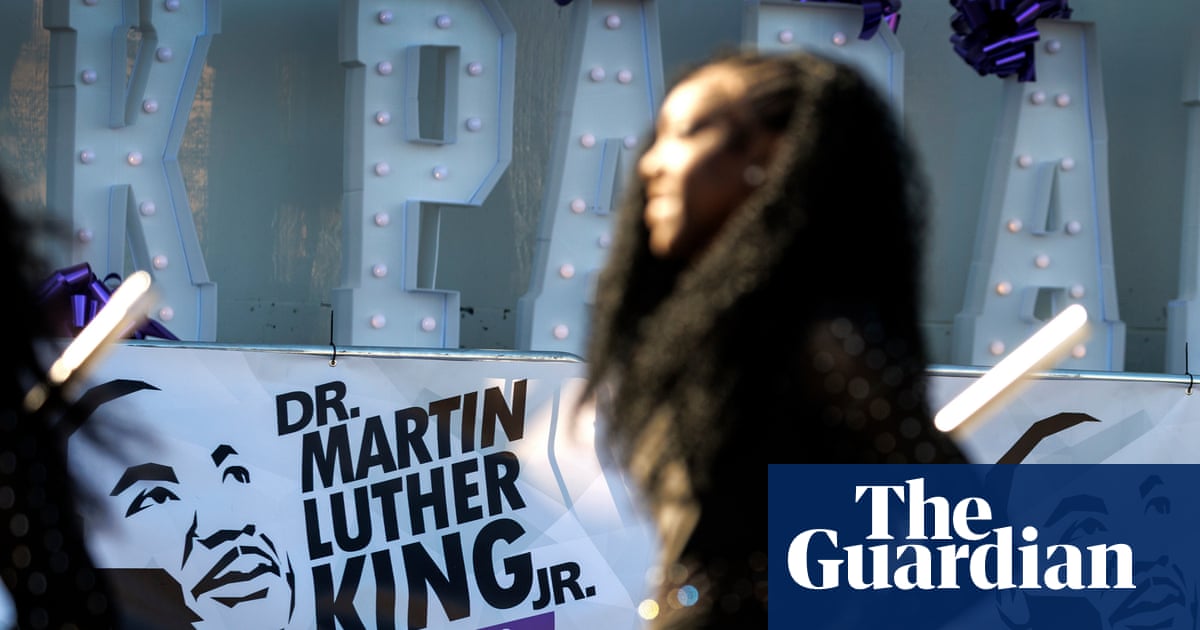
For it is in examining the people like Dr. King, that we can see how yoga can not just make us feel calmer and more peaceful, but can really affect change in a world that is in deep need of healing. By his words, and more importantly his actions, Martin Luther King Jr. showed many of the principles that are central to and deeply embedded in yoga philosophy.
King's intuition was that white people with lower incomes would support this type of policy because they could also benefit from it. In 1967, King argued, "It seems to me that the Civil Rights Movement must now begin to organize for the guaranteed annual income . . . which I believe will go a long, long way toward dealing with the Negro's economic problem and the economic problem with many other poor people confronting our nation."
She remembers walking with her big brothers down a sidewalk fractured by the roots of old oak trees while children played hopscotch on the playground. She remembers going outside and clapping erasers together so that plumes of chalk dust rose above her head. And she remembers being told that she was attending a school that many white parents had taken their children out of just a few years earlier because they didn't want them sitting in class with Negroes.
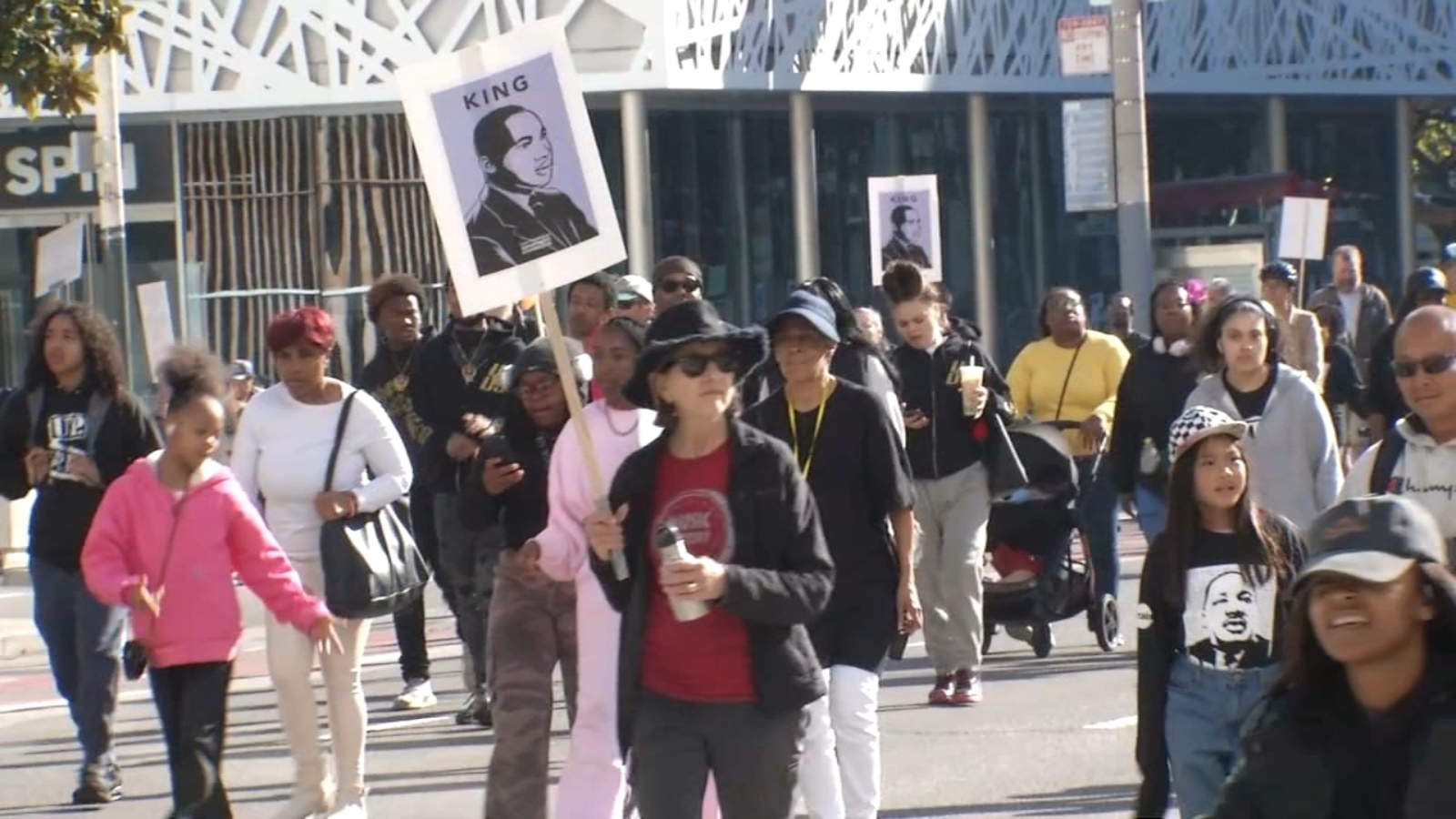
During the Civil Rights Movement, the Chicago Freedom Movement took place from 1965 to 1967. Dr. King co-led this campaign with local activists to confront racial discrimination, segregation, and housing inequities in one of America's largest cities. Unlike the Jim Crow laws of the South, segregation in Chicago was often enforced through policy, lending practices and real estate discrimination rather than explicit laws.
Following presidential custom, Trump issued a National Black History Month proclamation on Feb. 3 that maintained "black history is not distinct from American history - rather, the history of Black Americans is an indispensable chapter in our grand American story." Yes, but: Its rhetoric, critics say, stands in tension with the Trump administration's recent actions, raising questions about whether commemoration without context ultimately obscures more than it honors.