Graphic design
fromwww.theguardian.com
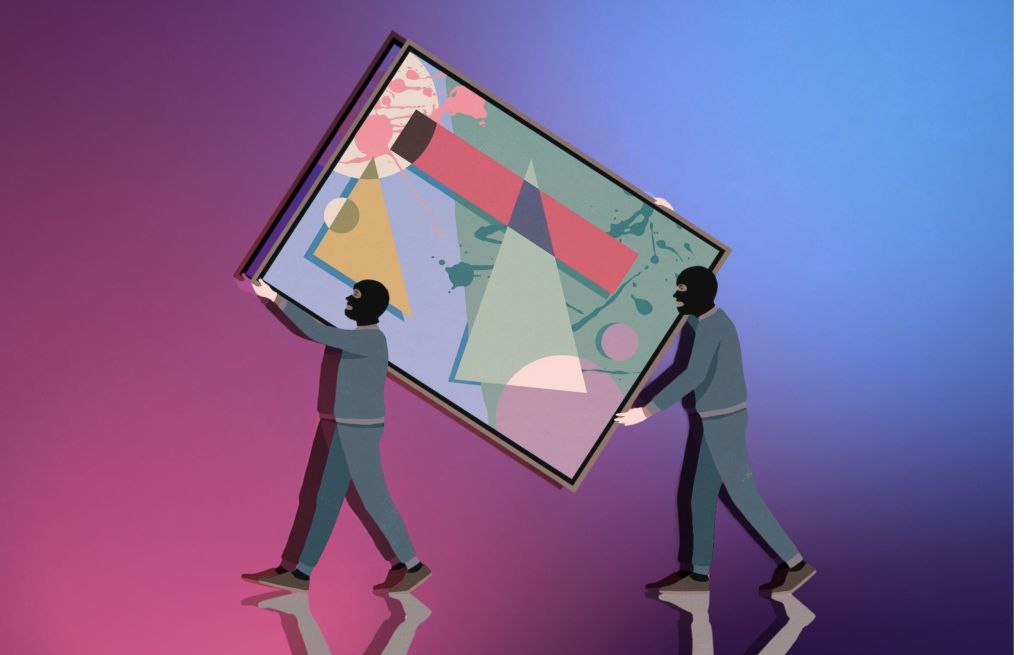
1 day agoIs AI the greatest art heist in history?
Generative AI is criticized for harming creativity, exploiting artists, and causing societal issues while tech leaders promote it as a revolutionary tool.
"Deputies searched the box trucks and discovered a large amount of Lego products. A thorough investigation revealed the trailers were stolen while in transit from Fort Worth, Texas, to Moreno Valley, California."
"Until recently, there was no specific legislation addressing the forgery of artworks and collectibles. Instead, these cases fell under the 'smoother' general provisions of the criminal code concerning fraud and forgery, which required proof of a financial transaction in order for an offence to be established."
The new webpage, entitled 'How have objects come to be in the V&A?', points out that for some objects, their journeys have involved known histories of violence, coercion or injustice, while for others there remains uncertainty over exactly how they came to be here.
A man broke into the victim's home and stole more than $600,000 worth of property, including designer handbags and jewelry. After weeks of investigating, including working with San Diego and Glendale police, authorities executed a search warrant on the suspect's home in Temecula on Feb. 25 and found the victim's property and a whole lot more.
Kamrooz Aram is everywhere this year, from Mumbai Art Week to the Whitney Biennial, and critic Aruna D'Souza is grateful. She pens a beautiful meditation on his work, reading his abstract paintings as not simply a denunciation of Western modernism nor a reassertion of Islamic visual motifs, but something else entirely - something gestural, exuberant, riotous, and incomparably his own.
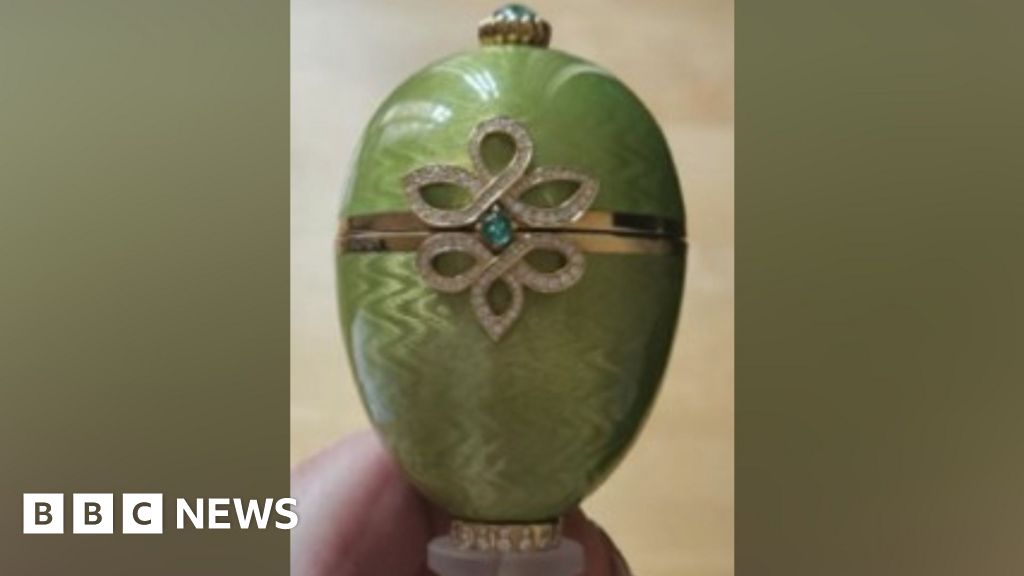
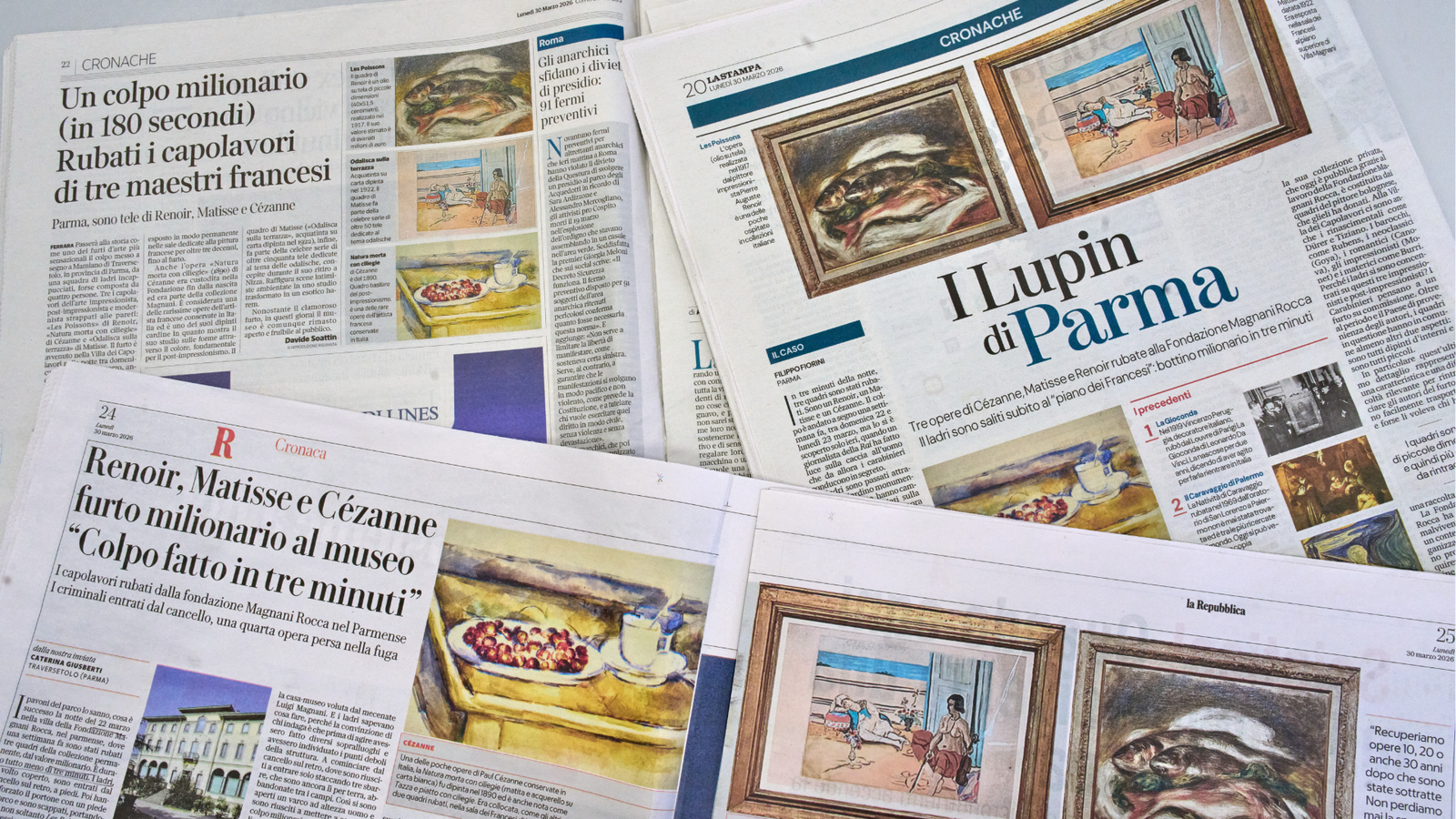
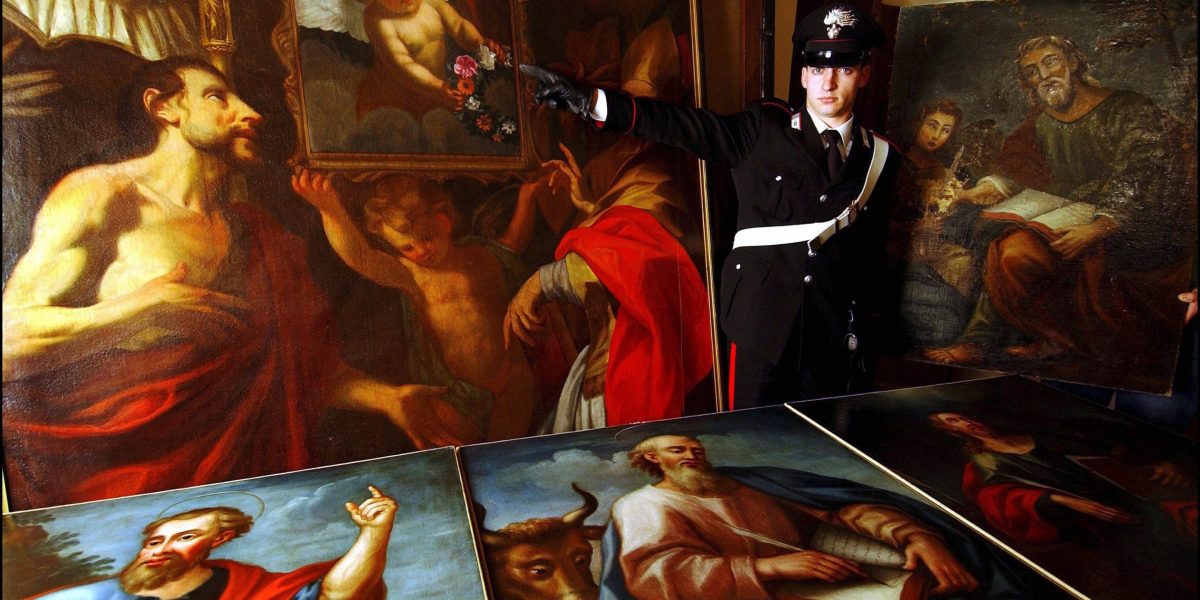
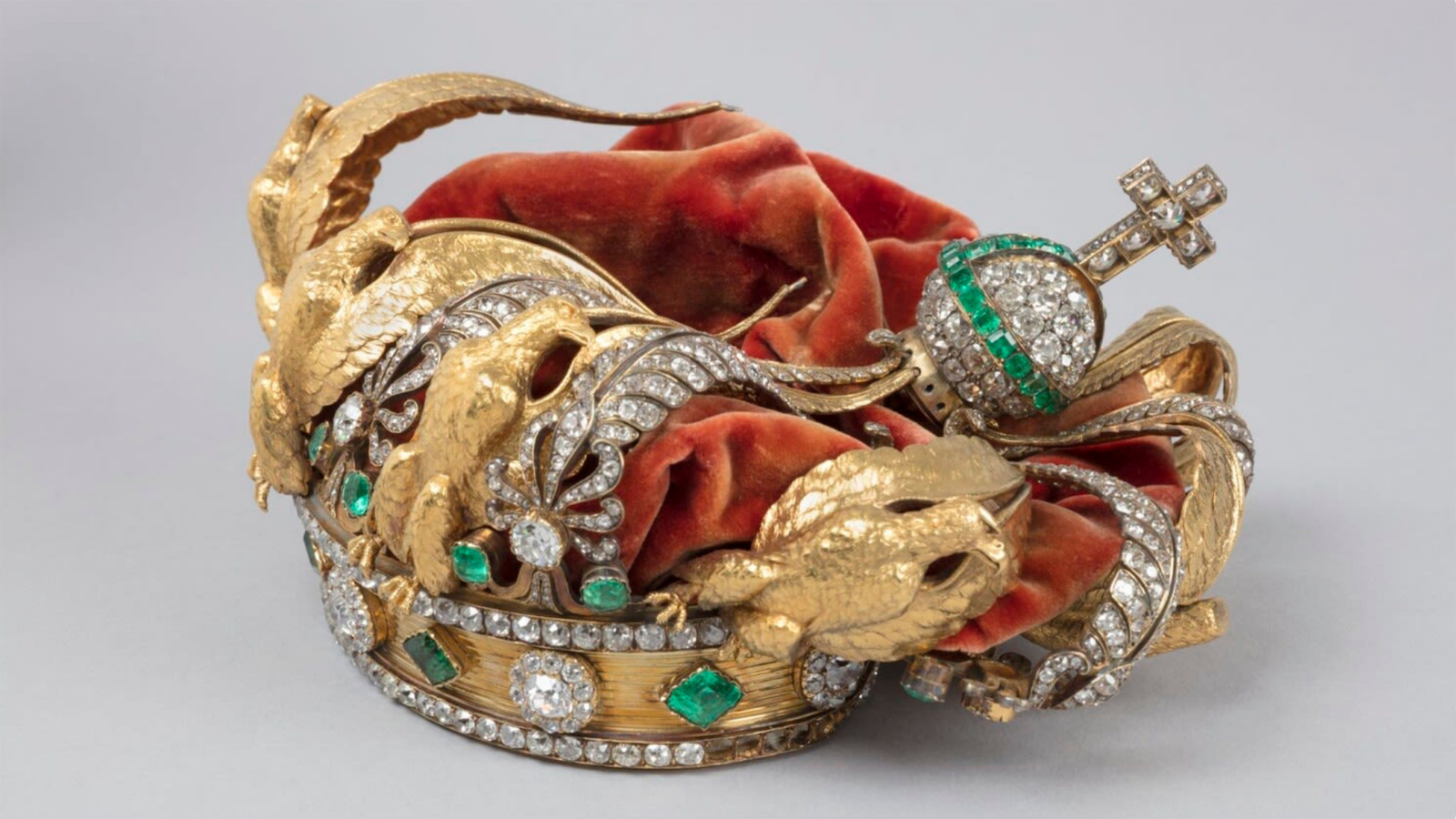
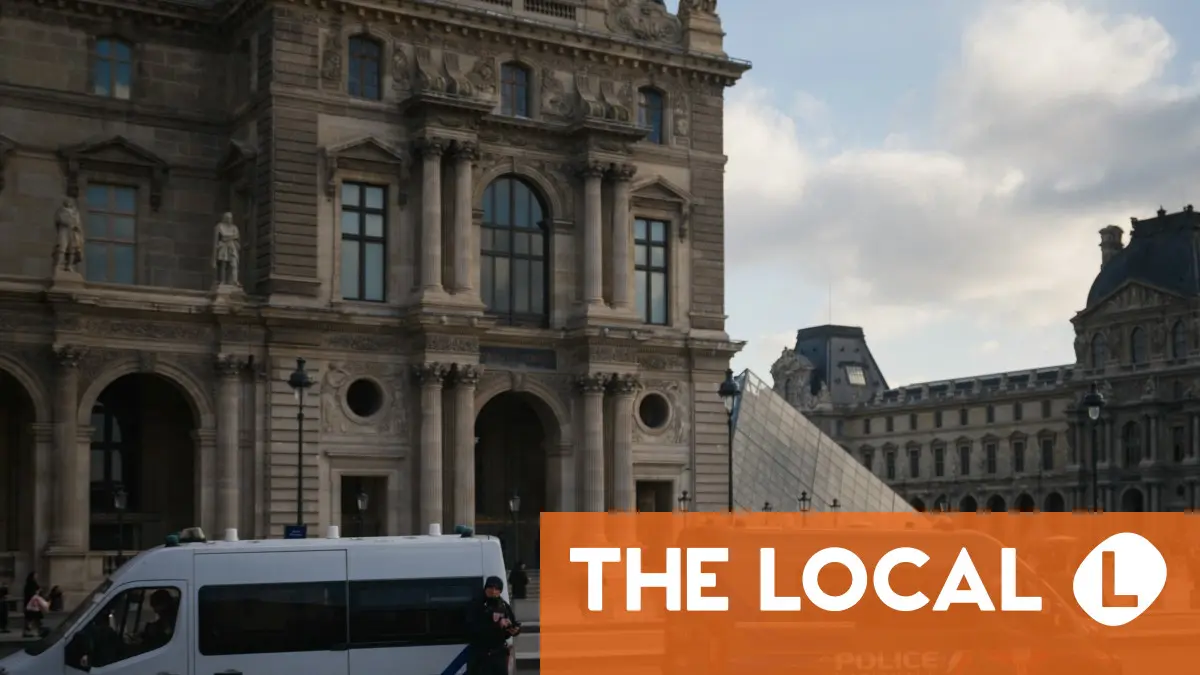
The exquisite, jewel-encrusted boxes were badly damaged in 2024, after they were among seven treasures stolen from Paris's Musée Cognacq-Jay by a gang of axe-wielding thieves. The perpetrators broke into the temporary exhibition, titled "Luxe de Poche," or "Pocket Luxury," on November 20, making off with goods that were, at the time, reported to be worth more than €1 million.
When Thomas Jefferson wrote about the "inalienable" rights of man in the US Declaration of Independence 250 years ago, it's possible he lifted the term from the French. And long before it was ever used as an adjective to describe human rights, it defined royal property. To this day, "inalienability" remains a cornerstone of public collections in France-and many other countries-impacting museums and their ability to deaccession, including for purposes of restitution.
Because they've long stopped being about just one depraved pedophile and have come to symbolize the endemic depravity of the world's richest elites. It's no surprise that the art world is implicated. There isn't much difference between a corporation's board of directors and a museum's board of trustees. It's more or less the same money, same power dynamics, and the same creeps crawling through the corridors.
We knew everything we needed to know about the art world before the Epstein Files dropped. Before heinous allegations against Museum of Modern Art trustee Leon Black emerged, or School of Visual Arts chair David A. Ross's sympathetic endorsement of Epstein came out, we knew about the intimate connections between institutional heads and donors and trustees. The exchanges of money, donations, or favors that bind them.