#myth-and-evolution
#myth-and-evolution
[ follow ]
#evolution #human-evolution #paleontology #evolutionary-biology #neanderthals #ancient-dna #genetics
fromwww.theguardian.com
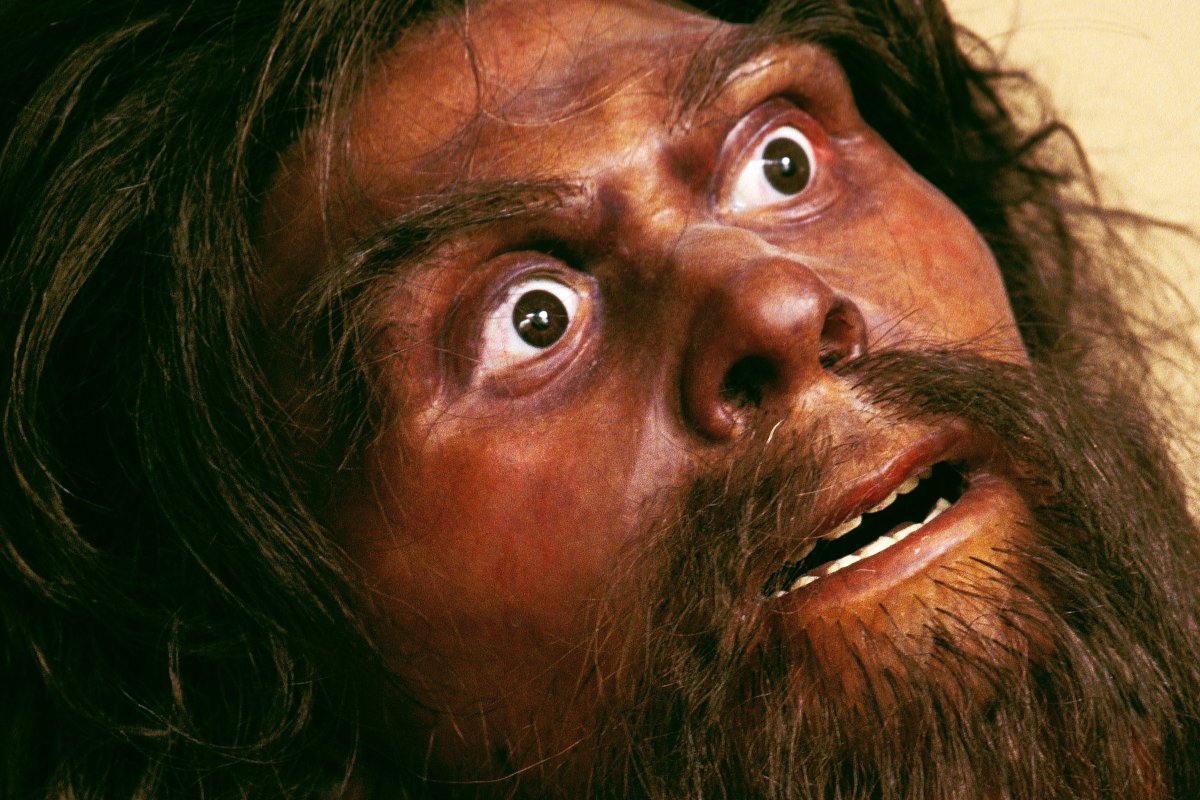
2 days agoRed hair gene favoured by natural selection over last 10,000 years, study finds
The study revealed that the gene for red hair has been actively selected for more than 10,000 years, indicating that biological evolution has not plateaued as previously thought.
Psychology

fromwww.scientificamerican.com
1 day agoOnly one group of dinosaurs survived an asteroid impact. You can probably see them from your window
The article tackles the mystery of why birds were the only dinosaurs to survive the asteroid impact 66 million years ago, which drastically altered evolution. This question has intrigued paleontologists for years.
OMG science
fromwww.scientificamerican.com
2 weeks agoHumans have been gambling since the Ice Age
Madden combed through this sparse record, confirming the oldest-known dice and establishing an unbroken, previously hidden lineage of chance-based games dating back at least 12,000 years, 6,000 before any counterpart in the Old World.
History
fromwww.scientificamerican.com
2 weeks agoBizarre fossils reveal that complex life evolved far earlier on Earth than we thought
Hundreds of fossils uncovered in southern China's province of Yunnan reveal that at least some of the life-forms scientists had thought arose in the Cambrian period were alive and thriving millions of years earlier, in an era known as the Ediacaran period.
OMG science

Psychology
fromPsychology Today
1 month agoThe Evolution of Brain and Intelligence
Human brains are large and complex but not uniquely so compared to other species; human intelligence is adapted to specific ecological niches, with symbolic reasoning being a key cognitive distinction from other animals.
fromwww.npr.org
1 month agoHumans' pull toward alcohol may have ancient origins (according to chimp pee)
Chimpanzees consume 10 pounds of fruit pulp per day on average - African star apple. It's delicious, too. I tried some. And when fruits like this ripen, they can ferment, producing alcohol. In primates, it could be that when you smell alcohol, that means that's where the sugars are.
Wine
Philosophy
fromBig Think
1 month agoThe 3 colors: What folktales teach about how to grow wise
European folktales use red, black, and white colors to represent three modes of being that map human maturation: red as ambition and life force, black as introspection and shadow, and white as wisdom and transcendence.
fromPsychology Today
1 month agoHow Brawn and Engineering-Not Brains-Led to Human Domination
I'm always looking for books that challenge the status quo, and when I learned about Roland Ennos' new book The Powerful Primate: How Controlling Energy Enabled Us to Build Civilization, I couldn't wait to get my eyes on it, and I'm thrilled I did. In this landmark book, Ennos offers "a compelling argument that flips the traditional view of humanity on its head."
Science
fromThe Conversation
2 months agoSome companies claim they can 'resurrect' species. Does that make people more comfortable with extinction?
Less than a year ago, United States company Colossal Biosciences announced it had "resurrected" the dire wolf, a megafauna-hunting wolf species that had been extinct for 10,000 years. Within two days of Colossal's announcement, the Interior Secretary of the US, Doug Burgum, used the idea of resurrection to justify weakening environmental protection laws: "pick your favourite species and call up Colossal". His reasoning appeared to confirm critics' fears about de-extinction technology. If we can bring any species back, why protect them to begin with?
Philosophy
fromwww.scientificamerican.com
2 months agoA foraging teenager was mauled by a bear 27,000 years ago, skeleton shows
We have little physical evidence of these interactions turning violent, however, because burials were rare and carnivores were more likely to finish off their prey. That's why the embellished burial site of a 15-year-old from 27,000 years ago is an important window into the past: the teenager's bones indicate he was mauled by a bear. The finding represents some of the first evidence of its kind.
Science
fromNature
2 months agoDaily briefing: The battle over the identity of the first animals
Wooden objects carrying the marks of carving and use could be the oldest wooden tools ever found. Researchers dated the artefacts, found in what is now Greece, to 430,000 years ago - and suggest they might have been made by early Neanderthals or their ancestors, Homo heidelbergensis. A separate study describes 480,000-old flint-knapping tools made from antler and elephant bone, from what is now the United Kingdom.
Science
Science
fromenglish.elpais.com
1 month agoNeanderthal men chose Homo sapiens women: Genetics reveals the sex life of our ancestors
Neanderthal males interbred with modern human females approximately 50,000 years ago, explaining why Neanderthal DNA is nearly absent from the X chromosome in non-African humans today.
fromBig Think
1 month agoHow our view of "fundamental" has evolved over time
In antiquity, many opined about "the elements" in combination. Around 2500 years ago, Leucippus and Democritus founded the idea of atoms. Perhaps everything, they opined, was composed of indivisible building blocks. In the late 1700s, hydrogen and oxygen were discovered. Circa 1804, John Dalton revived atomism to explain chemical behavior. Then in 1869, Mendeleev developed the periodic table: organizing the atoms.
Science
[ Load more ]