#nature-restoration-fund
#nature-restoration-fund
[ follow ]

#reproductive-rights
Agriculture
fromwww.independent.co.uk
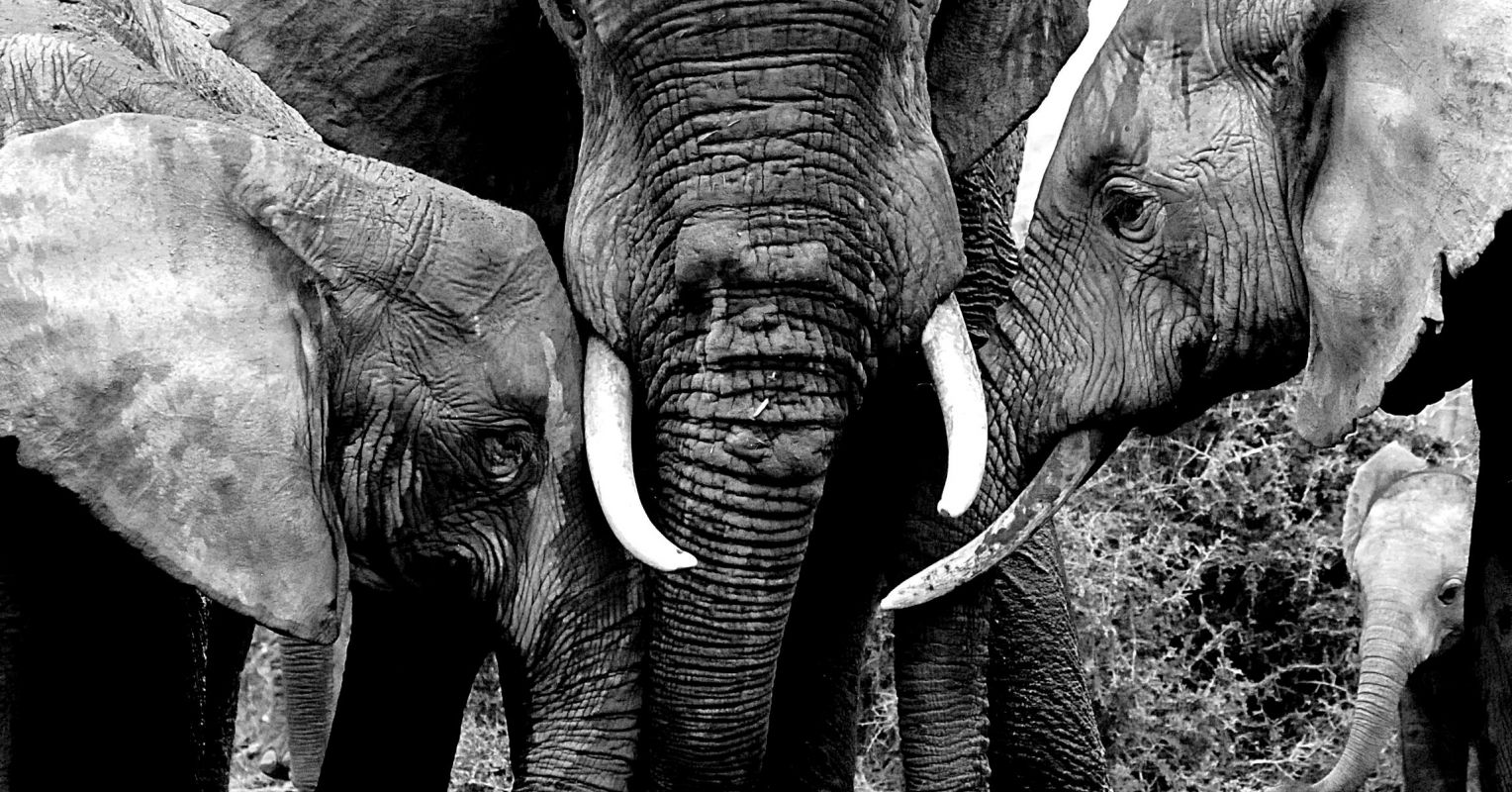
3 days agoCitizen 'Frog Patrol' helps amphibians survive a dangerous road journey in Poland
The Independent provides critical journalism on various issues, emphasizing the importance of accessible reporting and community initiatives like Frog Patrol for wildlife protection.




Agriculture
fromdesignboom | architecture & design magazine
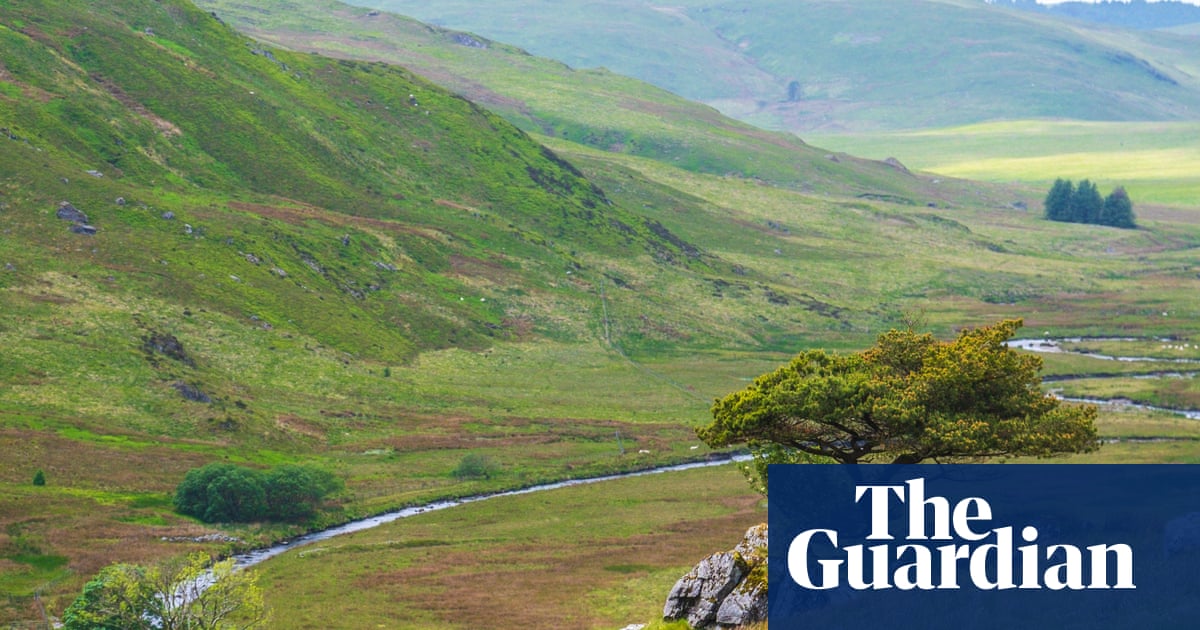
3 weeks agourban rewilding in practice: restoring london's heathland for humans, sheep, and ecology
Sheep grazing is proposed to regenerate urban heathland ecology, creating a continuous ecological corridor that supports both human and non-human systems.
fromwww.theguardian.com
4 weeks agoSmall changes in how we garden can make a big difference to birds | Letter
Around a third of UK gardeners use pesticides, and our studies found that house sparrow numbers, for example, were nearly 40% lower in gardens where the pesticide metaldehyde was used. By reducing pesticide use, you can actively encourage birds back into your outdoor spaces, as they rely on invertebrates such as slugs and snails as natural prey.
Pets
Brooklyn
fromTime Out New York
1 month agoTen NYC parks across all five boroughs are getting upgrades
New York City will invest $50 million to upgrade 10 neighborhood parks across all five boroughs that have lacked meaningful improvements for at least 20 years, benefiting over 116,500 residents in historically underserved communities.
Agriculture
fromEarth911
3 weeks agoConvenience Comes at the Environment's Expense
Fast delivery convenience carries significant environmental costs through packaging waste, carbon emissions, and resource consumption, but individual yard management choices can meaningfully reduce environmental impact at a local scale.
fromMail Online
1 week agoBritain has just 20 years to save its wildlife, experts warn
'Our results show that the next 20 years are critical,' lead author Dr Rob Cooke told the Daily Mail. 'By around 2050, we reach a point where the choices we make on emissions and land use will largely determine whether Britain moves towards a much more degraded or a much more nature‑positive future.'
Environment
Mental health
fromwww.theguardian.com
1 month agoIt has changed my life': How a dose of nature is treating mental illness
Dose of Nature prescribes outdoor time as mental health treatment, achieving 64% recovery rates compared to NHS talking therapies' 50%, with nature exposure providing serotonin boosts and immune system benefits through phytoncides.
fromFast Company
3 weeks agoBeach cleanups can save the lives of marine animals. This calculator tells you exactly how many
If you enter the amounts of different types of plastic that you clean up into the Wildlife Impact Calculator, it will tell you how many animal lives would have been at risk, had those items made their way into the ocean and been ingested.
Environment
Environment
fromwww.theguardian.com
3 weeks agoEngland should give over 7% of land to nature and renewables to meet environmental targets, data shows
England must allocate 7% of its land to nature, forests, and renewable energy to meet environmental targets while maintaining food production and housing capacity.
Environment
fromwww.theguardian.com
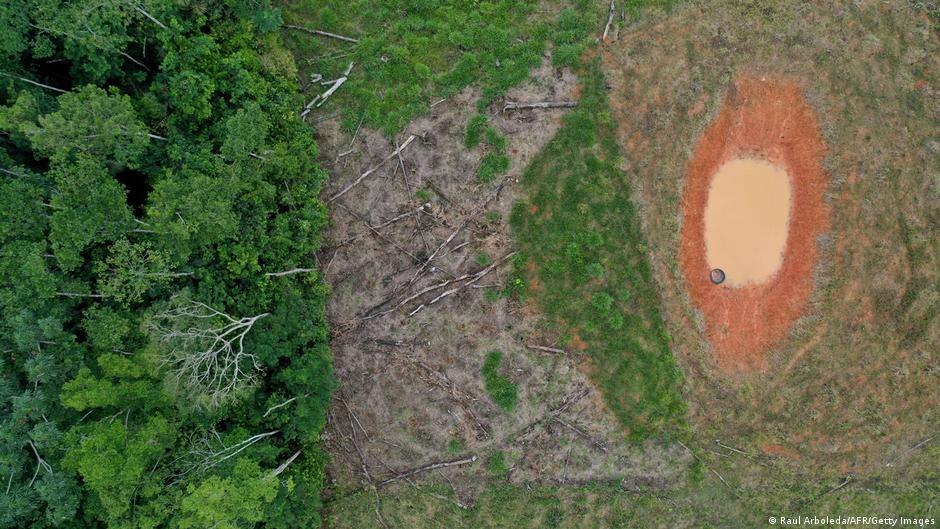
1 month agoAustralian wildlife in harm's way' with volunteers left to pick up the pieces' amid climate crisis, fires and floods
Labor is urged to establish national wildlife protection standards for disaster response, with advocates warning biodiversity risks could become irreversible without coordinated government-funded rescue and rehabilitation services.
Environment
fromEarth911
1 month agoClassic Sustainability In Your Ear: The Ocean River Institute's Natural Lawn Challenge for Climate Action
Natural lawn practices reduce water consumption, eliminate harmful chemicals, support pollinators, and store significantly more carbon than chemically-treated lawns, making healthy lawns powerful climate change solutions.
fromHigh Country News
1 month agoIt's time to rethink how we care for our public lands and waters - High Country News
Wildlife populations are in decline. Recreation sites are crowded and often underfunded. Wildfires are larger, more destructive and harder to control. Climate change is reshaping natural systems, from ocean fisheries to mountain snowpacks, faster than institutions can respond. At the same time, communities are being asked to host new energy projects, transmission lines and mineral development - often without clear processes, adequate resources or trust that decisions are being made in the public interest.
Environment
[ Load more ]