#naval-strategy-evolution
#naval-strategy-evolution
[ follow ]
#strait-of-hormuz #iran #us-iran-relations #oil-prices #us-military #us-navy #blockade #naval-blockade


#nato
Europe news
fromLondon Business News | Londonlovesbusiness.com
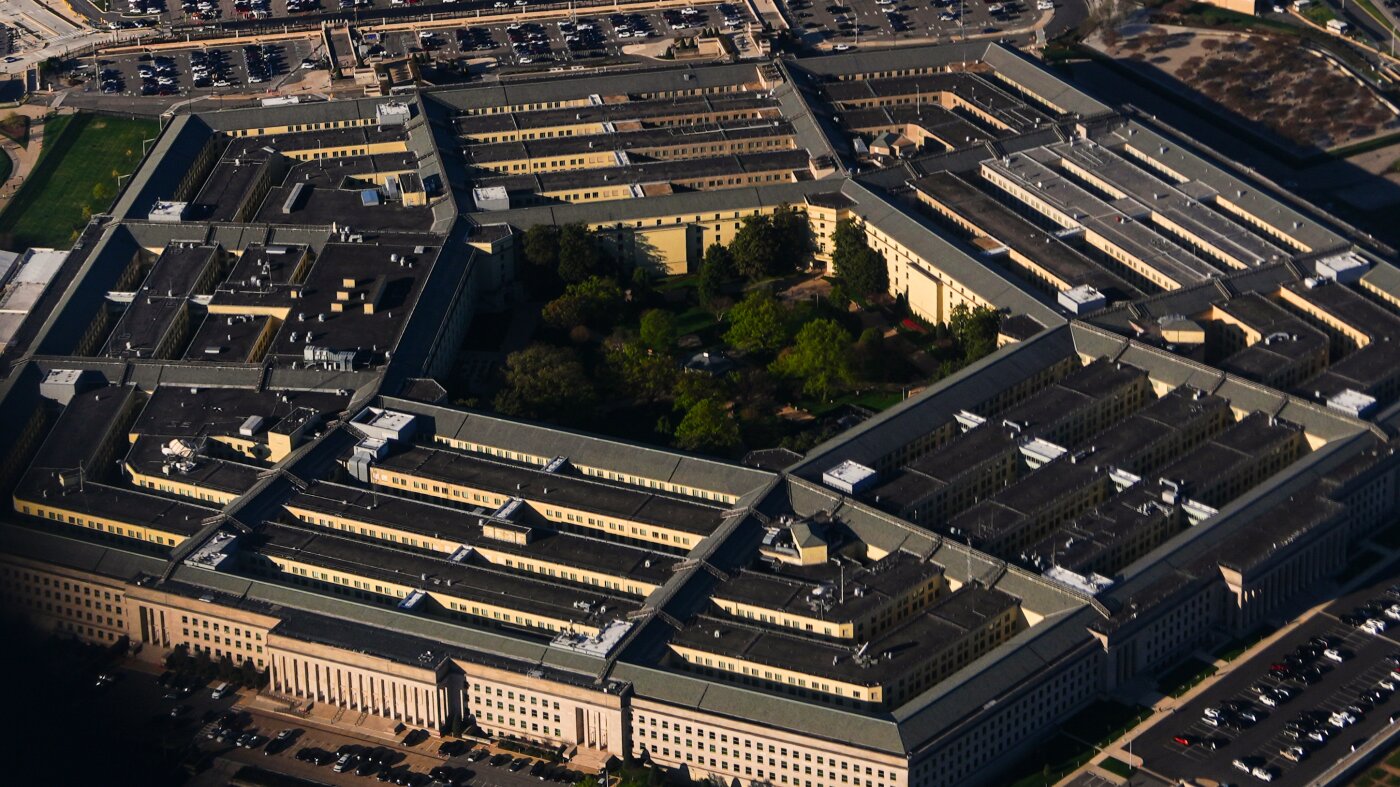
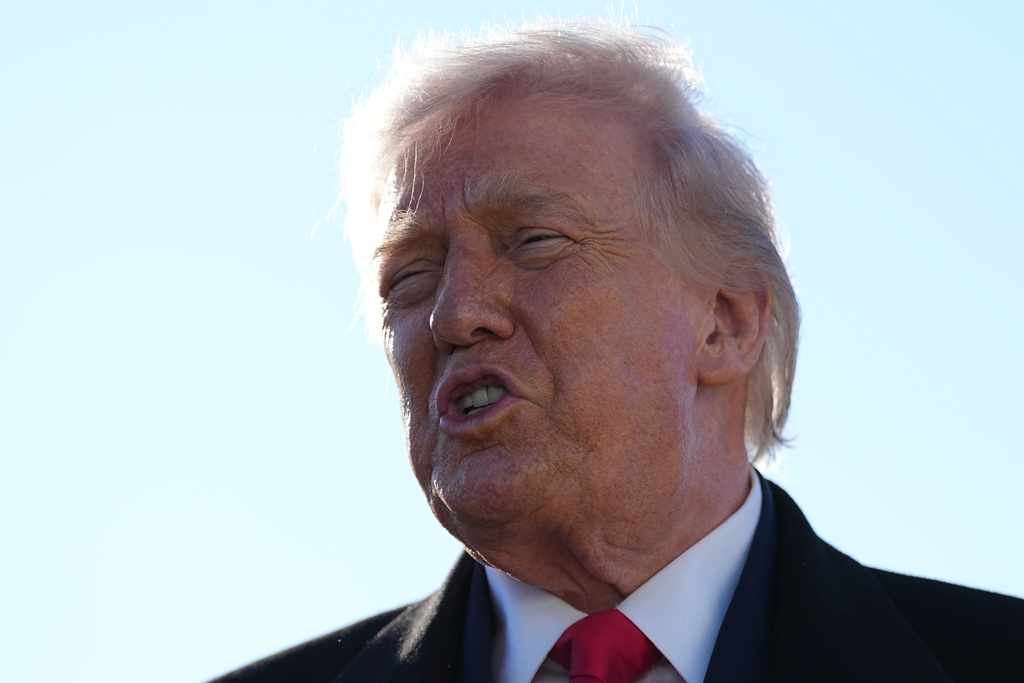
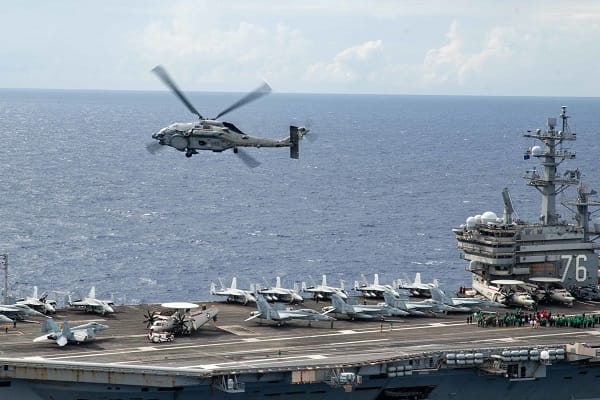
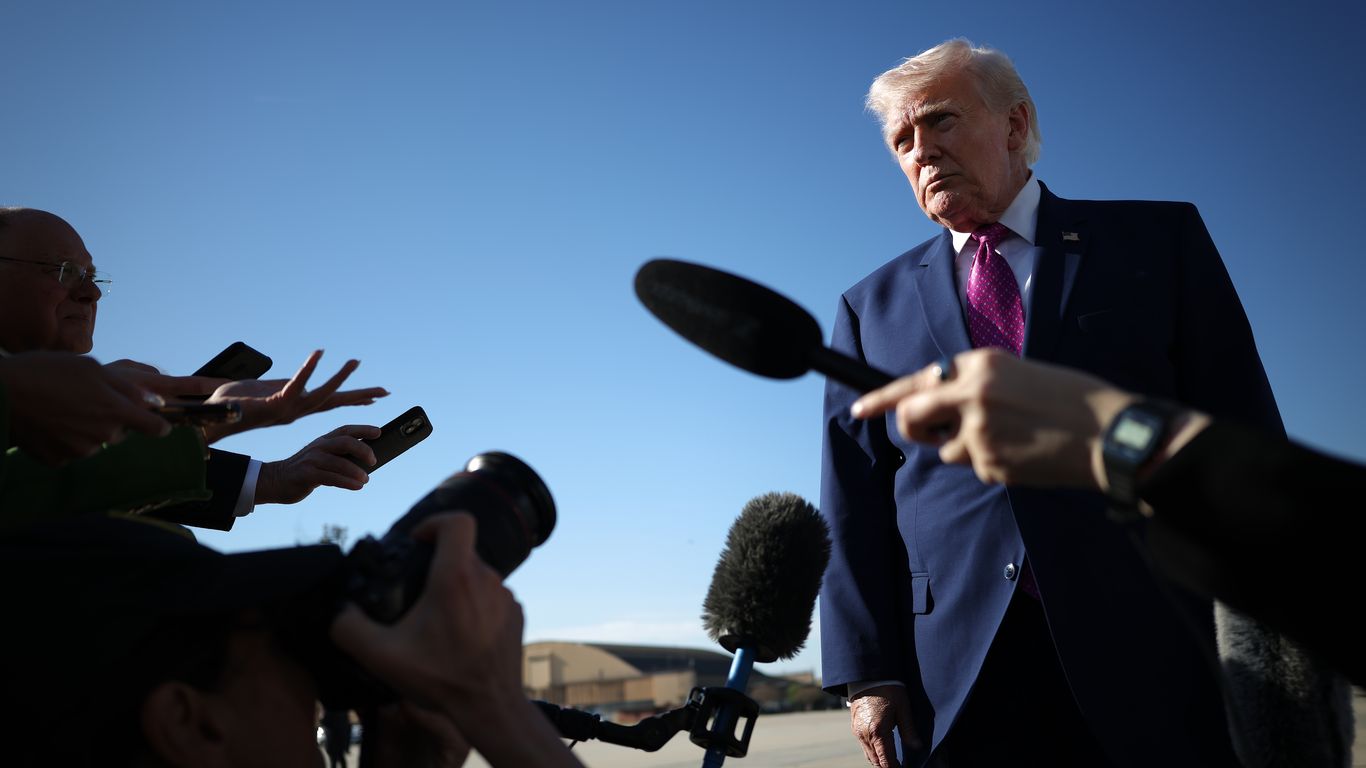
4 days agoTrump issues NATO ultimatum to send warships to Hormuz - London Business News | Londonlovesbusiness.com
Donald Trump demands NATO allies commit warships to the Strait of Hormuz amid rising tensions affecting global energy supplies.

#strait-of-hormuz



World news
fromLondon Business News | Londonlovesbusiness.com
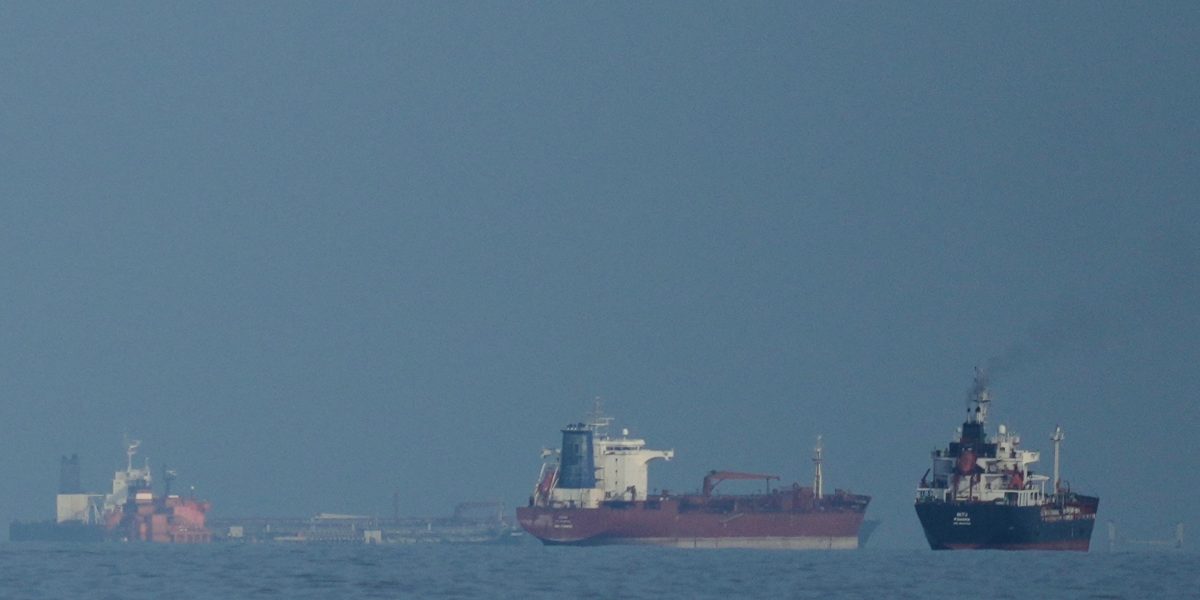
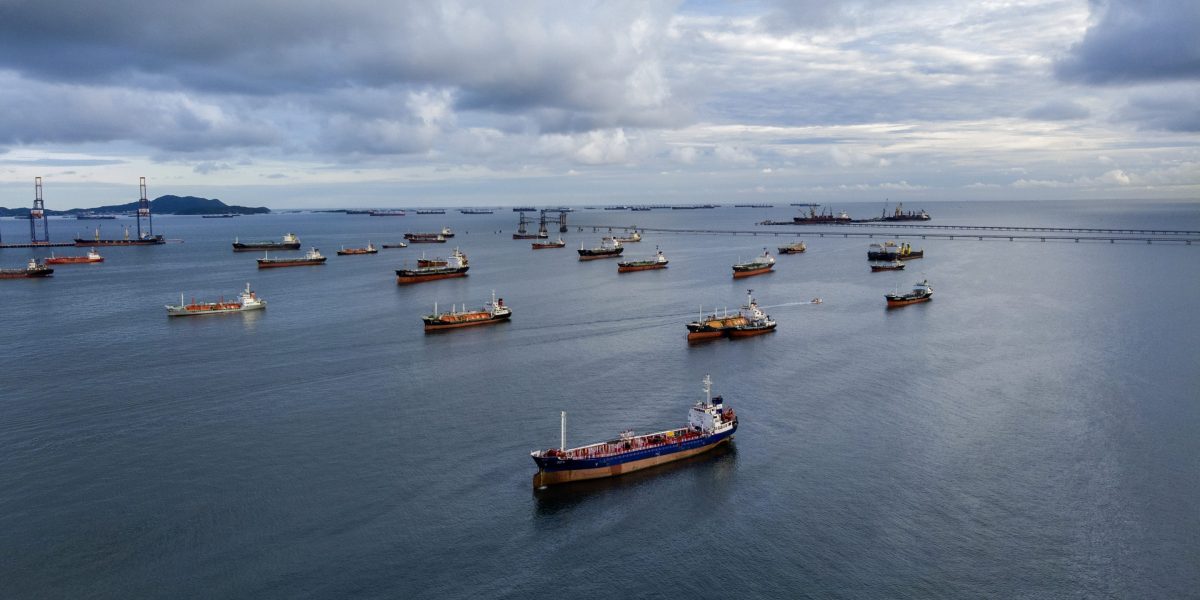
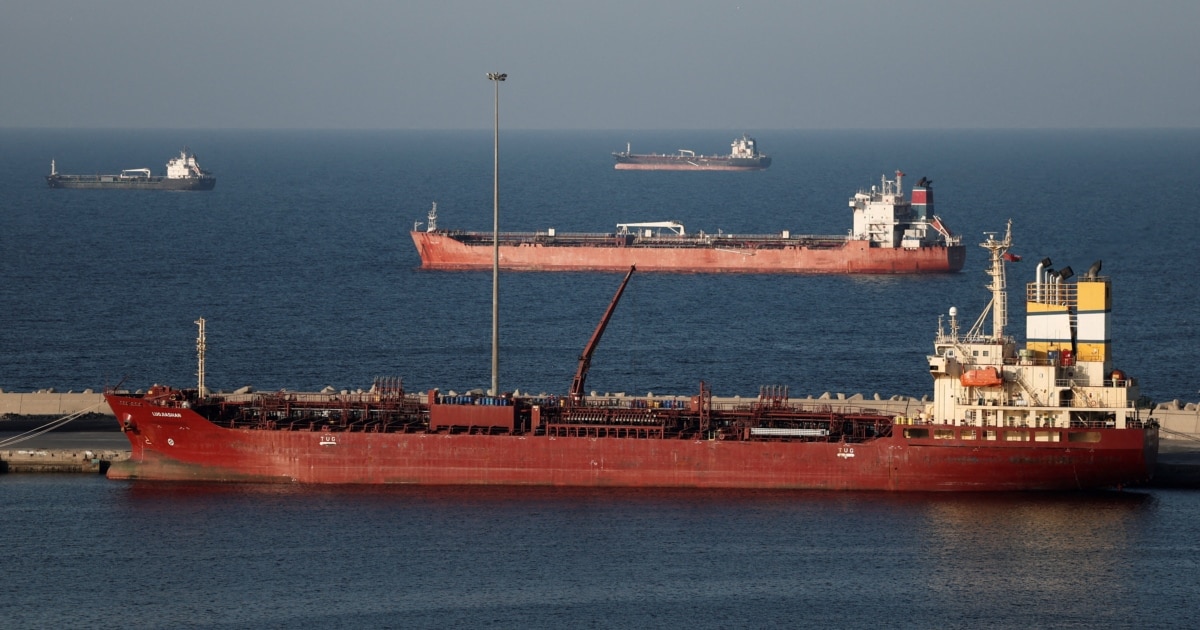
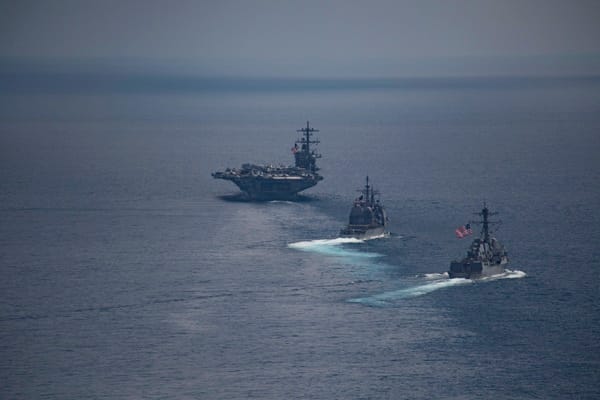
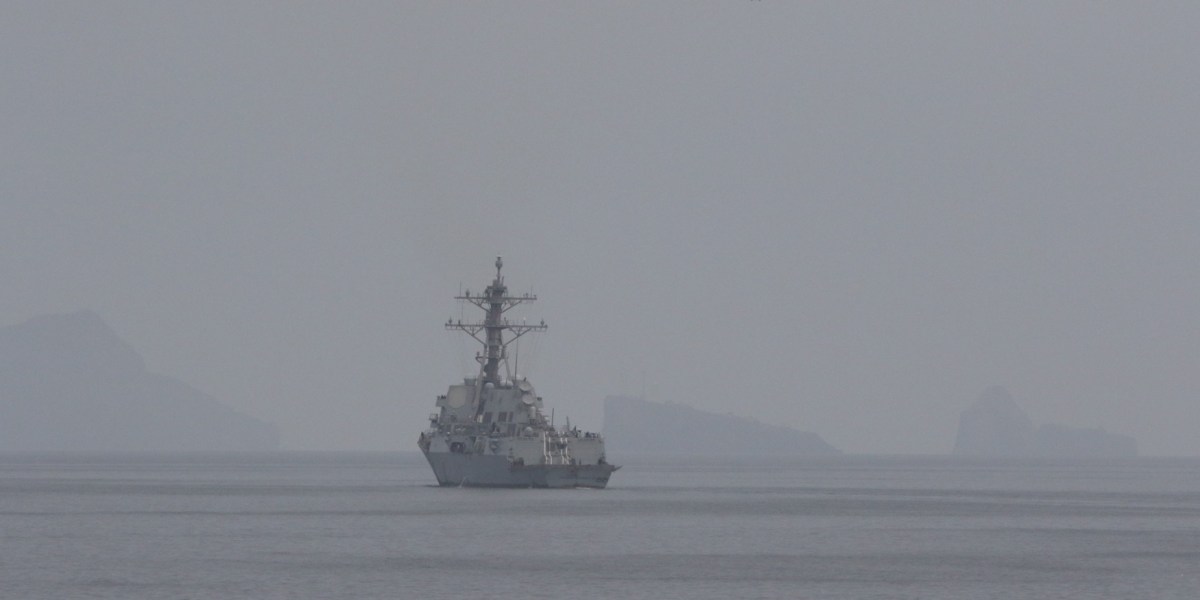
1 day agoUS threatens to 'capture' ships in Hormuz as blockade starts - London Business News | Londonlovesbusiness.com
The U.S. warns vessels entering the Strait of Hormuz without permission will face interception and capture, escalating tensions with Iran.
fromLondon Business News | Londonlovesbusiness.com
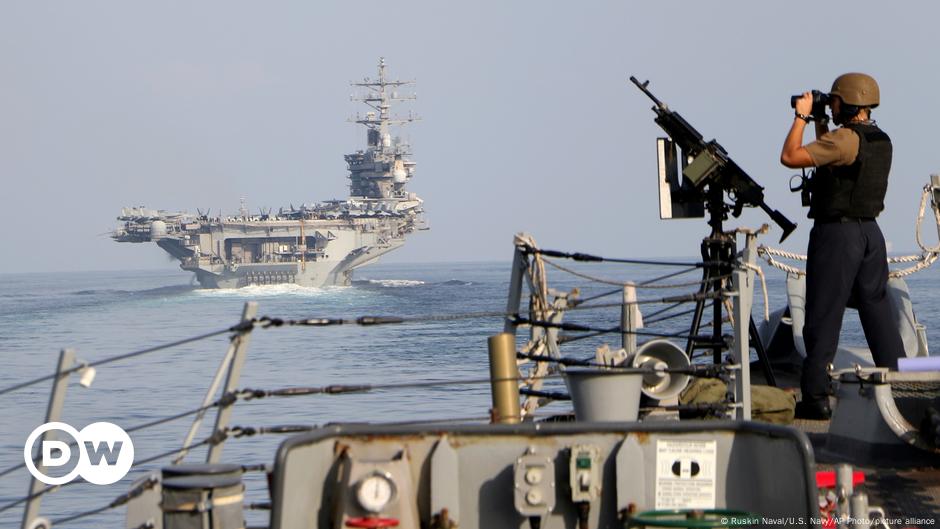
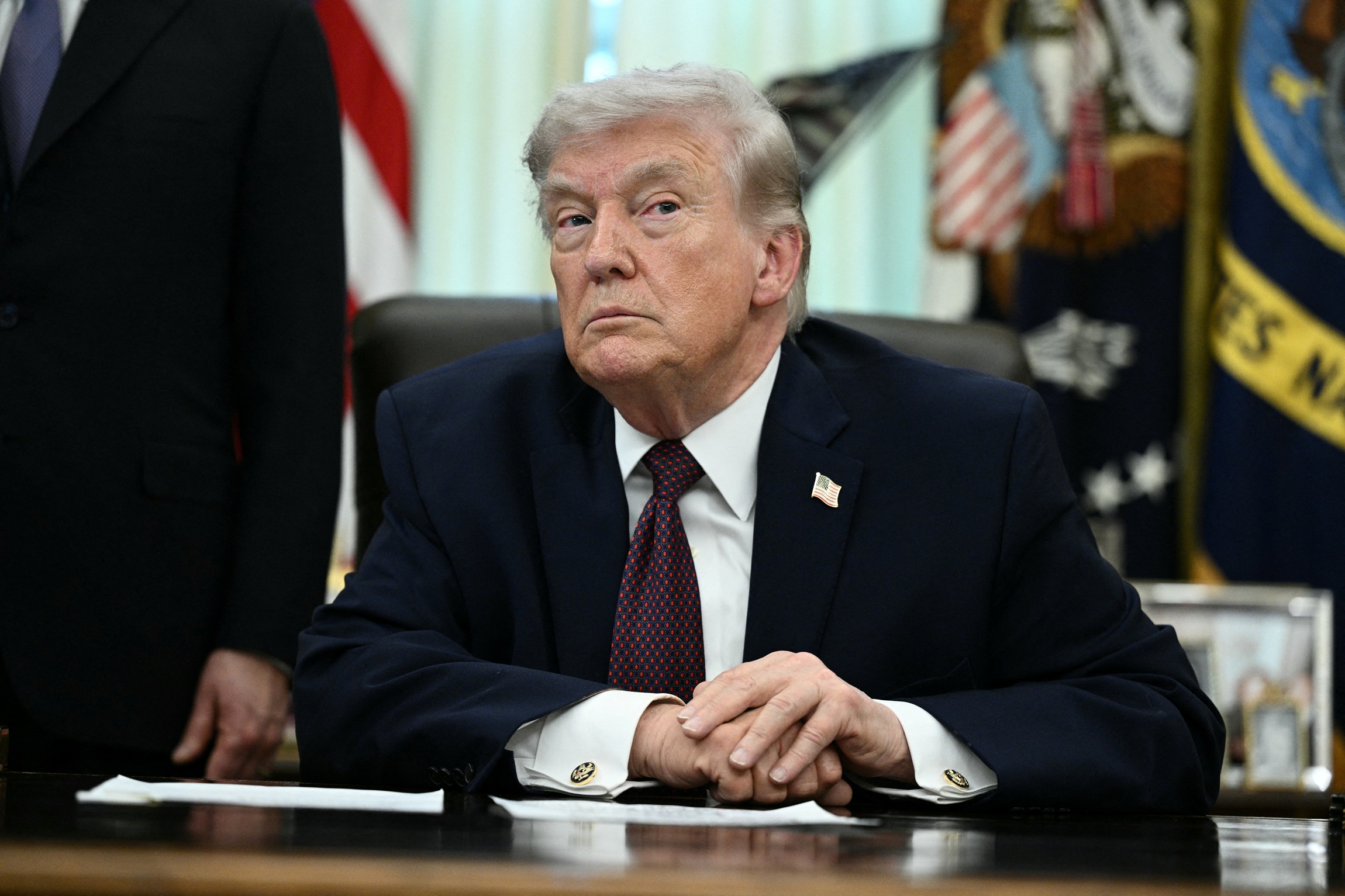
1 day agoTrump claims Iranian navy is 'obliterated' grip near Hormuz is tightened - London Business News | Londonlovesbusiness.com
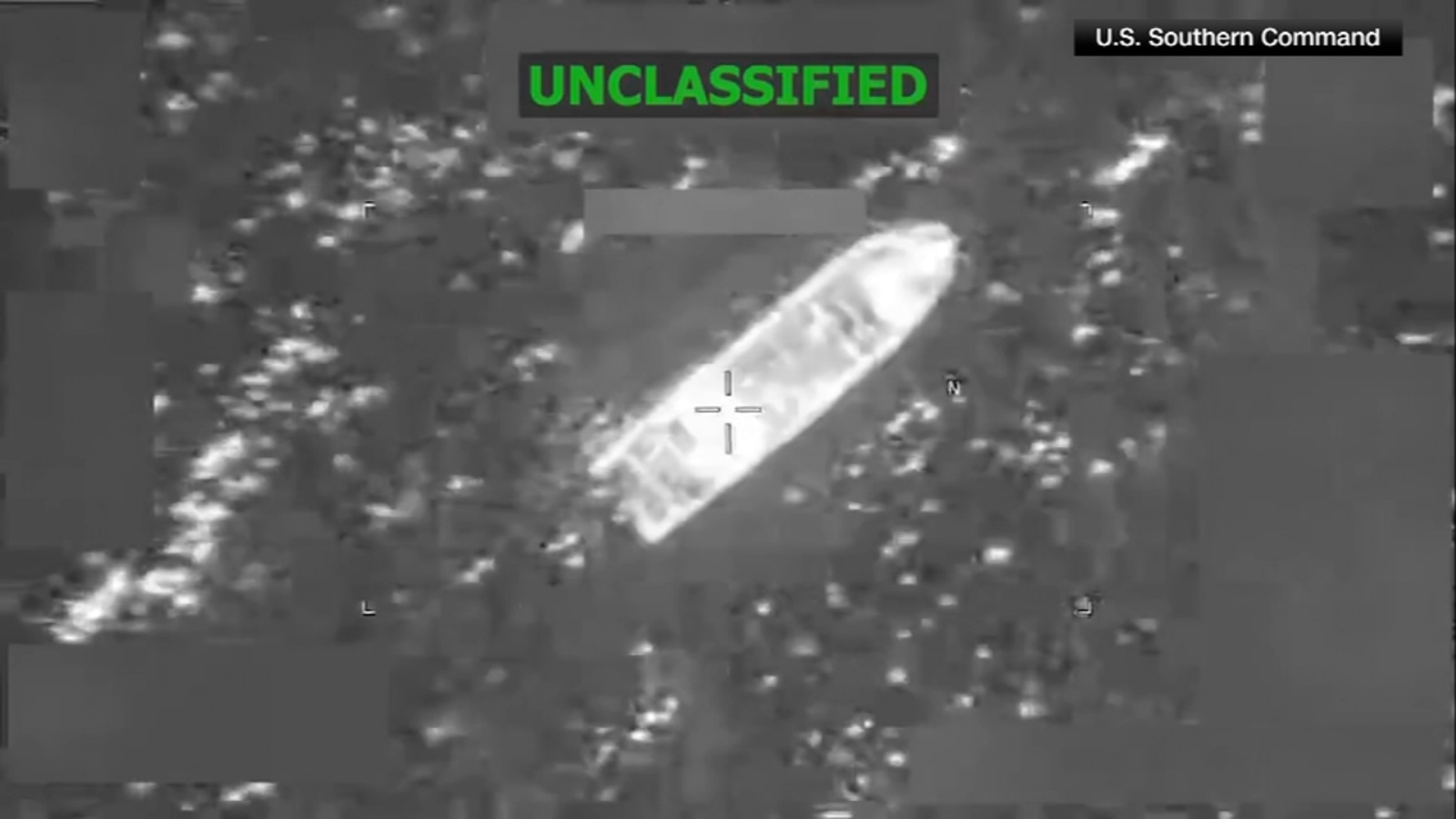
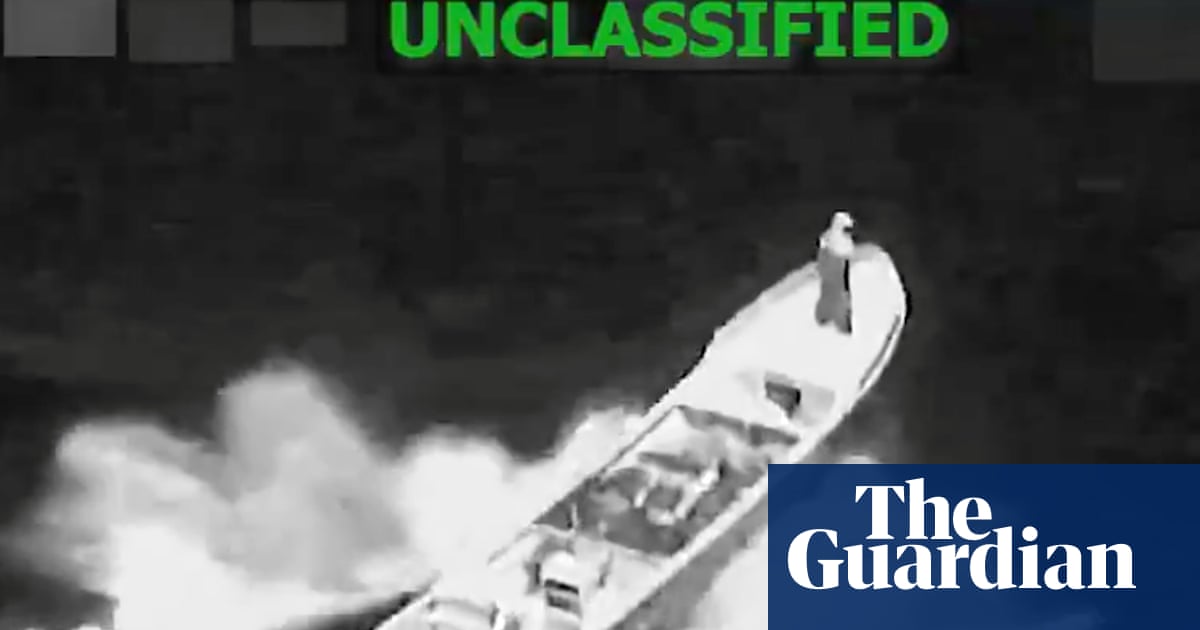
President Trump stated that Iran's naval forces were 'lying at the bottom of the sea' and warned that any ships approaching the blockade would be 'immediately ELIMINATED.' He compared the blockade enforcement to US counter-narcotics operations at sea.
World news


fromRadioFreeEurope/RadioLiberty
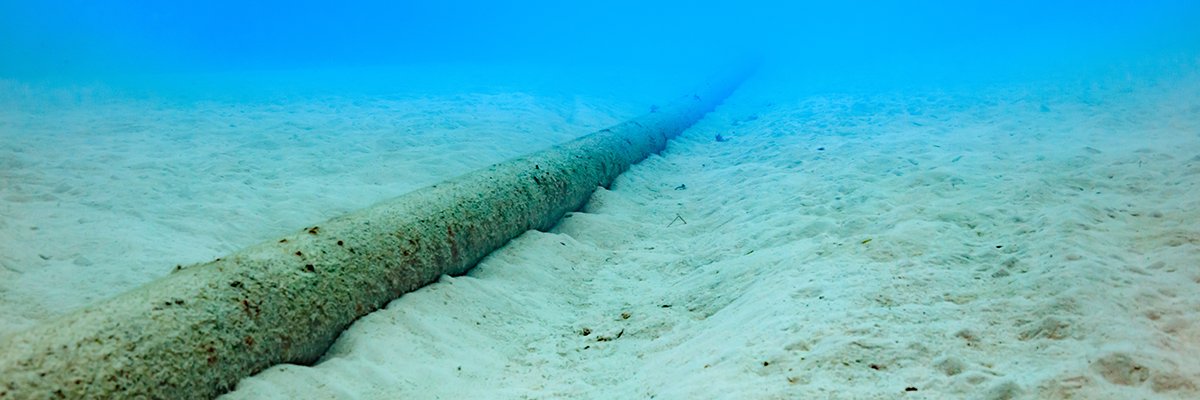
4 days agoLondon Says It Tracked Three Russian Submarines Near Critical Undersea Infrastructure
"We've exposed those covert operations. We've made clear to [Russian President Vladimir Putin] and his submarines that we've watched them every step of the way," Healey said, adding that British forces deployed maritime patrol aircraft and sonar systems to maintain constant surveillance.
UK news
World politics
fromLondon Business News | Londonlovesbusiness.com
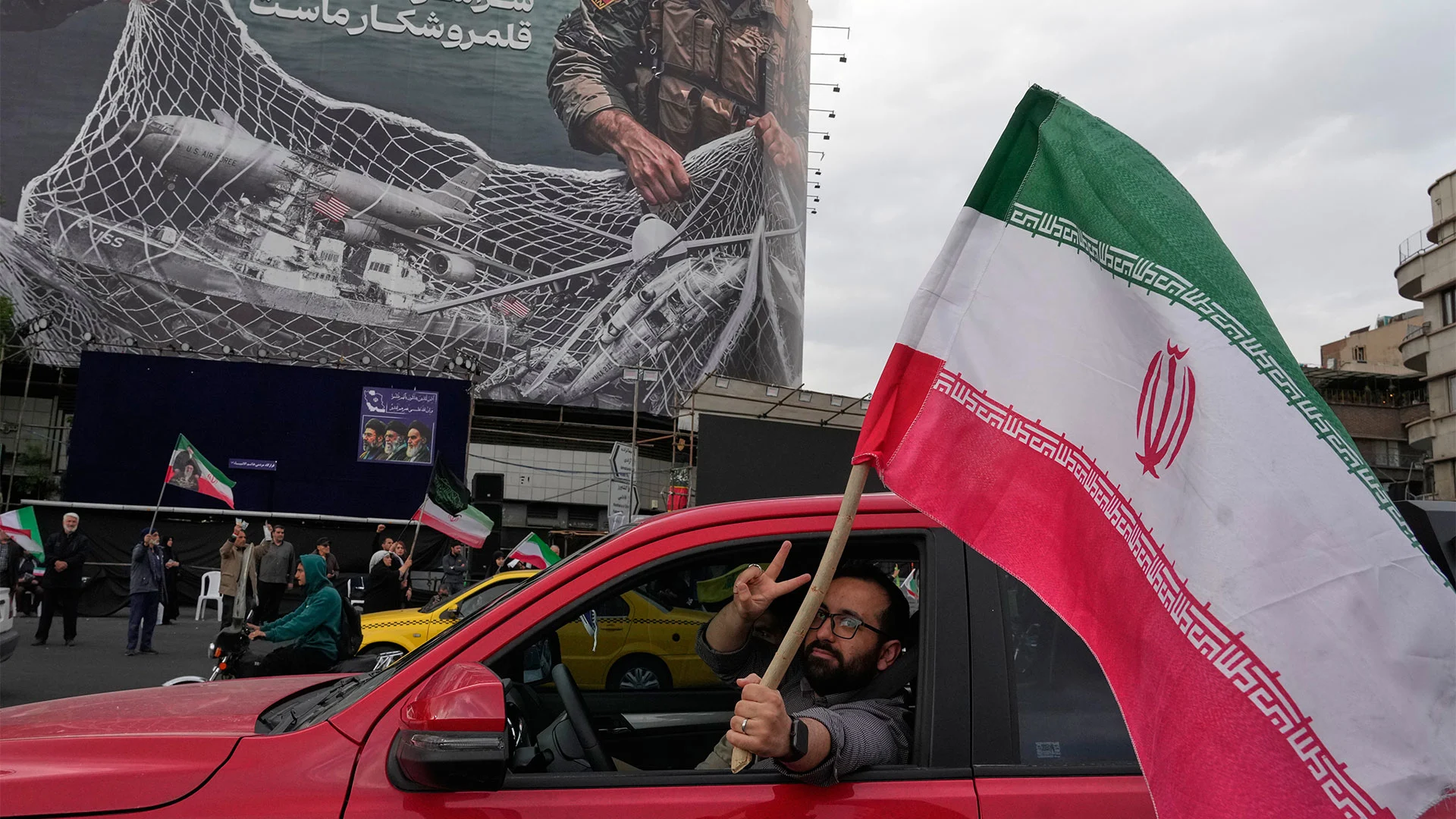
4 days agoWorld leaders avoid military opening of Strait of Hormuz despite continued oil threats - London Business News | Londonlovesbusiness.com
Global leaders prioritize diplomacy over military action in the Strait of Hormuz amid rising tensions and threats from Iran.
fromThe Atlantic
5 days agoChina Watches Trump Blink
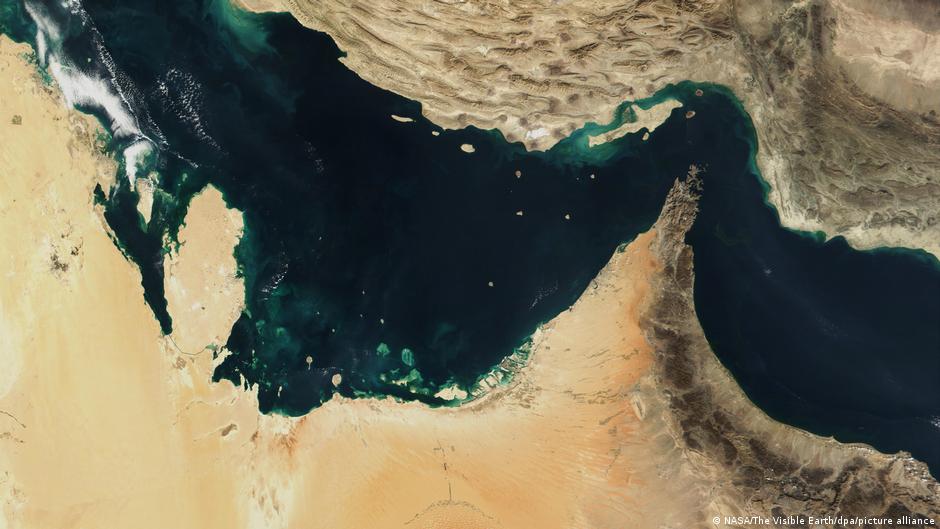
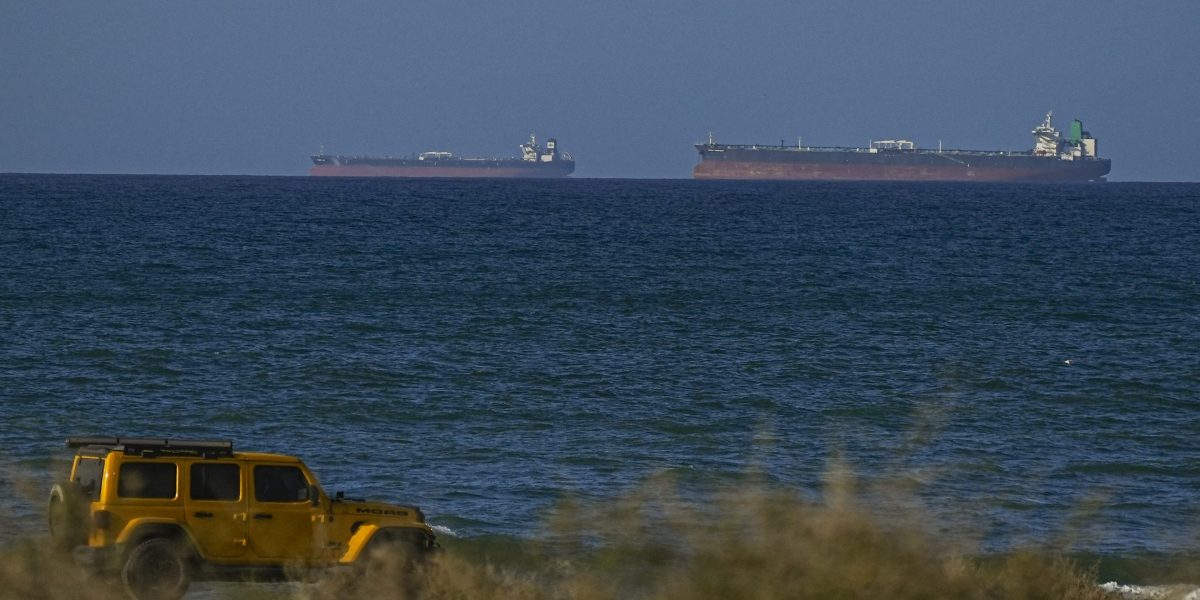
The Iranian choke hold on the Strait of Hormuz evidently had a lot to do with it. By cutting off roughly one-fifth of the world's oil supply over the past five weeks, Iran's blockade of that narrow waterway caused an energy crisis and fears of a global recession that the White House could not abide for long.
World politics
World news
fromFortune
1 day agoU.S. naval blockade on Iran will trigger a currency devaluation spiral and hyperinflation, potentially ending the war more quickly, analyst says | Fortune
The U.S. blockade aims to cut off Iran's oil revenue, exacerbating its economic crisis and pressuring the regime to negotiate.
from24/7 Wall St.
1 month agoThe Most Powerful Battleships, Aircraft Carriers, and Submarines of World War II
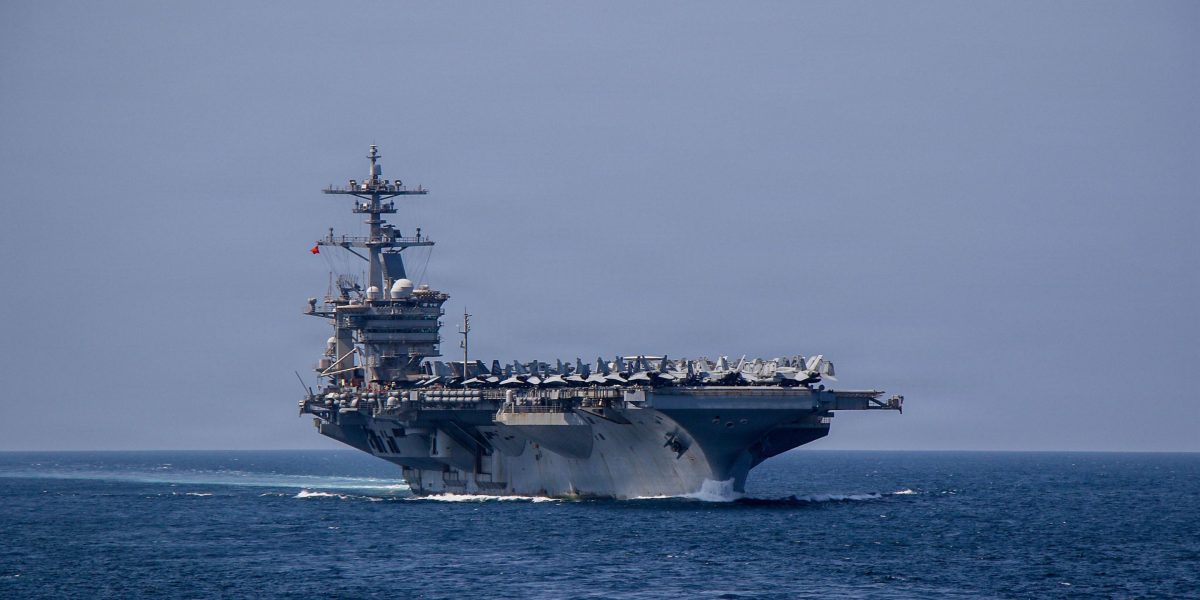
WWII began with most naval powers still believing the battleship ruled the seas. Fleets were built around heavily armored ships with massive guns meant to destroy enemy navies in decisive surface battles. By the war's end, that thinking had changed dramatically. Aircraft carriers could strike targets hundreds of miles away, while submarines choked off supply lines across entire oceans.
History
fromwww.mediaite.com
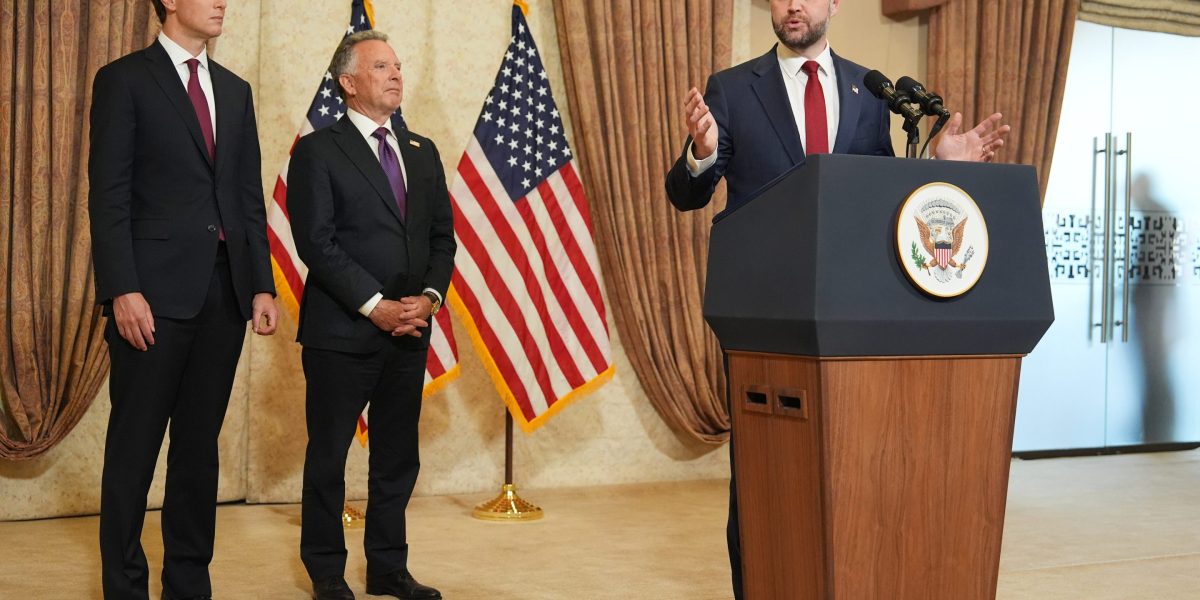
2 days agoStrait of Hormuz Remains Sticking Point' as Marathon Vance-Iran Talks Pause After 15 Hours
The deal talks are expected to resume later on Sunday, with the seemingly never-ending meeting suggesting that both sides remained engaged and still had topics to discuss.
World news
fromBusiness Insider
1 month agoChina is moving toward all-nuclear submarine construction in a major strategic shift, US Navy intel chief says
The PLAN "is executing a significant strategic shift from diesel-electric to all-nuclear construction, representing a fundamental departure from historical construction patterns." Expanded investments at three shipyards, major construction efforts, and infrastructure upgrades have increased China's nuclear submarine production rate from less than one boat a year "to significantly higher rates."
World politics
World news
fromLondon Business News | Londonlovesbusiness.com
1 month agoRoyal Navy aircraft carrier may need allies to protect it - London Business News | Londonlovesbusiness.com
HMS Prince of Wales has been placed on five-day deployment alert for potential Middle East operations amid escalating regional tensions, though the Royal Navy faces challenges assembling a full carrier strike group without allied support.
[ Load more ]