#neanderthal-extinction

[ follow ]
History
fromwww.nytimes.com
2 weeks ago

Humans Had Dogs Before They Had Farming, Ancient DNA Confirms

Dogs were domesticated by hunter-gatherer societies in Europe around 14,000 years ago, predating agriculture.
Philosophy
fromenglish.elpais.com
5 days ago

Richard Wrangham, anthropologist: Humans domesticated ourselves by defeating our alpha male ancestors'

Human beings exhibit both empathy and a unique capacity for planned violence, reflecting a complex duality in our nature.
Environment
fromwww.theguardian.com
6 days ago

Non-survivable': heatwaves are already breaching human limits, with worse to come, study finds

Extreme heat is creating non-survivable conditions for humans, especially older individuals, during heatwaves that have already caused thousands of deaths.
OMG science
fromHarvard Gazette
1 week ago

Anthropologist traces split between Homo sapiens and Neanderthals - Harvard Gazette

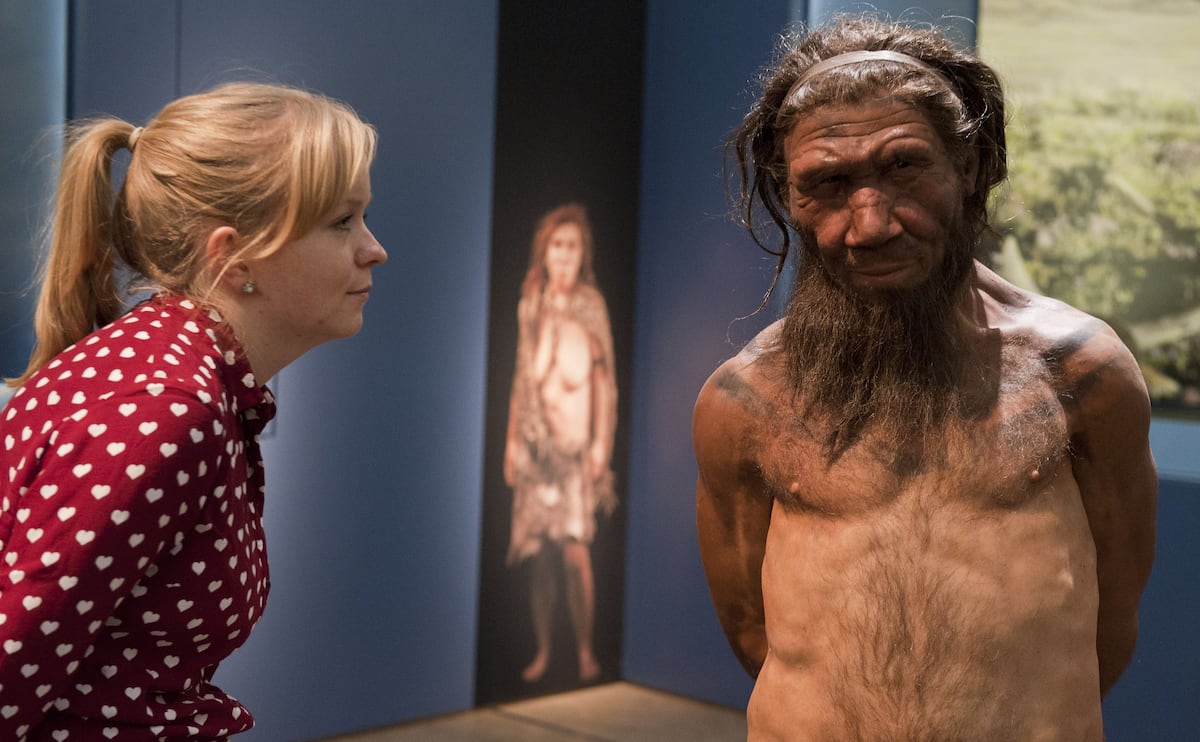
The transition from multiple human forms to Homo sapiens dominance involved interactions and interbreeding with Neanderthals, not a clear-cut victory.
#native-american-history
History
fromwww.theguardian.com
3 days ago

Native Americans were gambling with dice 6,000 years earlier than anyone else, study says

Native American hunter-gatherers used dice for gaming over 12,000 years ago, predating similar practices in other cultures by thousands of years.
History
fromArs Technica
1 week ago

Ice Age dice show early Native Americans may have understood probability

Native Americans used dice for games of chance over 12,000 years ago, predating Old World dice by millennia.
History
fromwww.theguardian.com
3 days ago

Native Americans were gambling with dice 6,000 years earlier than anyone else, study says

Native American hunter-gatherers used dice for gaming over 12,000 years ago, predating similar practices in other cultures by thousands of years.
History
fromArs Technica
1 week ago

Ice Age dice show early Native Americans may have understood probability

Native Americans used dice for games of chance over 12,000 years ago, predating Old World dice by millennia.
Science
fromNature
3 weeks ago

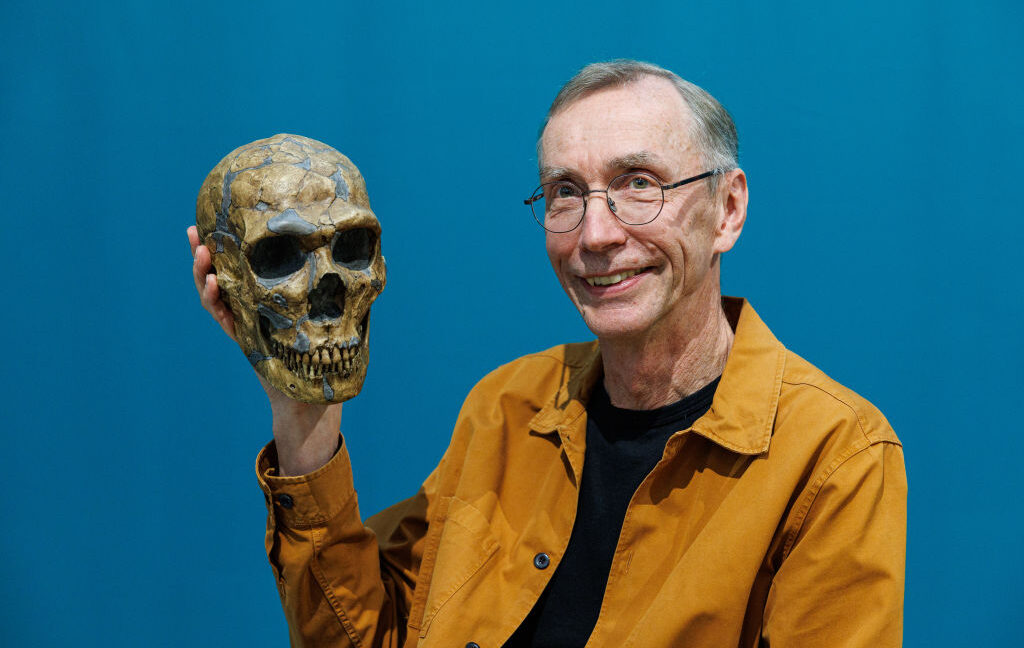
Daily briefing: Tiny bones from Neanderthal fetus point to downfall of the species

A genetic bottleneck contributed to the Neanderthals' extinction, while AI-generated X-rays challenge radiologists' ability to discern real from fake.
fromwww.nature.com
3 weeks ago

Genomic history of early dogs in Europe

Genomic data indicates that early dogs in Europe underwent significant genetic changes as they adapted to diverse environments and human lifestyles, reflecting a complex interplay of domestication and natural selection.
Pets
fromNature
1 week ago

How DNA forensics is transforming studies of ancient manuscripts

"It had its own biography, its own deep history. It seemed like an archaeological site between covers," recalls Stinson, who is now a medievalist at North Carolina State University in Raleigh.
History
OMG science
fromenglish.elpais.com
2 weeks ago

The Nazca culture's legacy of adaptation offers clues to the current climate crisis

The Nazca culture's aqueducts and geoglyphs symbolize water and fertility, reflecting ancient wisdom still relevant today.
Science
fromNature
2 weeks ago

Daily briefing: Earliest known dog genome pushes genetic record back 5,000 years

Early domestic dogs were crucial to diverse human communities, with their genomes dating back over 15,000 years.
Alternative medicine
fromArs Technica
3 weeks ago

Never mind Band-Aids, Neanderthals had antiseptic birch tar

Neanderthals likely used birch tar for medicinal purposes, including treating infections and insect bites, beyond its known use as a weapon adhesive.
Roam Research
fromArs Technica
3 weeks ago

Study pinpoints when bow and arrow came to North America

North Americans adopted the bow and arrow about 1,400 years ago, replacing the atlatl and dart, with rapid adoption in the south and gradual replacement in the north.
Pets
fromwww.dw.com
2 weeks ago

Humans and dogs scientists find new proof of ancient bond

A female puppy from 15,800 years ago in Turkey is identified as the earliest-known dog, predating the previous record by 5,000 years.
fromThe Local France
3 weeks ago

Mysterious ancient skeletons discovered sitting upright in France

Similar to four others unearthed nearby earlier this month, it is sitting upright at the bottom of a one-metre-wide pit. The skeleton's hands are resting in its lap. Like the others, its back is against the eastern wall, its face directed westward.
France news
OMG science
fromNature
3 weeks ago

How DNA in dirt is shaking up the study of human origins

Ancient DNA can be recovered from sediments, revolutionizing the study of extinct species and the history of ecosystems.
fromwww.theguardian.com
3 weeks ago

Ancient skeleton discovered sitting upright in France

Five tombs of Gauls buried in a seated position have been discovered in central Dijon. Similar to four others unearthed nearby earlier this month, it is sitting upright at the bottom of a one-metre-wide pit. The skeleton's hands are resting in its lap. Like the others, its back is against the eastern wall, its gaze directed westward.
France news
#mass-grave
fromwww.thehistoryblog.com
1 week ago

Neolithic axe found in Lake Constance

The axe was the most important find in the group and would have been highly valued in the Neolithic community. Experiments with fiddle bows have found that it takes more than a day of work to manufacture an axe like this one.
History
#neanderthal-human-interbreeding
#de-extinction
OMG science
fromwww.theguardian.com
1 month ago

Can scientists really resurrect the dodo? Inside the company that says they can

Colossal Biosciences is using ancient DNA and gene editing to resurrect extinct species including dire wolves, woolly mammoths, and dodos, raising questions about the ethics and feasibility of de-extinction technology.
OMG science
fromwww.npr.org
1 month ago

Colossal Biosciences breeds controversy while trying to revive mammoths

Colossal Biosciences uses gene-editing, cloning, and AI technologies to resurrect extinct species like woolly mammoths while developing tools to save endangered animals, though critics question the ethics and feasibility of de-extinction.
Agriculture
fromArs Technica
1 month ago

Re-creating the complex cuisine of prehistoric Europeans

Hunter-gatherer-fishers across Eastern Europe combined specific regional foods into distinct preparations, mixing fish with berries, legumes, grasses, and vegetables rather than relying on fish alone.
fromwww.npr.org
1 month ago

Humans' pull toward alcohol may have ancient origins (according to chimp pee)

Chimpanzees consume 10 pounds of fruit pulp per day on average - African star apple. It's delicious, too. I tried some. And when fruits like this ripen, they can ferment, producing alcohol. In primates, it could be that when you smell alcohol, that means that's where the sugars are.
Wine
OMG science
fromMail Online
1 month ago

Scientists recreate the lost languages of ancient humans

Scientists reconstructed ancient human species languages by analyzing fossilized skeletal imprints of soft tissues like the larynx, tongue, and brain, revealing that Neanderthals likely spoke languages understandable to early Homo sapiens.
Science
fromNature
1 month ago

How pollutants and poo paint a picture of past civilizations

Environmental archaeologists extract mud cores from swamps to analyze molecular biomarkers like coprostanol, revealing ancient human population trends and behaviors.
History
fromMedievalists.net
4 weeks ago

Two Medieval Men Found Buried in Prehistoric Site - Medievalists.net

Medieval men were buried in the Menga dolmen, a Neolithic monument in Spain, over 4,000 years after its construction, demonstrating the site's enduring symbolic importance across millennia.
Social justice
fromwww.npr.org
2 months ago

How a Black fossil digger became a superstar in the very white world of paleontology

A Black South African fossil digger became a leading junior curator, reclaiming African human origins in a field long dominated by white researchers.
fromHigh Country News
2 months ago

How pronghorn outran the Ice Age - High Country News

If they survived the summer and reached adulthood, they would become some of the fastest land animals on Earth. Adult pronghorn, a bit smaller than deer, can run seven miles in just 10 minutes, achieving short bursts of nearly 60 mph, much faster than horses or wolves. With their long thin legs and oversized hearts and lungs, they are built to cover ground in the wide-open sagebrush basins of Wyoming, my home state.
Environment
Philosophy
fromThe Philosopher
1 month ago

A Genealogy for the End of the World

The Anthropocene frames humanity as a collective geological force reshaping Earth’s climate and biosphere, redefining history through shared catastrophe and human-driven planetary change.
OMG science
fromwww.scientificamerican.com
1 month ago

Face of ancient human ancestor Little Foot' reconstructed for the first time

Little Foot, the most complete Australopithecus skeleton ever found, now has a reconstructed face showing large eye sockets and resemblance to other Australopithecus fossils from Africa.
fromAeon
1 month ago

How the harsh, icy world of Snowball Earth shaped life today | Aeon Essays

Such an event, if it transpired on Earth today, would see kilometres-thick ice sheets gouging their way from the Arctic to the Bahamas. Once-diverse ecosystems and climate zones would merge into a single, uniform condition, seemingly destined to be barren. Scientists once argued that such a 'snowball' state could never have existed on Earth since global glaciation could not be reversed. Moreover, on such a world, all life, including our own ancestors, would surely have been extinguished.
Philosophy
Science
fromNature
1 month ago

Neanderthal dad, human mum: study reveals ancient procreation pattern

Female Homo sapiens and male Neanderthals mated more frequently than the reverse pairing, shaping human genetic ancestry patterns revealed through analysis of female Neanderthal specimens.
History
fromMail Online
1 month ago

The first non-binary person? Stone Age woman was buried like a MAN

Stone Age societies in Hungary practiced flexible gender roles, with some individuals buried according to non-traditional gender norms, indicating tolerance for complex identities 7,000 years ago.
Science
fromwww.scientificamerican.com
1 month ago

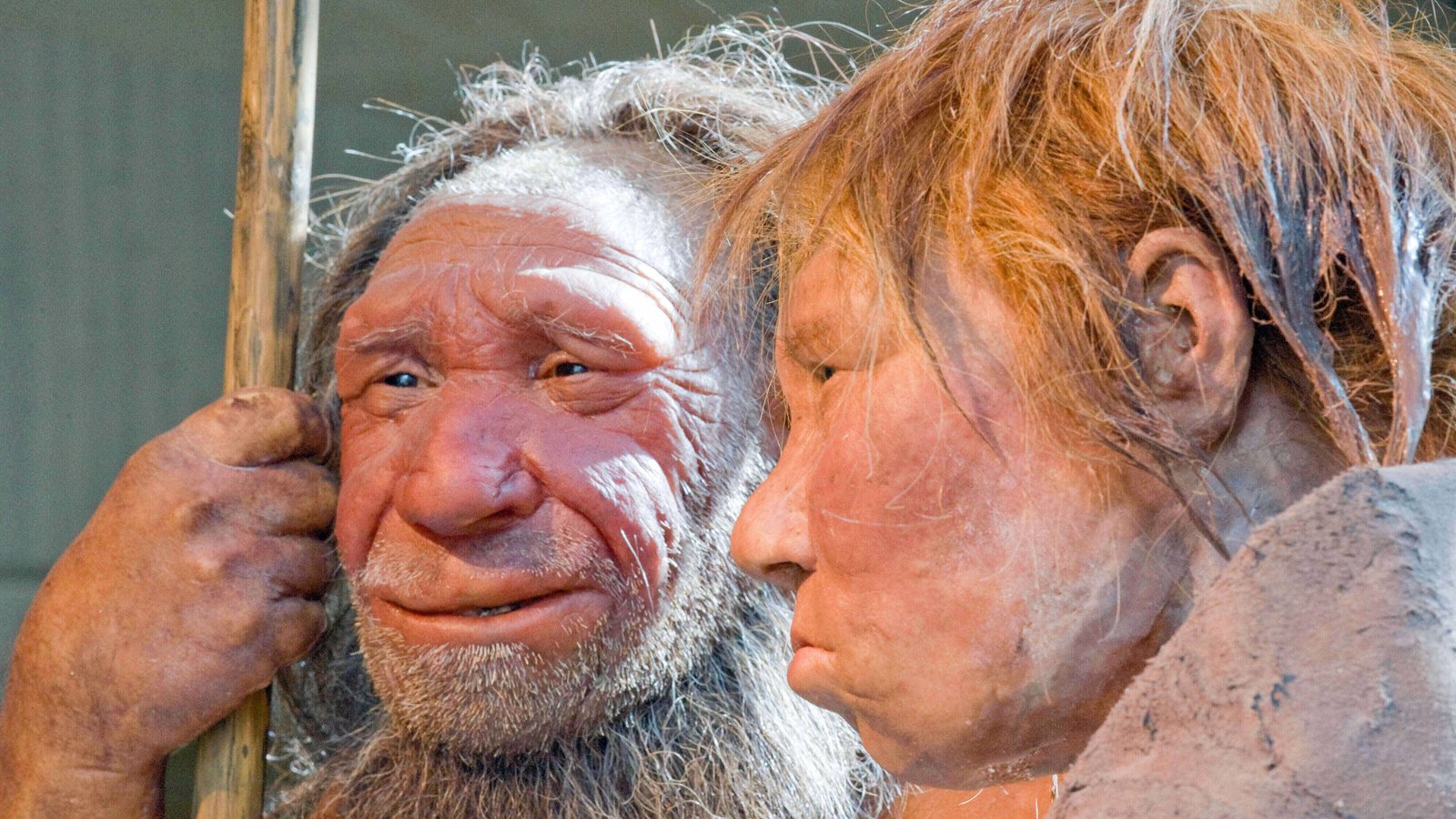
Sex between Neandertals and anatomically modern humans tended to follow a specific pattern

Neandertal-human interbreeding was primarily between male Neandertals and female humans, evidenced by the absence of Neandertal DNA on modern human X chromosomes.
History
fromwww.thehistoryblog.com
1 month ago

Impressive Bronze Age axe found in Switzerland

A 3,500-year-old bronze axe of exceptional craftsmanship was discovered in northwestern Switzerland, likely a votive offering from the Middle Bronze Age.
History
fromOpen Culture
1 month ago

Behold the First Realistic Depiction of the Human Face (Circa 25,000 BCE)

The Venus of Brassempouy, a 25,000-year-old mammoth ivory carving, represents the earliest realistic human face depiction and marks the dawn of beauty in human culture.
fromwww.scientificamerican.com
2 months ago

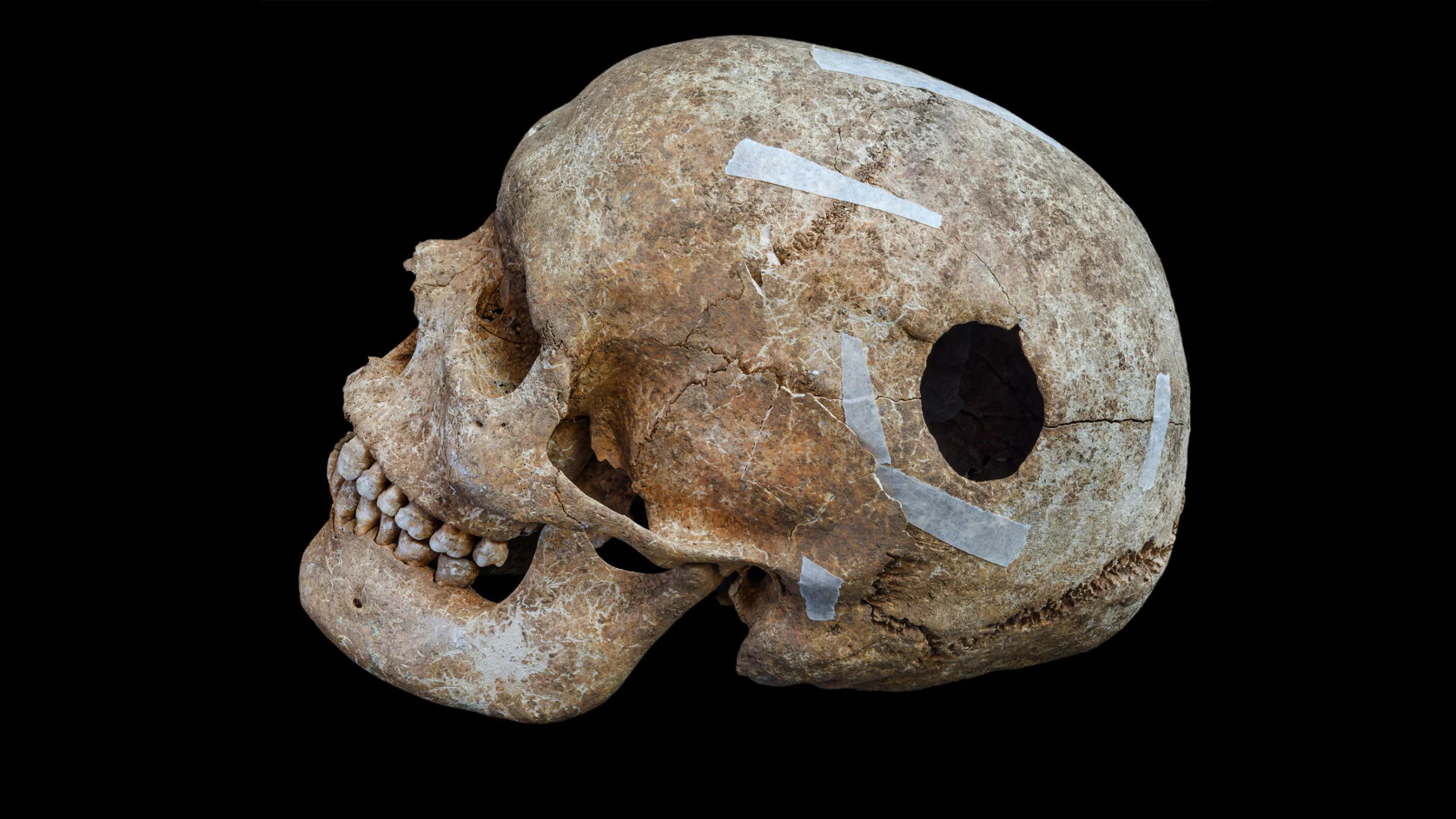
A foraging teenager was mauled by a bear 27,000 years ago, skeleton shows

We have little physical evidence of these interactions turning violent, however, because burials were rare and carnivores were more likely to finish off their prey. That's why the embellished burial site of a 15-year-old from 27,000 years ago is an important window into the past: the teenager's bones indicate he was mauled by a bear. The finding represents some of the first evidence of its kind.
Science
#woolly-rhinoceros
Science
fromenglish.elpais.com
1 month ago

Ludovic Slimak on Neanderthals: It was suicide. Humans disappear when they no longer want to live because their values have collapsed'

Neanderthals, despite cultural complexity and interbreeding, went extinct around 42,000 years ago, likely due to isolation and abandonment while Homo sapiens prevailed.
Science
fromNature
2 months ago

Daily briefing: Hunter-gatherers in Europe's 'water world' resisted the switch to farming for millennia

Rhine-Meuse delta populations retained substantial hunter-gatherer ancestry for millennia before steppe-related mixing spurred Bell Beaker expansion and large genetic turnovers.
Science
fromArs Technica
2 months ago

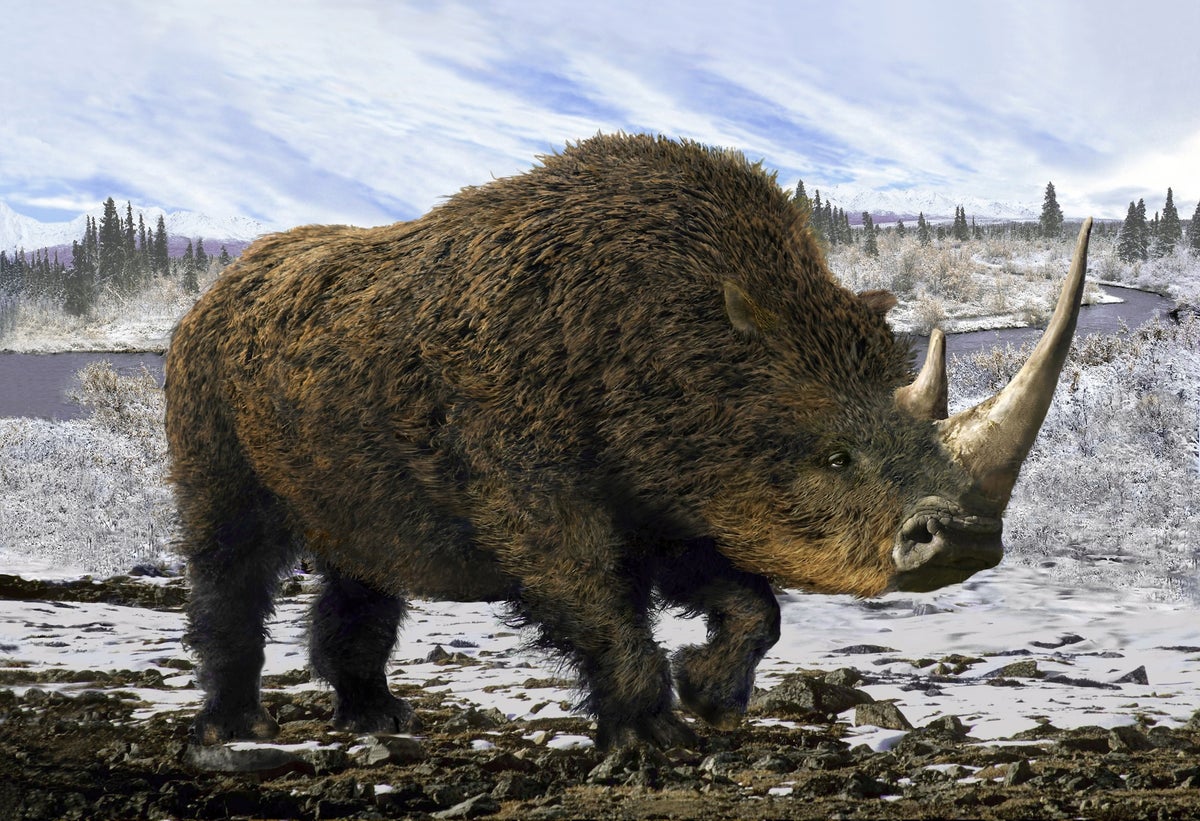
Scientists sequence a woolly rhino genome from a 14,400-year-old wolf's stomach

Woolly rhino effective population fell from about 15,600 to 1,600 between 114,000–63,000 years ago, then stabilized around 1,600 breeding individuals.
Science
fromwww.nature.com
2 months ago

Afar fossil shows broad distribution and versatility of Paranthropus

Pliocene and Late Miocene East African fossil evidence reveals diverse early hominin taxa, varying dental and skeletal morphologies, and debates over taxic diversity.
Science
fromArs Technica
1 month ago

"Million-year-old" fossil skulls from China are far older-and not Denisovans

Homo erectus fossils from Yunxian in China are dated to about 1.77 million years, making them the oldest hominins discovered in East Asia.
fromArs Technica
1 month ago

Scientists hunting mammoth fossils found whales 400 km inland

At first glance, it looked like Wooller and his colleagues might have found evidence that mammoths lived in central Alaska just 2,000 years ago. But ancient DNA revealed that two "mammoth" bones actually belonged to a North Pacific right whale and a minke whale-which raised a whole new set of questions. The team's hunt for Alaska's last mammoth had turned into an epic case of mistaken identity, starring two whale species and a mid-century fossil hunter.
Science
Science
fromMail Online
1 month ago

Prehistoric killer superbug discovered in 5,000-year-old ice

An ancient Psychrobacter strain from Scarisoara Ice Cave, frozen about 5,000 years, is resistant to ten modern antibiotics and harbors over 100 resistance genes.
Science
fromwww.scientificamerican.com
2 months ago

This is the most complete skeleton yet of our ancestor Homo habilis

A new, unusually complete Homo habilis skeleton from Lake Turkana shows a small, less modern body with long, ape-like arms and primitive proportions.
fromPsychology Today
1 month ago

How Brawn and Engineering-Not Brains-Led to Human Domination

I'm always looking for books that challenge the status quo, and when I learned about Roland Ennos' new book The Powerful Primate: How Controlling Energy Enabled Us to Build Civilization, I couldn't wait to get my eyes on it, and I'm thrilled I did. In this landmark book, Ennos offers "a compelling argument that flips the traditional view of humanity on its head."
Science
fromDefector
2 months ago

Let The Record Show That Otzi Fucked | Defector

Ötzi, the 5,000-something-year-old man found frozen in the Alps, did not have an easy go of it. He was probably murdered, shot from behind with an arrow that missed his vital organs and led to heavy bleeding and a prolonged and painful death. Days before his death, he fought another person in hand-to-hand combat and gashed his right hand. The more scientists have been able to study his body, the more ailments they have unveiled.
Science
fromwww.nature.com
2 months ago

Publisher Correction: Nanotyrannus and Tyrannosaurus coexisted at the close of the Cretaceous

Since the version of the article initially published, the copyright line has been amended to North Carolina Department of Natural and Cultural Resources and James Napoli, under exclusive licence to Springer Nature Limited in the HTML and PDF versions of the article.
Science
fromenglish.elpais.com
1 month ago

A bacterium frozen 5,000 years ago has been found capable of standing up to super-pathogens

A 5,000-year-old Psychrobacter strain recovered from Romanian cave ice displays resistance to multiple modern antibiotics and produces compounds that inhibit other, hard-to-treat pathogens.
Science
fromwww.nature.com
2 months ago

Author Correction: Inference and reconstruction of the heimdallarchaeial ancestry of eukaryotes

Eukaryotes likely emerged from a bona fide Asgard archaeal ancestor, forming a monophyletic group with Hodarchaeales; marker set corrected to NM54.
fromwww.scientificamerican.com
1 month ago

Surprise spinosaurid found, Moderna flu shot back on, multidisease vaxx shows promise

In a sudden turn of events last Wednesday the U.S. Food and Drug Administration agreed to review Moderna's new mRNA flu vaccine, according to the company. The announcement came roughly a week after Moderna revealed that the FDA had rejected its application. The company said the agency originally called the plan for the vaccine's phase 3 trials acceptable, But its position changed after top FDA official Vinay Prasad overruled the agency's reviewers, according to STAT.
Science
Science
fromwww.dw.com
2 months ago

Tiny dinosaur fossil could provide evolutionary clues: study

A newly discovered tiny ornithopod, Foskeia pelendonum, exhibits unusually complex anatomy that reshapes understanding of ornithopod evolution.
Science
fromState of the Planet
2 months ago

Greenland Ice Cap Vanished Just 7,000 Years Ago

Prudhoe Dome in northwestern Greenland melted about 7,000 years ago, demonstrating high sensitivity of that ice to modest Holocene warming and potential future retreat.
[ Load more ]