Relationships
fromSlate Magazine
7 hours agoHelp! The Stunt My Sisters Pulled at a Family Party Is Making Me Rethink Their Invites to My Wedding
Sisters' behavior at a family event raises concerns about their participation in a wedding.
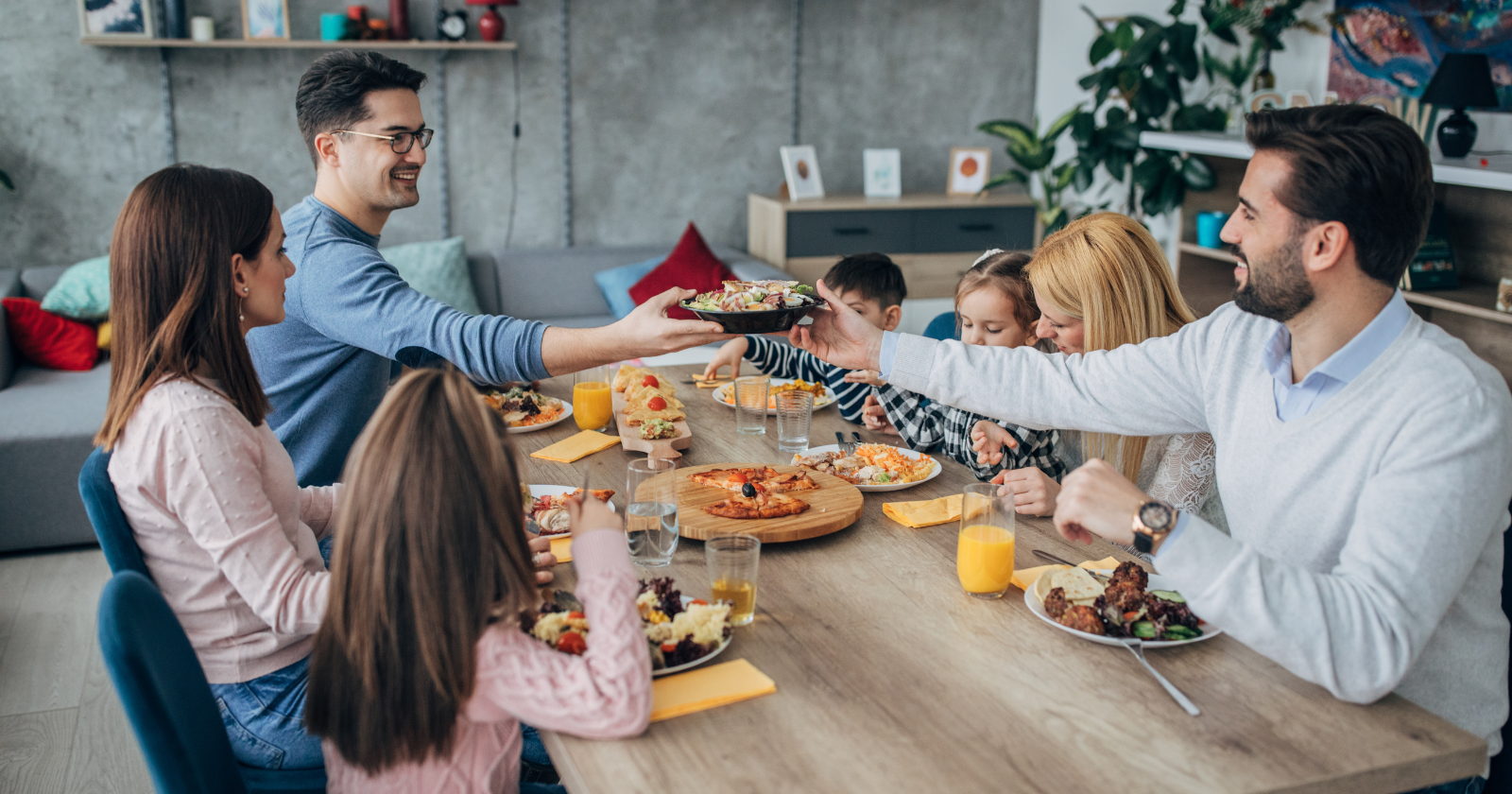
In my family, Sunday was always family dinner night. Whether the Packers earned another triumphant win, a swim meet went late, or a last-minute homework assignment loomed on Monday morning, that time to eat and enjoy each other's company was an appointment that could not be canceled. When my two boys headed off to college, Sundays became more subdued. Yes, my husband and I opened a bottle of wine and enjoyed our dinner leisurely, but I craved more.
Last month, I found myself at a friend's dinner table, surrounded by strangers. What started as polite small talk about the weather quickly evolved into a fascinating discussion about urban development, the role of art in society, and how different countries approach healthcare. Three hours flew by. Walking home that night, I realized something. The people who seemed most at ease weren't necessarily the ones with the most degrees or the fanciest job titles.
I'm a relationship therapist because I really struggled in relationships. I didn't understand that vulnerability was a prerequisite for bonding. It was such a relieving awakening to realize that's where I would be loved the most: putting [my] worst foot forward. I think the kids call it full goblin mode. That really is it.
Can architecture be built from food? Between the fire that warms, the smells that spread, and the bodies that gather around the table, the apparent banality of cooking and eating reveals itself as a choreographed dance of spatial appropriation and belonging. These gestures organize routines, produce bonds, and transform the built environment into lived place. The kitchen- domestic, communal, or urban -thus ceases to be merely a functional space and affirms itself as a territory of encounter.
However, new research suggests that sharing a meal with those we care about, like family or colleagues, may lower our stress levels, improve our workday, and help us make healthier food choices. In a report released this week, the American Heart Association (AHA), which surveyed 1,000 U.S. adults about their dining habits, found that almost all parents (91%) say their family is less stressed when they share meals together.
By that point in our relationship, Al and I recognized that we live completely opposite lifestyles at home. I like creature comforts and wanted my dream lakeside home in Portugal. Al was interested in becoming even more self-sufficient, living off-grid if possible. Al already owned about an acre of land in Portugal. He put a yurt on the land, and now lives there without running water and with only limited solar power.
Picture this: the wine glasses are half-empty, the main course plates have been cleared, and suddenly the conversation hits that dreaded wall. You can hear the forks scraping against dessert plates, someone clearing their throat, the uncomfortable shuffle of feet under the table. We've all been there, watching a lively dinner party deflate like a punctured balloon, everyone suddenly fascinated by their napkins or reaching for their phones.
People say it takes a village to do difficult things: raise a child, sustain a community, build a barn. But we don't often talk a lot about what it takes to be a villager. What does it mean to not just be in a community, but to help create one? Priya Parker, author of The Art of Gathering: How We Meet and Why It Matters, says the key is to put yourself out there, even if it's scary.
I was thinking about this the other day while scrolling through my phone on a Saturday morning, realizing I'd been working for two hours without even noticing. Growing up, my weekends looked nothing like this. There were unspoken rules, traditions that just happened without anyone scheduling them into a calendar app. These weren't grand gestures or expensive activities. They were simple rituals that, looking back now, built something most of us are desperately trying to recreate through therapy apps and self-help books: genuine connection.